admin1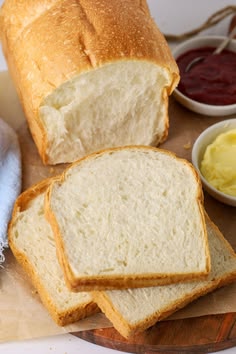
Soft, fluffy, and perfectly sliceable, sourdough sandwich bread is the ideal everyday loaf for toast, sandwiches, grilled cheese, and breakfast spreads. Unlike rustic artisan sourdough with a thick crust, this sandwich bread has a tender crumb and softer crust while still delivering the delicious flavor and natural fermentation benefits of sourdough.
This homemade loaf combines the rich flavor of sourdough starter with a soft texture that works beautifully for everything from peanut butter sandwiches to French toast. It’s a great recipe for beginner sourdough bakers because the dough is easy to handle and forgiving.
Once you bake your own sourdough sandwich bread, store-bought bread may never taste the same again.
Why You’ll Love This Recipe
- Soft and fluffy texture
- Perfect for sandwiches and toast
- Naturally fermented
- Great flavor without being overly sour
- Easy to slice
- Freezes well
Ingredients
Dough
- 100g active sourdough starter
- 500g bread flour
- 300g warm water
- 40g melted butter or olive oil
- 25g honey or sugar
- 10g salt
Optional:
- Butter for brushing after baking
Equipment Needed
- Large mixing bowl
- Loaf pan (9×5-inch)
- Kitchen scale
- Dough scraper
- Clean kitchen towel or plastic wrap
Step 1: Feed the Starter
Before starting the dough, make sure your sourdough starter is active and bubbly.
Feed it about 4–6 hours before mixing. A strong starter should double in size and smell pleasantly tangy.
An active starter helps the bread rise properly and creates a soft texture.
Step 2: Mix the Dough
In a large bowl, combine the sourdough starter, warm water, melted butter, and honey.
Stir until the starter dissolves.
Add the bread flour and salt.
Mix until a rough dough forms. The dough should feel soft and slightly sticky.
Cover the bowl and let the dough rest for 30 minutes. This resting period, called autolyse, helps the flour absorb moisture and improves gluten development.
Step 3: Stretch and Fold
Instead of kneading heavily, use stretch-and-fold techniques to strengthen the dough.
Grab one side of the dough, stretch it upward, and fold it over itself. Rotate the bowl and repeat several times.
Cover and rest for 30 minutes.
Repeat this process 3–4 times over the next 2 hours.
The dough will gradually become smoother, stronger, and easier to handle.
Step 4: Bulk Fermentation
After the final fold, cover the bowl and allow the dough to rise at room temperature for 6–8 hours, depending on room temperature.
The dough should become puffy and nearly double in size.
If your kitchen is cool, fermentation may take longer.
Step 5: Shape the Dough
Lightly flour your work surface and turn out the dough.
Gently flatten it into a rectangle.
Roll the dough tightly into a log, similar to shaping a jelly roll.
Pinch the seam closed and place the dough seam-side down into a greased loaf pan.
This shaping method creates a beautiful sandwich loaf structure.
Step 6: Final Proof
Cover the loaf pan loosely with plastic wrap or a towel.
Allow the dough to rise until it crowns about 1 inch above the edge of the loaf pan. This may take 2–4 hours depending on temperature.
Do not rush the final proof because proper rising gives the bread a lighter texture.
Step 7: Bake the Bread
Preheat the oven to 375°F (190°C).
Bake the loaf for 35–40 minutes until golden brown on top.
The bread should sound hollow when tapped.
If the top browns too quickly, loosely cover with foil during the final 10 minutes of baking.Step 8: Cool and Slice
Remove the bread from the pan immediately after baking and place it on a wire rack.
Brush the top with butter if desired for a softer crust.
Allow the bread to cool completely before slicing.
Cooling helps the crumb set properly and prevents gummy slices.
Step 8: Cool and Slice
Remove the bread from the pan immediately after baking and place it on a wire rack.
Brush the top with butter if desired for a softer crust.
Allow the bread to cool completely before slicing.
Cooling helps the crumb set properly and prevents gummy slices.
Tips for Success
Use Bread Flour
Bread flour gives better structure and chewiness compared to all-purpose flour.
Don’t Overproof
Overproofed dough may collapse during baking.
Shape Tightly
A tight roll helps create even sandwich slices.
Be Patient
Sourdough fermentation takes time, but the flavor is worth it.
Variations
Whole Wheat Sourdough Sandwich Bread
Replace up to half the bread flour with whole wheat flour.
Honey Oat Bread
Add rolled oats and extra honey for sweetness and texture.
Seeded Sandwich Bread
Mix in sunflower seeds, flaxseeds, or sesame seeds.
Milk Bread Style
Replace some water with milk for an extra soft loaf.
Storage
Store the bread in an airtight container or bread bag at room temperature for up to 4 days.
For longer storage:
- Slice and freeze for up to 2 months
- Toast slices directly from frozen
Avoid refrigerating because it can dry out the bread quickly.
Serving Ideas
This sourdough sandwich bread is perfect for:
- Grilled cheese sandwiches
- Peanut butter and jelly
- French toast
- Avocado toast
- Breakfast sandwiches
- Garlic toast
It also makes incredible homemade croutons and breadcrumbs.
Why Sourdough Is Special
Sourdough bread is naturally fermented using wild yeast and beneficial bacteria. This slow fermentation process:
- Improves flavor
- Creates better texture
- Helps digestion
- Extends shelf life naturally
Many people also enjoy sourdough because it feels more wholesome and traditional compared to commercial bread.