admin1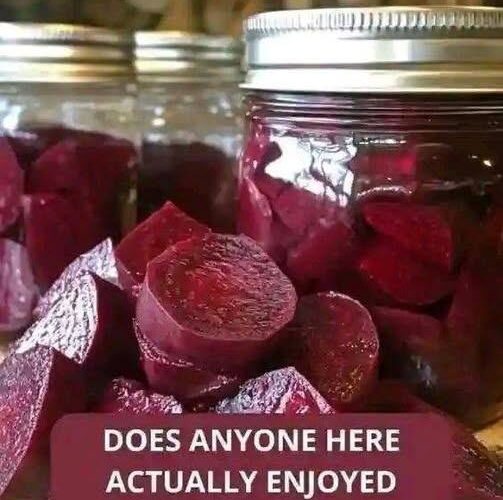
Pickled Beetroot Recipe
Pickled Beetroot is a classic preserved vegetable dish that transforms fresh beets into a tangy, slightly sweet, deeply flavorful condiment that can be enjoyed throughout the year. Known for its vibrant ruby-red color, tender texture, and balanced sweet-and-sour taste, pickled beetroot has been a staple in home kitchens for generations. It is commonly served alongside sandwiches, salads, roasted meats, cheese boards, burgers, grain bowls, and traditional family meals.
The pickling process not only enhances the flavor of beetroot but also helps extend its shelf life. As the beets absorb the pickling liquid, they develop layers of flavor that become richer and more complex over time. Properly prepared pickled beetroot offers a perfect balance of sweetness, acidity, earthiness, and subtle spice, making it one of the most versatile preserved vegetables.
This detailed guide explores everything from selecting the best beetroot and preparing jars to understanding pickling science, creating flavorful brines, storing safely, troubleshooting common issues, and serving pickled beetroot in a variety of creative ways.
Preparation Details
Preparation Time
30 minutes
Cooking Time
45 to 60 minutes
Pickling Time
24 hours minimum
Best Flavor Development
3 to 7 days
Total Time
Approximately 1 to 7 days
Yield
4 to 5 medium jars
Difficulty Level
Easy
Ingredients
2 kilograms fresh beetroot
2 cups white vinegar
2 cups apple cider vinegar
2 cups water
1 1/2 cups granulated sugar
2 tablespoons salt
1 teaspoon black peppercorns
1 teaspoon mustard seeds
4 bay leaves
4 cloves garlic, lightly crushed
1 small cinnamon stick
6 whole cloves
Optional Flavor Additions
Fresh dill
Star anise
Red chili flakes
Orange peel
Lemon peel
Fresh thyme
Whole coriander seeds
Allspice berries
Fresh ginger slices
Honey
Understanding Pickled Beetroot
Pickled beetroot is created by preserving cooked beets in an acidic brine. The acidity helps maintain quality while also contributing to the signature tangy flavor.
The finished product offers:
Sweetness from sugar
Acidity from vinegar
Earthiness from beetroot
Complexity from spices
Tender texture
Bright color
As the beetroot sits in the brine, flavor compounds slowly penetrate the vegetable, creating a more developed taste over time.
Choosing the Best Beetroot
The quality of the beetroot directly influences the final result.
Look for beets that are:
Firm
Heavy for their size
Smooth-skinned
Deeply colored
Free from soft spots
Fresh beetroot generally has:
Bright green tops
Moist stems
Minimal blemishes
Medium-sized beets are often preferred because they cook evenly and have a tender texture.
Understanding Beetroot Flavor
Beetroot possesses a naturally earthy sweetness.
The flavor comes from naturally occurring compounds that develop in the soil during growth.
Pickling balances this earthiness by introducing:
Acidity
Sweetness
Aromatic spices
This creates a more rounded and appealing flavor profile.
Preparing the Beetroot
Step 1: Washing Thoroughly
Rinse beetroot under cold running water.
Use a vegetable brush to remove soil.
Beets grow underground and often carry dirt in crevices.
Proper cleaning is essential.
Step 2: Trimming
Trim leaves while leaving approximately one inch of stem attached.
Do not cut too close to the beet itself.
This helps reduce color loss during cooking.
Step 3: Trimming Roots
Trim long root tails but leave a small portion intact.
Again, this helps preserve color and flavor.
Cooking the Beetroot
Step 1: Filling the Pot
Place washed beets into a large pot.
Cover completely with water.
Step 2: Bringing to a Boil
Heat until boiling.
Reduce to a gentle simmer.
Step 3: Cooking Time
Cook 45 to 60 minutes depending on size.
The beets should become fork tender.
Step 4: Testing Doneness
Insert a knife into the center.
The blade should slide in easily.
Avoid overcooking because extremely soft beets may become mushy after pickling.
Cooling the Beetroot
Once cooked, drain the hot water.
Allow beets to cool until safe to handle.
Cooling helps maintain texture and makes peeling easier.
Peeling the Beetroot
Step 1: Rubbing the Skin
Use paper towels or your hands to gently rub away the skins.
The skins should slip off easily.
Step 2: Final Cleaning
Remove any remaining rough patches.
The beetroot should appear smooth and glossy.
Cutting the Beetroot
Choose your preferred style:
Thin slices
Thick slices
Cubes
Wedges
Julienne strips
Uniform pieces absorb pickling liquid more consistently.
Preparing the Jars
Step 1: Cleaning
Wash jars thoroughly with hot soapy water.
Step 2: Rinsing
Rinse completely.
Step 3: Sterilizing
Sterilize jars according to safe food preservation practices.
Clean jars help maintain quality and freshness.
Understanding Pickling Brine
The brine serves multiple functions.
It provides:
Flavor
Acidity
Sweetness
Preservation support
A well-balanced brine creates the ideal environment for flavorful pickled vegetables.
Preparing the Pickling Liquid
Step 1: Combining Ingredients
In a large saucepan combine:
White vinegar
Apple cider vinegar
Water
Sugar
Salt
Peppercorns
Mustard seeds
Bay leaves
Garlic
Cinnamon stick
Cloves
Step 2: Heating
Bring mixture to a gentle boil.
Step 3: Dissolving Sugar
Stir until sugar and salt fully dissolve.
Step 4: Simmering
Allow the mixture to simmer for approximately 10 minutes.
This extracts flavor from the spices.
Understanding Flavor Development
During simmering:
Spices release aromatic oils
Sugar dissolves completely
Acidity balances sweetness
Complex flavors form
The resulting brine becomes the foundation of the finished product.
Filling the Jars
Step 1: Packing Beetroot
Place prepared beetroot into sterilized jars.
Pack firmly but avoid crushing.
Step 2: Adding Brine
Carefully pour hot brine over the beetroot.
Ensure pieces are fully submerged.
Step 3: Removing Air Pockets
Gently tap jars or use a clean utensil to release trapped air.
Step 4: Sealing
Secure lids tightly.
Cooling Process
Allow jars to cool naturally at room temperature.
As cooling occurs:
Flavors begin to develop
Vacuum seals may form
Beets start absorbing brine
Patience during this stage improves final quality.
Initial Pickling Period
The beetroot should rest for at least 24 hours before tasting.
During this time:
Acidity penetrates the beetroot
Spices infuse flavor
Sweetness balances the earthiness
Texture stabilizes
Best Flavor Maturation
While edible after one day, flavor significantly improves after:
3 days
5 days
7 days
Longer resting periods often produce richer and more balanced flavor.
Texture Characteristics
Properly prepared pickled beetroot should be:
Tender
Slightly firm
Juicy
Smooth
Easy to bite
Not mushy
Not overly crunchy
Achieving this balance requires proper cooking time.
Flavor Profile
Sweet
Tangy
Earthy
Slightly spiced
Rich
Balanced
Complex
The combination of vinegar, sugar, and spices transforms the natural flavor of beetroot into something exceptionally versatile.
Serving Suggestions
Serve alongside:
Roast beef
Ham
Turkey
Chicken
Sandwiches
Burgers
Cheese platters
Green salads
Potato salads
Grain bowls
Rice dishes
Wraps
Charcuterie boards
Its bright color also enhances presentation.
Creative Uses
Chop into salads.
Blend into dressings.
Add to sandwiches.
Serve with goat cheese.
Use in grain bowls.
Mix into coleslaw.
Create beetroot relishes.
Pair with smoked fish.
Combine with fresh herbs.
Use as a colorful garnish.
Advanced Flavor Variations
Honey Pickled Beetroot
Replace part of the sugar with honey.
Spicy Beetroot
Add red chili flakes.
Citrus Beetroot
Include orange or lemon peel.
Herb-Infused Version
Add fresh dill or thyme.
Garlic Lover’s Version
Increase garlic quantity.
Ginger Beetroot
Add fresh ginger slices.
Sweet Spice Version
Increase cinnamon and cloves.
Storage Instructions
Store sealed jars in a cool place if properly processed according to safe preservation practices.
After opening:
Refrigerate immediately.
Use clean utensils when serving.
Consume within several weeks for best quality.
Troubleshooting
Beetroot Too Soft
Reduce cooking time.
Beetroot Too Firm
Cook longer before pickling.
Brine Too Sweet
Reduce sugar slightly.
Brine Too Sharp
Increase sugar or water.
Cloudy Liquid
Ensure ingredients and jars are properly cleaned.
Weak Flavor
Allow additional pickling time.
Nutritional Benefits
Beetroot naturally contains:
Fiber
Folate
Potassium
Antioxidants
Natural pigments called betalains
Although pickling changes flavor, many beneficial nutrients remain present.
History of Pickled Beetroot
Pickling vegetables has been practiced for centuries as a method of extending shelf life and preserving seasonal harvests. Beetroot became a popular pickling vegetable because of its natural sweetness, attractive color, and ability to absorb flavors from vinegar and spices. Over time, countless regional variations emerged, each reflecting local tastes and traditions.
Professional Tips
Choose fresh beetroot.
Maintain consistent slice thickness.
Allow adequate pickling time.
Balance sweetness and acidity.
Use quality vinegar.
Avoid overcooking.
Store properly.
Taste after several days for best flavor assessment.
Why This Recipe Is So Popular
Easy to prepare
Beautiful color
Long-lasting flavor
Versatile serving options
Budget-friendly ingredients
Excellent make-ahead food
Traditional appeal
Customizable flavor combinations
Suitable for many meals
Great for preserving seasonal produce
Conclusion
Pickled Beetroot is a timeless preserved vegetable that combines the natural sweetness of fresh beets with a carefully balanced blend of vinegar, sugar, and aromatic spices. Through proper preparation, cooking, and pickling, ordinary beetroot transforms into a vibrant, flavorful condiment that can enhance countless dishes. Whether served alongside hearty meals, incorporated into salads, added to sandwiches, or enjoyed as part of a charcuterie board, homemade pickled beetroot delivers exceptional color, texture, and flavor while celebrating one of the most versatile vegetables in the kitchen.