admin1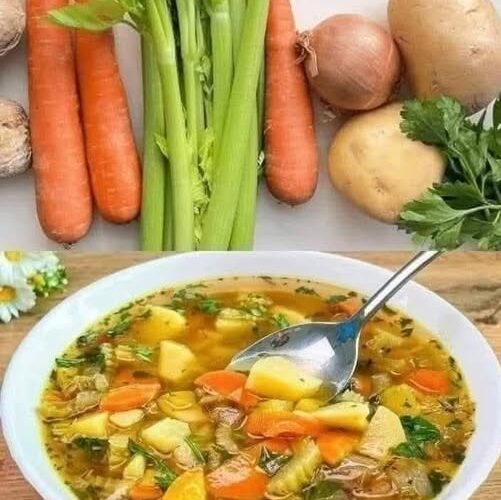
The Vegetable Soup
Introduction
The Vegetable Soup is one of the most wholesome, comforting, and nourishing dishes enjoyed around the world. Made with a colorful combination of fresh vegetables, aromatic herbs, and a flavorful broth, this classic soup is a perfect example of how simple ingredients can create an incredibly satisfying meal. Whether served as a light lunch, a hearty dinner starter, or a healthy meal during cold weather, vegetable soup remains a timeless favorite for families everywhere.
One of the reasons The Vegetable Soup has remained popular for generations is its incredible versatility. Almost every culture has its own version, using locally available vegetables, herbs, and seasonings. From rustic farmhouse kitchens to modern restaurants, vegetable soup continues to be appreciated for its simplicity, affordability, and nutritional value.
Unlike heavy cream-based soups, The Vegetable Soup is naturally light yet surprisingly filling. Every spoonful contains a variety of vegetables that contribute different textures, colors, and flavors. Carrots add natural sweetness, celery contributes freshness, potatoes provide heartiness, while tomatoes add richness and depth. Together, these ingredients create a balanced soup that feels both comforting and nourishing.
Another advantage of this recipe is its flexibility. You can easily adapt it based on seasonal produce, dietary needs, or personal preferences. Whether you’re trying to eat healthier, increase your vegetable intake, prepare a budget-friendly meal, or simply enjoy a warm bowl of comfort food, The Vegetable Soup is an excellent choice.
This recipe is perfect for busy weeknights, meal prep, family dinners, lunch boxes, cold winter evenings, recovery meals, or anytime you want something healthy and delicious. The aroma of vegetables slowly simmering in a flavorful broth creates a welcoming atmosphere that makes any kitchen feel warm and inviting.
The Vegetable Soup proves that healthy food does not have to be boring. With the right combination of vegetables, herbs, and seasonings, it becomes a deeply satisfying dish that can be enjoyed throughout the year.
About The Vegetable Soup
Vegetable soup has a long history dating back thousands of years. Ancient civilizations often simmered vegetables in water or broth to create nourishing meals using whatever ingredients were available. Over time, vegetable soup evolved into countless regional variations across Europe, Asia, the Middle East, and the Americas.
Traditional vegetable soups were often considered peasant food because they utilized inexpensive ingredients and reduced food waste. Leftover vegetables could easily be transformed into a hearty meal. Today, vegetable soup is appreciated not only for its affordability but also for its nutritional benefits and versatility.
Modern vegetable soup recipes range from simple clear-broth versions to hearty soups packed with beans, grains, and proteins. This recipe focuses on a classic homemade vegetable soup that highlights the natural flavors of fresh vegetables while remaining light, healthy, and comforting.
Yield
This recipe yields:
- 8 generous servings
- 10 smaller servings
- Perfect for family meals and meal prep
Preparation Time
- Preparation Time: 20 minutes
- Cooking Time: 45 minutes
- Simmering Time: 20 minutes
- Total Time: Approximately 1 hour 25 minutes
Ingredients
Main Ingredients
- 2 tablespoons olive oil
- 1 large onion, finely chopped
- 3 garlic cloves, minced
- 2 large carrots, diced
- 2 celery stalks, diced
- 2 medium potatoes, peeled and cubed
- 1 zucchini, diced
- 1 cup green beans, chopped
- 1 cup corn kernels
- 1 cup peas
- 1 red bell pepper, diced
- 1 can (14 ounces) diced tomatoes
- 8 cups vegetable broth
- 1 teaspoon salt
- ½ teaspoon black pepper
- 1 teaspoon dried oregano
- 1 teaspoon dried thyme
- 1 bay leaf
Optional Ingredients
- 1 cup cabbage, shredded
- 1 cup spinach
- 1 cup kale
- 1 can kidney beans
- 1 can chickpeas
- 1 cup pasta
- ½ cup barley
- ½ teaspoon chili flakes
- Fresh parsley
For Garnishing
- Fresh parsley
- Fresh basil
- Lemon wedges
- Cracked black pepper
- Grated Parmesan cheese
Equipment Required
- Large soup pot or Dutch oven
- Cutting board
- Sharp knife
- Measuring cups
- Measuring spoons
- Wooden spoon
- Ladle
- Serving bowls
Choosing the Best Vegetables
The quality of vegetables greatly influences the final flavor of The Vegetable Soup. Fresh vegetables provide better texture, color, and taste than older produce.
Choose firm carrots with bright color, crisp celery stalks, smooth potatoes without sprouts, and fresh bell peppers free from wrinkles. Seasonal vegetables often provide the best flavor and nutritional value.
A variety of vegetables creates a more balanced and visually appealing soup. Combining different colors also ensures a wider range of nutrients.
Preparing the Vegetables
Wash all vegetables thoroughly under cold running water.
Peel the carrots and potatoes if desired.
Dice the vegetables into uniform pieces so they cook evenly.
Keeping the vegetables roughly the same size ensures a consistent texture throughout the soup.
Prepare all ingredients before cooking to make the process smoother and more organized.
Step 1: Sauté the Aromatics
Heat olive oil in a large soup pot over medium heat.
Add the chopped onion and cook for 4 to 5 minutes until softened and translucent.
Add the minced garlic and stir for another minute.
The onions and garlic create the flavor foundation of the soup and should be cooked gently without browning excessively.
Step 2: Add the Hard Vegetables
Add the carrots, celery, and potatoes.
Cook for 5 to 7 minutes while stirring occasionally.
This step helps develop flavor and slightly softens the vegetables before simmering.
The vegetables will begin releasing their natural sweetness into the pot.
Step 3: Add Remaining Vegetables
Add zucchini, green beans, bell pepper, corn, and peas.
Stir well to combine.
The colorful mixture creates a beautiful base for the soup while contributing various textures and flavors.
Step 4: Add Tomatoes and Seasonings
Add diced tomatoes, salt, pepper, oregano, thyme, and bay leaf.
Mix thoroughly.
The tomatoes add richness and slight acidity that balances the sweetness of the vegetables.
The herbs provide warmth and aromatic depth.
Step 5: Pour in the Broth
Carefully pour in the vegetable broth.
Stir everything together.
Increase heat until the soup reaches a gentle boil.
Once boiling, reduce heat to low.
Step 6: Simmer the Soup
Cover partially and simmer for 35 to 45 minutes.
During this time, the vegetables become tender and the flavors blend beautifully.
Stir occasionally to prevent sticking.
The broth gradually develops a rich, savory flavor as the vegetables release their natural juices.
Step 7: Final Adjustments
Taste the soup.
Adjust seasoning if needed.
Add additional salt, pepper, or herbs according to preference.
Remove the bay leaf before serving.
If using spinach or kale, stir it in during the last 5 minutes of cooking.
Step 8: Serve
Ladle the hot soup into serving bowls.
Garnish with fresh parsley, basil, cracked black pepper, or a squeeze of lemon juice.
Serve immediately while hot.
Why This Recipe Works
The Vegetable Soup works because each ingredient contributes something unique. The onions and garlic provide a flavorful foundation, carrots add sweetness, celery brings freshness, potatoes create heartiness, tomatoes add richness, and herbs contribute aromatic depth.
Slow simmering allows all the flavors to blend together naturally, creating a balanced and comforting soup without requiring complicated techniques.
Tips for the Best Vegetable Soup
- Use homemade broth if possible
- Cut vegetables evenly
- Do not overcook delicate vegetables
- Simmer gently rather than boiling aggressively
- Taste and adjust seasoning before serving
- Add fresh herbs at the end for brighter flavor
- Use seasonal vegetables for best results
- Allow leftovers to rest overnight for even better flavor
Variations
Classic Garden Vegetable Soup
Use seasonal vegetables harvested from the garden for maximum freshness and flavor.
Hearty Bean Vegetable Soup
Add kidney beans, chickpeas, or cannellini beans for extra protein and texture.
Vegetable Noodle Soup
Add pasta or noodles during the final 10 minutes of cooking.
Spicy Vegetable Soup
Add chili flakes, cayenne pepper, or fresh chilies for heat.
Mediterranean Vegetable Soup
Add zucchini, chickpeas, spinach, and fresh basil for Mediterranean-inspired flavor.
Creamy Vegetable Soup
Blend part of the soup and stir it back into the pot for a thicker texture.
Winter Vegetable Soup
Use sweet potatoes, parsnips, squash, and cabbage for a hearty cold-weather version.
Nutritional Information
Approximate values per serving:
- Calories: 150–200
- Protein: 4–6g
- Carbohydrates: 25–30g
- Fat: 4–6g
- Fiber: 6–8g
- Vitamin A: High
- Vitamin C: High
- Potassium: Moderate to High
Nutritional values may vary depending on ingredients used.
Health Benefits
The Vegetable Soup is packed with vitamins, minerals, antioxidants, and fiber. The variety of vegetables supports overall health while providing essential nutrients.
The high fiber content promotes digestion and helps maintain fullness. The broth contributes hydration, while the vegetables provide natural vitamins and minerals that support immune function and general well-being.
Because it is naturally low in calories and rich in nutrients, vegetable soup is often included in healthy eating plans.
Common Mistakes
Overcooking the Vegetables
Cooking too long can cause vegetables to become mushy and lose their vibrant color.
Underseasoning
Vegetables require proper seasoning to achieve full flavor.
Using Too Little Broth
Insufficient broth can result in a stew-like consistency rather than a soup.
Boiling Too Aggressively
A gentle simmer preserves texture and flavor.
Skipping Aromatics
Onions and garlic are essential for building depth of flavor.
Storage Guidelines
Allow the soup to cool completely.
Store in airtight containers.
Refrigerate for up to 4 days.
The flavor often improves after a day as the ingredients continue to meld together.
Freezing Instructions
The Vegetable Soup freezes exceptionally well.
Allow it to cool completely.
Transfer to freezer-safe containers.
Leave some space for expansion.
Freeze for up to 3 months.
Thaw overnight in the refrigerator before reheating.
Reheating Instructions
Reheat gently on the stovetop over medium heat until warmed through.
Add a little broth or water if the soup has thickened during storage.
Avoid boiling vigorously during reheating.
Creative Uses for Leftover Soup
- Use as a sauce for rice
- Blend into a creamy vegetable puree
- Add cooked pasta for a new meal
- Use as a stew base
- Add beans for extra protein
- Serve over quinoa
- Incorporate into casseroles
- Use as a filling for savory pies
Serving Suggestions
The Vegetable Soup pairs beautifully with:
- Crusty bread
- Garlic bread
- Dinner rolls
- Grilled cheese sandwiches
- Fresh salads
- Baked potatoes
- Rice dishes
For a complete meal, serve alongside a fresh green salad and warm bread.