admin1
Strawberry Kiwi Smoothie Recipe: A Refreshing, Creamy, Sweet and Tangy Fruit Drink
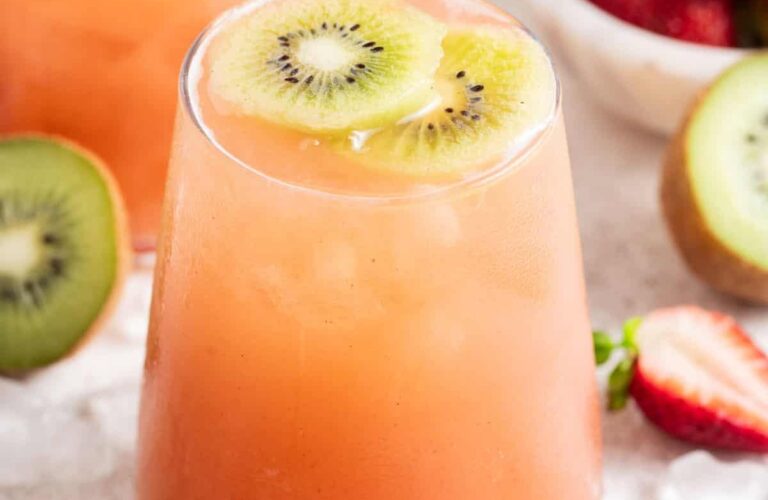
A strawberry kiwi smoothie is a delicious, refreshing fruit drink made with juicy strawberries, ripe kiwi fruit, and a creamy, fruity base. Its beautiful peachy-pink color, naturally sweet flavor, and refreshing tropical taste make it a wonderful choice for breakfast, an afternoon snack, or a cool drink on a warm day. Inspired by the smoothie in the picture, this recipe combines strawberries and kiwi to create a smooth, lightly tangy drink with a creamy texture and a fresh fruit flavor in every sip.
The combination of strawberries and kiwi is especially delightful because the two fruits complement each other so well. Strawberries provide a sweet, fragrant berry flavor, while kiwi adds a bright, slightly tart taste that keeps the smoothie from becoming overly sweet. When blended with yogurt, milk, and a little honey, the fruits create a silky drink that tastes like a refreshing fruit dessert.
One of the best things about this strawberry kiwi smoothie is its versatility. You can prepare it with dairy milk, oat milk, almond milk, or another milk of your choice. You can make it thicker by adding frozen fruit, lighter by using extra milk, or more filling by including yogurt and oats. The recipe is also easy to customize according to your preferred sweetness and consistency.
Whether you are making a quick breakfast, preparing a refreshing drink for your family, or looking for a colorful homemade beverage to serve with a snack, this strawberry kiwi smoothie is an excellent option. With a few simple ingredients and a blender, you can prepare a delicious drink in just a few minutes.
Recipe Overview
Recipe name: Strawberry Kiwi Smoothie
Preparation time: 10 minutes
Blending time: 2–3 minutes
Total time: Approximately 12–13 minutes
Servings: 2 generous glasses
Difficulty level: Easy
Course: Breakfast, snack, or refreshing beverage
Main ingredients: Strawberries, kiwi fruit, yogurt, and milk
Texture: Smooth, creamy, and lightly frothy
Flavor: Sweet, fruity, refreshing, and slightly tangy
Serving temperature: Chilled
Ingredients for the Perfect Strawberry Kiwi Smoothie
The following ingredients create a creamy, refreshing smoothie inspired by the drink shown in the picture. The quantities can be adjusted according to the sweetness of your fruit and your preferred thickness.
Fresh strawberries
Use 1 cup of fresh strawberries, approximately 150 grams, with their green tops removed. Choose strawberries that are ripe, fragrant, and naturally sweet. Fresh strawberries give the smoothie its beautiful pink color and characteristic berry flavor.
Before using them, rinse the strawberries under cool running water and gently pat them dry. Remove the green leaves and cut larger strawberries into halves or quarters so they blend easily.
If your strawberries are slightly tart, you may need a little additional honey. If they are very sweet, you can reduce the sweetener or leave it out completely.
Frozen strawberries are also suitable. They make the smoothie colder and thicker without requiring as much ice.
Ripe kiwi fruit
Use 2 medium ripe kiwi fruits. Kiwi adds a refreshing tropical flavor and a gentle tartness that balances the sweetness of strawberries.
Choose kiwi fruits that yield slightly when gently pressed. Very firm kiwi fruits may taste sour, while overly soft fruit may have a fermented flavor.
Peel the kiwi using a vegetable peeler or a small knife. Cut the flesh into chunks before blending. You can reserve a few thin slices to decorate the finished glasses.
Kiwi contains tiny edible black seeds that naturally blend into the drink. They contribute to the fruit’s characteristic appearance without needing to be removed.
Plain yogurt
Add ½ cup of plain yogurt for a creamy consistency and a pleasantly tangy flavor.
Regular plain yogurt works well, while Greek yogurt creates a thicker, richer smoothie. Choose unsweetened yogurt if you want greater control over the final sweetness.
If you prefer a dairy-free drink, use coconut yogurt, soy yogurt, or another suitable plant-based alternative.
Milk
Use ½ to ¾ cup of cold milk, depending on how thick you want the smoothie to be.
Whole milk produces a rich, creamy result. Low-fat milk gives a lighter texture, while oat milk contributes a mild sweetness. Almond milk works well when you want a delicate nutty flavor, and soy milk provides another creamy alternative.
Start with ½ cup and add more gradually if the mixture becomes too thick during blending.
Honey or maple syrup
Add 1–2 teaspoons of honey or maple syrup if needed.
The amount of sweetener depends on the ripeness of your strawberries and kiwi. Since both fruits contain natural sugars, taste the smoothie before adding the full quantity.
For a vegan version, choose maple syrup or another suitable plant-based sweetener.
Ice cubes
Use ½ cup of ice cubes if you are working with fresh fruit and want a chilled drink.
Ice is optional when using frozen strawberries. Too much ice can dilute the fruit flavor, so use only enough to reach your desired temperature and consistency.
Fresh lemon juice
Add 1 teaspoon of fresh lemon juice if you enjoy a brighter, more citrusy flavor.
Lemon juice enhances the fruitiness of the strawberries and kiwi. However, because kiwi is naturally tangy, you can leave the lemon juice out if you prefer a milder smoothie.
Optional vanilla extract
Add ¼ teaspoon of vanilla extract for a soft, dessert-like aroma.
Vanilla is not essential, but it works particularly well when the smoothie contains yogurt and milk.
Equipment Needed
You only need a few basic kitchen tools to prepare this smoothie.
A blender is the most important piece of equipment because it breaks down the strawberries and kiwi into a smooth mixture. A high-powered blender produces an especially silky texture, although an ordinary household blender works well when the fruit is cut into small pieces.
You will also need a chopping board, a small knife, a vegetable peeler, measuring cups, measuring spoons, and two serving glasses.
A long spoon can help you scrape down the sides of the blender if pieces of fruit stick above the liquid level. A small spatula is useful for transferring every last bit of the smoothie into the glasses.
If you want to make the presentation resemble the photograph, prepare a few thin kiwi slices and strawberry halves before blending. These can be used to decorate the glasses immediately before serving.
Instructions for Making Strawberry Kiwi Smoothie
Step 1: Prepare the strawberries
Begin by washing the strawberries thoroughly under cool running water. Handle them gently because ripe strawberries can become bruised when squeezed too firmly.
Remove the green leaves and inspect the fruit. Discard any strawberries that show signs of mold or spoilage.
Place the strawberries on a chopping board and cut them into smaller pieces. Small pieces blend more easily and help prevent larger fruit chunks from remaining in the finished drink.
If you are using frozen strawberries, allow them to sit for a few minutes if they are extremely hard. You do not need to thaw them completely.
Transfer the prepared strawberries to a clean bowl and set them aside.
Step 2: Peel and cut the kiwi
Wash the outside of the kiwi fruit before peeling it. This helps prevent dirt from the skin from transferring to the edible flesh.
Cut off both ends and remove the skin with a vegetable peeler or a small knife.
Slice each kiwi into rounds, then cut the rounds into smaller chunks. Reserve two or three thin slices if you want to decorate the smoothie glasses.
Examine the fruit as you cut it. Ripe kiwi should have a fresh, pleasant smell and a juicy texture.
Place the kiwi pieces in the bowl with the strawberries.
Step 3: Add the milk to the blender
Pour ½ cup of cold milk into the blender jug first.
Adding liquid before the fruit can help the blades circulate the ingredients more efficiently, especially in smaller blenders.
If you prefer a thinner smoothie, you can increase the milk quantity later. It is better to start with less milk because adding extra liquid is easier than correcting a smoothie that has become too watery.
Step 4: Add the yogurt
Add ½ cup of plain yogurt to the blender.
The yogurt gives the smoothie its creamy consistency and balances the bright flavors of the fruit.
If you are using Greek yogurt, the mixture may become particularly thick. This is perfectly fine, especially if you enjoy smoothies that resemble a drinkable fruit dessert.
For a lighter smoothie, use regular plain yogurt and increase the milk slightly if necessary.
Step 5: Add the strawberries and kiwi
Place the prepared strawberries and kiwi pieces into the blender.
Spread the fruit around the yogurt rather than pressing everything tightly into one corner. This helps the mixture blend evenly.
If you are using frozen strawberries, add them at this stage. They help chill the drink and create a thicker texture.
Step 6: Add the sweetener and optional flavorings
Add 1 teaspoon of honey or maple syrup to begin with.
If you enjoy a slightly sweeter smoothie, you can add more after blending and tasting.
Add the lemon juice if desired. For a dessert-like flavor, include the vanilla extract as well.
Avoid adding too much sweetener immediately. The fruit may already provide enough sweetness, and the natural tartness of kiwi is an important part of this smoothie’s refreshing character.
Step 7: Add ice if needed
If you are using fresh strawberries and want a cold smoothie, add approximately ½ cup of ice cubes.
For a thicker drink, use frozen strawberries and reduce or omit the ice.
Remember that ice melts as the smoothie stands, so a large quantity can gradually weaken the flavor.
Step 8: Begin blending slowly
Secure the blender lid and begin blending at a low speed.
Blend for approximately 15–20 seconds, allowing the larger pieces of fruit to break apart.
Starting slowly helps prevent ingredients from collecting above the blades and makes it easier for the liquid to circulate.
If your blender has a smoothie setting, you can use it according to the manufacturer’s instructions.
Step 9: Increase the blending speed
Increase the blender speed to medium or high and continue blending for another 30–60 seconds.
The strawberries should break down completely, and the kiwi should become evenly distributed throughout the mixture.
Watch the consistency as the fruit blends. If the mixture looks too thick to move freely, stop the blender and add another tablespoon or two of milk.
Never reach into a blender while the blades are moving. If you need to scrape down the sides, switch off the blender and wait until the blades have stopped completely.
Step 10: Check the texture
After blending, examine the smoothie.
It should look creamy, uniform, and pourable, with a beautiful pink-orange color similar to the drink shown in the picture.
If you can still see large pieces of fruit, blend for another 10–15 seconds.
If the smoothie is too thick, add milk one tablespoon at a time. Blend briefly after each addition until the drink reaches the desired consistency.
If it is too thin, add a few frozen strawberries or a little more yogurt and blend again.
Step 11: Taste and adjust the flavor
Pour a small amount into a spoon and taste it carefully.
If the drink is too tart, add a little honey or maple syrup. If it is too sweet, a small amount of plain yogurt or a little extra kiwi can provide additional tanginess.
If the flavor seems too mild, make sure the fruit is ripe and flavorful. A small amount of lemon juice may also brighten the taste.
Adjust the smoothie gradually. Small changes are usually enough to create a balanced flavor.
Step 12: Prepare the serving glasses
Choose two clean glasses with enough space at the top for fruit garnishes.
For an attractive presentation, chill the glasses in the refrigerator for a few minutes before serving.
If you want the kiwi slices to sit visibly on top, cut them into thin, even rounds. You can also reserve a strawberry half for the rim of each glass.
Keep the decoration simple so the beautiful natural color of the smoothie remains the main feature.
Step 13: Pour the smoothie
Pour the freshly blended smoothie slowly into the prepared glasses.
If the mixture is thick, use a spatula to guide it from the blender jug.
Tap the glasses gently against a folded kitchen towel if you notice large air bubbles. This can help the surface settle.
Leave a little space at the top of each glass for the fruit garnish.
Step 14: Add the kiwi garnish
Place one or two thin kiwi slices on the surface of each smoothie.
The kiwi’s green flesh and tiny black seeds create an attractive contrast against the pink-orange drink.
For a different presentation, attach a thin kiwi slice to the inside of each glass before pouring. Press it gently against the glass wall and then add the smoothie carefully.
You can also add a small strawberry slice beside the kiwi.
Step 15: Serve immediately
Serve the strawberry kiwi smoothie as soon as possible after blending.
Freshly prepared smoothies have the best texture, brightest flavor, and most appealing appearance. Over time, the fruit mixture may separate slightly, and the ice may melt.
If separation occurs, simply stir the drink or blend it briefly again before serving.
Enjoy the smoothie on its own, with breakfast, or alongside a light snack.
What Makes This Strawberry Kiwi Smoothie So Delicious?
The secret to a delicious strawberry kiwi smoothie is the balance between fruit sweetness, refreshing acidity, and creamy texture.
Strawberries bring a soft, sweet berry flavor that forms the foundation of the drink. When ripe strawberries are used, their natural fragrance makes the smoothie taste fresh and fruity without requiring a large amount of added sweetener.
Kiwi adds a different dimension. Its slightly tart taste prevents the strawberry flavor from becoming one-dimensional and gives the smoothie a refreshing finish.
Yogurt provides body and creaminess. It also contributes a mild tang that works naturally with both fruits. Milk loosens the mixture enough to make it easy to pour and drink.
When the ingredients are blended thoroughly, the result is a smooth, cohesive beverage rather than a mixture of separate fruit flavors. The strawberry flavor appears first, followed by the bright taste of kiwi and the gentle creaminess of the yogurt.
The optional vanilla extract adds warmth, while lemon juice makes the fruit taste brighter. However, the best version is the one that suits your preferences, so feel free to keep the recipe simple.
How to Achieve the Beautiful Pink-Orange Color
The smoothie shown in the photograph has a soft pink-orange appearance rather than a deep red color. You can achieve a similar result by adjusting the fruit proportions and the amount of yogurt and milk.
Use ripe red strawberries for the main fruit flavor, then add golden-green kiwi if available. Yellow-fleshed kiwi may produce a warmer color than green kiwi, although either variety can be used.
The dairy ingredients soften the intensity of the fruit colors and give the drink its creamy appearance.
Avoid adding too much green kiwi if you want a predominantly peachy-pink smoothie, because green fruit can create a less vibrant shade when blended with red strawberries.
The exact color will depend on the fruit varieties, their ripeness, and the lighting in which the drink is served.
For the most attractive presentation, use clear glasses and garnish with fresh kiwi slices. The contrast between the creamy smoothie and the bright green kiwi makes the drink look fresh and inviting.
Tips for the Creamiest Strawberry Kiwi Smoothie
Use ripe fruit whenever possible. Ripe strawberries provide better sweetness, while ripe kiwi contributes a more balanced flavor. Unripe fruit may create a sour smoothie that requires additional sweetener.
Use cold ingredients. Chilled milk and yogurt help keep the drink cool, while frozen strawberries create a thicker consistency.
Add liquid gradually. Starting with a smaller quantity of milk allows you to control the thickness without making the smoothie watery.
Blend long enough to break down the fruit completely. A smooth texture is especially important when using kiwi, because the fruit should be evenly incorporated throughout the drink.
Do not add excessive ice. Too much ice can dilute the fruit flavor as it melts. Frozen strawberries are an excellent alternative when you want a cold, thick drink.
Taste before sweetening further. The natural sweetness of fruit varies, so the same recipe may need different amounts of honey on different occasions.
Serve immediately. Freshly blended smoothies are generally more appealing in both texture and flavor.
How to Make the Smoothie Thicker
If you prefer a thick smoothie that almost resembles a milkshake, there are several simple adjustments you can make.
The easiest method is to use frozen strawberries instead of fresh ones. Frozen fruit cools the mixture and gives it a thicker texture without adding extra liquid.
You can also increase the yogurt to ¾ cup. Greek yogurt is particularly effective because of its thick consistency.
Another option is to reduce the milk to ⅓–½ cup and add more only when necessary.
For a breakfast smoothie, a small amount of rolled oats can also thicken the mixture. Begin with 1–2 tablespoons and blend thoroughly. The oats will create a more substantial texture and slightly change the flavor.
If you are using fresh kiwi and strawberries, chill them in the freezer for a short period before blending. They should be cold or partially frozen rather than completely solid if your blender is not designed to crush hard frozen ingredients.
Avoid trying to thicken the drink by adding excessive quantities of ice. Although ice initially creates thickness, it can dilute the flavor as it melts.
How to Make the Smoothie Lighter
For a lighter, more fluid drink, reduce the yogurt to ¼ cup and increase the milk to approximately ¾–1 cup.
You can also leave out the yogurt completely and use additional milk or a suitable plant-based alternative.
If the fruit is naturally sweet, omit the honey or maple syrup.
Using fresh fruit instead of frozen fruit will also create a less icy texture, particularly when you do not add ice cubes.
Remember that a lighter smoothie will have a different consistency from the creamy drink in the picture. However, it can still be refreshing and full of fruit flavor.
Delicious Variations to Try
Strawberry Kiwi Banana Smoothie
Add ½ ripe banana to the original recipe.
Banana creates a naturally creamy consistency and softens the tartness of kiwi. It also adds a mild sweetness, which means you may not need any additional honey.
Use frozen banana slices if you want a thicker smoothie.
This variation is particularly suitable for breakfast because the banana makes the drink more substantial.
Strawberry Kiwi Mango Smoothie
Replace half the strawberries with ½ cup of ripe mango pieces.
Mango adds a tropical sweetness and a smooth texture that complements the kiwi. The finished drink will usually have a warmer orange-pink color.
This variation works particularly well during warm weather when you want a refreshing fruit beverage.
Strawberry Kiwi Yogurt Smoothie
Increase the yogurt to ¾ cup and reduce the milk to ⅓–½ cup.
This creates a thick, creamy drink with a more noticeable yogurt flavor.
Greek yogurt is a good choice if you want a particularly rich consistency. Add milk slowly until the smoothie becomes easy to pour.
Strawberry Kiwi Coconut Smoothie
Use coconut milk or a suitable coconut-based beverage instead of dairy milk.
You can also add 1–2 tablespoons of coconut yogurt for extra creaminess.
Coconut gives the smoothie a tropical aroma that pairs well with kiwi. Use an unsweetened coconut beverage if you want to keep the fruit flavor prominent.
Strawberry Kiwi Oat Smoothie
Add 2 tablespoons of rolled oats before blending.
For a smoother texture, you can blend the oats with the milk first, then add the fruit and yogurt.
This version has a slightly thicker consistency and a mild cereal flavor. It can be a convenient breakfast option when you want a drink that feels more substantial than a simple fruit smoothie.
Strawberry Kiwi Apple Smoothie
Add ½ small peeled apple, chopped into pieces.
Apple contributes a mild sweetness and a fresh fruit flavor. Because apple can make the mixture slightly less creamy, keep the yogurt in the recipe.
If your blender struggles with firm fruit, cut the apple into small pieces before blending.
Strawberry Kiwi Pineapple Smoothie
Add ½ cup of pineapple chunks and reduce the strawberries to ¾ cup.
Pineapple creates a bright tropical flavor and pairs naturally with kiwi. This version is especially refreshing when served well chilled.
Fresh pineapple can be quite acidic, so taste the drink before adding lemon juice.
Strawberry Kiwi Smoothie Without Yogurt
Leave out the yogurt and use approximately ¾–1 cup of milk.
The resulting drink will be thinner and have a stronger fruit flavor.
For a dairy-free version, use oat milk, soy milk, or another plant-based beverage. You can include a few frozen strawberries to create a thicker texture without yogurt.
Strawberry Kiwi Smoothie Without Added Sugar
Use ripe strawberries and kiwi, along with plain unsweetened yogurt and milk.
Simply omit the honey or maple syrup.
The drink will still contain naturally occurring sugars from the fruit and milk, but it will have no added sweetener. If the fruit is not particularly ripe, the smoothie may taste more tart.
Frozen Strawberry Kiwi Smoothie
Replace the fresh strawberries with 1½ cups of frozen strawberries.
Reduce the ice or leave it out entirely. Begin with ½ cup of milk and increase it gradually as needed.
Blend in short intervals if your blender requires it, allowing the frozen fruit to break down evenly.
This version is especially useful when fresh strawberries are unavailable or when you want a thicker smoothie.
How to Make a Dairy-Free Strawberry Kiwi Smoothie
A dairy-free version is easy to prepare and can be just as creamy as the original.
Replace the regular yogurt with unsweetened coconut yogurt, soy yogurt, or another plant-based yogurt.
Use oat milk, soy milk, almond milk, or coconut beverage instead of dairy milk.
Oat milk often produces a naturally smooth texture and a mild sweetness. Almond milk has a lighter flavor, while coconut-based options add a tropical note.
Blend the ingredients using the same method as the original recipe. Start with a small quantity of milk and add more until the smoothie reaches your preferred consistency.
If you are using a sweetened plant-based yogurt, taste the mixture before adding honey or maple syrup.
How to Make a Breakfast Strawberry Kiwi Smoothie
To turn this fruit drink into a more substantial breakfast, include ingredients that provide additional protein, fiber, or energy.
You can add 2 tablespoons of rolled oats for extra fiber and a thicker consistency.
A little additional plain yogurt can increase the protein content, depending on the type of yogurt you choose.
Milk or fortified soy milk can contribute protein and other nutrients. If you use a plant-based beverage, check its nutrition label because protein levels vary considerably between products.
You can also serve the smoothie alongside toast, eggs, oatmeal, or another breakfast food.
Although smoothies are convenient, a drink made only from fruit and liquid may not keep everyone satisfied for long. Pairing it with other foods can help make breakfast more balanced.
Health and Nutrition Benefits of the Ingredients
Strawberries, kiwi, yogurt, and milk each contribute different nutrients to this smoothie.
Strawberries provide vitamin C, fiber, and naturally occurring plant compounds. They also add flavor and color without requiring much preparation.
Kiwi is a source of vitamin C and fiber. It contributes a refreshing flavor and helps make the drink taste bright and fruity.
Yogurt can provide protein and calcium, although the exact amounts depend on the variety and brand. Yogurt with live cultures may also contain beneficial microorganisms.
Milk contributes fluid, protein, and calcium. Fortified plant-based beverages can provide some similar nutrients, but their composition depends on the product.
The overall nutritional value of the smoothie depends on the quantities used, the type of milk and yogurt, and whether additional sweeteners are included.
No single smoothie provides every nutrient a person needs. This recipe can be enjoyed as one part of a varied and balanced diet.
Estimated Nutrition Information
The following figures are approximate for one serving when the recipe makes two servings using strawberries, two medium kiwi fruits, plain yogurt, whole milk, and a small amount of honey.
| Nutrient | Approximate amount per serving |
|---|---|
| Calories | 180–240 |
| Protein | 5–8 g |
| Carbohydrates | 30–40 g |
| Fat | 3–7 g |
| Fiber | 4–6 g |
| Vitamin C | Varies with fruit size and ripeness |
| Calcium | Depends on milk and yogurt |
These values are estimates rather than laboratory-tested figures. Actual nutrition information will vary with ingredient brands, fruit sizes, serving quantities, and the amount of sweetener used.
Common Mistakes to Avoid
Adding too much milk at the beginning
Too much milk can make the smoothie thin and reduce the intensity of the fruit flavor.
Start with ½ cup and add more only if necessary. This approach gives you greater control over the final texture.
Using underripe kiwi
Underripe kiwi can taste noticeably sour and firm. Since the smoothie depends on the balance between sweetness and acidity, very unripe fruit may make the final drink less enjoyable.
Choose kiwi that is slightly soft when gently pressed.
Adding too much sweetener
The strawberries and kiwi already provide natural sweetness. Adding a large amount of honey or syrup before tasting can overpower the fruit.
Blend first, taste, and then sweeten gradually.
Using too much ice
Excessive ice may make the smoothie watery as it melts.
For a thick drink, frozen strawberries are often more effective than adding lots of ice cubes.
Not blending long enough
Large pieces of strawberry or kiwi can affect the smooth texture.
Blend until the mixture looks uniform, pausing to scrape down the sides if necessary.
Preparing the smoothie too far in advance
The drink is best immediately after blending. If left standing, it may separate, lose some of its fresh texture, or become diluted if ice was used.
Prepare it close to serving time whenever possible.
How to Store Leftover Strawberry Kiwi Smoothie
Freshly blended smoothies are best enjoyed immediately, but you can refrigerate leftovers if necessary.
Transfer the smoothie to a clean, airtight container and place it in the refrigerator promptly. For the best quality, consume it within 24 hours.
Some separation may occur during storage. This is normal for many homemade fruit drinks and does not automatically mean the smoothie has spoiled.
Shake the closed container or stir the drink before serving. If needed, blend it briefly to restore a more uniform texture.
Do not leave the smoothie at room temperature for extended periods. Discard it if it has been stored improperly or develops an unusual smell, appearance, or texture.
If you want to prepare smoothie portions in advance, you can freeze measured portions of the fruit. Wash, peel, and cut the ingredients as appropriate, then freeze them in a suitable container. When you are ready to make the drink, blend the frozen fruit with fresh yogurt and milk.
Freezing the prepared smoothie is also possible, although the texture may change slightly after thawing.
Frequently Asked Questions
Can I make a strawberry kiwi smoothie without a blender?
A blender gives the smoothest result, but you can make a rougher version without one.
Mash the ripe strawberries and kiwi thoroughly with a fork, then stir in the yogurt and milk. The texture will be more like a fruit drink with pulp rather than a completely smooth smoothie.
A hand blender may also work if the ingredients are placed in a suitable tall container.
Can I use frozen kiwi?
Yes. Frozen kiwi can be used, especially when it has been peeled and cut into pieces before freezing.
Frozen fruit may make the mixture thicker, so add milk gradually until the smoothie becomes pourable.
Which milk is best for this recipe?
Whole milk produces a creamy, mild flavor. Oat milk adds a gentle sweetness, almond milk creates a lighter drink, and soy milk is another useful option.
The best choice depends on your preferred taste, dietary needs, and desired consistency.
Is Greek yogurt suitable?
Yes. Greek yogurt creates a thicker smoothie and adds protein, depending on the product.
Because it is thicker than regular yogurt, you may need slightly more milk to achieve the consistency shown in the picture.
Can I leave out the honey?
Absolutely. Start with ripe fruit and taste the smoothie before adding any sweetener.
If the strawberries are naturally sweet, you may not need honey at all.
Why does my smoothie taste sour?
The kiwi may be underripe, the strawberries may be tart, or the fruit-to-yogurt balance may be too acidic for your taste.
Try adding a little more ripe strawberry, a small amount of banana, or a teaspoon of honey. Adjust gradually until the flavor becomes balanced.
Why is my smoothie too thin?
You may have added too much milk, or the ice may have melted.
Add frozen strawberries or a little more yogurt, then blend again. Next time, begin with less liquid and increase it gradually.
Can children enjoy this smoothie?
This smoothie can be served as an ordinary fruit drink for children who can safely consume its ingredients. Adjust the texture and tartness to their preferences, and check for any relevant food allergies.
Can I prepare it the night before?
You can prepare it in advance, but the texture and color are generally best when freshly blended.
If you need to make it ahead, refrigerate it promptly in a covered container and stir or shake it before drinking.
Can I make this smoothie with water instead of milk?
Yes. Water creates a lighter, less creamy drink that allows the fruit flavors to stand out.
Begin with a small quantity of cold water and add more as needed. If you want to retain some creaminess, keep a little yogurt in the recipe.
Serving Suggestions
Strawberry kiwi smoothie pairs well with a variety of breakfast foods and snacks.
Serve it alongside toast, scrambled eggs, oatmeal, or a simple breakfast sandwich. The fruit’s sweetness and acidity complement savory foods particularly well.
For an afternoon snack, enjoy it with crackers, a sandwich, or a small bowl of yogurt and fruit.
If you are serving the smoothie to guests, pour it into clear glasses and garnish each one with a thin kiwi slice and a strawberry half. Chilled glasses help maintain the refreshing temperature.
For a more elaborate presentation, place a few small pieces of fresh fruit on a plate beside the glasses. Keep the garnish edible and simple, allowing the drink’s natural color to remain the main attraction.
Final Recipe Summary
This strawberry kiwi smoothie is a simple homemade beverage that combines the sweetness of strawberries, the refreshing tang of kiwi, and the creamy texture of yogurt and milk. It requires only a few everyday ingredients, minimal preparation, and a blender.
The most important techniques are to choose ripe fruit, begin with a modest quantity of milk, blend thoroughly, and taste before adding extra sweetener. Frozen strawberries can create a thicker texture, while additional milk produces a lighter drink.
For a smoothie that resembles the photograph, use ripe strawberries, kiwi, plain yogurt, cold milk, and just enough sweetener to balance the fruit. Garnish the finished drink with thin kiwi slices and serve immediately.
The result is a colorful, creamy, refreshing smoothie that is easy to customize and enjoyable at breakfast, during an afternoon break, or whenever you want a delicious homemade fruit drink.