admin1
Cinnamon Apple Cake: The Ultimate Homemade Recipe for a Moist, Soft, and Flavorful Dessert
Cinnamon apple cake is a wonderfully comforting homemade dessert that combines tender pieces of fresh apple, fragrant ground cinnamon, a soft and moist cake crumb, and a beautifully golden-brown crust. Every slice offers a delicious balance of sweet apples, warm spices, and rich cake flavor, making it a perfect treat for breakfast, afternoon tea, family gatherings, holiday celebrations, or a simple dessert after dinner.
This classic apple cake is especially appealing because it does not require complicated baking techniques or expensive ingredients. Fresh apples provide natural sweetness and moisture, while cinnamon adds a warm, aromatic flavor that makes the entire kitchen smell incredible as the cake bakes. The top develops a lightly crisp, caramelized finish, while the inside stays tender and filled with little pieces of soft, cinnamon-coated apple.
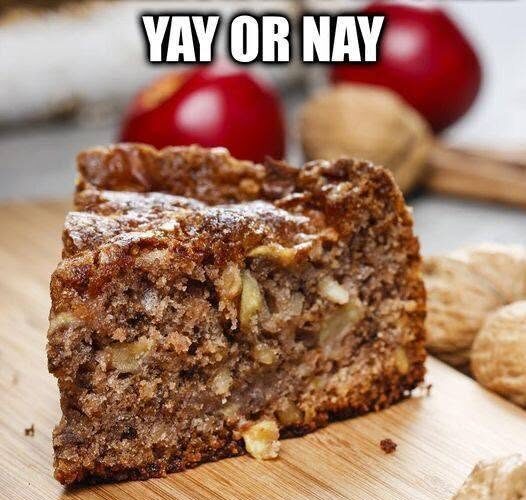
The cake shown in the picture has a rustic homemade appearance, with visible apple pieces throughout the crumb and a beautifully browned surface. You can recreate a similar cake at home using ordinary pantry ingredients, fresh apples, butter or oil, eggs, flour, sugar, and cinnamon. A light dusting of powdered sugar gives the finished cake an attractive bakery-style appearance without making it overly sweet.
One of the best things about cinnamon apple cake is its versatility. You can serve it warm straight from the oven, enjoy it at room temperature, or refrigerate it and serve it chilled. It tastes wonderful on its own, but it can also be paired with vanilla ice cream, whipped cream, custard, or a simple cup of tea or coffee.
What Makes Cinnamon Apple Cake So Special?
Cinnamon apple cake is different from many ordinary cakes because the fruit contributes both flavor and texture. Instead of relying entirely on frosting or sugary toppings, this cake gets much of its character from the apples baked directly into the batter.
As the cake bakes, the apples gradually soften and release some of their natural juices. Their flavor blends with the cinnamon, sugar, and butter, creating little pockets of sweetness throughout every slice. The surrounding cake absorbs some of this moisture, helping the finished dessert remain tender and flavorful.
Cinnamon also plays an important role. Its warm, slightly sweet aroma complements the natural tartness of apples and creates the familiar flavor associated with autumn baking. Even a modest amount of cinnamon can make the cake taste rich and inviting.
The texture is another reason this recipe is so enjoyable. The outside becomes golden and slightly firm, while the middle remains soft and moist. Depending on the apple variety and how finely you chop the fruit, you may notice tender apple chunks in some bites and a softer, almost pudding-like texture in others.
Unlike elaborate layer cakes, cinnamon apple cake does not need frosting, piping, or decorative finishing. Its natural appearance is part of its charm. A simple coating of powdered sugar or a spoonful of lightly sweetened cream is more than enough to make it feel special.
Preparation Time and Serving Information
Preparation time: 20–25 minutes
Baking time: 40–55 minutes
Cooling time: 20–30 minutes
Total time: Approximately 1 hour and 30 minutes
Servings: 10–12 slices
Difficulty level: Easy to moderate
Recommended pan: One 9-inch round cake pan or an 8-inch square baking pan
Oven temperature: 350°F (175°C)
The exact baking time depends on your oven, the depth of the pan, and the amount of moisture in the apples. A deeper pan may require additional baking time, so always check the center of the cake before removing it from the oven.
Ingredients for the Perfect Cinnamon Apple Cake
The following ingredients create a moist, flavorful cake with a generous amount of apple throughout the batter.
For the Cake Batter
2 cups all-purpose flour, approximately 250 grams
3 medium apples, peeled if desired, cored, and chopped into small pieces
3/4 cup granulated sugar, approximately 150 grams
1/2 cup unsalted butter, softened, approximately 113 grams
2 large eggs, at room temperature
1/2 cup milk, approximately 120 milliliters
2 teaspoons ground cinnamon
2 teaspoons baking powder
1 teaspoon vanilla extract
1/4 teaspoon salt
1 tablespoon lemon juice
1 tablespoon all-purpose flour for coating the apples, if needed
For the Cinnamon Sugar Mixture
2 tablespoons granulated sugar
1 teaspoon ground cinnamon
For the Optional Topping
1–2 tablespoons powdered sugar
1 tablespoon melted butter, optional
A small pinch of ground cinnamon, optional
The optional topping is simple but effective. Powdered sugar gives the cake an elegant finish, while a little melted butter brushed over the warm surface can create a richer flavor. You do not need to use both, and the cake is delicious even without any topping.
Choosing the Best Apples for Baking
Selecting the right apples is one of the most important steps in making a successful cinnamon apple cake. Different apple varieties have different levels of sweetness, acidity, firmness, and moisture. Some become soft and tender during baking, while others retain more of their shape.
Granny Smith apples are an excellent choice if you enjoy a slightly tart cake. Their refreshing acidity balances the sugar and cinnamon, and their firm texture helps prevent the fruit from becoming completely mushy.
Honeycrisp apples are another wonderful option. They offer a naturally sweet flavor with a pleasant hint of tartness. Their juicy flesh works well in cakes, particularly when you want noticeable pieces of apple throughout each slice.
Fuji apples are sweeter and have a firm texture, making them suitable for a dessert that does not need an especially strong tart flavor. Gala apples are also useful because of their mild sweetness and widely available nature.
For the best overall flavor, you can combine two varieties. For example, Granny Smith and Honeycrisp create a balanced mixture of tartness and sweetness. Fuji and Granny Smith are another good pairing.
Avoid using apples that are excessively soft, bruised, or beginning to spoil. Fresh, firm fruit generally produces the best results.
You can peel the apples for a smoother cake texture, or leave the skin on if you prefer a more rustic result. Peeling is usually recommended when you want the tender, uniform texture visible in traditional homemade apple cakes.
Equipment You Will Need
Before beginning, gather the equipment so that the preparation process remains simple and organized.
You will need a mixing bowl for the dry ingredients, another bowl for the wet ingredients, a whisk or electric mixer, a rubber spatula, a sharp kitchen knife, a cutting board, measuring cups or a kitchen scale, and a cake pan.
Parchment paper is helpful because it makes removing the finished cake easier. You can also grease the pan with butter or neutral cooking oil and lightly dust it with flour.
A toothpick or thin wooden skewer is useful for checking whether the cake has finished baking. An oven thermometer can also help if your oven tends to run hotter or cooler than the temperature shown on its display.
Step 1: Prepare the Oven and Cake Pan
Begin by preheating your oven to 350°F (175°C). Allow enough time for the oven to reach the correct temperature before placing the cake inside.
Preparing the oven in advance is important because cake batter should generally be baked soon after the baking powder is mixed with the wet ingredients. If the batter sits for too long, some of its rising power may be lost.
Choose a 9-inch round cake pan or an 8-inch square baking pan. If you are using a different size, remember that the depth of the batter will affect the baking time.
Grease the inside of the pan with a thin layer of butter or oil. Pay particular attention to the bottom edges, where cake batter can sometimes stick.
For extra convenience, line the bottom with a circle or square of parchment paper. Lightly grease the parchment as well.
If you prefer a cake with straight, clean edges, take a moment to distribute the grease evenly. A properly prepared pan allows the cake to release without tearing its sides or leaving a large portion attached to the bottom.
Set the pan aside while you prepare the ingredients.
Step 2: Prepare the Apples
Wash the apples thoroughly under clean running water. Dry them with a kitchen towel before cutting.
Peel the apples if you prefer a soft, uniform texture. Remove the cores and seeds, then cut the fruit into small cubes approximately 1/4 inch to 1/2 inch in size.
Try to keep the pieces reasonably similar in size. Smaller pieces distribute more evenly throughout the batter, while very large chunks may create wet pockets or make individual slices difficult to cut neatly.
Place the chopped apples in a bowl and add the lemon juice. Toss gently until the pieces are lightly coated.
Lemon juice helps slow the browning that occurs when freshly cut apples are exposed to air. It also contributes a subtle freshness that balances the sweetness of the cake.
If the apples appear particularly juicy, allow excess liquid to drain before adding them to the batter. You do not need to dry them completely, but avoiding a large amount of extra liquid helps the cake bake evenly.
For a more pronounced cinnamon flavor, you can add a small pinch of the cinnamon sugar mixture to the apples and toss them gently.
Set the prepared apples aside.
Step 3: Mix the Dry Ingredients
Place the flour in a large mixing bowl. Add the baking powder, ground cinnamon, and salt.
Whisk everything together for approximately 30 seconds to one minute. This distributes the cinnamon and baking powder throughout the flour and reduces the chance of concentrated pockets of either ingredient in the finished cake.
If your flour contains lumps, sift it before mixing.
Even distribution matters because baking powder helps the cake rise. If it is concentrated in one area, the cake may rise unevenly or develop an inconsistent texture.
The cinnamon should be evenly dispersed through the flour, creating a light brown mixture with a warm, fragrant aroma.
Set the bowl aside.
Step 4: Cream the Butter and Sugar
Place the softened butter in a separate large bowl. Add the granulated sugar.
Using a hand mixer or stand mixer, beat the butter and sugar together for approximately 2–4 minutes, scraping down the sides of the bowl when necessary.
The mixture should become lighter in color and appear creamy rather than greasy or separated.
Creaming butter and sugar incorporates tiny air pockets into the mixture. These pockets help contribute to the cake’s texture when the batter is baked.
If you do not have an electric mixer, use a sturdy wooden spoon or a silicone spatula. The process will require more effort, but it is still possible to combine the ingredients successfully.
Make sure the butter is softened but not melted. Butter that is too cold will be difficult to cream, while melted butter produces a different texture and will not trap air in the same way.
If your kitchen is warm, avoid leaving the butter out for too long. It should be pliable enough to press gently with a finger while still holding its shape.
Step 5: Add the Eggs and Vanilla
Add the eggs to the butter and sugar mixture one at a time.
Beat well after adding the first egg, then add the second egg and continue mixing until the mixture looks smooth and creamy.
Scrape down the sides and bottom of the bowl to ensure that all the ingredients are incorporated.
Add the vanilla extract and mix briefly.
Room-temperature eggs are helpful because they combine more easily with softened butter. Cold eggs can sometimes cause the mixture to look slightly curdled.
If your mixture looks a little uneven after adding the eggs, do not worry too much. Once the dry ingredients and milk are incorporated, the batter will usually become more uniform.
Avoid beating the mixture excessively after the eggs have been added. The goal is to combine the ingredients well without creating an unnecessarily dense cake.
Step 6: Add the Dry Ingredients and Milk
Add approximately one-third of the flour mixture to the butter mixture. Mix on low speed or fold gently with a spatula.
Pour in approximately half of the milk and mix again.
Continue alternating between the dry ingredients and milk, beginning and ending with the flour mixture.
This means you will add flour, milk, flour, the remaining milk, and then the final portion of flour.
Mix only until the ingredients are combined. A few small lumps are preferable to excessive mixing.
Overmixing flour-based cake batter can develop too much gluten, which may result in a tougher, chewier texture. For a soft apple cake, gentle mixing is best.
The batter should be thick but spreadable. It should not be as thin as pancake batter because the apple pieces need to remain distributed throughout the mixture.
If the batter appears slightly thicker than expected, check that you have measured the ingredients correctly before making any adjustments. Different flour brands and the moisture content of the apples can affect the final consistency.
Do not automatically add extra milk, as too much liquid may prevent the cake from setting properly.
Step 7: Fold in the Chopped Apples
Add the prepared apple pieces to the cake batter.
Using a rubber spatula, fold them into the mixture with broad, gentle movements. Scrape along the bottom of the bowl and lift the batter over the apples until the pieces are evenly distributed.
Try not to crush the apples while mixing. Their small pieces should remain intact so that they create soft pockets of fruit throughout the finished cake.
If the apples are exceptionally wet, toss them with the optional tablespoon of flour before adding them. This can help manage excess surface moisture, although it will not completely prevent fruit from settling during baking.
The batter should now look thick, fragrant, and generously filled with chopped apple.
At this stage, you may notice that the cinnamon aroma becomes more pronounced. The combination of cinnamon, vanilla, butter, and fresh apples creates the characteristic flavor of this dessert.
Avoid leaving the completed batter standing for a long time. Once the baking powder has been mixed with the wet ingredients, it is best to move on to baking.
Step 8: Transfer the Batter to the Pan
Spoon the batter into the prepared cake pan.
Use a spatula to scrape the bowl clean, then spread the mixture toward the edges of the pan.
Smooth the top gently without pressing the batter down too firmly. You want the mixture to remain light enough to rise in the oven.
Tap the pan lightly against the countertop once or twice to release any unusually large air pockets. Do not hit it forcefully, because doing so may compact the batter.
If some apple pieces are visible on the surface, distribute them evenly rather than gathering them all in one place.
A relatively level surface helps the cake bake more uniformly. If one side of the batter is much deeper than the other, the cake may rise unevenly.
Step 9: Prepare the Cinnamon Sugar Topping
In a small bowl, combine the remaining two tablespoons of granulated sugar with one teaspoon of ground cinnamon.
Stir until the mixture is evenly blended.
Sprinkle it lightly over the surface of the cake batter.
This topping is optional, but it contributes a pleasant contrast between the soft cake interior and the slightly crisp, fragrant surface.
During baking, the sugar melts and combines with moisture from the batter, helping the top develop a deeper golden-brown appearance.
For a more delicate finish, use only half of the mixture. For a stronger cinnamon flavor and a slightly sweeter crust, use the full amount.
Do not add an excessive quantity of sugar, because too much may create a very dark surface before the center of the cake has finished baking.
Step 10: Bake the Cinnamon Apple Cake
Place the cake pan on the center rack of the preheated oven.
Bake for approximately 40–55 minutes. Begin checking the cake around the 40-minute mark, especially if your oven tends to bake quickly.
During the first 25–30 minutes, avoid opening the oven door unless necessary. Sudden temperature changes can interfere with the cake’s rise.
As the cake bakes, the batter will gradually rise, the surface will become golden brown, and the apples will soften.
The kitchen should begin to smell of warm cinnamon, sweet apples, and vanilla.
The cake is ready when the center feels set and a wooden skewer inserted into the cake portion comes out clean or with a few moist crumbs attached. Avoid testing directly inside a large apple piece, as the fruit can leave moisture on the skewer and make the cake seem underbaked.
If the top is browning too quickly while the center remains uncooked, loosely cover the cake with aluminum foil and continue baking until the middle is done.
Do not remove the cake simply because the edges look finished. The center generally takes the longest to bake, particularly when the batter contains plenty of fresh fruit.
Once the cake is fully baked, remove it carefully from the oven.
Step 11: Allow the Cake to Cool
Place the pan on a heat-resistant surface or cooling rack.
Allow the cake to cool in the pan for approximately 15–20 minutes. This resting period helps the structure firm up, making the cake easier to remove without breaking.
Run a thin knife gently around the edges if the cake appears to be sticking.
If you used parchment paper, lift the cake carefully using the paper or turn it out onto a rack when it is firm enough to handle.
Allow it to cool for another 20–30 minutes before slicing if you want neat pieces.
Cutting the cake while it is extremely hot can cause the tender crumb to crumble or compress. The apples also retain heat, so giving the cake time to settle improves both its texture and flavor.
If you prefer a warm dessert, you can serve it slightly warm rather than waiting for it to reach room temperature. Just allow enough cooling time for the slices to hold their shape.
Step 12: Add the Finishing Touches
Once the cake has cooled, decide how you would like to serve it.
For a simple homemade appearance, dust the top with a small amount of powdered sugar. Use a fine sieve to distribute the sugar evenly rather than dropping it in concentrated patches.
For a richer finish, brush a little melted butter over the warm surface before adding the powdered sugar.
You can also sprinkle a tiny pinch of cinnamon over the top. Keep the amount modest so that the cinnamon enhances the flavor without becoming overpowering.
If you are serving the cake for guests, place it on a simple serving plate or cake stand. Cut it into wedges and arrange the slices neatly.
Because this cake already contains fruit and warm spices, elaborate frosting is unnecessary. Its rustic texture and visible apple pieces are attractive on their own.
The Secret to a Moist Cinnamon Apple Cake
A moist cake depends on the balance of ingredients, the amount of fruit, and the baking process.
The first important factor is choosing fresh apples. Apples that have begun to dry out may contribute less moisture and flavor, while very watery fruit can introduce too much liquid into the batter.
The second factor is accurate measurement. Too much flour can make the cake dry and dense. When using measuring cups, spoon the flour into the cup and level it with a straight edge rather than packing it down.
The third factor is the butter. Softened butter contributes richness and helps produce a tender crumb. If you substitute another fat, the texture may change slightly.
Milk also helps keep the batter moist. Measure it carefully rather than pouring in extra simply because the batter looks thick.
The fourth factor is avoiding overmixing. Once the flour has been added, mix only until the ingredients are combined.
Finally, avoid overbaking. A cake left in the oven too long can become dry around the edges, even if the apples provide some moisture.
The best results come from removing the cake when the center is fully baked but the crumb remains tender.
How to Achieve the Perfect Cinnamon Flavor
Cinnamon should complement the apples rather than overwhelm them.
For a gentle, balanced flavor, use the two teaspoons of cinnamon in the batter and the optional teaspoon in the topping.
If you prefer a stronger spice profile, you can increase the cinnamon in the batter slightly, but add it gradually. Too much cinnamon can create a dry, dusty sensation and mask the natural fruit flavor.
Freshly opened ground cinnamon generally has a more noticeable aroma than a container that has been stored for a long time.
You can also add a small pinch of nutmeg to introduce a deeper, warmer flavor. Ground ginger may provide a subtle spicy note, while cardamom creates a more distinctive aromatic character.
These additions are optional. A straightforward combination of apples and cinnamon is already delicious, and keeping the spice mixture simple allows the fruit to remain the main flavor.
How to Make the Cake Extra Apple-Filled
If you love desserts with plenty of fruit, you may be tempted to add many more apples to the batter.
However, increasing the quantity of apples also increases the amount of moisture in the cake. Too much fruit can make the center dense, wet, or difficult to bake evenly.
The three medium apples in this recipe provide a generous amount of fruit without making the batter excessively heavy.
If you want a more apple-forward flavor, choose apples with a strong, pleasant taste and cut them into small, evenly sized pieces.
You can also reserve a few thin apple slices and arrange them decoratively on the top before baking. Press them lightly into the batter so that they remain in place.
For this variation, slice the decorative apples thinly and avoid covering the entire surface with a thick layer of fruit. A heavy topping can slow baking and leave the middle undercooked.
Another option is to add a small quantity of finely chopped apple along with the larger pieces. The smaller pieces soften more thoroughly, while the larger chunks provide a noticeable fruit texture.
Common Mistakes to Avoid
Using the Wrong Amount of Flour
Too much flour is one of the most common reasons a homemade cake becomes dry.
Measure flour accurately using a kitchen scale whenever possible. If using cups, spoon the flour into the measuring cup and level it gently.
Avoid scooping directly into a packed bag of flour, as this can compress the flour and result in using more than intended.
Adding Too Much Liquid
Apples naturally release moisture as they bake. Adding excessive milk or using a large quantity of watery fruit may make the cake difficult to set.
Follow the measurements and use firm apples for the most predictable results.
Cutting the Apples Too Large
Very large apple pieces can create uneven sections and make the cake difficult to slice.
Small cubes generally distribute better and soften more consistently.
Overmixing the Batter
Mixing vigorously after adding the flour can make the cake tougher than intended.
Fold the apples in gently and stop mixing as soon as they are evenly distributed.
Baking at the Wrong Temperature
An oven that is too hot may brown the surface before the center has cooked. An oven that is too cool can leave the cake pale and prolong baking.
Use the recommended temperature of 350°F (175°C), and check the center before removing the cake.
Slicing the Cake Too Early
A hot cake is delicate and may crumble when cut.
Allow it to rest before slicing so the structure has time to settle.
Removing the Cake Before It Is Fully Baked
The cake may appear golden on the outside while remaining underbaked in the middle.
Always test the center, avoiding direct contact with an apple piece.
Delicious Variations of Cinnamon Apple Cake
One of the greatest advantages of this recipe is how easily it can be adapted. Once you understand the basic method, you can create several versions without changing the overall character of the cake.
Cinnamon Apple Walnut Cake
For a nutty variation, add 1/2 cup of chopped walnuts to the batter.
Walnuts contribute a pleasant crunch that contrasts with the soft apples. Their slightly earthy flavor also complements the cinnamon.
Toast the walnuts briefly in a dry skillet before adding them if you want a more pronounced nutty aroma. Allow them to cool completely before mixing them into the batter.
Pecans are another excellent option. They have a buttery flavor that works particularly well with brown sugar and cinnamon.
If serving people with nut allergies, leave the nuts out and keep the preparation area free from cross-contact.
Cinnamon Apple Brown Sugar Cake
Replace part of the granulated sugar with light brown sugar.
Brown sugar contributes a deeper caramel-like flavor and can help create a slightly richer cake.
For example, use 1/2 cup granulated sugar and 1/4 cup packed light brown sugar instead of the original 3/4 cup granulated sugar.
The result will have a warm, rounded sweetness that pairs especially well with tart apples.
Cinnamon Apple Crumble Cake
For a crunchy topping, combine 1/3 cup flour, 1/4 cup brown sugar, 2 tablespoons cold butter, and 1/2 teaspoon cinnamon in a small bowl.
Rub the butter into the dry ingredients with your fingertips until the mixture resembles coarse crumbs.
Sprinkle the topping evenly over the cake batter before baking.
The crumble forms a crisp, sweet layer that contrasts with the soft cake underneath.
Because the topping contains butter and sugar, keep an eye on its color during the final part of baking.
Cinnamon Apple Raisin Cake
Add 1/3 cup raisins to the batter for extra sweetness and a chewy texture.
Golden raisins provide a mild fruity flavor, while dark raisins offer a deeper sweetness.
If the raisins are particularly dry, soak them briefly in warm water and drain them thoroughly before adding them.
Do not add the soaking liquid to the batter.
Cinnamon Apple Vanilla Cake
For a more pronounced vanilla flavor, increase the vanilla extract to 1 1/2 teaspoons.
Vanilla complements the apples without overpowering the cinnamon.
You can also serve each slice with a little vanilla yogurt or vanilla custard.
Cinnamon Apple Caramel Cake
For a special dessert, drizzle a small amount of caramel sauce over individual slices just before serving.
Caramel adds a buttery sweetness that works beautifully with apples.
Avoid pouring a large amount of liquid caramel over the entire cake before storing it, because this can make the surface sticky and affect the texture.
Cinnamon Apple Oat Cake
Replace up to 1/2 cup of the flour with finely ground oats or oat flour.
This creates a slightly heartier texture and a mild oat flavor.
Because oat flour absorbs moisture differently from wheat flour, the cake may be more delicate or dense. Make this substitution carefully rather than replacing all the flour at once.
Cinnamon Apple Pear Cake
Replace one of the three apples with a firm pear.
Pears add a softer, delicate sweetness that pairs well with cinnamon.
Choose a pear that is ripe enough to taste sweet but still firm enough to hold its shape during cutting and baking.
Because pears can be particularly juicy, drain any excess liquid before adding them to the batter.
How to Make a Lighter Cinnamon Apple Cake
If you prefer a less rich dessert, you can make several adjustments while keeping the cake enjoyable.
You may reduce the sugar slightly, especially if you are using naturally sweet apples. However, sugar affects more than sweetness; it also influences moisture, browning, and texture. Reducing it too much may make the cake dry or less tender.
You can replace a portion of the butter with plain yogurt or unsweetened applesauce. These ingredients add moisture, although the cake may become denser and have a different crumb.
For example, replacing about one-quarter of the butter with unsweetened applesauce is a reasonable starting point. Avoid replacing all the butter unless you are following a recipe specifically designed for that substitution.
You can also serve smaller slices with fresh fruit rather than adding a heavy frosting.
Remember that a lighter version is not automatically lower in calories unless the ingredients and serving sizes support that conclusion. If you need precise nutritional information, calculate it using the exact ingredients and quantities you use.
Dairy-Free Cinnamon Apple Cake
To make a dairy-free version, use a plant-based butter alternative suitable for baking and replace the milk with an unsweetened plant-based milk.
Oat milk and soy milk are both practical choices. Almond milk can also work, although you should avoid it if allergies are a concern.
Choose a plant-based butter alternative with a texture similar to regular softened butter if you want to follow the creaming method.
The flavor and texture may vary slightly depending on the products used, so check the cake toward the end of the recommended baking window.
The apples and cinnamon will still provide the familiar flavor of the original recipe.
Egg-Free Cinnamon Apple Cake
For an egg-free version, use a cake recipe specifically formulated for egg replacement.
Commercial egg replacers are often the most predictable option. Some recipes also use yogurt or applesauce, but the amount required depends on the recipe’s proportions and the type of replacement.
Simply removing the eggs from this recipe without adjusting the other ingredients may produce a dense or crumbly cake.
Whichever replacement you choose, mix the batter gently and check the center carefully during baking.
Gluten-Free Cinnamon Apple Cake
For a gluten-free version, use a reliable gluten-free all-purpose baking flour blend designed to replace wheat flour in cakes.
A blend containing suitable starches and a binding ingredient generally performs better than using a single alternative flour.
Avoid substituting the flour with only almond flour or coconut flour using the same quantity, because those flours absorb moisture and behave differently.
Follow the flour manufacturer’s guidance about whether additional binding ingredients are necessary.
The final texture may be slightly more delicate than that of the original wheat-flour cake. Let the cake cool thoroughly before slicing so it can hold together more easily.
How to Serve Cinnamon Apple Cake
Cinnamon apple cake can be served in several different ways depending on the occasion.
For a simple everyday treat, serve a slice at room temperature with tea, coffee, or milk.
For a comforting dessert, warm a slice slightly and add a scoop of vanilla ice cream. The contrast between warm cake and cold ice cream creates a particularly enjoyable combination.
Whipped cream is another excellent option. A small spoonful of lightly sweetened cream complements the cinnamon without hiding the apple flavor.
Custard creates a traditional dessert presentation. Pour a little warm vanilla custard beside the slice rather than soaking the entire cake.
For breakfast or an afternoon snack, serve the cake with plain yogurt and fresh apple slices. This creates a simple plate with contrasting textures and flavors.
If you are entertaining guests, arrange the slices on a serving platter and dust them lightly with powdered sugar just before bringing them to the table.
The Best Drinks to Serve With Cinnamon Apple Cake
A warm cup of black tea is a classic pairing because its mild bitterness balances the sweetness of the cake.
Coffee works equally well. Medium-roast coffee offers a balanced flavor, while a stronger brew provides a pleasant contrast to the buttery cake.
For a caffeine-free option, serve cinnamon apple cake with warm milk or a mild herbal tea.
Apple juice is another possibility if you want to emphasize the fruit flavor, although it will create a sweeter overall combination.
During colder weather, a warm drink flavored with cinnamon or ginger can complement the cake’s spices.
For children or anyone avoiding caffeinated drinks, milk or a caffeine-free fruit infusion is a simple choice.
Storage Instructions
Proper storage helps maintain the cake’s flavor and texture after baking.
Allow the cake to cool completely before storing it. Putting a warm cake into a tightly sealed container can trap steam and make the surface damp.
Place the cooled cake in an airtight container and refrigerate it because it contains fresh fruit and moisture. For the best quality, aim to consume it within approximately 3–4 days, provided it has been handled and refrigerated safely.
If the cake has been served on a plate, cover any remaining slices promptly rather than leaving them exposed to air.
When you are ready to serve refrigerated cake, you can allow an individual slice to lose some of its chill or warm it briefly.
For a microwave, begin with approximately 10–15 seconds for a single slice, then check the temperature. Heating time depends on slice thickness and microwave power.
Avoid overheating, as the cake can become rubbery or dry around the edges.
If you prefer a slightly crisp surface, warm a slice in an oven or suitable toaster oven at a low temperature until heated through.
Can You Freeze Cinnamon Apple Cake?
Yes, cinnamon apple cake can be frozen for longer storage.
Allow the cake to cool completely before freezing. You can freeze it whole or divide it into individual slices.
For individual portions, wrap each slice securely in food-safe freezer wrap or place it in a freezer-safe container. Remove as much excess air as practical to help protect the cake from freezer burn.
Label the container with the date so you can keep track of storage time.
For best quality, use frozen cake within approximately 2–3 months.
To thaw, place the wrapped cake in the refrigerator until it has defrosted. Individual slices may thaw more quickly than a whole cake.
You can then warm the slices gently if you prefer a freshly baked texture.
Avoid repeatedly thawing and refreezing the same portion, because this can affect the crumb and moisture.
Frequently Asked Questions
Can I make cinnamon apple cake without peeling the apples?
Yes. Leaving the apple skins on is perfectly possible. The skin may remain noticeable in the finished cake, creating a slightly more rustic texture. If you prefer a smooth, tender crumb, peeling is usually the better choice.
Why did my apple cake turn out dense?
A dense cake may result from too much flour, overmixing, insufficient leavening, or excessive moisture from the apples. Measure the ingredients accurately, check that the baking powder is fresh, and mix gently after adding the flour.
Why is the middle of my cake still wet?
The cake may need more baking time, particularly if the pan is deep or the apples are very juicy. Cover the top loosely with foil if it is already brown, then continue baking until the center is set.
Remember to test the cake itself rather than inserting the skewer directly into an apple piece.
Can I use oil instead of butter?
Yes, but the cake’s flavor and texture will change. Oil can create a moist crumb, while butter provides a richer flavor and works with sugar to incorporate air during creaming.
If using oil, it is best to follow a version of the recipe designed for oil rather than substituting it in exactly the same way without considering the method.
Can I prepare the apples ahead of time?
Yes. You can cut the apples shortly before baking and toss them with a little lemon juice to slow browning. Cover and refrigerate them if necessary, and drain any excess liquid before adding them to the batter.
For the best texture, prepare the batter close to the time you intend to bake it.
Can I make the cake a day ahead?
Yes. Cinnamon apple cake is a good make-ahead dessert. Once it has cooled completely, store it in an airtight container in the refrigerator.
The cinnamon flavor may become more noticeable after the cake has rested, and the apple pieces will remain tender.
Can I use apple pie spice instead of cinnamon?
Yes. Apple pie spice usually contains cinnamon along with other spices, such as nutmeg and allspice. Use it as a substitute for some or all of the cinnamon, keeping in mind that the flavor will be more complex.
Start with a similar amount, then adjust according to the blend’s strength and your preference.
How do I know when the cake is fully baked?
The top should be golden brown, the center should feel set, and a wooden skewer inserted into the cake portion should come out clean or with a few moist crumbs. If it comes out covered in wet batter, continue baking and test again after several minutes.
Can I bake this recipe in a loaf pan?
Yes, but the baking time will change depending on the size and depth of the loaf pan. Fill the pan only to an appropriate level, leaving room for the cake to rise, and begin checking for doneness around the expected baking window.
A deeper loaf may take longer than a shallow round cake.
Does cinnamon apple cake need frosting?
No. The cake is flavorful enough to serve without frosting. Powdered sugar, cinnamon sugar, whipped cream, or vanilla ice cream are all optional additions.
Can I make muffins from this batter?
You can adapt the batter into muffins, although the baking time will be much shorter. Divide it among lined muffin cups without overfilling them, then bake at 350°F (175°C) until the centers are set and a toothpick comes out clean or with a few moist crumbs.
Start checking after approximately 18–22 minutes, depending on the size of the muffins.
Approximate Nutrition Information
The nutrition values will vary depending on the type of apples, the exact ingredients, the amount of sugar used, and the number of slices.
For a rough estimate, one of 12 slices made using the ingredients listed above may contain approximately:
Calories: 220–280
Carbohydrates: 30–40 grams
Fat: 9–13 grams
Protein: 3–5 grams
Sugar: 15–23 grams
These figures are estimates rather than verified nutritional values. They can change considerably with substitutions, toppings, and portion size. For a more accurate result, calculate the nutrition using the exact products and quantities in your kitchen.
A Simple Timeline for Perfect Results
If you want to organize the baking process efficiently, follow this sequence.
Begin by preheating the oven and preparing the cake pan.
Next, wash, core, and chop the apples. Toss them with lemon juice and set them aside.
Measure the flour, baking powder, cinnamon, and salt, then whisk them together.
Cream the butter and sugar before adding the eggs and vanilla.
Mix the dry ingredients into the wet mixture, alternating with the milk. Fold in the apples gently.
Transfer the batter to the pan and sprinkle the cinnamon sugar topping over the surface.
Bake until the center is set, checking carefully toward the end of the baking time.
Finally, cool the cake, add powdered sugar if desired, and slice it for serving.
Following this order keeps the process straightforward and reduces the chance of forgetting an ingredient.
Final Thoughts on This Homemade Cinnamon Apple Cake
Cinnamon apple cake is the kind of dessert that proves simple ingredients can create something truly memorable. Fresh apples, fragrant cinnamon, butter, sugar, eggs, and flour come together to produce a cake that is soft, comforting, and full of homemade character.
The best version has a golden surface, a tender interior, and apple pieces distributed throughout every slice. Its flavor is sweet without needing elaborate frosting, and its texture makes it equally enjoyable with a hot drink or as a plated dessert.
You can keep the recipe traditional, add walnuts for crunch, create a cinnamon crumble topping, or serve it warm with vanilla ice cream. Each variation offers something a little different while preserving the familiar combination of apples and cinnamon.
Whether you bake it for your family, share it with friends, prepare it for a holiday gathering, or simply want to use fresh apples in a delicious homemade dessert, this cinnamon apple cake is a wonderful recipe to keep in your collection.
Take your time measuring the ingredients, choose firm and flavorful apples, mix the batter gently, and allow the cake to bake until the center is fully set. Those simple details will help you achieve a delicious result with a beautiful golden crust and a soft, moist crumb.
A freshly baked cinnamon apple cake does not need complicated decoration to feel special. A little powdered sugar, a warm slice, and the natural sweetness of apples are often all you need for a satisfying homemade treat.