admin1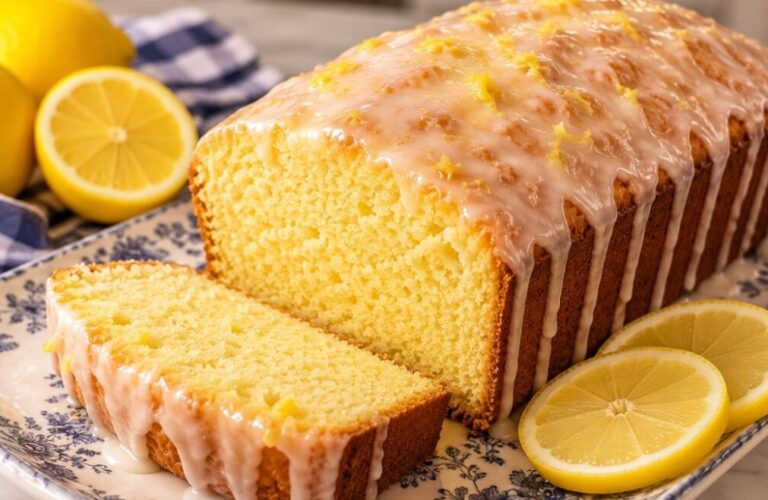
Lemon Yogurt Cake Recipe
Lemon Yogurt Cake is a soft, moist, and fragrant cake that combines the bright citrus flavor of fresh lemons with the creamy richness of yogurt. It is known for its tender crumb, light texture, and refreshing taste that makes it suitable for breakfast, tea time, dessert, celebrations, and everyday baking. The yogurt in the batter keeps the cake extremely moist while also adding a subtle tang that balances the sweetness and enhances the lemon flavor.
Unlike heavy butter-based cakes, Lemon Yogurt Cake feels light yet satisfying. The acidity of lemon juice and yogurt reacts with baking agents to create a soft, fluffy structure. This cake is simple to prepare, requires basic ingredients, and does not demand advanced baking skills, making it ideal for beginners as well as experienced bakers.
This extremely detailed guide covers ingredients, baking science, preparation steps, mixing techniques, oven behavior, texture control, flavor balancing, glaze options, storage methods, variations, troubleshooting, and professional bakery-style tips.
Preparation Time
20 to 25 minutes
Baking Time
35 to 45 minutes
Cooling Time
45 to 60 minutes
Total Time
Approximately 1 hour 40 minutes to 2 hours 10 minutes
Yield
1 standard loaf cake or 8 to 10 slices
Difficulty Level
Easy to Intermediate
Ingredients for Lemon Yogurt Cake
1 1/2 cups all-purpose flour
1 cup plain yogurt (full-fat preferred)
3/4 cup granulated sugar
1/2 cup vegetable oil or melted butter
3 large eggs
2 tablespoons fresh lemon juice
1 tablespoon lemon zest
1 1/2 teaspoons baking powder
1/2 teaspoon baking soda
1/4 teaspoon salt
1 teaspoon vanilla extract
Optional Lemon Glaze
1 cup powdered sugar
2 to 3 tablespoons fresh lemon juice
1 teaspoon lemon zest
Optional Garnishes
Lemon slices
Powdered sugar dusting
Fresh mint leaves
Whipped cream
Candied lemon peel
Understanding Lemon Yogurt Cake
Lemon Yogurt Cake is a chemically balanced baked good that relies on the interaction between acidic ingredients and leavening agents.
Yogurt provides moisture, fat, and acidity.
Lemon juice and zest provide flavor and additional acidity.
Baking powder and baking soda react with acidity to produce carbon dioxide bubbles.
These bubbles create a soft and airy crumb structure.
The oil or butter ensures tenderness and prevents dryness.
Choosing the Right Yogurt
Full-fat yogurt is best for this recipe.
It creates a richer texture and more stable crumb.
Greek yogurt can also be used but may require slight thinning with milk or water.
Low-fat yogurt may produce a slightly drier cake.
The yogurt should be plain and unsweetened to maintain flavor balance.
Importance of Fresh Lemons
Fresh lemons are essential for this recipe.
Lemon zest contains aromatic oils that provide strong citrus fragrance.
Lemon juice adds acidity and tang.
Bottled lemon juice is not recommended because it lacks freshness and aromatic compounds.
The combination of juice and zest creates layered lemon flavor.
Role of Eggs
Eggs provide structure, richness, and stability.
They help trap air during mixing.
They contribute to the cake’s soft yet structured crumb.
Room temperature eggs mix more evenly and produce better texture.
Role of Oil or Butter
Oil produces a softer, moister cake that stays tender for longer.
Butter adds richer flavor but slightly firmer texture.
Both options work well depending on preference.
Vegetable oil is commonly preferred for softness and simplicity.
Understanding Leavening Chemistry
Baking powder provides double-acting lift.
Baking soda reacts with yogurt and lemon juice to produce immediate rise.
This dual system ensures both initial and sustained rise during baking.
Proper measurement is critical for consistent texture.
Overuse can cause collapse or bitter taste.
Preparing the Batter
Step One: Preparing Wet Ingredients
In a large mixing bowl combine:
Yogurt
Sugar
Eggs
Oil or melted butter
Vanilla extract
Whisk until smooth and creamy.
This forms the base of the batter.
Step Two: Adding Citrus Flavor
Add lemon juice and lemon zest.
Mix thoroughly.
The aroma should become noticeably bright and citrusy.
Step Three: Preparing Dry Ingredients
In a separate bowl combine:
Flour
Baking powder
Baking soda
Salt
Whisk to distribute evenly.
This ensures uniform rising.
Step Four: Combining Wet and Dry Mixtures
Gradually add dry ingredients into wet mixture.
Fold gently using a spatula.
Avoid overmixing.
Overmixing can develop gluten and make cake dense.
Mix only until no dry flour remains visible.
Understanding Batter Texture
The final batter should be:
Smooth
Thick but pourable
Slightly glossy
Lightly aromatic
If batter is too thick, add a small amount of yogurt or milk.
If too thin, add a small amount of flour.
Preparing the Baking Pan
Grease a loaf pan or round cake pan.
Line with parchment paper if needed.
This prevents sticking and ensures easy removal.
Baking Process
Preheat oven to 350°F (175°C).
Pour batter into prepared pan.
Tap gently to remove air bubbles.
Bake for 35 to 45 minutes.
Do not open oven during first 25 minutes to avoid collapse.
Checking Doneness
Cake is ready when:
Top is golden brown
Toothpick inserted comes out clean
Edges slightly pull away from pan
Cake springs back when touched
Cooling Process
Allow cake to cool in pan for 10 to 15 minutes.
Transfer to cooling rack.
Cool completely before glazing.
Cooling stabilizes structure and improves flavor.
Lemon Glaze Preparation
Mix powdered sugar with lemon juice until smooth.
Adjust thickness as needed.
Pour over cooled cake.
Add lemon zest for extra aroma.
Flavor Profile
Sweetness balanced with citrus tang
Soft creamy undertone from yogurt
Light buttery or oily richness
Fresh aromatic lemon finish
Texture Science
Yogurt adds moisture retention
Eggs provide structure
Oil ensures softness
Acid-base reaction creates fluffiness
Proper baking ensures tender crumb
Serving Suggestions
Serve with tea or coffee
Enjoy as breakfast cake
Serve as dessert after meals
Pair with berries
Serve with whipped cream
Add ice cream for richer dessert
Variations
Blueberry Lemon Yogurt Cake
Add fresh or frozen blueberries.
Poppy Seed Lemon Cake
Add poppy seeds for texture.
Almond Lemon Yogurt Cake
Add almond extract and sliced almonds.
Gluten-Free Version
Use gluten-free flour blend.
Honey Lemon Cake
Replace sugar with honey.
Common Mistakes
Overmixing batter
Using low-quality yogurt
Skipping lemon zest
Overbaking cake
Incorrect oven temperature
Not cooling before slicing
Storage Instructions
Store at room temperature for 2 days.
Refrigerate for up to 5 days.
Freeze for up to 2 months.
Wrap tightly to prevent drying.
History and Popularity
Yogurt-based cakes became popular in European and Mediterranean baking due to their moist texture and simplicity. Lemon yogurt cake gained popularity as a lighter alternative to butter-heavy cakes, offering freshness and ease of preparation. Today, it is widely used in home baking and cafés due to its balance of flavor, texture, and simplicity.
Professional Baking Tips
Use room temperature ingredients
Always zest lemons before juicing
Do not overbake
Weigh ingredients for accuracy
Let batter rest briefly before baking for better texture
Conclusion
Lemon Yogurt Cake is a simple yet elegant dessert that combines the freshness of lemon with the creamy softness of yogurt to create a moist, tender, and flavorful cake. Its balanced sweetness, light texture, and refreshing citrus aroma make it suitable for any occasion, from casual tea time to special celebrations. With proper technique, quality ingredients, and careful baking, this cake delivers consistent results and a bakery-quality finish that is both satisfying and memorable.