admin1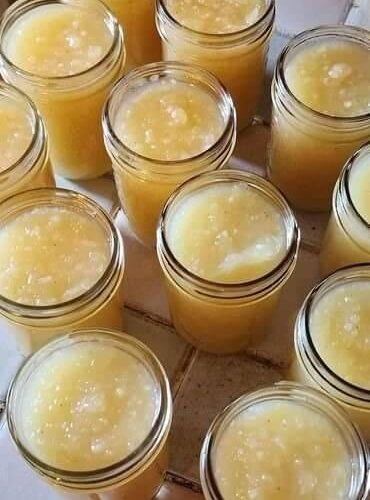
Monkey Butter Recipe — A Tropical Spread You’ll Fall in Love With
Introduction
There is something almost magical about the way a handful of overripe bananas, a can of sweet pineapple, and a pinch of warm spice can transform into a thick, golden, jam-like spread that tastes like sunshine in a jar. Monkey butter — despite its playful name — has nothing to do with peanuts or actual monkeys. Instead, it earns its title from the fruit that monkeys famously love (bananas), combined with the rich, “buttery” texture that develops once everything is slow-cooked down into a smooth, spreadable consistency. It is part jam, part fruit butter, and entirely irresistible once you’ve had your first taste on a warm piece of toast.
This recipe has humble roots, often traced back to home kitchens in the Southern United States and the Caribbean, where cooks needed a clever way to use up bananas that had gone too soft and too speckled for regular eating. Rather than tossing them out, resourceful bakers and home canners discovered that overripe bananas, paired with tropical pineapple, coconut, and a touch of cinnamon, created something far more exciting than the sum of its parts. Over the decades, monkey butter has become a beloved staple at farmers markets, county fairs, and family breakfast tables, prized for its versatility and its ability to make even the simplest slice of bread feel like a tropical vacation.
What makes this particular recipe special is that it is designed to be the most complete, most thorough guide you will find anywhere — covering everything from ingredient selection and equipment to elegant plating ideas, storage science, and even creative ways to use up leftovers. Whether you are making a single batch for your own pantry or preparing dozens of jars as homemade gifts, this guide will walk you through every step with confidence. By the end, you won’t just know how to make monkey butter — you’ll understand why each ingredient and technique matters.
About Recipe
Monkey butter is a slow-cooked fruit spread made primarily from ripe bananas and crushed pineapple, sweetened with sugar and brightened with lemon juice. As it simmers, the natural sugars in the fruit caramelize slightly, the mixture reduces and thickens, and the bananas break down into a velvety, butter-like texture — hence the name. Warm spices like cinnamon and nutmeg add depth, while shredded coconut and chopped nuts (if used) introduce texture and a deeper tropical character. It sits somewhere between a fruit butter, a chunky jam, and a dessert sauce, which is exactly what makes it so versatile.
Yield
This recipe produces approximately 4 cups (about 32 ounces) of finished monkey butter, which is enough to fill 6 half-pint (8 oz) jars or 4 standard pint jars with a little room to spare for immediate enjoyment.
Preparation Time
- Prep time: 15 minutes
- Cook time: 35–40 minutes
- Cooling time: 20 minutes
- Total time: Approximately 1 hour 10 minutes
Ingredients
- 6 large ripe bananas, peeled and mashed (about 3 cups mashed)
- 1 can (20 oz) crushed pineapple, well drained
- 1 cup granulated sugar
- 1/4 cup fresh lemon juice
- 1/2 teaspoon ground cinnamon
- 1/4 teaspoon ground nutmeg
- 1/8 teaspoon fine salt
Optional Ingredients
- 1/2 cup shredded coconut (sweetened or unsweetened)
- 1/2 cup finely chopped pecans or walnuts
- 1 tablespoon orange or lime zest, for brightness
- 1/4 cup brown sugar, substituted for part of the white sugar for a deeper caramel note
- A splash of dark rum or 1/2 teaspoon coconut extract, for a tropical twist
- A small pinch of ground cloves or ginger, for a spiced variation
Equipment Required
- A large, heavy-bottomed pot or Dutch oven (to prevent scorching)
- A wooden spoon or heat-safe silicone spatula
- A potato masher or immersion blender, for smoothing the texture
- Measuring cups and spoons
- A ladle, for transferring the finished spread
- Clean glass jars with airtight lids, or canning jars if preserving long-term
- A wide-mouth funnel, to keep jar rims clean while filling
- A small plate (kept in the freezer), used for testing the spread’s set
Choosing the Best Ingredients
The single most important ingredient in monkey butter is the banana, and the riper, the better. Look for bananas that are deeply speckled with brown spots, or even mostly brown-skinned — the kind you’d normally hesitate to eat plain. These overripe bananas are sweeter, softer, and break down far more easily into that signature buttery texture. Avoid bananas that are still firm or greenish, as they won’t mash smoothly and will leave behind a starchy, less pleasant taste.
For the pineapple, canned crushed pineapple is the most convenient and consistent option, but it’s worth taking a moment to drain it thoroughly, since excess liquid will thin out your final spread and extend your cooking time. If using fresh pineapple, choose one that smells fragrant and sweet at the base and feels slightly soft when pressed — these are signs of ripeness. Finally, if you’re adding coconut or nuts, opt for fresh, unsweetened coconut flakes and raw nuts rather than pre-sweetened or heavily processed versions, as they allow you to control the overall sweetness and avoid an overly sugary final product.
Step-by-Step Preparation
- Prepare the bananas. Peel the bananas and mash them thoroughly with a fork or potato masher until mostly smooth, with just a few small chunks remaining for texture.
- Combine the base ingredients. In your large pot, combine the mashed bananas, drained crushed pineapple, sugar, lemon juice, cinnamon, nutmeg, and salt. Stir well to combine everything evenly.
- Begin cooking. Place the pot over medium heat and bring the mixture to a gentle simmer, stirring frequently to prevent sticking or burning on the bottom.
- Reduce and thicken. Once simmering, lower the heat to medium-low. Continue cooking for 30–40 minutes, stirring every few minutes, until the mixture has thickened significantly and turned a deep golden-amber color.
- Test for doneness. Drop a small spoonful onto your chilled plate from the freezer. After 30 seconds, push it with your finger — if it wrinkles slightly and holds its shape rather than running, it’s ready.
- Add optional mix-ins. If using coconut, nuts, zest, or rum extract, stir them in during the final 5 minutes of cooking so they retain texture without overcooking.
- Smooth the texture (optional). For a silkier spread, use an immersion blender directly in the pot for a few quick pulses, or mash further with the potato masher.
- Cool slightly. Remove the pot from heat and let the mixture cool for about 10 minutes before transferring.
- Jar it up. Using a funnel and ladle, carefully spoon the warm monkey butter into clean jars, leaving about 1/2 inch of headspace at the top.
- Seal and store. Wipe the rims clean, seal the lids, and allow the jars to cool completely to room temperature before refrigerating or processing for shelf storage.
Traditional Serving Method
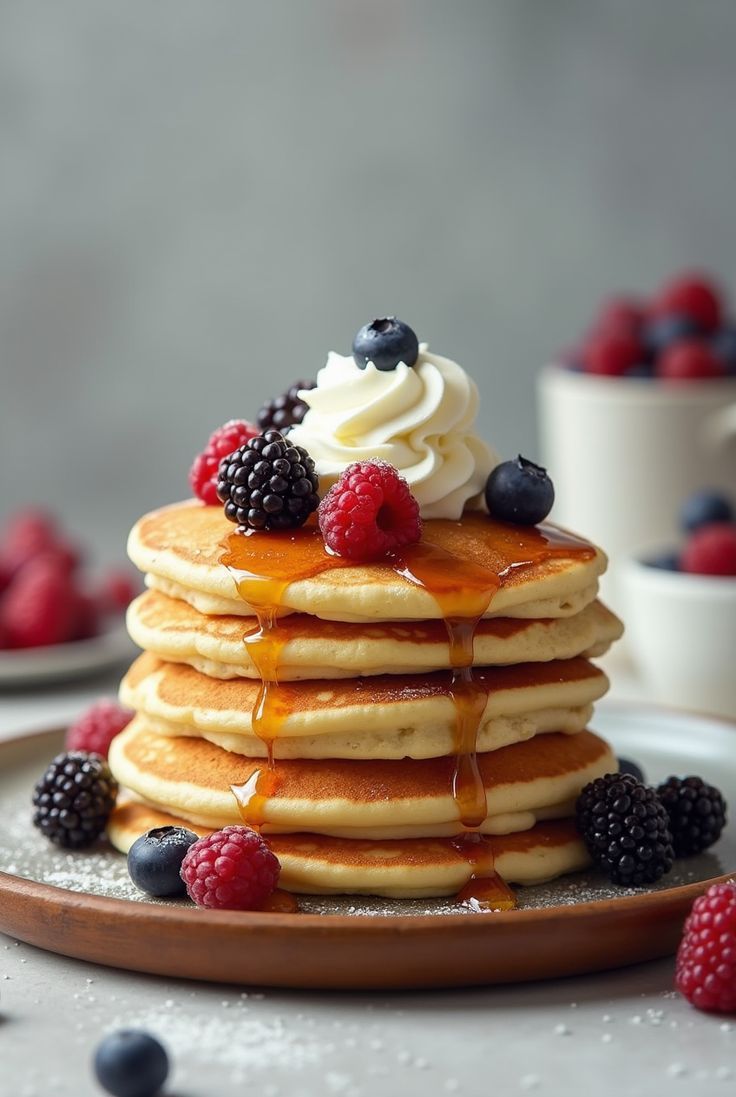
The most classic way to enjoy monkey butter is simple: spread generously over warm, buttered toast, biscuits, or English muffins. It also shines as a topping for pancakes, waffles, or oatmeal, where its thick, jam-like consistency melts slightly into the warm surface below. Many home cooks also love stirring a spoonful into plain yogurt for a quick, naturally sweetened breakfast.
Elegant Presentation Method
For a more refined presentation, spoon monkey butter into small decorative glass jars tied with a rustic ribbon and a handwritten label — perfect for gifting or for an upscale brunch table. Try spreading a thin layer over a wheel of baked brie before warming it in the oven, then garnish with toasted pecans and a sprig of mint for an elegant appetizer. It also makes a beautiful drizzle over a stack of thin crepes, finished with a light dusting of powdered sugar and a few fresh berries on the side.
Variations
Monkey butter is wonderfully forgiving and welcomes experimentation, which has led to countless beloved variations over the years. A tropical mango-pineapple version swaps half the bananas for ripe mango, creating a brighter, slightly tangier spread that pairs beautifully with coconut. A spiced autumn variation leans into warming flavors by adding extra cinnamon, a touch of ground ginger, and a splash of vanilla extract, making it feel right at home alongside pumpkin bread or spiced tea. For those watching their sugar intake, a lower-sugar version can be made by replacing granulated sugar with honey, maple syrup, or a sugar substitute, though the cooking time may need slight adjustment since these alternatives behave differently when reduced. Adventurous cooks have even experimented with a savory-sweet twist, adding a small amount of minced jalapeño or a pinch of cayenne, which creates a surprising and delicious contrast when paired with grilled meats or sharp cheeses.
Note: Adding nuts or coconut will increase the calorie and fat content. These figures are estimates and will vary based on exact ingredients and ripeness of fruit used.
Common Mistakes
One of the most frequent mistakes people make is using bananas that aren’t ripe enough, which results in a spread that’s starchy, less sweet, and harder to break down into a smooth texture — always wait until your bananas are heavily speckled or even fully brown for the best results. Another common pitfall is failing to stir frequently enough during cooking, since the natural sugars in the fruit can easily catch and scorch on the bottom of the pot, leaving a faintly burnt taste throughout the entire batch; a heavy-bottomed pot and consistent stirring are essential safeguards against this. Finally, many first-time cooks underestimate how much the mixture will thicken as it cools, pulling the pot off the heat too early because it looks thinner than expected while still hot — remember that monkey butter continues to set as it cools, so it’s better to cook slightly past the point where it looks “done” rather than risk a runny final product.
Storage Guidelines
Once cooled, monkey butter should be stored in clean, airtight jars in the refrigerator, where it will stay fresh for up to 3 weeks. Always use a clean spoon each time you scoop some out to avoid introducing bacteria that could shorten its shelf life. If you’d like to store it at room temperature for longer periods, it must be properly processed using a water-bath canning method with sterilized jars and new lids, following standard safe-canning guidelines, which can extend shelf life to up to 12 months unopened in a cool, dark pantry.
Freezing Instructions
Monkey butter freezes beautifully, making it a great make-ahead option. Allow the spread to cool completely, then transfer it into freezer-safe containers or heavy-duty freezer bags, leaving about 1/2 inch of headspace to allow for expansion. Label each container with the date, and store in the freezer for up to 3 months for the best flavor and texture. When ready to use, thaw the container overnight in the refrigerator, then give it a good stir, as some natural separation may occur during freezing.
Creative Uses for Leftovers
Leftover monkey butter is far too versatile to be limited to toast alone. Try swirling a spoonful into a bowl of warm oatmeal or overnight oats for an instant flavor boost, or mix it into plain Greek yogurt with a handful of granola for a quick parfait. It also works wonderfully as a glaze brushed over baked ham or roasted chicken during the last few minutes of cooking, where the sugars caramelize into a beautiful sticky finish. Bakers can fold a few spoonfuls into muffin or quick bread batter for natural sweetness and moisture, or use it as a filling between layers of a simple sponge cake. For an easy dessert upgrade, spoon it warm over a scoop of vanilla ice cream, or use it as a swirl folded into cheesecake batter before baking.
Party Serving Suggestions
Monkey butter makes a wonderful addition to any brunch or gathering spread. Set up a DIY toast bar with an assortment of breads, crackers, and biscuits alongside a bowl of monkey butter for guests to spread themselves. For a more elegant touch, spoon small dollops into mini phyllo cups and top with a sliver of toasted coconut for an easy bite-sized appetizer. It also pairs beautifully with a mimosa or brunch cocktail bar, served alongside fresh fruit and pastries. For kids’ parties, set up a build-your-own pancake or waffle station with monkey butter as one of the topping choices — its naturally sweet, fruity flavor tends to be an instant favorite with younger guests as well.