admin1
Christmas Jam Recipe: A Rich, Festive Homemade Jam Filled with Holiday Flavors
Christmas jam is a beautiful homemade fruit preserve made with strawberries, cranberries, warm spices, and a touch of citrus. It combines the sweetness of ripe berries with the slightly tart flavor of cranberries, creating a delicious jam that is perfect for Christmas breakfast, holiday desserts, afternoon tea, and homemade edible gifts.
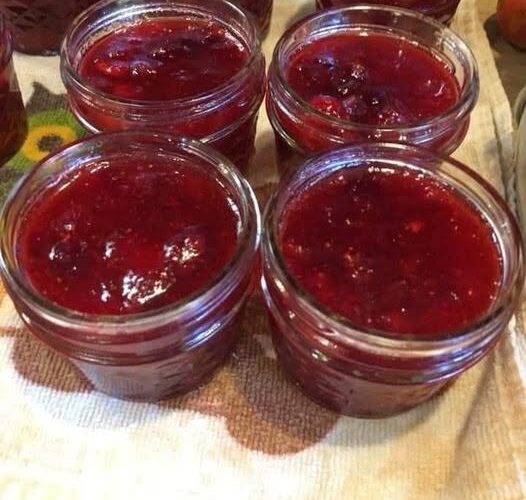
This festive jam has a deep red color, a fruity aroma, and a sweet-tart flavor that makes it feel special during the holiday season. You can spread it over toast, serve it with warm biscuits, spoon it over pancakes, or use it as a filling for cookies, cakes, and pastries.
The best part about making Christmas jam at home is that you can adjust the sweetness, spice level, and texture according to your taste. The recipe is simple enough for beginners but produces a delicious result that feels homemade, traditional, and wonderfully festive.
Recipe Overview
Preparation time: 20 minutes
Cooking time: 25–40 minutes
Cooling time: Approximately 1–2 hours
Total time: Approximately 1 hour to 2 hours
Yield: Approximately 4–5 cups, depending on the fruit and cooking time
Difficulty level: Easy to moderate
Flavor profile: Sweet, tart, fruity, citrusy, and warmly spiced
Best uses: Toast, biscuits, pancakes, waffles, yogurt, pastries, cakes, and holiday gift baskets
Ingredients for Homemade Christmas Jam
Fruit Ingredients
4 cups fresh or frozen strawberries
Strawberries provide the sweet, fruity foundation of the jam. Their natural flavor balances the tartness of cranberries and creates a pleasant texture. If using fresh strawberries, wash them thoroughly, remove the green tops, and cut large berries into smaller pieces.
Frozen strawberries can also be used. Thawing them first makes it easier to measure and crush the fruit, although you can add them directly to the saucepan if necessary.
3 cups fresh or frozen cranberries
Cranberries give Christmas jam its distinctive festive flavor. They add a refreshing tartness, beautiful red color, and natural pectin, which helps the mixture thicken as it cooks.
Fresh cranberries should be rinsed and checked for damaged or shriveled berries. Frozen cranberries work well too and do not necessarily need to be thawed before cooking.
5 cups granulated sugar
Sugar sweetens the fruit, balances the tart cranberries, and contributes to the jam’s consistency. Because strawberries and cranberries have different levels of natural sweetness, the sugar helps bring their flavors together.
For a traditional jam, use the quantity recommended by the tested recipe or the pectin package if you are using commercial pectin. Do not assume that simply reducing the sugar will produce the same texture or storage life.
Citrus Ingredients
2 tablespoons freshly squeezed lemon juice
Lemon juice brightens the flavor and helps balance the sweetness. Its acidity also contributes to the conditions needed for safe preservation.
1 tablespoon finely grated orange zest
Orange zest gives the jam a warm, fragrant citrus aroma that pairs especially well with cranberries and strawberries.
¼ cup freshly squeezed orange juice
Orange juice adds another layer of citrus flavor. Freshly squeezed juice is ideal, but ordinary unsweetened orange juice can also be used.
Warm Christmas Spices
1 teaspoon ground cinnamon
Cinnamon gives the jam its familiar holiday warmth. It complements the berries without overwhelming their natural flavor.
¼ teaspoon ground cloves
Cloves have a strong, aromatic flavor, so a small amount is enough. They add depth and make the jam taste especially festive.
¼ teaspoon ground ginger
Ginger adds a gentle warmth and subtle spicy note. It works particularly well with orange zest and cranberries.
¼ teaspoon ground nutmeg
Nutmeg gives the jam a soft, sweet fragrance. Use it sparingly because too much can overpower the fruit.
Optional Ingredients
1 teaspoon vanilla extract
Vanilla softens the sharpness of the fruit and gives the finished jam a rounded flavor. Add it near the end of cooking.
A small pinch of salt
Salt can help balance the sweetness and bring out the fruit’s natural flavor. Only a tiny amount is necessary.
1 package of powdered fruit pectin, if needed
Commercial pectin can help the jam set more reliably. Follow the instructions on the specific package, because different pectin products require different quantities of sugar, acid, and cooking times.
Equipment You Will Need
Prepare a large, heavy-bottomed saucepan or preserving pot, a wooden spoon or heat-resistant spatula, a potato masher, a measuring cup, measuring spoons, a ladle, and a clean plate for testing the consistency.
If you plan to preserve the jam in jars, prepare suitable canning jars and lids according to an established food-preservation method. Wash the jars and keep them hot until filling. For shelf-stable storage, ordinary clean jars alone are not sufficient; the finished recipe must follow a tested canning process.
A heavy-bottomed pot is particularly helpful because it distributes heat evenly and reduces the chance of scorching the fruit and sugar.
Step 1: Prepare the Fruit
Begin by preparing the strawberries and cranberries.
Wash fresh strawberries under cool running water. Remove the green tops and cut larger berries into halves or quarters. Small strawberries can be left whole if they are easy to crush.
Place the strawberries in a large bowl and use a potato masher to crush them gently. You do not need to turn them into a completely smooth purée. Leaving some small pieces creates a more traditional homemade texture.
Next, rinse the cranberries and remove any damaged berries or unwanted stems.
Add the cranberries to the saucepan along with the crushed strawberries.
If you prefer a smoother jam, you can crush the fruit more thoroughly. If you enjoy a chunky preserve, leave some of the fruit in larger pieces.
The important thing is to create a mixture that combines easily while still retaining enough fruit texture to make the finished jam interesting.
Step 2: Add the Citrus and Spices
Add the orange juice, lemon juice, orange zest, cinnamon, cloves, ginger, nutmeg, and optional pinch of salt to the saucepan.
Stir the ingredients thoroughly so that the spices are distributed throughout the fruit.
At this stage, the mixture will smell fresh and fruity, with the citrus aroma becoming more noticeable as the ingredients combine.
The cinnamon and cloves should remain subtle rather than dominate the jam. Christmas jam is most delicious when the berries remain the main flavor, with the spices providing a gentle background warmth.
If you prefer a less spicy preserve, start with half the listed spices and adjust the flavor in a future batch. Remember that spices can become more noticeable as the mixture cooks and the fruit concentrates.
Step 3: Begin Cooking the Fruit
Place the saucepan over medium heat.
Stir the mixture regularly as it warms. The cranberries will gradually soften, and some will burst naturally as their skins heat and split.
Continue cooking until the fruit releases its juices and begins to form a thick, bubbling mixture.
This usually takes approximately 10–15 minutes, depending on the fruit’s temperature, the size of the pan, and the heat level.
Use the potato masher to break down any cranberries that remain whole. Be careful because hot fruit can splatter.
Avoid cooking the mixture over excessively high heat. A moderate, steady temperature gives the fruit time to soften and allows the flavors to blend without burning the bottom of the pan.
If the mixture begins sticking, reduce the heat slightly and stir more frequently.
Step 4: Add the Sugar
Once the fruit has softened, gradually add the granulated sugar.
Stir continuously until the sugar has dissolved into the hot fruit mixture.
The mixture will become more fluid initially as the sugar dissolves. This is normal.
Scrape the bottom and sides of the saucepan with your spoon to ensure that no undissolved sugar or fruit is sticking to the pan.
After the sugar has dissolved, increase the heat enough to bring the mixture to a controlled boil.
A traditional full-sugar jam can become extremely hot during cooking, so avoid tasting it directly from the saucepan. Allow a small sample to cool before checking the flavor.
For reliable setting and preservation, use a tested strawberry-cranberry jam formula if you intend to change the sugar quantity or add commercial pectin.
Step 5: Simmer Until the Fruit Thickens
Allow the mixture to boil according to your chosen tested recipe, stirring regularly.
As water evaporates, the fruit mixture will become more concentrated. The color will deepen, and the aroma will become richer.
The cranberries naturally contain some pectin, while the strawberries contribute body and flavor. However, the final setting strength depends on the fruit, acidity, sugar concentration, and cooking method.
A cooking time of approximately 15–25 minutes after the sugar is added may be appropriate for some batches, but time alone cannot guarantee that the jam will set.
Watch the consistency carefully.
The mixture should look glossy and thickened rather than watery. When you stir it, the spoon should leave a brief trail through the fruit before the mixture flows together again.
Do not cook it for too long in an attempt to make it extremely thick in the saucepan. Jam usually becomes firmer as it cools, and excessive cooking can produce a dark color, a caramelized taste, or a stiff texture.
If you are using commercial pectin, follow its package instructions instead of relying on the general cooking times above.
Step 6: Test the Consistency
A simple way to check the consistency is to place a small spoonful of jam on a chilled plate.
Let the sample cool for a minute or two, then gently push it with your finger or the back of a spoon.
If it forms a soft, thick layer and wrinkles slightly when pushed, it may be ready.
If it remains very thin and runs quickly across the plate, continue cooking briefly and test again.
Remember that a plate test is only a guide. It does not replace the setting instructions in a tested recipe, especially when commercial pectin is involved.
For a softer breakfast spread, you may prefer a slightly looser texture. For filling cookies or pastries, a firmer consistency is often more convenient.
Step 7: Add the Vanilla
When the jam has reached the desired consistency, remove the saucepan from the heat.
Stir in the vanilla extract, if using.
Allow the mixture to settle briefly, then stir gently to distribute the vanilla throughout the fruit.
Adding vanilla near the end preserves more of its delicate aroma.
Taste a small cooled sample if you wish to evaluate the balance of flavors. The jam should be pleasantly sweet, with a clear cranberry tang, strawberry richness, citrus brightness, and a gentle warmth from the spices.
If you discover that the flavor is too tart, you can adjust the sweetness in a future batch. If it tastes too sweet, additional citrus may seem appealing, but changing the acidity in a preservation recipe should only be done within a tested formula.
Step 8: Let the Jam Cool Slightly
Leave the saucepan off the heat for a few minutes, stirring gently if necessary.
The jam will begin to thicken as its temperature decreases.
If fruit pieces rise to the surface, stir them back into the mixture before serving or filling containers.
For a smooth consistency, you can carefully mash the remaining pieces while the jam is still hot. Avoid blending hot jam in an ordinary closed blender, as pressure and steam can cause dangerous splashing.
If you prefer a chunky preserve, leave the fruit pieces as they are.
The finished texture should look glossy, rich, and spoonable, with a deep ruby-red color.
Step 9: Prepare the Jars
If you plan to use the jam within a short period, clean food-safe containers with tightly fitting lids are suitable for refrigerated storage.
Wash the containers and lids thoroughly with hot soapy water and rinse well. Let them dry in a clean place.
If you want to store the jam at room temperature for an extended period, use a tested canning recipe and follow its exact jar preparation, filling, headspace, processing time, and altitude adjustments. This particular ingredient list should not automatically be treated as a verified shelf-stable canning formula.
Do not rely on hot jam poured into a jar, a tight lid, or an apparent vacuum seal as proof that the contents are safe for pantry storage.
Step 10: Fill the Containers
Carefully spoon the warm jam into your clean containers.
Leave enough space at the top to prevent overflowing, and wipe the rims clean before securing the lids.
For ordinary refrigerator storage, let the jam cool safely before refrigerating it. Do not leave it sitting at room temperature for hours.
For shelf-stable preservation, fill and process the jars exactly as directed by your tested canning recipe.
Once refrigerated, the jam will continue to thicken as it cools.
For the best flavor and texture, allow it to chill for several hours before serving.
Step 11: Chill and Enjoy
Place the covered containers in the refrigerator.
After cooling, the jam should have a rich consistency that spreads easily over bread without running excessively.
The cranberry flavor becomes more balanced after the mixture has rested, and the orange zest and spices become easier to notice.
Use a clean spoon every time you serve the jam to help prevent contamination.
Refrigerate homemade jam promptly and follow a reliable food-storage guideline for its shelf life. Freeze any portion you will not use within the recommended refrigerated period, using a freezer-safe container with room for expansion.
Delicious Ways to Serve Christmas Jam
Christmas Jam on Toast
Toast slices of bread until the edges are lightly crisp and the centers remain soft.
Spread a thin layer of butter over the warm toast, then add a generous spoonful of Christmas jam.
The butter provides a creamy contrast to the tart berries, while the warm toast releases the jam’s citrus and cinnamon aromas.
This is one of the simplest ways to enjoy the preserve for breakfast.
Christmas Jam with Scones
Serve the jam with freshly baked scones, plain biscuits, or soft dinner rolls.
You can spread the jam directly onto each piece or serve it in a small bowl alongside softened butter or cream cheese.
The fruit’s acidity balances rich baked goods, making this combination particularly suitable for a festive afternoon tea.
Christmas Jam Pancakes
Prepare your favorite pancakes and stack them on a serving plate.
Warm a few spoonfuls of jam gently until it becomes easier to pour, without allowing it to boil again.
Spoon it over the pancakes and finish with fresh strawberries or a little plain yogurt.
You can also swirl a small amount into pancake batter just before cooking, although adding too much may affect the texture.
Christmas Jam Waffles
Crisp waffles pair beautifully with the soft, fruity texture of Christmas jam.
Spread the jam over the waffles while they are warm, allowing it to settle into the small pockets.
For extra flavor, add sliced pears, strawberries, or a light dusting of cinnamon.
Christmas Jam and Yogurt
Spoon plain or vanilla yogurt into a serving bowl.
Add one or two spoonfuls of chilled Christmas jam and gently swirl it through the yogurt.
For a more substantial breakfast, add oats, chopped nuts, or granola just before serving.
The tart cranberries create a pleasant contrast with creamy yogurt, while the strawberries add a naturally sweet flavor.
Christmas Jam Cheesecake Topping
Christmas jam can make an attractive topping for cheesecake.
Allow the jam to cool completely, then spread a thin layer over a chilled cheesecake.
For a smoother finish, stir the jam gently before spreading it. If the jam contains large fruit pieces, you can mash them lightly.
The deep red topping creates a festive appearance and balances the richness of the cream cheese filling.
Christmas Jam Thumbprint Cookies
Prepare a simple butter-cookie dough and shape it into small balls.
Make a shallow indentation in each ball before baking, following your chosen cookie recipe.
Add a small amount of Christmas jam to each indentation at the stage recommended by the recipe.
Bake until the cookies are cooked through and lightly golden.
The jam adds a bright berry center that works especially well with buttery cookie dough.
Christmas Jam Cake Filling
Christmas jam can be used between layers of sponge cake, especially when paired with vanilla buttercream or whipped cream.
Spread a thin, even layer over a cooled cake layer, leaving a small border around the edges.
Add the next layer gently so the filling does not squeeze out.
A thick jam is usually easier to work with than a runny one. If the jam is too loose, choose another filling method rather than adding large amounts of extra sugar or cooking it excessively.
Christmas Jam with Cheese and Crackers
Serve a small bowl of jam with mild cheddar, cream cheese, or another favorite cheese and plain crackers.
The sweet-tart fruit flavor complements the salty, creamy character of the cheese.
This combination can be served as a snack or as part of a holiday appetizer spread.
Tips for the Best Christmas Jam
Choose good-quality fruit. Fresh, flavorful strawberries and sound cranberries provide the best starting point. Frozen fruit is a convenient alternative when fresh berries are unavailable.
Measure accurately. Jam consistency depends on the proportions of fruit, sugar, acid, and pectin. Accurate measuring is particularly important when following a tested preservation recipe.
Use a large saucepan. Fruit and sugar can foam during boiling. A large pan gives the mixture room to bubble without spilling over.
Stir regularly. Stirring helps prevent the fruit from sticking or scorching, especially toward the end of cooking.
Avoid excessive heat. A controlled boil is easier to manage and helps preserve a fresh fruit flavor.
Balance the spices. Cinnamon, cloves, ginger, and nutmeg should support the berries rather than overpower them.
Allow time for cooling. Jam often appears thinner while hot and becomes firmer after chilling.
Keep utensils clean. Always use a clean spoon when serving jam from a storage container.
Do not change canning proportions casually. Reducing sugar, increasing fruit, or changing acidity can affect the setting and safety of a preserved product. For pantry storage, use a tested recipe specifically designed for the fruit combination.
Common Christmas Jam Problems and Solutions
Why Is My Christmas Jam Too Runny?
The mixture may not have cooked long enough, or the fruit may have contained more water than expected. The pectin level and acidity can also affect the setting.
First, allow the jam to cool completely because it will naturally thicken as it chills.
If it remains too runny, you can use it as a fruit sauce for pancakes, yogurt, or desserts. Alternatively, follow a tested jam-reprocessing method appropriate for your recipe.
Why Is My Jam Too Thick?
The jam may have lost too much water during cooking or may contain more pectin than necessary for the desired texture.
For serving, stir a small portion with a little warm water or orange juice until it reaches a spreadable consistency.
Only thin the amount you intend to use immediately. Do not add liquid to an entire preserved batch and then assume that it remains suitable for long-term storage.
Why Does My Jam Taste Too Tart?
Cranberries are naturally tart, and the balance also depends on the sweetness of the strawberries.
Serve the jam with mildly sweet foods, such as toast, pancakes, or vanilla yogurt.
For your next batch, use a tested formula with the appropriate sugar quantity rather than making uncontrolled changes to the ingredients.
Why Is My Jam Too Sweet?
A very sweet flavor can occur when the strawberries are naturally sweet or when the fruit-to-sugar ratio is higher than you prefer.
The easiest solution is to serve smaller portions alongside plain yogurt, unsweetened toast, or mildly flavored baked goods.
For future batches, choose a tested lower-sugar recipe designed to set correctly with the specific pectin being used.
Why Is the Jam Not Bright Red?
The color depends on the ripeness and variety of the berries, cooking time, and exposure to heat.
Long cooking can darken the fruit mixture.
Using flavorful berries and following the recommended cooking method can help retain an attractive color.
Why Does the Jam Have a Strong Clove Flavor?
Cloves are highly aromatic and can quickly dominate the fruit.
For a milder result, reduce the cloves in your next batch and let cinnamon, orange, strawberry, and cranberry remain the main flavors.
Christmas Jam Variations
Strawberry-Cranberry Orange Jam
For a citrus-forward version, emphasize the orange zest and juice while keeping the spices subtle.
This variation is particularly delicious with scones, toast, and vanilla cake.
Apple-Cranberry Christmas Jam
Replace part of the strawberry portion with peeled, finely chopped apples using a tested recipe that accounts for the changed fruit proportions.
Apples provide a gentle sweetness and a pleasant texture that pairs well with cinnamon.
Mixed-Berry Christmas Jam
A combination of strawberries, raspberries, and cranberries creates a more complex berry flavor.
Choose a tested formula for the new fruit combination because the pectin and acidity can differ from the original recipe.
Ginger-Orange Christmas Jam
Increase the ginger slightly and let the orange aroma take center stage.
This variation has a warm, bright flavor that works well with biscuits and plain cake.
Vanilla Christmas Jam
Add vanilla near the end of cooking and keep the cloves and nutmeg modest.
The result is a softer, dessert-like flavor that pairs beautifully with yogurt, pancakes, and pastries.
Spiced Pear Christmas Jam
Pears can add a mellow, delicate flavor to a festive fruit preserve. However, changing the fruit combination affects the recipe’s proportions and preservation requirements, so use a tested pear-and-berry jam formula rather than substituting fruit without adjustment.
How to Store Homemade Christmas Jam
For an ordinary homemade batch that has not been processed using a tested canning method, store the jam in the refrigerator.
Use clean, covered containers and avoid leaving the jam at room temperature for extended periods. For a general homemade-fruit-spread guideline, aim to use refrigerated jam within about two to three weeks, or follow a more specific reliable storage recommendation for your exact recipe.
If you want to keep it longer, freeze the jam in suitable freezer-safe containers, leaving enough room for expansion. Thaw it in the refrigerator and stir gently before serving.
For storage at room temperature, use a tested canning recipe and the complete recommended processing procedure. Do not assume that a sealed jar is safe simply because the lid has tightened.
Discard jam if you notice mold, an unusual smell, bubbling that was not expected, or other signs of spoilage. Do not taste questionable food to check whether it is safe.
Frequently Asked Questions
Can I Make Christmas Jam Without Fresh Strawberries?
Yes. Frozen strawberries can work well in this recipe. Thaw them if convenient, and include their juices. Measure the fruit carefully and follow the setting instructions for your chosen jam formula.
Can I Make Christmas Jam Without Cranberries?
Yes, but the flavor and setting will change. Cranberries contribute tartness and natural pectin. If you replace them with another fruit, choose a tested recipe suitable for that fruit.
Can I Make Christmas Jam Without Pectin?
Some fruit jams set without commercial pectin because fruit naturally contains pectin and cooking concentrates the mixture. Cranberries can contribute useful natural pectin, but the final result is not guaranteed. If you want a reliable set, use a tested recipe appropriate for your fruit and pectin choice.
Can I Use Brown Sugar?
Brown sugar gives jam a deeper, caramel-like flavor and changes the color. However, it is not a direct substitute in every jam formula. Follow a tested recipe that specifies brown sugar if you want to use it in a preserve intended for storage.
Is Christmas Jam Only for Christmas Morning?
Not at all. It can be enjoyed throughout the winter, served with breakfast, added to desserts, or paired with cheese and crackers. Its festive spices make it especially appropriate for holiday meals, but the fruit flavor is delicious at any time of year.
Can I Give Christmas Jam as a Homemade Gift?
Yes. A jar of homemade jam can make a thoughtful gift for friends, relatives, teachers, or neighbors.
For a refrigerated gift, use a clean, food-safe container, label it with the preparation date, and tell the recipient to keep it refrigerated.
For gifts intended to sit on a shelf, use a tested shelf-stable canning recipe and follow its processing instructions. Add a decorative label or ribbon only after the jar has cooled and dried.
Can I Use Christmas Jam as a Cake Filling?
Yes. A thick, cooled jam can be spread between cake layers or used in thumbprint cookies and pastries.
For cakes with cream-based fillings, keep the finished cake refrigerated according to the requirements of the other ingredients.
Final Thoughts
Homemade Christmas jam brings together the sweetness of strawberries, the refreshing tartness of cranberries, the brightness of orange, and the comforting aroma of traditional holiday spices.
The preparation is straightforward: soften the fruit, add the citrus and sugar, cook until the mixture reaches the appropriate consistency, and allow it to cool before enjoying.
Serve it over warm toast, spoon it onto pancakes, swirl it into yogurt, or use it to fill cookies and cakes. You can also prepare a refrigerated batch as a thoughtful homemade holiday gift.
The secret to excellent Christmas jam is maintaining a good balance between fruit, sweetness, acidity, and spice while avoiding unnecessary overcooking. With careful preparation and appropriate storage, this festive preserve can become a delicious addition to your holiday table and a recipe worth making again every year.