admin1
Crispy Low-Carb Salmon Patties: The Ultimate Easy and Delicious Recipe
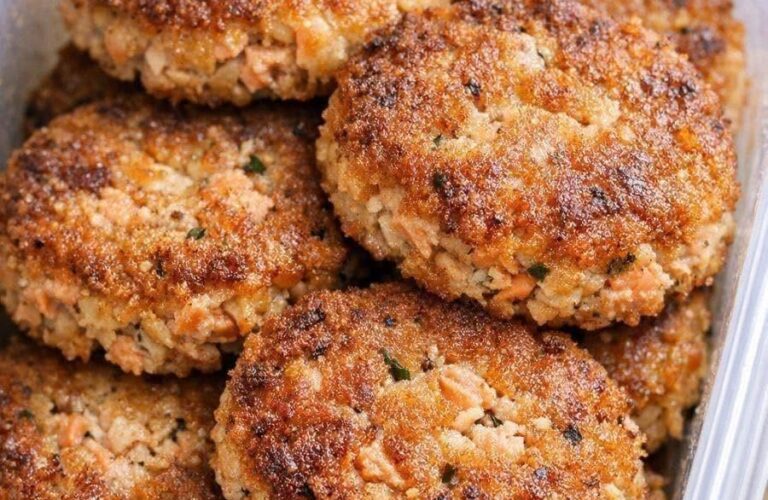
Crispy low-carb salmon patties are a delicious, satisfying, and versatile meal made with tender salmon, fresh herbs, flavorful seasonings, and a carefully balanced combination of low-carbohydrate ingredients. They have a beautifully golden, crunchy exterior and a moist, tender interior filled with rich salmon flavor. Every bite delivers a wonderful combination of crispiness, savory seasoning, and delicate seafood goodness.
These salmon patties are an excellent choice for anyone looking for a delicious low-carb meal without relying on traditional breadcrumbs or all-purpose flour. Instead, ingredients such as almond flour, eggs, and Parmesan cheese help bind the mixture together while creating a wonderfully crisp texture when the patties are pan-fried, baked, or cooked in an air fryer.
Whether you are preparing a quick lunch, a family dinner, a light meal, or a tasty appetizer for guests, these crispy low-carb salmon patties are a recipe worth keeping. They are easy to customize, simple to prepare with pantry-friendly ingredients, and delicious when served with a creamy dipping sauce, fresh salad, roasted vegetables, or cauliflower rice.
Why You Will Love These Crispy Low-Carb Salmon Patties
There are many reasons to make these salmon patties at home. First, they offer a satisfying alternative to traditional salmon cakes that depend on large amounts of breadcrumbs. Almond flour and Parmesan cheese provide structure and help develop a golden crust while keeping the recipe lower in carbohydrates.
The salmon provides a rich, savory flavor that pairs beautifully with lemon juice, garlic, parsley, Dijon mustard, and black pepper. These ingredients enhance the natural taste of the fish without overpowering it.
Another wonderful advantage is the flexibility of the recipe. You can use canned salmon for convenience or cooked fresh salmon for a more delicate texture. You can also adjust the herbs, spices, and seasonings according to your personal preferences.
The patties can be cooked on the stovetop, in the oven, or in an air fryer. Each method produces a slightly different result, allowing you to choose between a traditional pan-fried crust, a lighter baked finish, or a crisp air-fried exterior.
Most importantly, these salmon patties are suitable for meal preparation. You can prepare the mixture in advance, shape the patties when needed, and cook them for a quick and satisfying meal.
Preparation Time and Yield
Preparation time: 20 minutes
Chilling time: 15–20 minutes, recommended
Cooking time: 12–18 minutes, depending on the cooking method and patty thickness
Total time: Approximately 50–60 minutes, including chilling
Yield: 8 medium salmon patties
Serving size: 2 patties per person
Cooking methods: Stovetop, oven, or air fryer
Dietary style: Low-carbohydrate, grain-free, and gluten-free when certified gluten-free ingredients are used
Ingredients for Crispy Low-Carb Salmon Patties
Main Ingredients
2 cans salmon, approximately 14–15 ounces total, drained: Canned salmon is convenient, affordable, and easy to work with. Choose boneless and skinless salmon if you prefer a smoother texture. If your canned salmon contains bones or skin, remove them if desired. The salmon should be well drained to prevent the mixture from becoming too wet.
2 large eggs: Eggs help bind the salmon, almond flour, cheese, and seasonings together. They also contribute to the tender interior and help the patties maintain their shape during cooking.
1/3 cup finely ground almond flour: Almond flour replaces traditional breadcrumbs and helps absorb excess moisture. Finely ground almond flour creates a more uniform texture than coarse almond meal.
1/4 cup finely grated Parmesan cheese: Parmesan adds a savory, slightly nutty flavor and helps create a golden crust. Finely grated cheese distributes more evenly throughout the mixture.
2 tablespoons mayonnaise: Mayonnaise adds moisture and richness, helping keep the inside of the patties tender.
1 tablespoon Dijon mustard: Dijon mustard adds a gentle tangy flavor that complements salmon particularly well.
2 tablespoons finely chopped fresh parsley: Fresh parsley brightens the mixture and adds a clean, herbal flavor.
2 tablespoons finely chopped green onions: Green onions provide a mild onion flavor without overwhelming the salmon.
2 cloves garlic, minced: Fresh garlic adds depth and a delicious savory aroma.
1 tablespoon fresh lemon juice: Lemon juice balances the richness of the salmon and mayonnaise while enhancing the seafood flavor.
1 teaspoon lemon zest, optional: Lemon zest adds concentrated citrus fragrance without introducing much additional moisture.
1/2 teaspoon salt, or to taste: Adjust the amount according to the saltiness of your salmon and Parmesan cheese.
1/2 teaspoon freshly ground black pepper: Black pepper provides gentle warmth and enhances the other seasonings.
1/2 teaspoon smoked paprika: Smoked paprika contributes a subtle smoky flavor and gives the patties a beautiful warm color.
1/4 teaspoon onion powder: Onion powder adds a mild savory background flavor.
1/4 teaspoon cayenne pepper, optional: Use a small amount if you enjoy a little heat.
Ingredients for Cooking
2–3 tablespoons olive oil or avocado oil: A small amount of oil helps the patties develop a crisp, golden exterior when pan-fried. Avocado oil is another suitable option for cooking over medium heat.
For oven baking or air frying, use a little oil spray or brush a thin layer of oil over the patties to encourage browning.
Optional Ingredients for Extra Flavor
You can customize the patties with additional ingredients while keeping the carbohydrate content relatively low.
A tablespoon of finely chopped dill adds a fresh, classic seafood flavor. A small amount of chopped chives creates a mild onion-like aroma. A teaspoon of capers adds a salty, tangy taste that pairs wonderfully with salmon.
For extra richness, you can add another tablespoon of Parmesan cheese. For a slightly brighter flavor, increase the lemon zest. If you enjoy a spicy variation, add a little extra cayenne pepper or a pinch of red pepper flakes.
Keep additional wet ingredients to a minimum. Too much lemon juice, mayonnaise, or watery vegetables can make the mixture difficult to shape and prevent the patties from becoming crispy.
Choosing the Best Salmon
The quality of the salmon plays an important role in the flavor and texture of these patties.
Canned salmon is the easiest option because it is already cooked and can be prepared quickly. It is also convenient for keeping the ingredients available in your pantry. Choose a product with a flavor you enjoy and drain it thoroughly before mixing.
Fresh cooked salmon is another excellent choice. If you have leftover baked, grilled, or poached salmon, you can flake it into small pieces and use it in this recipe. Approximately 12–14 ounces of cooked salmon will work well, depending on how moist it is.
Avoid using raw salmon directly in this mixture. This recipe is designed for cooked salmon, and raw salmon would require a different preparation method to ensure the patties cook safely and evenly.
If using leftover salmon, make sure it has been refrigerated promptly and stored safely. Cold salmon is easier to flake and combine with the other ingredients.
How to Prepare the Salmon
Begin by opening the cans of salmon and draining away the liquid. Excess liquid is one of the most common reasons salmon patties fall apart or become soft rather than crisp.
Transfer the salmon to a medium-sized mixing bowl. Use a fork to break it into small flakes. You want the salmon to be evenly distributed throughout the mixture, but you do not need to mash it into a completely smooth paste.
If your salmon contains large pieces of skin or bones and you prefer a smoother texture, remove them before proceeding. Some canned salmon contains soft edible bones, but removing them is entirely a matter of personal preference.
If you are using cooked fresh salmon, check it carefully for any remaining bones. Flake the fish into small pieces with a fork, keeping the texture slightly chunky.
Once the salmon is prepared, set it aside while you prepare the remaining ingredients.
Step-by-Step Instructions
Step 1: Prepare the Ingredients
Gather all the ingredients before beginning. Finely chop the parsley and green onions, mince the garlic, grate the Parmesan cheese, and measure the almond flour and seasonings.
Preparing everything in advance makes the recipe easier to follow and helps ensure that the seasonings are evenly distributed.
Drain the salmon thoroughly and place it in a large mixing bowl. Break apart any large pieces with a fork.
Step 2: Combine the Wet Ingredients
In a separate small bowl, whisk together the eggs, mayonnaise, Dijon mustard, and fresh lemon juice.
Whisk until the mixture is smooth and the ingredients are evenly combined.
This step helps distribute the eggs and mayonnaise throughout the salmon mixture. It also reduces the chance of having concentrated pockets of mustard or seasoning in individual patties.
Pour the wet mixture over the flaked salmon.
Step 3: Add the Seasonings
Add the chopped parsley, green onions, minced garlic, lemon zest, salt, black pepper, smoked paprika, and onion powder.
If you enjoy a little spice, add the optional cayenne pepper.
Stir gently with a fork or spatula until the herbs and seasonings are evenly distributed.
Avoid aggressively crushing the salmon. Leaving some small flakes intact gives the finished patties a more appealing texture.
Step 4: Add the Almond Flour and Parmesan
Sprinkle the almond flour over the salmon mixture, followed by the grated Parmesan cheese.
Fold everything together until the ingredients are evenly incorporated.
The mixture should hold together when pressed between your fingers. It should feel moist enough to form patties without being watery or sticky.
If the mixture appears too wet, add another tablespoon of almond flour and mix gently. Allow it to rest for a few minutes before adding more, because almond flour absorbs moisture gradually.
If the mixture seems unusually dry, add a small amount of mayonnaise, starting with one teaspoon.
Try not to add too much almond flour. Excessive amounts can make the patties dense and prevent the salmon flavor from standing out.
Step 5: Chill the Mixture
Cover the bowl and place it in the refrigerator for 15–20 minutes.
Chilling allows the almond flour to absorb moisture and gives the ingredients time to settle together. It also makes the mixture easier to handle when forming the patties.
Although chilling is not absolutely essential, it is especially helpful if you are using canned salmon or a mixture that feels slightly delicate.
If you are preparing the recipe in advance, the mixture can be refrigerated for a short period before shaping, provided it is kept cold and handled safely.
Step 6: Shape the Patties
Remove the mixture from the refrigerator.
Divide it into eight approximately equal portions. Shape each portion into a round patty about 2 1/2–3 inches wide and approximately 1/2 inch thick.
Press the mixture firmly enough to help the patties hold together, but do not compact them excessively. A gentle, even pressure creates a patty that stays intact while maintaining a tender interior.
Smooth any loose edges with your fingers.
Place the shaped patties on a plate or tray lined with parchment paper.
If you have time, refrigerate the shaped patties for another 10 minutes. This additional chilling period can help them remain intact during cooking.
Step 7: Prepare the Cooking Surface
If cooking on the stovetop, place a large nonstick or well-seasoned skillet over medium heat.
Add enough olive oil or avocado oil to create a thin coating across the bottom of the pan.
Allow the oil to warm before adding the patties. The pan should be hot enough to encourage browning, but the oil should not smoke.
If cooking in the oven, preheat it to 400°F (200°C). Line a baking sheet with parchment paper and lightly brush or spray the surface with oil.
If using an air fryer, preheat it to approximately 375°F (190°C), following your appliance’s instructions. Lightly grease the basket or use a suitable perforated liner that does not block airflow.
Step 8: Cook the Patties Until Golden
For stovetop cooking, carefully place the patties in the hot skillet, leaving space between them.
Cook in batches if necessary. Overcrowding the pan reduces browning and can make the patties steam instead of crisp.
Allow the first side to cook for approximately 4–5 minutes without moving the patties unnecessarily. When the underside becomes golden brown and the patty holds together, slide a thin spatula underneath and turn it carefully.
Cook the second side for another 4–5 minutes, adjusting the heat as needed to prevent excessive browning.
Because the salmon is already cooked, the goal is to heat the center thoroughly, set the egg binder, and create a crisp exterior.
For the oven method, arrange the patties in a single layer on the prepared baking sheet. Bake for approximately 12–18 minutes, turning them carefully halfway through. Cooking time depends on the thickness of the patties and the performance of your oven.
For the air fryer method, arrange the patties in a single layer with space between them. Cook for approximately 10–14 minutes, turning them halfway through. Check early because smaller patties may brown more quickly.
For food safety, ensure the patties reach an internal temperature of 165°F (74°C), measured with a food thermometer, particularly when using canned salmon mixed with raw eggs.
Step 9: Allow the Patties to Rest
Once the patties are cooked, transfer them to a wire rack for a few minutes.
A wire rack allows air to circulate around the patties and helps prevent the bottoms from becoming soggy. If you do not have a wire rack, use a plate lined with paper towels, although the underside may lose a little crispness.
Avoid stacking the patties immediately after cooking. Trapped steam can soften the golden crust.
Let them rest for approximately 2–3 minutes before serving.
Step 10: Serve While Warm
Arrange the salmon patties on a serving plate with lemon wedges, fresh parsley, and your favorite low-carb dipping sauce.
They are delicious on their own, but they become even more enjoyable when served with a creamy garlic sauce, lemon dill dressing, fresh cucumber salad, or roasted vegetables.
Serve them immediately for the best contrast between the crispy exterior and tender salmon center.
The Secret to Extra-Crispy Salmon Patties
Creating a crispy exterior without traditional breadcrumbs is easy when you pay attention to moisture, temperature, and handling.
The first secret is to drain the salmon thoroughly. Excess liquid prevents proper browning and can make the patties fall apart. After draining, gently press the salmon with a fork to remove any remaining liquid.
The second secret is to use finely ground almond flour. It absorbs moisture and helps the mixture bind together. Coarsely ground almond meal may produce a grainier texture, so finely ground almond flour is preferable when available.
The third secret is to include Parmesan cheese. The cheese adds savory flavor and encourages browning as the patties cook. It also helps the crust develop a pleasant texture.
The fourth secret is to avoid making the patties too thick. Patties around half an inch thick cook more evenly and develop a larger crisp surface relative to their interior.
The fifth secret is to let the skillet preheat properly. If the oil and pan are too cool, the patties may absorb oil and remain pale. Medium heat usually provides a good balance between browning and heating the center.
The sixth secret is to avoid turning the patties too early. Once a crust has formed, the patties are easier to turn and less likely to break. If a patty resists the spatula, give it a little more time rather than forcing it loose.
Finally, do not cover the patties after cooking. Covering them traps steam, which softens the exterior and reduces the crisp texture you worked to achieve.
Three Ways to Cook Low-Carb Salmon Patties
Stovetop Method
The stovetop method is ideal if you enjoy a traditional golden crust with a tender center.
Heat a thin layer of oil in a skillet over medium heat. Add the patties and cook for approximately 4–5 minutes per side, adjusting the heat as needed.
This method provides excellent browning and allows you to monitor the crust closely. It is particularly useful when you want a restaurant-style finish without using large amounts of oil.
For the best results, cook in small batches and allow the skillet to return to temperature between batches.
Oven-Baked Method
Oven baking is convenient when you want to prepare several patties at once.
Preheat the oven to 400°F (200°C). Place the patties on a parchment-lined baking sheet and lightly brush or spray them with oil.
Bake for approximately 12–18 minutes, turning them halfway through. Continue cooking until the patties are golden and heated thoroughly.
Baked patties may have a slightly less pronounced crust than pan-fried patties, but they are easy to prepare in larger quantities.
For extra browning, you can briefly use the oven’s broiler at the end, watching continuously to prevent burning. Only do this if the patties are suitable for broiling on your cookware and tray.
Air Fryer Method
The air fryer is an excellent option for creating a crisp exterior with a modest amount of oil.
Preheat the air fryer to 375°F (190°C), if recommended by your model. Arrange the patties in a single layer and lightly spray or brush them with oil.
Cook for approximately 10–14 minutes, turning halfway through. If your air fryer browns unevenly, rotate the patties or rearrange their positions during cooking.
Do not overcrowd the basket. Air needs to circulate around the patties for even browning.
Air fryer models vary considerably, so use the cooking time as a starting point and check the internal temperature before serving.
Delicious Low-Carb Sauces to Serve With Salmon Patties
A good dipping sauce adds another layer of flavor to these crispy salmon patties. The following sauces are easy to prepare and complement the lemon, herbs, and savory salmon.
Creamy Lemon Garlic Sauce
This creamy sauce is bright, tangy, and full of garlic flavor.
Ingredients
- 1/2 cup mayonnaise
- 1 tablespoon fresh lemon juice
- 1 small garlic clove, finely minced
- 1 tablespoon chopped fresh parsley
- 1/4 teaspoon black pepper
- A pinch of salt, if needed
Instructions
Add the mayonnaise to a small bowl. Stir in the lemon juice, garlic, parsley, and black pepper until smooth.
Taste the sauce and adjust the lemon juice or seasoning as desired. Refrigerate for approximately 10–15 minutes before serving to allow the flavors to blend.
Serve a small spoonful beside each patty or drizzle it lightly over the top immediately before eating.
Low-Carb Dill Sauce
Dill is a classic pairing for salmon because its fresh, slightly grassy flavor complements the richness of the fish.
Ingredients
- 1/2 cup plain, unsweetened Greek yogurt
- 1 tablespoon mayonnaise
- 1 tablespoon chopped fresh dill
- 2 teaspoons lemon juice
- 1 teaspoon Dijon mustard
- Black pepper to taste
Instructions
Combine all the ingredients in a small bowl and stir until creamy. Taste and adjust the lemon juice and black pepper.
Refrigerate briefly before serving. This sauce is especially delicious with oven-baked salmon patties and fresh cucumber salad.
Choose plain yogurt without added sugar and check its nutrition label if you are carefully tracking carbohydrates.
Spicy Creamy Sauce
For a little heat, mix 1/2 cup mayonnaise with 1–2 teaspoons hot sauce, 1 teaspoon lemon juice, and a pinch of smoked paprika.
Stir until smooth and taste before adding more hot sauce.
This sauce works particularly well with air-fried patties and roasted cauliflower. The mild heat balances the richness of the salmon without overwhelming its flavor.
Mustard Herb Sauce
Combine 1/4 cup mayonnaise, 1 tablespoon Dijon mustard, 1 teaspoon lemon juice, and 1 tablespoon chopped parsley.
Mix until smooth and serve chilled.
The mustard provides a gentle tang that makes this sauce an excellent option when you want something flavorful without many additional ingredients.
Best Side Dishes for Crispy Low-Carb Salmon Patties
These salmon patties pair well with a variety of low-carbohydrate side dishes.
Garlic Roasted Broccoli
Roasted broccoli adds color, texture, and a slightly nutty flavor to the meal.
Cut broccoli into bite-sized florets and toss with olive oil, minced garlic, black pepper, and a little salt. Roast at 400°F (200°C) until tender and lightly browned.
Serve the broccoli beside the salmon patties with a squeeze of fresh lemon juice.
Cauliflower Rice
Cauliflower rice is a versatile alternative to traditional rice.
Pulse cauliflower florets in a food processor until they resemble rice grains, or use prepared cauliflower rice. Sauté it in a skillet with a little olive oil, garlic, and chopped parsley until tender.
Add lemon zest and black pepper to complement the salmon.
Cucumber and Avocado Salad
A fresh salad creates a refreshing contrast to the warm, crispy patties.
Combine sliced cucumber, diced avocado, chopped parsley, and a little thinly sliced red onion. Dress with lemon juice, olive oil, salt, and black pepper.
For a lower-carbohydrate approach, use a moderate amount of onion and check the serving sizes of any additional ingredients.
Zucchini Noodles
Zucchini noodles are light and easy to prepare.
Use a spiralizer or vegetable peeler to create long zucchini ribbons. Sauté them briefly with olive oil and garlic until just tender.
Avoid cooking them for too long because zucchini releases water and can become soft. Serve immediately with the salmon patties.
Creamy Mashed Cauliflower
Steam cauliflower florets until tender, then blend or mash them with a little butter, cream cheese, salt, and black pepper.
The result is a creamy side dish that complements the crisp texture of the patties.
Add roasted garlic or fresh chives for extra flavor.
Simple Green Salad
A green salad is one of the easiest ways to complete the meal.
Combine lettuce, cucumber, a few cherry tomatoes, and fresh herbs. Dress with olive oil, lemon juice, and black pepper.
If you are following a particularly strict carbohydrate target, adjust the amount of tomatoes and any other vegetables according to your personal plan.
How to Make Salmon Patties Without Almond Flour
If you do not have almond flour, there are several alternatives, although their carbohydrate content and texture will differ.
Finely grated Parmesan cheese can contribute additional binding and browning, but it should not be relied upon as the only binder if the mixture is very wet.
Ground sunflower seeds may work as an alternative to almond flour. Use finely ground seeds and begin with a similar quantity, adding a little more only if necessary. The flavor may be slightly more earthy, and the finished color may be darker.
Coconut flour is highly absorbent, so it should not be substituted in equal quantities without adjustment. Start with a much smaller amount, mix thoroughly, and allow the mixture to rest before deciding whether more is needed. Too much coconut flour can make the patties dry and dense.
If gluten is not a concern and you are not strictly limiting carbohydrates, traditional breadcrumbs or crushed crackers can also bind the mixture, but they will change the nutritional profile.
For the intended low-carb version, finely ground almond flour remains a particularly convenient choice because it offers a good balance of binding, moisture absorption, and texture.
How to Prevent Salmon Patties From Falling Apart
Salmon patties can sometimes break when being shaped or turned, but several simple adjustments can help.
First, make sure the salmon is well drained. Liquid left in canned salmon can weaken the mixture and prevent it from holding together.
Second, use the correct amount of binder. The eggs help hold the ingredients together, while almond flour absorbs moisture. If either ingredient is substantially reduced, the mixture may become fragile.
Third, chill the mixture before shaping. Cold patties are generally easier to handle, particularly when the salmon is finely flaked.
Fourth, make sure the patties are not too large or too thin. Medium-sized patties are easier to flip than oversized ones. A thickness of around half an inch works well.
Fifth, wait until the first side has developed a crust before turning. Use a thin, wide spatula and support as much of the patty as possible.
If the mixture still seems loose, mix in another tablespoon of almond flour and allow it to rest for several minutes. Add more only if needed, because too much can make the finished patties heavy.
Common Mistakes to Avoid
Using Wet Salmon
The most common problem is leaving too much liquid in the salmon. This makes the mixture soft and can prevent browning.
Drain the salmon carefully before mixing. If necessary, press it gently with a fork to remove excess moisture.
Adding Too Much Almond Flour
Although almond flour helps bind the mixture, adding too much can make the patties dry, dense, and crumbly.
Begin with the specified amount and adjust gradually only when necessary.
Cooking Over Excessively High Heat
Very high heat can brown the outside before the egg binder has set and the center has heated sufficiently.
Use medium heat for stovetop cooking and adjust as needed. The aim is a golden crust rather than a dark or burnt exterior.
Moving the Patties Too Frequently
Constantly shifting the patties can prevent the crust from forming and increase the risk of breaking.
Allow each side to cook undisturbed until it is sufficiently browned to release easily from the pan.
Overcrowding the Pan
When too many patties are placed in the skillet at once, the temperature drops and moisture builds up.
Cook in batches and leave enough room around each patty.
Skipping the Resting Period
Serving the patties immediately from the pan is possible, but resting them briefly allows the structure to settle.
Place them on a wire rack for a few minutes to preserve their crisp exterior.
Variations to Try
Cheesy Salmon Patties
For a richer variation, add an extra 2 tablespoons of finely grated Parmesan cheese. You can also add a small amount of shredded cheddar, although the additional cheese may soften the mixture slightly.
Keep the mixture well balanced so the salmon remains the main flavor.
Lemon Dill Salmon Patties
Replace some of the parsley with chopped fresh dill. Add a little extra lemon zest and serve with the creamy dill sauce.
This variation has a bright, fresh flavor and pairs beautifully with cucumber salad.
Spicy Salmon Patties
Increase the cayenne pepper slightly or add a small amount of red pepper flakes.
You can also include a teaspoon of hot sauce, but remember that extra liquid may require a small adjustment to the almond flour.
Serve with the spicy creamy sauce for a more pronounced heat.
Garlic Parmesan Salmon Patties
Increase the garlic to three cloves and add a little extra Parmesan cheese.
This variation is particularly delicious when cooked in a skillet and served with roasted broccoli or cauliflower rice.
Mediterranean-Style Salmon Patties
Add a tablespoon of finely chopped olives and a little chopped dill or parsley. You may also add a teaspoon of capers for a salty, tangy flavor.
Drain these additions carefully and avoid adding too much, since extra moisture can affect the texture.
Salmon Patties With Fresh Chives
Replace the green onions with finely chopped chives for a milder onion flavor.
Chives pair especially well with lemon, Parmesan, and a yogurt-based dipping sauce.
Herb Garden Salmon Patties
Combine parsley, dill, and chives for a fresh herbal variation.
Use moderate quantities so the herbs enhance the salmon without dominating the flavor.
How to Make the Recipe Ahead of Time
These salmon patties are convenient for meal preparation because the mixture can be assembled before cooking.
Prepare the mixture according to the instructions, then cover it and refrigerate it promptly. Because the mixture contains raw eggs and cooked seafood, keep it refrigerated at 40°F (4°C) or below and cook it within a day for best quality and safe handling.
You can also shape the patties ahead of time. Place them in a single layer in a covered container, separating layers with parchment paper if needed.
When you are ready to cook, remove only the amount you intend to prepare and keep the remaining patties refrigerated.
For the best texture, cook the patties shortly before serving. Freshly cooked salmon patties generally have a crispier crust than those that have been refrigerated and reheated.
How to Store Leftover Salmon Patties
Allow leftover patties to cool briefly, then transfer them to a clean, shallow, airtight container and refrigerate them promptly.
For food safety, refrigerate cooked salmon patties within two hours of cooking, or within one hour if the surrounding temperature is above 90°F (32°C).
Properly refrigerated cooked salmon patties should generally be used within 3–4 days.
Keep sauces in separate containers to prevent the crust from becoming soggy.
When reheating, use an oven or air fryer to help restore the crisp exterior. A microwave will heat the patties, but it generally makes the crust softer.
Reheat leftovers until they reach an internal temperature of 165°F (74°C).
Discard any patties that have been left out too long or show signs of spoilage. Do not rely on smell alone to determine whether seafood is safe to eat.
Can You Freeze Low-Carb Salmon Patties?
Yes. These salmon patties can be frozen, making them convenient for future meals.
For best results, cook the patties completely, allow them to cool, and arrange them in a single layer on a tray. Freeze until firm, then transfer them to a freezer-safe container or bag with the date clearly marked.
Separate layers with parchment paper to prevent sticking.
For better quality, use frozen cooked patties within approximately 2–3 months.
You can also freeze uncooked patties, but the texture may change slightly after thawing. If freezing them uncooked, arrange the shaped patties on a tray until firm, then transfer them to a freezer-safe container with parchment between the layers.
Thaw frozen patties in the refrigerator rather than on the counter. Cook thawed uncooked patties promptly, and ensure they reach 165°F (74°C) in the center.
Cooked frozen patties can be reheated in an oven or air fryer until heated thoroughly. The exact time depends on their thickness and whether they were thawed first.
Estimated Nutritional Information
The following figures are estimates for one patty when the recipe makes eight patties. They assume canned salmon, two eggs, almond flour, Parmesan cheese, mayonnaise, and a moderate amount of cooking oil. Actual values vary by brand, salmon type, and the amount of oil absorbed during cooking.
| Nutrient | Approximate amount per patty |
|---|---|
| Calories | 150–190 |
| Protein | 12–15 g |
| Total carbohydrates | 2–4 g |
| Fiber | 0.5–1 g |
| Net carbohydrates | 1.5–3 g |
| Fat | 9–13 g |
Two patties would provide approximately 24–30 grams of protein and 3–6 grams of net carbohydrates under these assumptions.
These values are not laboratory measurements. For more accurate information, calculate the nutrition using the specific product labels and the actual quantity of oil used.
The patties are lower in carbohydrates than traditional breadcrumb-based salmon cakes, but their total calories and fat content depend on the salmon, cheese, mayonnaise, and cooking oil.
Frequently Asked Questions
Are salmon patties naturally low in carbohydrates?
Salmon itself contains virtually no carbohydrates. Most carbohydrates in traditional salmon patties come from breadcrumbs, flour, or other binding ingredients.
This recipe uses almond flour and Parmesan cheese instead of conventional breadcrumbs, helping keep the carbohydrate content relatively low.
Can I use fresh salmon instead of canned salmon?
Yes. Use approximately 12–14 ounces of cooked, flaked fresh salmon. Remove any bones and allow the fish to cool before combining it with the other ingredients.
Fresh cooked salmon can have a delicate texture, so mix gently and chill the patties before cooking.
Why are my salmon patties soft instead of crispy?
Excess moisture, insufficient preheating, overcrowding, or too much mayonnaise can prevent a crisp exterior from developing.
Drain the salmon thoroughly, allow the pan to heat properly, and cook the patties in batches. A light coating of oil and a short resting period after cooking can also help.
Can I make these patties without Parmesan cheese?
Yes. You can omit the Parmesan, although the patties may have a slightly different texture and less browning. Check the mixture carefully and add a small amount of almond flour if it becomes too loose.
Can I prepare the mixture the night before?
It is generally best to prepare the mixture shortly before cooking, but it can be assembled in advance and refrigerated promptly. Because it contains raw eggs and cooked salmon, keep it at 40°F (4°C) or below and use it within 24 hours.
Can I make the patties dairy-free?
Yes. Omit the Parmesan cheese and use a suitable dairy-free mayonnaise. You may need to adjust the almond flour slightly to help the patties hold together.
The flavor and browning will differ somewhat, so cook a small test patty first if you are unsure about the texture.
Can I make them without eggs?
Eggs provide important binding in this recipe. You can experiment with a suitable egg replacement, but the patties may be more fragile and require additional chilling.
For the most reliable results, use a tested egg-free salmon patty recipe if you need to avoid eggs completely.
Are these patties suitable for meal prep?
Yes. Cooked patties can be refrigerated for 3–4 days when handled and stored safely. Keep the dipping sauce separate and reheat the patties in an oven or air fryer to help restore their crispness.
Can I serve these salmon patties cold?
Yes, provided they have been cooked, cooled, and refrigerated safely. They can be served cold in a salad or low-carb lunch bowl, although their exterior will no longer be as crispy as when freshly cooked.
What is the best cooking method?
The stovetop method generally gives the patties the most traditional golden crust. The air fryer is convenient for a crisp finish with a relatively small amount of oil, while oven baking works well when preparing several patties at once.
The best method depends on your preferred texture and available equipment.
Serving Ideas for Different Occasions
For a quick weekday lunch, serve two salmon patties with cucumber salad and lemon garlic sauce. The fresh vegetables balance the rich salmon, while the sauce adds flavor without requiring a complicated preparation.
For a satisfying family dinner, pair the patties with roasted broccoli, mashed cauliflower, and a bowl of creamy dill sauce. This combination offers a variety of textures and flavors while keeping the meal relatively low in carbohydrates.
For a casual gathering, make smaller patties and arrange them on a platter with several dipping sauces. Mini salmon patties are easy to serve as appetizers and can be garnished with fresh parsley or a small wedge of lemon.
For a meal-prep lunch, place the patties in a container with roasted vegetables and a separate serving of sauce. Keep the sauce away from the patties until serving to help preserve their texture.
You can also serve the patties in lettuce wraps. Use crisp lettuce leaves, sliced cucumber, avocado, and a spoonful of lemon garlic sauce for a fresh alternative to a traditional sandwich.
Final Tips for Perfect Crispy Low-Carb Salmon Patties
The most important part of this recipe is balancing moisture and binding. Salmon should be drained well, the eggs should be evenly mixed into the ingredients, and the almond flour should be given enough time to absorb excess moisture.
Chilling the mixture makes shaping easier, while forming evenly sized patties helps them cook at the same rate. A preheated skillet, moderate heat, and careful turning create a crisp, golden exterior without overcooking the inside.
Remember that the patties should be firm enough to handle but not packed so tightly that they become dense. A gentle touch produces a more tender result.
If you are making the recipe for the first time, cook one small test patty before preparing the entire batch. This lets you check the seasoning, texture, and binding. If it tastes too mild, add a little more lemon, black pepper, or fresh herbs. If it falls apart, adjust the binder slightly and chill the remaining mixture before continuing.
For the best overall result, serve the salmon patties freshly cooked with lemon wedges and a creamy herb sauce. The combination of crisp edges, tender salmon, fresh citrus, and savory herbs makes this simple recipe feel special without requiring complicated ingredients or techniques.
Conclusion
Crispy low-carb salmon patties are a flavorful, practical, and versatile addition to your home-cooking collection. With tender salmon, almond flour, eggs, Parmesan cheese, fresh herbs, and a balanced blend of seasonings, you can create patties that are golden on the outside and deliciously moist on the inside.
The recipe is easy to customize, works with canned or cooked fresh salmon, and can be prepared on the stovetop, in the oven, or in an air fryer. Serve it with a fresh salad, roasted vegetables, cauliflower rice, or a homemade lemon garlic sauce for a complete and satisfying meal.
Whether you are looking for a quick lunch, a simple dinner, or a convenient meal-prep option, these crispy low-carb salmon patties deliver plenty of flavor and texture in every bite. Once you discover how easy they are to prepare, they may become one of your favorite ways to enjoy salmon.