admin1
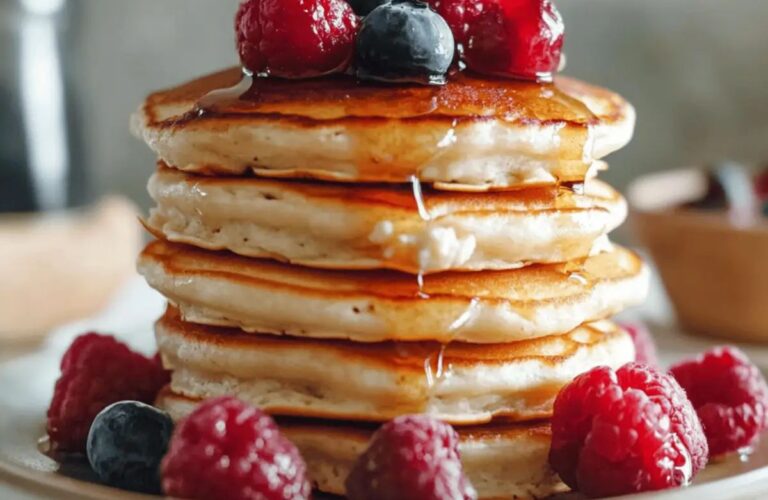
Fluffy cottage cheese pancakes are one of the most delightful and surprisingly satisfying breakfast treats enjoyed across many parts of the world. Their popularity comes from their extraordinarily light, airy texture, subtle tang from the cottage cheese, golden edges, naturally higher protein content compared to traditional pancakes, and the way they manage to feel indulgent and wholesome at the same time. A stack of warm fluffy cottage cheese pancakes can be enjoyed on a leisurely weekend morning, as a special weekday breakfast that feels like a treat, during a relaxed brunch gathering, as a post-workout morning meal, or simply whenever a soft, fluffy, deeply satisfying pancake is desired.
Unlike standard pancakes made purely with flour and milk, cottage cheese pancakes incorporate smooth, protein-rich cottage cheese directly into the batter, creating a batter that produces pancakes with an almost soufflé-like fluffiness, a slight creaminess in every bite, and a beautiful golden exterior that contrasts with the pillowy soft interior. This comprehensive recipe explains every stage of preparation in detail, from selecting the right cottage cheese to blending, resting, cooking, and serving the final stack.
Introduction
Cottage cheese pancakes have a long history in home kitchens across many cultures, valued for the way this humble dairy ingredient transforms a standard pancake batter into something noticeably lighter, creamier, and more nutritionally satisfying. In many European and Scandinavian cooking traditions, fresh curd-based pancakes have been a breakfast staple for generations, and the modern cottage cheese pancake has captured the imagination of home cooks everywhere who have discovered how dramatically a cup of cottage cheese can improve their morning stack.
The secret to the extraordinary fluffiness of these pancakes lies in a combination of blending the cottage cheese until completely smooth before adding it to the batter, beating the egg whites separately to create a meringue-like foam that is then gently folded into the batter, and allowing the batter to rest briefly before cooking. Each of these steps contributes to a final pancake that rises noticeably higher, stays softer longer, and has a texture that genuinely sets it apart from an ordinary pancake. The natural tang of the cottage cheese balances the sweetness of any toppings beautifully, making these pancakes equally at home under a drizzle of maple syrup, a pile of fresh berries, or a simple dusting of powdered sugar.
The dish relies on combining blended cottage cheese with eggs, flour, a small amount of leavening, and just a touch of sweetness, then cooking on a properly heated pan to achieve those signature golden, lacy edges and pillowy centers. This characteristic makes fluffy cottage cheese pancakes especially rewarding to prepare at home because the technique, once practiced, consistently delivers a result that guests and family members consistently describe as the best pancakes they have ever had. The resulting pancakes are naturally fluffy, creamy, and deeply satisfying.
Homemade fluffy cottage cheese pancakes require only a handful of simple ingredients, a blender, a skillet or griddle, and a moderate amount of patience while cooking each batch. Even beginners can successfully prepare them without difficulty.
Yield
This recipe produces approximately twelve to fourteen medium pancakes, serving three to four people generously.
Preparation Time
- Preparation and Blending: 10 minutes
- Resting: 5 minutes
- Cooking: 20 to 25 minutes
- Total Time: Approximately 35 to 40 minutes
Main Ingredients
- 1 cup full-fat cottage cheese
- 3 large eggs, separated
- ½ cup all-purpose flour
- 1 teaspoon baking powder
- 1 tablespoon granulated sugar
- ½ teaspoon vanilla extract
- A pinch of salt
- Butter or oil, for cooking
Additional Optional Ingredients
- 1 teaspoon lemon zest, for a citrus variation
- A handful of fresh blueberries, folded in gently
- A pinch of ground cinnamon
- 1 tablespoon honey, in place of granulated sugar
- 2 tablespoons oats, blended into the batter for extra texture
- A small amount of cream cheese, blended with the cottage cheese for extra richness
- A splash of almond extract alongside the vanilla
- Fresh sliced strawberries, for serving
- A generous drizzle of maple syrup, for serving
- Whipped cream, for serving
- A light dusting of powdered sugar, for garnish
- Greek yogurt, for serving alongside
Equipment Required
- Blender or food processor
- Large mixing bowl
- Hand mixer or stand mixer, for beating egg whites
- Rubber spatula
- Non-stick skillet or griddle
- Ladle or quarter-cup measure
- Measuring cups
- Measuring spoons
- Spatula for flipping
- Wire rack, for keeping finished pancakes warm
- Serving plates
Choosing the Perfect Cottage Cheese and Eggs
The quality of the cottage cheese and eggs directly affects the final fluffiness and flavor of the pancakes. Selecting the right ingredients is therefore extremely important.
Choose full-fat, small-curd cottage cheese with a thick, creamy consistency rather than a watery, low-fat variety, since the higher fat content contributes directly to a richer, more tender pancake. A thicker cottage cheese also blends more smoothly, which helps create an even batter without any grainy texture.
Select fresh eggs with clean, uncracked shells. The egg whites play a particularly important role in this recipe, as they will be beaten to stiff peaks and folded into the batter to create the characteristic fluffiness, so fresh egg whites that whip easily and hold their volume well are essential.
Avoid cottage cheese that appears very watery or has excess liquid pooling in the container, and avoid eggs that do not whip easily, which can sometimes be the case with older eggs.
Draining the Cottage Cheese if Needed
If the cottage cheese appears very wet or watery, draining it briefly improves the batter consistency.
- Place the cottage cheese in a fine mesh strainer set over a bowl.
- Let it drain in the refrigerator for about fifteen to twenty minutes.
- Discard the excess liquid before blending.
Draining prevents the batter from becoming too thin and helps the pancakes hold their shape and thickness during cooking.
Blending the Cottage Cheese Smooth
Blending the cottage cheese until completely smooth is one of the most important steps for achieving a uniform, lump-free batter.
- Place the cottage cheese in a blender or food processor.
- Blend on high speed for about thirty to forty-five seconds until the cottage cheese is completely smooth and creamy, with no visible curds remaining.
- Add the egg yolks, vanilla extract, and sugar to the blender.
- Blend again briefly until all the wet ingredients are smooth and well combined.
A completely smooth cottage cheese base creates a fine, evenly textured pancake with no unexpected pockets of curd that can affect the cooking.
Mixing the Dry Ingredients
- In a large mixing bowl, whisk together the flour, baking powder, and a pinch of salt.
- Pour the blended cottage cheese mixture into the dry ingredients.
- Stir together gently until just combined, taking care not to overmix.
A few small lumps in the batter at this stage are acceptable and will cook out during the resting and cooking steps.
Beating the Egg Whites
Beating the egg whites separately and folding them into the batter is the key technique that elevates these pancakes from simply good to extraordinarily fluffy.
- Ensure the mixing bowl and beaters are completely clean and free of any fat or residue, as even a trace of yolk or oil can prevent the whites from whipping properly.
- Add the egg whites to the clean mixing bowl with a pinch of salt.
- Beat on medium speed until foamy, then increase to high speed.
- Continue beating until stiff, glossy peaks form that hold their shape when the beaters are lifted.
- The whites should be firm and white, not dry or grainy.
Folding the Egg Whites into the Batter
- Add about one third of the beaten egg whites to the batter and stir in gently to lighten the mixture.
- Add the remaining egg whites in two more additions, folding each time using a rubber spatula with slow, sweeping motions from the bottom of the bowl upward.
- Fold only until no white streaks remain, taking great care not to deflate the whites with aggressive stirring.
Every bubble preserved in the folded egg whites directly translates into extra height and fluffiness in the finished pancake.
Letting the Batter Rest Before Cooking
Allowing the batter to rest for a few minutes before cooking is a small but noticeably beneficial step.
- Let the finished batter rest at room temperature for about five minutes.
- This brief rest allows the baking powder to begin activating and the flour to hydrate more fully.
Primary Cooking Process
- Heat a non-stick skillet or griddle over medium-low heat.
- Add a small knob of butter and allow it to melt and coat the surface evenly without browning.
- Using a ladle or quarter-cup measure, pour individual portions of batter onto the pan, spacing them slightly apart.
- Cook over medium-low heat for two to three minutes until the surface of each pancake shows several small bubbles and the edges look set and slightly dry.
- Flip each pancake carefully with a wide spatula in a single confident motion.
- Cook on the second side for one to two minutes until the bottom is golden and the pancake is cooked through.
- Transfer to a warm plate or a wire rack set over a low oven to keep warm while cooking the remaining batches.
Understanding Fluffiness and Doneness Levels
Every pancake batter behaves slightly differently depending on the cottage cheese and egg sizes used.
- Cooking over medium-low heat is essential for cottage cheese pancakes; too high a heat browns the outside before the interior is cooked through, while the right lower heat allows the pancakes to rise and cook evenly.
- These pancakes are slightly thicker than standard pancakes, so they benefit from a slightly longer first-side cooking time.
- Always wait until the bubbles on the surface are fully formed and the edges look dry before flipping; flipping too early collapses the fluffy structure before it has set.
- A properly cooked cottage cheese pancake will feel springy when gently pressed and will spring back fully without leaving an indentation.
Optional Flavor and Mix-In Techniques
Some people enjoy a simple, classic cottage cheese pancake while others prefer extra flavor folded gently into the batter.
For a simple, classic finish:
- Keep the batter plain and rely on toppings for flavor variation.
For a fruity finish:
- Gently fold a handful of fresh blueberries into the batter at the very end, after the egg whites have been incorporated, for beautiful, bursting berry pockets.
For a citrus-infused finish:
- Add lemon zest to the batter along with the vanilla extract for a bright, refreshing flavor.
Making a Simple Berry Compote
Many people enjoy serving cottage cheese pancakes with a warm, fresh berry compote alongside.
- In a small saucepan, combine a cup of mixed berries with a tablespoon of honey and a small splash of lemon juice.
- Cook over medium heat, stirring gently, for five to seven minutes until the berries break down into a glossy, thick compote.
- Spoon generously over the finished pancakes just before serving.
Simple Plain Version
Many people enjoy cottage cheese pancakes in their simplest form, topped only with a drizzle of maple syrup and a light dusting of powdered sugar.
The natural creaminess and subtle tang of the cottage cheese already creates a wonderfully satisfying pancake without needing any elaborate toppings.
Simply serve warm from the pan with a small pat of butter melting on top and a generous drizzle of pure maple syrup.
Resting the Finished Pancakes
- Transfer cooked pancakes to a wire rack set over a baking sheet in a warm oven while cooking the remaining batches.
- Resting briefly on a rack rather than stacking directly prevents the bottoms from becoming soggy from steam.
Traditional Serving Method
- Stack three to four pancakes on a warm plate.
- Add a small pat of butter on top that melts between the layers.
- Drizzle generously with maple syrup.
- Dust lightly with powdered sugar and garnish with fresh berries.
Elegant Presentation Method
- Stack pancakes slightly off-center on a wide, flat plate for a tilted, dramatic presentation.
- Drizzle the berry compote artistically down the side of the stack and across the plate.
- Add a generous dollop of whipped cream alongside.
- Scatter fresh berries around the plate and dust the whole arrangement lightly with powdered sugar.
- Add a small sprig of fresh mint for a polished, restaurant-style finish.
This presentation works beautifully for brunch gatherings and special occasion breakfasts.
Blueberry Cottage Cheese Pancakes
Ingredients: Pancake base, fresh blueberries
Method:
- Fold fresh blueberries into the finished batter just before cooking.
The blueberries burst gently during cooking, creating juicy pockets throughout each pancake.
Lemon Cottage Cheese Pancakes
Ingredients: Pancake base, lemon zest, lemon juice
Method:
- Add lemon zest and a small squeeze of lemon juice to the blended cottage cheese mixture for a bright, refreshing flavor.
Cinnamon Cottage Cheese Pancakes
Ingredients: Pancake base, ground cinnamon
Method:
- Add a generous pinch of ground cinnamon to the dry ingredients for a warm, spiced variation.
Strawberry Cottage Cheese Pancakes
Ingredients: Pancake base, fresh strawberries
Method:
- Slice fresh strawberries thinly and either fold into the batter or serve as a warm compote on top.
Chocolate Chip Cottage Cheese Pancakes
Ingredients: Pancake base, mini chocolate chips
Method:
- Fold mini chocolate chips into the batter gently after incorporating the egg whites.
Banana Cottage Cheese Pancakes
Ingredients: Pancake base, ripe banana
Method:
- Mash a very ripe banana and blend it with the cottage cheese for a naturally sweet, banana-flavored variation.
Oat Cottage Cheese Pancakes
Ingredients: Pancake base, rolled oats
Method:
- Add a small handful of rolled oats to the blender with the cottage cheese for extra texture and heartiness.
Almond Flour Cottage Cheese Pancakes
Ingredients: Pancake base, almond flour
Method:
- Replace a portion of the all-purpose flour with almond flour for a slightly nuttier, denser variation.
Honey Vanilla Cottage Cheese Pancakes
Ingredients: Pancake base, honey, extra vanilla
Method:
- Replace the granulated sugar with honey and add an extra splash of vanilla for a richer, more aromatic sweetness.
Savory Herb Cottage Cheese Pancakes
Ingredients: Pancake base, fresh chives, skip the sugar
Method:
- Omit the vanilla and sugar entirely and add finely chopped fresh chives, a pinch of garlic powder, and extra salt for a savory, versatile pancake.
- Serve with sour cream and smoked salmon instead of sweet toppings.
Nutritional Information
Fluffy cottage cheese pancakes naturally contain:
- Protein
- Calcium
- Carbohydrates
- Vitamin B12
- Riboflavin
- Phosphorus
The exact nutritional content varies depending on the specific cottage cheese and other ingredients used.
Common Mistakes
- Using low-fat or watery cottage cheese, which produces a thinner batter and less rich pancake.
- Skipping the blending step, leaving visible curds in the batter that create uneven texture.
- Overmixing the batter after folding in the egg whites, deflating the carefully developed air bubbles.
- Using any fat or residue in the bowl when beating egg whites, preventing them from whipping properly.
- Cooking at too high a temperature, causing the outside to brown before the thick center is cooked through.
- Flipping the pancakes too early, before the surface bubbles have fully formed and the edges are set.
- Not resting the batter, missing a simple step that noticeably improves the final texture.
- Stacking finished pancakes directly on top of each other without a rack, causing them to steam and lose their fluffiness.
- Adding too many mix-ins, which can weigh down the light batter and affect the rise.
- Over-draining the cottage cheese, which can result in a batter that is too dry and produces a denser pancake.
Storage Guidelines
- Store leftover pancakes in a sealed container.
- Keep refrigerated.
- Consume within two to three days for best quality.
- Reheat individually in a toaster or a warm non-stick pan to restore some of the original texture rather than using a microwave.
Freezing Instructions
Fluffy cottage cheese pancakes freeze exceptionally well, making them an excellent make-ahead breakfast option.
- Allow the cooked pancakes to cool completely on a wire rack.
- Place them in a single layer on a tray and freeze until firm.
- Once frozen, stack with a small piece of parchment paper between each pancake to prevent sticking.
- Transfer to a freezer-safe bag and freeze for up to two months.
- Reheat directly from frozen in a toaster, toaster oven, or briefly in a skillet over low heat.
Creative Uses for Leftover Pancakes
- Layer leftover pancakes with yogurt and berries in a parfait cup.
- Use cold pancakes as a base for a quick dessert with whipped cream and fresh fruit.
- Warm and serve with a drizzle of nut butter and sliced banana for a hearty snack.
- Stack and fill with cream cheese frosting for a fun pancake cake dessert.
- Cube leftover pancakes and toss into a warm fruit compote for a quick dessert.
Party Serving Suggestions
- Prepare a double or triple batch ahead of time and keep warm in a low oven until serving.
- Set up a topping bar with maple syrup, berry compote, whipped cream, sliced fresh fruit, and powdered sugar for guests to customize their own stack.
- Offer both sweet and savory variations on the same serving spread for maximum variety.
- Use a griddle or electric skillet to cook multiple pancakes at once for faster service at a large gathering.
- Pair with fresh-squeezed juice, coffee, and a fruit salad for a complete, elegant brunch spread.