admin1
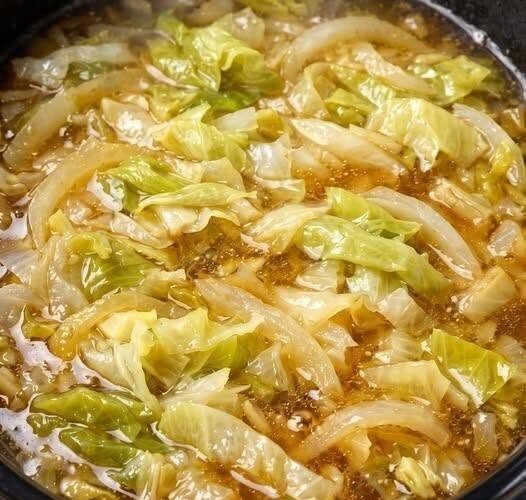
Slow-Cooked Rustic Cabbage and Onion Soup
Slow-cooked rustic cabbage and onion soup is one of the most comforting humble soups enjoyed across many parts of the world. Its popularity comes from its deeply savory broth, tender slow-cooked cabbage, naturally sweet caramelized onions, and the way it transforms a few simple vegetables into a hearty, satisfying meal. A warm bowl of cabbage and onion soup can be enjoyed on a cold winter evening, as a comforting weeknight dinner, a light yet filling lunch, a make-ahead meal for the week, or simply whenever a cozy, rustic soup is desired.
Unlike quick stovetop soups, this slow-cooked version allows the cabbage and onions to break down gradually over a long cooking time, deepening their natural sweetness and creating a rich, well-developed broth without needing many ingredients. This comprehensive recipe explains every stage of preparation in detail, from selecting the right cabbage and onions to slow cooking and serving the final soup.
Introduction
Cabbage and onion soup belongs to a long tradition of humble, peasant-style soups found in many home kitchens, valued for turning inexpensive, readily available vegetables into a deeply satisfying meal. The slow cooking process is essential to this dish’s character, allowing the cabbage to soften completely and the onions to caramelize slowly, releasing their natural sugars into the broth. This style of soup has remained a beloved comfort food for generations because of its simplicity and its ability to warm both the body and the spirit on a cold day.
The dish relies on slowly cooking thinly sliced cabbage and onions together with broth and seasonings over low heat for an extended period, allowing the vegetables to soften and the flavors to meld completely. This characteristic makes slow-cooked rustic cabbage and onion soup especially convenient because it requires minimal hands-on effort once the ingredients are combined. The resulting soup is naturally hearty, savory, and comforting.
Homemade slow-cooked rustic cabbage and onion soup requires only a handful of pantry vegetables, basic kitchen equipment, and a good amount of slow cooking time. Even beginners can successfully prepare it without difficulty.
Yield
This recipe produces approximately six to eight servings.
Preparation Time
- Preparation: 20 minutes
- Slow Cooking: 6 to 8 hours
- Total Time: Approximately 6 hours 20 minutes to 8 hours 20 minutes
Main Ingredients
- 1 medium head of cabbage, thinly sliced
- 3 large onions, thinly sliced
- 3 tablespoons butter or olive oil
- 4 garlic cloves, minced
- 6 cups vegetable or beef broth
- 1 bay leaf
- 1 teaspoon dried thyme
- Salt and black pepper, to taste
Additional Optional Ingredients
- 2 carrots, sliced
- 2 celery stalks, sliced
- 1 cup diced tomatoes
- A splash of apple cider vinegar
- A pinch of caraway seeds
- A handful of chopped fresh parsley, for garnish
- A drizzle of dry white wine, for extra depth
- A sprinkle of grated parmesan cheese, for serving
- A pinch of smoked paprika
- Crusty bread, for serving
Equipment Required
- Slow cooker
- Sharp knife
- Cutting board
- Large skillet (for caramelizing onions, optional)
- Wooden spoon
- Measuring cups
- Measuring spoons
- Ladle
- Serving bowls
Choosing the Perfect Cabbage and Onions
The quality of the cabbage and onions directly affects the final flavor of the soup. Selecting the right vegetables is therefore extremely important.
Choose a cabbage head that feels firm and heavy for its size, with tightly packed, crisp leaves. A fresh cabbage should have a clean, slightly peppery smell rather than any sour odor.
Select firm onions with dry, papery skin and no soft spots, as these will caramelize more evenly and develop a deeper sweetness during the long cooking process.
Avoid cabbage with wilted, yellowing outer leaves or visible browning, and avoid onions that feel soft, sprouted, or show signs of mold.
Preparing the Cabbage
- Remove any tough or damaged outer leaves from the cabbage.
- Cut the cabbage into quarters and remove the tough core.
- Slice each quarter thinly into ribbons.
- Rinse the sliced cabbage briefly under cool water and set aside to drain.
Preparing the Onions
- Peel the onions and slice them thinly into half-moons.
- Mince the garlic cloves and set aside separately.
Letting the Onions Caramelize Briefly Before Slow Cooking
Taking a few extra minutes to caramelize the onions on the stovetop before slow cooking deepens their natural sweetness.
- Heat the butter or olive oil in a large skillet over medium heat.
- Add the sliced onions and cook, stirring occasionally, for about ten minutes until they soften and turn golden.
- Add the minced garlic during the last minute of cooking, stirring until fragrant.
This optional step is not required but adds a noticeably richer flavor to the finished soup.
Primary Slow Cooking Process
- Transfer the caramelized onions and garlic to the slow cooker, or add raw sliced onions and garlic directly if skipping the stovetop step.
- Add the sliced cabbage, broth, bay leaf, and dried thyme.
- Season with salt and pepper.
- Stir gently to combine all the ingredients.
- Cover and cook on low for 6 to 8 hours, or on high for 3 to 4 hours, until the cabbage is completely tender and the flavors have melded together.
Understanding Sweetness and Seasoning Levels
Every batch of cabbage and onions can vary slightly in natural sweetness and intensity.
- A longer cooking time allows the cabbage to break down further and the onions to sweeten more deeply.
- Always taste the broth partway through cooking and adjust seasoning as needed.
- Adding too much salt early on can be difficult to balance later, so season gradually and taste again near the end.
- A splash of vinegar near the end of cooking can help brighten the flavor if the soup tastes too one-dimensionally sweet.
Optional Vegetable and Flavor Boosting Techniques
Some people enjoy a simple cabbage and onion soup while others prefer extra vegetables or a deeper, more complex flavor.
For a simple finish:
- Stick to just cabbage, onions, garlic, and broth for a clean, classic flavor.
For a heartier finish:
- Add sliced carrots and celery to the slow cooker along with the cabbage and onions.
For a deeper, more complex finish:
- Stir in diced tomatoes and a splash of dry white wine for extra richness.
Making a Quick Garlic Bread Topping
Many people enjoy serving this soup with warm, crusty bread for dipping.
- Slice a baguette or crusty bread into thick pieces.
- Toast lightly and rub with a cut garlic clove for extra flavor.
- Serve alongside the warm soup for dipping.
Simple Plain Version
Many people enjoy the soup in its simplest, most classic form.
The natural sweetness of slow-cooked cabbage and onions, combined with a well-seasoned broth, already creates a satisfying soup on its own.
Simply skip any extra vegetables or toppings, allowing the cabbage, onion, and broth to shine on their own.
Resting the Finished Soup
- Once the soup has finished cooking, remove the bay leaf.
- Let the soup rest for a few minutes before serving, allowing the flavors to settle slightly.
Traditional Serving Method
- Ladle the hot soup into bowls.
- Garnish with freshly chopped parsley, if desired.
- Serve warm, alongside crusty bread.
Elegant Presentation Method
- Ladle the soup into wide, shallow bowls.
- Garnish with a sprinkle of fresh parsley and a light dusting of grated parmesan.
- Add a few cracks of black pepper and a drizzle of good olive oil for a polished finish.
- Serve with a slice of toasted, garlic-rubbed bread on the side.
This presentation works well for cozy dinner parties and family gatherings.
Hearty Vegetable Cabbage and Onion Soup
Ingredients: Soup base, carrots, celery
Method:
- Add sliced carrots and celery to the slow cooker along with the cabbage and onions.
This version adds extra texture and a more well-rounded vegetable flavor.
Tomato Cabbage and Onion Soup
Ingredients: Soup base, diced tomatoes
Method:
- Stir in diced tomatoes along with the broth before slow cooking.
Caraway Spiced Cabbage and Onion Soup
Ingredients: Soup base, caraway seeds
Method:
- Add a pinch of caraway seeds to the slow cooker for a distinctive, slightly nutty flavor.
Smoky Cabbage and Onion Soup
Ingredients: Soup base, smoked paprika
Method:
- Stir in a pinch of smoked paprika for a deeper, smokier flavor profile.
White Wine Cabbage and Onion Soup
Ingredients: Soup base, dry white wine
Method:
- Add a splash of dry white wine to the skillet while caramelizing the onions, letting it reduce before transferring to the slow cooker.
Cheesy Topped Cabbage and Onion Soup
Ingredients: Soup base, grated parmesan or melted cheese
Method:
- Top each bowl with a generous sprinkle of grated parmesan or a slice of melted cheese on toasted bread, similar to a classic onion soup presentation.
Tangy Vinegar Cabbage and Onion Soup
Ingredients: Soup base, apple cider vinegar
Method:
- Stir in a splash of apple cider vinegar during the last thirty minutes of cooking for a brighter, tangier finish.
Garlic Bread Topped Cabbage and Onion Soup
Ingredients: Soup base, garlic bread
Method:
- Serve each bowl with a thick slice of warm garlic bread for dipping.
Herb-Infused Cabbage and Onion Soup
Ingredients: Soup base, fresh parsley, extra thyme
Method:
- Add extra fresh herbs to the broth during the last hour of cooking for a more pronounced herbal flavor.
Extra Caramelized Cabbage and Onion Soup
Ingredients: Soup base, extended caramelizing time
Method:
- Caramelize the onions for a longer period on the stovetop, about twenty minutes, before adding them to the slow cooker for an even deeper, sweeter flavor.
Nutritional Information
Slow-cooked rustic cabbage and onion soup naturally contains:
- Dietary fiber
- Vitamin C
- Vitamin K
- Folate
- Potassium
The exact nutritional content varies depending on the specific ingredients and quantities used.
Common Mistakes
- Skipping the caramelizing step, missing out on a deeper, richer flavor.
- Not seasoning gradually, leading to an overly salty or bland final broth.
- Overcrowding the slow cooker, preventing even cooking.
- Forgetting to remove the bay leaf before serving.
- Using a low-quality broth, which can leave the soup tasting flat.
- Cutting the cabbage too thickly, leading to uneven cooking.
- Cooking on too high a setting for too long, which can break down the vegetables excessively.
- Not tasting and adjusting seasoning toward the end of cooking.
- Serving the soup immediately without letting it rest briefly.
- Skipping fresh garnishes, missing an easy way to add brightness to the finished dish.
Storage Guidelines
- Store leftover soup in a sealed container.
- Keep refrigerated.
- Consume within four to five days for best quality.
- Reheat gently on the stovetop, stirring occasionally, until warmed through.
Freezing Instructions
Slow-cooked rustic cabbage and onion soup freezes well, making it a great make-ahead meal.
- Allow the soup to cool completely before freezing.
- Transfer to freezer-safe containers or bags, leaving a little room for expansion.
- Freeze for up to three months.
- Thaw in the refrigerator overnight before reheating on the stovetop.
Creative Uses for Leftover Soup
- Blend a portion of the soup until smooth for a creamy variation.
- Use as a base for a heartier stew by adding cooked grains or beans.
- Spoon over a baked potato for a comforting topping.
- Use as a flavorful braising liquid for cooking grains like rice or barley.
- Pair with a grilled cheese sandwich for a classic, comforting meal.
Party Serving Suggestions
- Prepare a large batch ahead of time and keep warm in the slow cooker for serving.
- Offer a side of crusty bread and butter for guests to enjoy alongside the soup.
- Set out toppings like parmesan, fresh herbs, and cracked pepper for guests to customize their bowl.
- Serve in smaller cups for a casual, mingling-style gathering.
- Pair with a simple green salad for a complete, comforting meal.