admin1
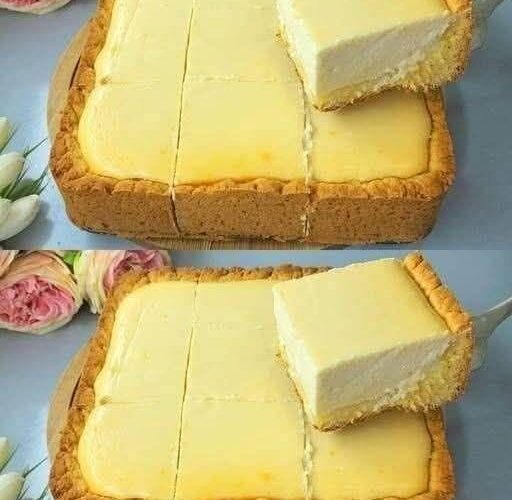
Torta della Nonna is one of the most beloved traditional Italian desserts enjoyed across many parts of the world. Its name, meaning “grandmother’s cake,” reflects its popularity as a comforting, homestyle treat passed down through generations. Its appeal comes from its buttery, crumbly pastry shell, smooth and fragrant vanilla custard filling, golden toasted pine nuts on top, and the way it manages to feel both rustic and elegant at once. A slice of freshly baked Torta della Nonna can be enjoyed during afternoon coffee breaks, family gatherings, holiday celebrations, leisurely Sunday dinners, or simply whenever a classic Italian dessert is desired.
Unlike many modern pastries, Torta della Nonna relies on simple, time-honored techniques: a tender shortcrust pastry filled with a rich custard and finished with toasted pine nuts and a dusting of powdered sugar. This comprehensive recipe explains every stage of preparation in detail, from selecting the right ingredients for the pastry and custard to assembling, baking, and serving the final cake.
Introduction
Torta della Nonna has long held a cherished place in Italian home baking, traditionally prepared as a way to use pantry staples like eggs, milk, flour, and lemon to create something special without requiring exotic ingredients. The dessert consists of a buttery pastry crust, similar to a sweet shortcrust, encasing a smooth, lightly lemon-scented custard, all topped with a generous scattering of pine nuts that toast to a golden color as the cake bakes. This combination of textures and flavors has made it a staple in Italian bakeries and home kitchens alike.
The dish relies on preparing a tender pastry dough, chilling it to ensure easy handling, and pairing it with a custard made from eggs, milk, sugar, and a touch of citrus zest. This characteristic makes Torta della Nonna especially rewarding to bake at home because, while it requires a few separate components, each step is approachable and the final presentation is truly impressive. The resulting cake is naturally creamy, buttery, and fragrant.
Homemade Torta della Nonna requires a handful of pantry ingredients, basic kitchen equipment, and a bit of patience while the pastry chills and the custard cooks. Even beginners can successfully prepare it with attention to a few key details.
Choosing the Perfect Eggs and Lemons
The quality of the eggs and lemons directly affects the final flavor and richness of the cake. Selecting the right ingredients is therefore extremely important.
Choose fresh eggs with clean, uncracked shells and a recent purchase date, since the custard relies heavily on egg yolks for its rich, smooth texture.
Select lemons that feel heavy for their size, with bright yellow, glossy skin, as this indicates a higher juice and oil content in the zest, which provides much of the cake’s signature fragrance.
Avoid eggs with cracked shells or an unusual smell, and avoid lemons with dull, wrinkled skin, as they tend to have less aromatic zest.
Preparing the Pastry Dough
- In a large mixing bowl, combine the flour, sugar, and a pinch of salt.
- Add the cold, cubed butter and work it into the flour using a pastry cutter or your fingertips until the mixture resembles coarse crumbs.
- Add the egg yolks, whole egg, and lemon zest.
- Mix gently until the dough just comes together, taking care not to overwork it.
Chilling the Pastry Dough
Allowing the dough to chill thoroughly is essential for easy handling and a tender final texture.
- Shape the dough into two flattened discs, one slightly larger than the other.
- Wrap each disc tightly in plastic wrap.
- Refrigerate for at least one hour, or until firm enough to roll out easily.
Preparing the Custard Filling
- In a medium saucepan, warm the milk over medium heat until just steaming, taking care not to let it boil.
- In a separate bowl, whisk together the egg yolks and sugar until pale and slightly thickened.
- Whisk in the flour until smooth.
Cooking the Custard
- Slowly pour the warm milk into the egg mixture, whisking constantly to prevent the eggs from cooking too quickly.
- Return the combined mixture to the saucepan and place it over medium-low heat.
- Cook, whisking constantly, until the custard thickens to a smooth, pudding-like consistency, about five to seven minutes.
- Remove from heat and stir in the lemon zest and vanilla extract.
- Transfer the custard to a bowl, cover the surface directly with plastic wrap to prevent a skin from forming, and let it cool to room temperature.
Understanding Sweetness and Richness Levels
Every batch of eggs and lemons can vary slightly in flavor intensity.
- A higher number of egg yolks creates a richer, more golden custard.
- Adding more lemon zest intensifies the citrus aroma without adding extra liquid.
- Always taste the cooled custard before assembling, adjusting sweetness slightly if needed.
- Adding too much sugar to the custard can overshadow the delicate lemon fragrance that defines this cake.
Assembling the Pastry and Filling
- Preheat the oven to 350°F (175°C).
- Lightly grease a 9-inch springform or tart pan.
- Roll out the larger disc of chilled dough on a lightly floured surface and press it into the bottom and up the sides of the prepared pan.
- Trim any excess dough from the edges.
- Pour the cooled custard filling into the pastry-lined pan, spreading it evenly.
- Roll out the second disc of dough and place it over the custard, sealing the edges with the bottom layer.
- Trim any excess dough and crimp the edges decoratively, if desired.
Optional Lattice or Solid Top Techniques
Some bakers prefer a classic solid pastry top while others enjoy a decorative lattice design.
For a classic solid top:
- Simply place the rolled-out second disc of dough directly over the custard and seal the edges.
For a decorative lattice top:
- Cut the second disc of dough into strips and weave them over the custard in a lattice pattern before sealing the edges.
For a rustic open-top version:
- Skip the top pastry layer entirely, leaving the custard exposed and topped generously with pine nuts.
Adding the Pine Nut Topping
Many people enjoy finishing the cake with a generous layer of toasted pine nuts.
- Sprinkle the pine nuts evenly over the top of the assembled cake.
- Gently press them into the surface so they adhere during baking.
- The pine nuts will toast to a golden color as the cake bakes, adding both flavor and visual appeal.
Simple Pine Nut-Free Version
Many people enjoy the cake without the traditional pine nut topping.
The combination of buttery pastry and smooth lemon custard already creates a satisfying dessert on its own.
Simply skip the pine nuts and dust the finished, cooled cake with powdered sugar instead.
Primary Baking Process
- Place the assembled cake in the preheated oven.
- Bake for 30 to 35 minutes, or until the pastry turns a deep golden brown and the pine nuts are lightly toasted.
- If the pastry begins browning too quickly, loosely cover with foil for the remaining baking time.
- Remove the cake from the oven once the crust is fully golden.
Cooling the Finished Cake
- Let the cake cool in the pan for at least thirty minutes before attempting to remove the springform ring.
- Allow the cake to cool further on a wire rack until it reaches room temperature.
- Proper cooling helps the custard fully set, making for clean, neat slices.
Traditional Serving Method
- Dust the cooled cake generously with powdered sugar.
- Slice into wedges using a sharp knife.
- Serve at room temperature, alongside coffee or tea.
Elegant Presentation Method
- Place a slice at the center of a decorative plate.
- Dust with a fine, even layer of powdered sugar just before serving.
- Garnish with a few fresh berries or a small mint leaf.
- Add a light drizzle of honey for an extra special touch.
This presentation works well for dinner parties and special Italian-themed gatherings.
Limoncello Torta della Nonna
Ingredients: Cake base, limoncello
Method:
- Stir a tablespoon of limoncello into the cooled custard before assembling the cake.
This version adds a subtle, bright citrus liqueur note.
Almond Torta della Nonna
Ingredients: Cake base, almond extract, sliced almonds
Method:
- Add a few drops of almond extract to the custard.
- Replace the pine nuts with sliced almonds for the topping.
Orange Scented Torta della Nonna
Ingredients: Cake base, orange zest
Method:
- Add orange zest alongside the lemon zest in both the pastry and custard for a more layered citrus flavor.
Apricot Filled Torta della Nonna
Ingredients: Cake base, apricot jam
Method:
- Spread a thin layer of apricot jam over the bottom pastry layer before adding the custard.
This variation introduces a subtle fruity sweetness beneath the custard.
Cinnamon Spiced Torta della Nonna
Ingredients: Cake base, ground cinnamon
Method:
- Sprinkle a pinch of ground cinnamon over the pine nuts before baking.
Lattice-Topped Torta della Nonna
Ingredients: Cake base, lattice pastry design
Method:
- Use the lattice technique described above for a decorative, rustic finish.
Mini Torta della Nonna Tartlets
Ingredients: Cake base, small tart pans
Method:
- Divide the pastry and custard among several small tart pans instead of one large cake.
- Reduce baking time to twenty to twenty-five minutes.
This version is perfect for individual servings at gatherings.
Berry Topped Torta della Nonna
Ingredients: Cake base, fresh berries
Method:
- Garnish the finished, cooled cake with a scattering of fresh berries just before serving.
Cocoa Dusted Torta della Nonna
Ingredients: Cake base, cocoa powder
Method:
- Dust the finished cake with a light layer of cocoa powder in addition to or instead of powdered sugar.
Open-Top Rustic Torta della Nonna
Ingredients: Cake base, no top pastry layer
Method:
- Skip the top pastry layer entirely, leaving the custard exposed and topped generously with pine nuts before baking.
Yield
This recipe produces one 9-inch round cake, yielding approximately eight to ten slices.
Preparation Time
- Preparation: 30 minutes
- Chilling (pastry): 1 hour
- Cooking (custard): 15 minutes
- Baking: 35 minutes
- Cooling: 30 minutes
- Total Time: Approximately 2 hours 50 minutes
Main Ingredients
For the Pastry:
- 2 ½ cups all-purpose flour
- ¾ cup granulated sugar
- ¾ cup cold unsalted butter, cubed
- 2 large egg yolks
- 1 whole egg
- Zest of 1 lemon
- A pinch of salt
For the Custard Filling:
- 2 cups whole milk
- 4 large egg yolks
- ½ cup granulated sugar
- ⅓ cup all-purpose flour
- Zest of 1 lemon
- 1 teaspoon vanilla extract
For the Topping:
- ½ cup pine nuts
- Powdered sugar, for dusting
Additional Optional Ingredients
- 1 tablespoon limoncello, stirred into the custard
- A pinch of ground cinnamon, sprinkled over the pine nuts
- A few drops of almond extract
- A thin layer of apricot jam, spread under the custard
- Sliced almonds, in place of pine nuts
- A splash of orange zest, in addition to lemon
- A pinch of nutmeg, stirred into the custard
- A drizzle of honey, for serving
- Fresh berries, for garnish
- A dusting of cocoa powder, for an alternative finish
Equipment Required
- Large mixing bowl
- Pastry cutter or food processor
- Rolling pin
- 9-inch springform or tart pan
- Medium saucepan
- Whisk
- Fine grater or zester
- Measuring cups
- Measuring spoons
- Plastic wrap, for chilling the dough
- Wire cooling rack
- Sharp knife for slicing
Nutritional Information
Torta della Nonna naturally contains:
- Protein
- Calcium
- Carbohydrates
- Dietary fats
- Vitamin A
- Riboflavin
The exact nutritional content varies depending on the specific ingredients and quantities used.
Common Mistakes
- Overworking the pastry dough, leading to a tough rather than tender crust.
- Skipping the chilling step, making the dough difficult to roll and handle.
- Not whisking constantly while cooking the custard, which can cause lumps.
- Adding hot milk too quickly to the egg mixture, which can scramble the eggs.
- Removing the cake from the oven before the pastry is fully golden.
- Slicing the cake before it has fully cooled and set.
- Overbaking the pine nuts, which can cause them to become overly dark or bitter.
- Using a pan that is too small, causing the filling to overflow during baking.
- Skipping the plastic wrap directly on the custard surface, allowing a skin to form.
- Forgetting to trim and seal the pastry edges properly, leading to filling leakage during baking.
Storage Guidelines
- Store the cake in an airtight container or tightly covered in the refrigerator.
- Keep chilled at all times due to the custard filling.
- Consume within three to four days for best quality.
- Bring to room temperature for about twenty minutes before serving for the best flavor and texture.
Freezing Instructions
Torta della Nonna can be frozen for future enjoyment.
- Allow the cake to cool completely before freezing.
- Wrap individual slices or the whole cake tightly in plastic wrap, then in foil.
- Place in a freezer-safe container or bag.
- Freeze for up to two months.
- Thaw overnight in the refrigerator before serving.
- Dust with fresh powdered sugar after thawing rather than before freezing.
Creative Uses for Leftover Cake
- Crumble leftover cake into a parfait with fresh berries.
- Serve alongside a scoop of vanilla gelato.
- Use as a base for a quick trifle with whipped cream.
- Pair with a cup of espresso for an afternoon treat.
- Warm slightly and serve with a drizzle of honey.
Party Serving Suggestions
- Prepare the cake a day in advance to allow the flavors to fully develop.
- Slice into smaller portions for easy sharing at larger gatherings.
- Serve alongside coffee or tea for an authentic Italian-style dessert course.
- Use a decorative cake stand for an elegant presentation.
- Garnish the serving platter with fresh lemon slices or berries for a polished, festive look.