 admin1
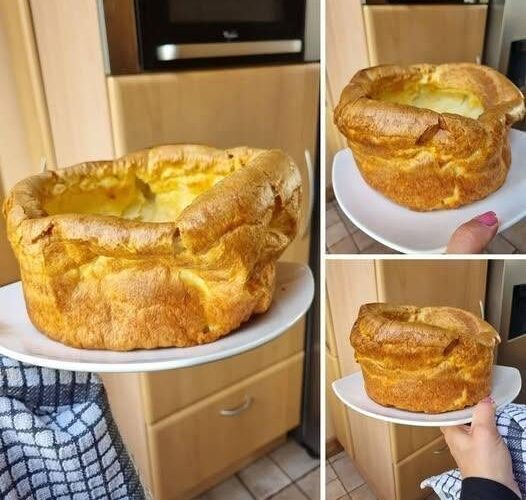
Traditional Yorkshire Pudding Recipe: The Ultimate Guide to Tall, Golden, Crispy, and Fluffy Yorkshire Puddings
Yorkshire pudding is one of the most beloved traditional British recipes, famous for its beautifully risen sides, golden-brown color, crisp outer shell, and soft, airy center. Although the ingredient list is remarkably simple, making excellent Yorkshire puddings requires a little understanding of the batter, the temperature of the oven, and the importance of using very hot fat.
Traditionally served alongside a Sunday roast dinner, Yorkshire puddings are especially popular with roast beef, mashed potatoes, roasted vegetables, and rich homemade gravy. Their hollow centers are perfect for catching delicious gravy, while their crisp edges provide a wonderful contrast to tender meat and vegetables.
The best part about Yorkshire pudding is that you do not need expensive ingredients or special baking skills to make it. With ordinary flour, eggs, milk, salt, and cooking fat, you can prepare a batch of impressive homemade Yorkshire puddings that taste wonderfully traditional.
This detailed recipe explains every stage, from preparing the batter and choosing the right baking tin to achieving a dramatic rise, preventing soggy bottoms, troubleshooting common problems, and serving your finished puddings.
Recipe Overview
Preparation time: 15 minutes
Batter resting time: 30 minutes to 2 hours
Cooking time: 20–30 minutes
Total time: Approximately 1 hour and 15 minutes, including a 30-minute rest
Servings: 8 medium Yorkshire puddings
Difficulty level: Easy to moderate
Cooking temperature: 425°F (220°C), or 400°F (200°C) for a fan oven
Cuisine: Traditional British
Texture: Crisp outside, light and airy inside, with a tender, hollow center
Ingredients for Traditional Yorkshire Puddings
The following quantities make approximately eight medium-sized Yorkshire puddings when using a standard muffin tin. The exact yield depends on the size of the cups and how much batter you pour into each one.
For the Yorkshire pudding batter
Plain flour: 125 grams, approximately 1 cup
Plain flour, also called all-purpose flour, provides the structure of the pudding. When mixed with eggs and milk, it forms a smooth batter that expands during baking. Plain flour is preferable to self-raising flour because Yorkshire puddings do not traditionally rely on baking powder for their rise.
Large eggs: 3
Eggs are essential for creating the characteristic structure and rich flavor of Yorkshire puddings. Their proteins help the batter set as it heats, while the moisture in the eggs contributes to the steam that helps the puddings expand.
Use eggs that are approximately room temperature if possible. They mix more easily into the batter and help prevent the cold batter from lowering the temperature of the hot fat too dramatically.
Whole milk: 200 milliliters, approximately ¾ to ⅞ cup
Whole milk provides moisture, flavor, and a tender interior. It helps produce a batter with the consistency of pouring cream.
Semi-skimmed milk can also be used, although whole milk generally gives a richer flavor.
Fine salt: ¼ teaspoon
Salt enhances the flavor of the batter. Although Yorkshire puddings are usually served with savory foods, they should still have enough seasoning to taste delicious on their own.
Neutral cooking oil, beef dripping, or another suitable cooking fat: approximately 1–2 tablespoons in total
The fat is used to coat the bottom of each baking cup. It must become very hot before the batter is added.
Sunflower oil, vegetable oil, and other suitable high-heat cooking oils work well. Traditional beef dripping gives the puddings a deeper, savory flavor.
If using beef dripping, remember that it is an animal-derived fat. Vegetable oil is a good alternative for a vegetarian version.
Equipment You Will Need
A standard 12-cup muffin tin is ideal for making individual Yorkshire puddings. You will use eight cups for this recipe, although you can divide the batter among all twelve cups for smaller puddings.
You will also need a large mixing bowl, a whisk, measuring scales or measuring cups, a jug for pouring the batter, and an oven.
A sieve is useful for removing flour lumps, while a small ladle makes it easier to distribute the batter evenly.
An oven thermometer can be helpful if your oven tends to run hotter or cooler than the temperature displayed on its control panel.
For the best results, use a metal muffin tin rather than a silicone mold. Metal heats quickly and helps the batter develop a crisp exterior.
Step 1: Prepare the Ingredients
Begin by measuring all the ingredients before you start mixing.
Accurate proportions are important because Yorkshire pudding depends on the balance between flour, eggs, and milk. Too much flour can create a heavy batter, while too much liquid can make the puddings difficult to structure properly.
Crack the three eggs into a small bowl first. This makes it easier to remove any shell fragments before adding them to the batter.
Measure the milk and flour separately. If the flour contains lumps, sift it into a large mixing bowl.
Allow the eggs and milk to approach room temperature if convenient. You do not need to warm them, but ingredients that are not extremely cold make it easier to produce a consistent batter.
Preheat the oven to 425°F (220°C), or 400°F (200°C) for a fan oven. The oven must be thoroughly heated before the puddings go in.
An important point to remember is that Yorkshire puddings need strong, consistent heat. If the oven is not sufficiently hot, the batter may cook slowly and fail to rise as dramatically as expected.
Step 2: Make the Smooth Batter
Place the flour and salt in a large mixing bowl.
Make a small well in the center of the flour. Add the eggs to the well and begin whisking gently.
At first, the mixture will be thick. Gradually incorporate the flour from the sides of the bowl until the eggs and flour form a smooth paste.
Now add the milk a little at a time, whisking continuously.
Adding the milk gradually is helpful because it allows you to incorporate the liquid without creating large flour lumps. Continue whisking until all the milk has been added and the mixture becomes smooth and pourable.
The finished batter should resemble single cream or thin pouring cream. It should flow easily from a spoon or whisk without looking watery.
If you notice a few small lumps, continue whisking. You can also pass the batter through a fine sieve to make it smoother.
Avoid whisking so aggressively that you splash the mixture everywhere. Consistent mixing is more important than creating a large amount of foam.
The batter should be fluid enough to spread quickly when poured into the hot muffin cups. This helps the puddings develop their characteristic thin, crisp edges and hollow centers.
Step 3: Rest the Batter
Resting the batter is one of the most useful techniques for improving homemade Yorkshire puddings.
Once the batter is smooth, cover the bowl and leave it at room temperature for approximately 30 minutes. You can also rest it for one to two hours if that fits your cooking schedule.
During this period, the flour absorbs moisture more thoroughly. The batter becomes more uniform, and the flour proteins have time to relax after mixing.
These changes can improve the texture and help the batter cook more evenly.
Although some recipes make Yorkshire puddings immediately after mixing, resting is a reliable method for achieving consistent results.
If you prepare the batter well in advance, cover it and refrigerate it. For food safety, keep it chilled and use it within a day. Before baking, stir it gently and allow enough time to prepare the hot tin. Do not leave egg-and-milk batter sitting at room temperature for extended periods.
After resting, inspect the consistency. If the batter has thickened slightly, whisk it gently until it returns to a smooth, pourable texture.
Do not add extra flour simply because the batter looks slightly thicker than before. The flour naturally absorbs liquid as it rests.
Step 4: Prepare the Muffin Tin
Place a small amount of cooking fat into each of eight muffin cups.
Use approximately ½ teaspoon of oil or melted dripping per cup, adjusting slightly to suit the size of your tin. The base should be coated, but the cups do not need to be filled with fat.
Place the tin on a level oven rack.
Carefully transfer the tin to the preheated oven and allow the fat to heat for approximately 8–10 minutes.
The oil should become very hot before the batter is added. This initial burst of heat helps the outer layer of batter begin cooking immediately, allowing the pudding to expand rather than simply absorbing the fat.
Use oven gloves when handling the tin. Hot oil can cause burns, so keep the tin level and avoid sudden movements.
Never leave the heating fat unattended for an extended period. If the fat begins smoking heavily, remove the tin carefully and allow it to cool slightly before proceeding.
The ideal result is very hot fat that is ready to sizzle when the batter enters the cups.
Step 5: Check the Batter Before Baking
While the fat heats, give the rested batter a gentle whisk.
This redistributes the ingredients and helps ensure that the flour has not settled at the bottom of the bowl.
If you are using a pouring jug, transfer the batter into it carefully.
The batter should flow smoothly and evenly. It should not be as thick as bread dough, pancake batter, or cake mixture.
If it appears unusually thick, check whether the flour was measured correctly. A very small splash of milk may help if the mixture is clearly too thick, but avoid changing the proportions unnecessarily.
Keep the batter close to the oven so that you can work quickly once the tin is ready.
The goal is to minimize the amount of time the hot tin spends outside the oven.
Step 6: Pour the Batter into the Hot Fat
Carefully remove the hot muffin tin from the oven and place it on a heat-resistant surface.
Immediately pour the batter into the prepared cups.
Fill each cup approximately one-third to halfway full. For eight medium puddings, distribute the batter evenly so that each portion has enough room to rise.
You should hear a gentle sizzle as the batter meets the hot fat. This is a good sign that the tin is sufficiently hot.
Work carefully because the oil may move or splash when the batter is added.
Avoid filling the cups to the top. Yorkshire puddings rise significantly during baking, and overfilled cups can cause the batter to spill over the edges.
Once the batter has been distributed, return the tin to the oven promptly.
Do not allow the filled tin to sit on the counter while you prepare other ingredients. The longer it sits, the more heat the fat loses.
Step 7: Bake Until Tall, Golden, and Crisp
Bake the Yorkshire puddings for approximately 20–30 minutes.
During the first 15–20 minutes, avoid opening the oven door. The batter needs sustained heat to rise and establish its structure.
As the puddings bake, the liquid in the batter produces steam. The expanding steam helps lift the batter, creating tall sides and hollow centers.
At the same time, the eggs and flour begin to set. The outside gradually becomes golden brown, while the interior develops a light, airy texture.
You should see the puddings rise above the edges of the muffin cups. Their surfaces will become golden, with darker brown areas around the highest points.
Smaller puddings may finish sooner, while larger ones may need additional time.
Do not rely on color alone. The puddings should also look dry and firm rather than pale and wet in the center.
If they are still pale after 20 minutes, continue baking until they have developed a deeper golden color.
A properly baked Yorkshire pudding should feel light for its size, with crisp edges and a center that is cooked rather than wet or doughy.
Step 8: Let the Puddings Set
When the puddings are fully baked, remove the tin carefully from the oven.
Allow them to rest for a minute or two, then lift them out using a suitable utensil.
Place the puddings on a wire rack if you want to preserve their crispness. A wire rack allows steam to escape from underneath rather than collecting on a plate.
Do not cover the hot puddings with a lid or tightly wrap them while they are steaming. Trapped moisture can soften the crisp outer shell.
Yorkshire puddings are best served shortly after baking, when the contrast between their crisp exterior and airy interior is at its best.
If you notice that the bottoms are slightly oily, let the puddings sit briefly on the rack so that excess fat can drain away.
The Secret to Perfectly Risen Yorkshire Puddings
A good Yorkshire pudding is not simply a small baked batter. Its distinctive shape and texture depend on several important details working together.
The oven must be properly preheated
A hot oven provides the energy needed for rapid expansion. If the oven is too cool, the batter may cook before it has a chance to rise dramatically.
Always allow the oven to reach its full temperature before baking.
The fat must be very hot
Hot fat encourages the batter to begin cooking immediately. This initial contact helps establish the outside of the pudding while the interior continues expanding.
Adding batter to lukewarm fat often produces flatter, greasier results.
The batter must have the right consistency
A smooth, pourable batter spreads evenly across the bottom of each cup. This creates the thin walls and hollow interior associated with traditional Yorkshire puddings.
A batter that is too thick can produce dense puddings, while an excessively thin batter may struggle to develop the desired structure.
Do not open the oven too early
Opening the oven door releases heat and can disturb the conditions needed for the puddings to rise and set.
Wait until the puddings are well risen and mostly cooked before checking them.
Bake until the structure is established
Yorkshire puddings sometimes look beautiful when they first come out of the oven but collapse rapidly if the center is still too moist.
Bake them until the sides are firm and well browned. A little extra baking time can help them retain their shape after removal from the oven.
How to Achieve a Crisp Exterior and Soft Center
The contrast between crisp outer edges and a tender center is one of the defining characteristics of Yorkshire pudding.
To achieve this texture, start with the correct proportions of flour, eggs, and milk. Rest the batter, heat the fat thoroughly, and avoid overcrowding the baking tin.
A metal tin is particularly useful because it conducts heat effectively.
The amount of batter in each cup also matters. If you pour too much into each cup, the puddings may become heavier and take longer to cook through.
For especially crisp puddings, bake until the outside is a rich golden brown. If necessary, leave them in the oven for a few additional minutes, provided they are not burning.
Avoid placing the freshly baked puddings in a closed container. Their own steam can soften the crust surprisingly quickly.
If the puddings must wait before serving, keep them uncovered in a warm oven for a short period. They are generally best eaten as soon as practical after baking.
Common Yorkshire Pudding Problems and How to Fix Them
Why did my Yorkshire puddings not rise?
Flat puddings are often caused by fat that was not hot enough, an oven that was not fully preheated, or an incorrect batter consistency.
Check that the oven reaches the recommended temperature and that the fat is heated before the batter is added.
Also make sure you are using plain flour and the correct proportions of ingredients.
Why did my Yorkshire puddings collapse?
A small amount of shrinking after baking is normal, but dramatic collapse can indicate that the center has not cooked sufficiently.
The structure must become firm before the puddings are removed from the oven.
Bake until the sides are well browned and the centers look set. Avoid opening the oven door too early.
Why are my puddings dense?
Dense puddings can result from batter that is too thick, inaccurate measurements, insufficient heat, or underbaking.
Measure the flour carefully and use enough milk to achieve a smooth, pourable consistency.
Resting the batter and preheating the tin can also improve the final texture.
Why are my Yorkshire puddings greasy?
Greasy puddings may indicate that the fat was not hot enough when the batter was added, or that too much fat was used.
Use a small, measured quantity in each cup and make sure it is thoroughly heated.
After baking, transfer the puddings to a wire rack to allow excess oil to drain.
Why are the bottoms soggy?
Soggy bottoms may result from insufficient baking, too much batter in each cup, or steam becoming trapped after baking.
Make sure the puddings are fully cooked before removing them from the oven. Let them cool briefly on a wire rack instead of leaving them in a deep dish.
Why are the puddings pale?
Pale puddings usually need more baking time or a hotter oven.
Check the oven temperature and continue baking until the puddings develop a golden-brown exterior.
Avoid removing them just because they have risen. They also need enough time to brown and dry out.
Why are my puddings uneven?
Uneven puddings can result from inconsistent batter portions, an unlevel oven rack, or uneven oven heating.
Use a jug or ladle to divide the batter evenly and make sure the muffin tin sits level in the oven.
If your oven has known hot spots, rotate the tin only after the puddings have risen sufficiently and their structure has begun to set.
Choosing the Best Fat for Yorkshire Puddings
The type of fat you choose influences the flavor and crispness of the finished puddings.
Beef dripping
Beef dripping is a traditional choice, particularly when Yorkshire puddings are served with roast beef. It gives the puddings a rich, savory taste.
Sunflower oil
Sunflower oil is a convenient option because it has a relatively neutral flavor and is suitable for high-temperature cooking.
Vegetable oil
Ordinary vegetable oil works well and is easy to find in most kitchens. Choose an oil suitable for the required oven temperature.
Rapeseed oil
Rapeseed oil can also be used, provided the particular product is suitable for high-heat cooking.
Butter
Butter alone is generally not the best choice for the very hot fat used in Yorkshire puddings because its milk solids can brown or burn at high temperatures. If you want a buttery flavor, it is better to use a suitable high-heat oil for baking and add a small amount of butter to the finished savory meal instead.
Whatever fat you choose, the most important factors are using the right quantity and heating it thoroughly before adding the batter.
Traditional Serving Suggestions
Yorkshire puddings are closely associated with British roast dinners, but they can be served in many different ways.
Yorkshire pudding with roast beef
Roast beef and Yorkshire pudding are a classic combination. Serve the puddings alongside slices of tender beef, roasted potatoes, carrots, peas, and rich beef gravy.
The hollow center catches the gravy, while the crisp edges provide a delicious contrast to the tender meat.
Yorkshire pudding with homemade gravy
A simple gravy can transform freshly baked Yorkshire puddings into a comforting side dish.
Prepare gravy using suitable stock, seasonings, and a thickening agent. Pour a little into the center of each pudding just before serving.
Avoid filling them too early, as the gravy will gradually soften the crisp shell.
Yorkshire pudding with roast chicken
Although beef is the traditional pairing, Yorkshire puddings also work well with roast chicken.
Serve them with chicken gravy, roasted vegetables, and potatoes for a hearty family dinner.
Yorkshire pudding with sausages
Yorkshire puddings can be served with sausages and onion gravy as part of a meal inspired by traditional British cooking.
You can make a separate batch of small puddings and serve them beside the sausages, or prepare a larger baked version in an appropriately sized dish.
Vegetarian Yorkshire pudding dinner
For a vegetarian meal, use vegetable oil and serve the puddings with roasted vegetables, mashed potatoes, vegetarian gravy, and your favorite plant-based protein.
Check the ingredients in any prepared gravy to ensure that it is vegetarian.
How to Make Larger Yorkshire Puddings
If you prefer larger Yorkshire puddings, you can use a deeper metal baking tin or a dedicated Yorkshire pudding pan.
The ingredients remain the same, but the cooking time may increase because each pudding contains more batter.
Heat the fat thoroughly, pour in the batter without overfilling the cups, and bake until the sides are tall and the center is fully cooked.
Larger puddings are particularly useful when you want to serve a substantial portion alongside a roast dinner.
They can also be filled with vegetables, gravy, or other savory ingredients to create a more complete dish.
Keep in mind that a deeper pudding may need additional baking time to develop a crisp exterior and a properly set interior.
How to Make Mini Yorkshire Puddings
Mini Yorkshire puddings are ideal for family gatherings, parties, and smaller servings.
Use the same batter but divide it among more muffin cups, filling each cup only a small amount.
The fat must still be hot before the batter is added.
Because mini puddings cook faster than medium-sized ones, begin checking them earlier, around 12–15 minutes, depending on their size and your oven. Continue baking until they are risen, golden, and properly cooked.
Mini Yorkshire puddings can be served with a little gravy, roasted vegetables, or small portions of savory filling.
Avoid adding too much filling because their delicate structure can become soggy.
Make-Ahead Instructions
Yorkshire pudding batter can be prepared ahead of time, making it easier to coordinate a large roast dinner.
Prepare the batter, cover it, and store it in the refrigerator. For the best quality, use it within 24 hours.
When you are ready to bake, stir the batter gently to redistribute the ingredients.
Heat the oven and fat thoroughly before pouring in the batter. Cold batter may lower the fat temperature more than room-temperature batter, so pay particular attention to preheating.
You can also bake the puddings ahead of time if necessary. Allow them to cool completely before storing them in an airtight container in the refrigerator.
For the best texture, however, baking shortly before serving is recommended.
How to Store Leftover Yorkshire Puddings
If you have leftover Yorkshire puddings, allow them to cool completely before storing them.
Place them in an airtight container and refrigerate within two hours of cooking. Keep the refrigerator at 40°F (4°C) or below and use the leftovers within three to four days.
Do not leave cooked puddings sitting at room temperature overnight.
When you are ready to serve them, reheat the puddings in an oven preheated to approximately 350°F (175°C) until thoroughly hot and crisp again. The exact time depends on their size and whether they are being reheated from chilled.
Avoid relying on a microwave if you want to preserve the crisp exterior. Microwaving can make the texture soft and chewy.
Can Yorkshire Puddings Be Frozen?
Yes. Yorkshire puddings can be frozen after baking.
Allow them to cool completely, then arrange them in a single layer on a tray and freeze until firm. Transfer them to a freezer-safe container or bag, separating layers if necessary to prevent sticking.
For the best quality, use them within about three months.
To reheat, place the frozen puddings directly on a baking tray and heat in an oven at approximately 375°F (190°C) until hot and crisp. There is usually no need to thaw them first.
Check that they are heated all the way through before serving.
Freezing may slightly change their texture, but reheating in the oven helps restore much of their original crispness.
Variations on the Classic Recipe
Herb Yorkshire puddings
For a subtle herbal flavor, add a small amount of finely chopped fresh thyme or rosemary to the batter.
Use herbs sparingly so that they do not overwhelm the traditional taste.
These puddings work particularly well with roast chicken, beef, or roasted vegetables.
Black pepper Yorkshire puddings
Add a small pinch of freshly ground black pepper to the flour and salt before mixing.
The pepper gives the puddings a gentle savory flavor that pairs nicely with gravy.
Garlic Yorkshire puddings
For a mild garlic flavor, add a very small quantity of garlic powder to the batter.
Avoid adding too much fresh garlic because it may brown excessively in the hot fat.
Cheesy Yorkshire puddings
A little finely grated mature cheddar can be added for a more pronounced savory taste.
However, cheese changes the texture and may make the puddings heavier, so keep the quantity modest. For the most dramatic traditional rise, make the basic batter without cheese.
Dairy-free Yorkshire puddings
You can experiment with an unsweetened, unflavored plant-based milk, such as soy milk, and a suitable vegetable oil.
The results may differ from the traditional recipe because plant-based milks have different compositions. Choose an unsweetened variety and keep the consistency close to that of pouring cream.
Frequently Asked Questions
Do Yorkshire puddings need baking powder?
No. Traditional Yorkshire puddings do not require baking powder. Their rise comes primarily from the expansion of steam within the batter, combined with the setting of the eggs and flour.
Should Yorkshire pudding batter be thick or thin?
The batter should be smooth and relatively thin, similar to pouring cream. It should flow easily from a jug but should not be watery.
Is resting the batter necessary?
Resting is not absolutely necessary, but 30 minutes or longer can help the flour hydrate and improve consistency.
Can I use self-raising flour?
Plain flour is recommended because it provides predictable results without added raising agents. Self-raising flour may change the texture and is unnecessary for this traditional recipe.
Why do Yorkshire puddings have hollow centers?
The batter expands rapidly as moisture turns into steam in the hot oven. The outside sets while the center expands, helping create the characteristic hollow structure.
Can I make Yorkshire puddings without beef dripping?
Yes. Sunflower oil, vegetable oil, and other suitable high-heat cooking oils work well.
Can I prepare the batter the night before?
Yes. Cover and refrigerate it, then use it within 24 hours. Stir gently before baking and heat the fat thoroughly.
Can Yorkshire puddings be served as a dessert?
Traditional Yorkshire puddings are savory, but their relatively neutral flavor means they can be served with sweet toppings if desired. However, this recipe is designed primarily for roast dinners and savory meals.
Complete Recipe Summary
Ingredients
- 125 grams plain flour
- 3 large eggs
- 200 milliliters whole milk
- ¼ teaspoon fine salt
- Approximately 1–2 tablespoons vegetable oil, sunflower oil, or beef dripping
Method
- Preheat the oven to 425°F (220°C), or 400°F (200°C) for a fan oven.
- Whisk the flour, salt, and eggs together, gradually adding the milk until the batter is smooth.
- Rest the batter for at least 30 minutes.
- Add approximately ½ teaspoon of fat to each of eight muffin cups.
- Heat the tin and fat in the oven for 8–10 minutes.
- Carefully pour the batter into the hot cups, filling each approximately one-third to halfway.
- Bake for 20–30 minutes without opening the oven door too early.
- Remove when the puddings are tall, golden brown, crisp, and fully cooked.
- Transfer to a wire rack briefly and serve while hot.
Final Tips for the Best Homemade Yorkshire Puddings
The secret to outstanding Yorkshire puddings is not complicated ingredients. It is careful attention to temperature, consistency, and timing.
Measure the flour accurately, mix the batter until smooth, and give it time to rest. Use a metal tin, heat the fat thoroughly, and pour the batter quickly once the tin is ready.
Most importantly, resist opening the oven door during the early stages of baking. Allow the puddings enough time to rise and develop a firm, golden exterior before removing them.
Serve them fresh with roast beef, potatoes, vegetables, and plenty of gravy for a traditional British meal. Alternatively, enjoy them with roast chicken or a hearty vegetarian dinner.
Once you have mastered this basic recipe, you can adjust the size, experiment with mild savory variations, and make Yorkshire puddings a regular part of your home cooking.
The result should be a batch of beautifully risen, crisp-edged, airy Yorkshire puddings with a rich golden color and hollow centers ready to hold your favorite gravy.

