admin1
Fluffy Cottage Cheese Oat Pancakes Recipe
Introduction
If you are looking for a delicious, fluffy, golden-brown pancake recipe that is easy to prepare and made with simple everyday ingredients, these cottage cheese oat pancakes are an excellent choice. They are soft in the center, lightly crisp around the edges, naturally satisfying, and full of homemade flavor. Unlike traditional pancakes that rely entirely on refined flour, this recipe combines oats, eggs, cottage cheese, and a little baking powder to create a thick, smooth batter that cooks into beautifully golden pancakes.
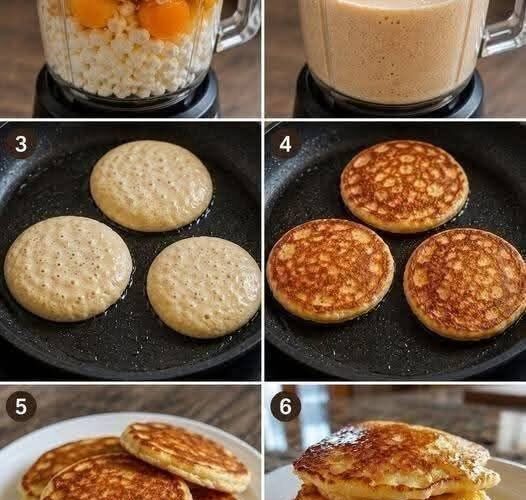
The best part about these pancakes is that you can prepare the batter in a blender in just a few minutes. There is no need to mix the ingredients in several bowls, whisk the batter by hand, or spend a long time preparing breakfast. Simply add the ingredients to your blender, blend until smooth, and cook the batter in a lightly greased skillet. As the pancakes cook, small bubbles appear on the surface, the edges begin to set, and the bottoms develop a beautiful golden-brown color.
These pancakes are perfect for breakfast, brunch, a relaxed weekend morning, or even a convenient afternoon snack. They pair wonderfully with maple syrup, fresh berries, sliced bananas, honey, yogurt, or a small amount of melted butter. You can also customize the batter with cinnamon, vanilla extract, or other simple flavorings to suit your preferences.
Whether you are preparing breakfast for yourself or making a batch for the whole family, this recipe is easy to follow and adaptable to different tastes. The result is a stack of tender, flavorful pancakes that look beautiful on the plate and taste delicious straight from the skillet.
What Are Cottage Cheese Oat Pancakes?
Cottage cheese oat pancakes are a simple variation of traditional pancakes made by blending oats, cottage cheese, eggs, and a leavening ingredient into a smooth batter. Instead of using wheat flour as the main dry ingredient, the recipe uses oats to provide structure and a pleasant, slightly nutty flavor.
Cottage cheese contributes moisture and a creamy texture, while eggs help bind the ingredients together. Baking powder provides additional lift, helping the pancakes become soft and fluffy as they cook. When the ingredients are blended thoroughly, the cottage cheese becomes much less noticeable in the finished pancakes, making this a useful recipe for anyone who enjoys experimenting with different pancake ingredients.
The flavor is mild, making these pancakes suitable for both sweet and lightly savory toppings. Their soft centers and golden surfaces create a texture that works especially well with maple syrup, fruit, yogurt, or other favorite breakfast accompaniments.
Recipe Details
Preparation time: 5–10 minutes
Resting time: 3–5 minutes, if needed
Cooking time: 12–18 minutes, depending on the skillet and pancake size
Total time: Approximately 20–30 minutes
Servings: 2–3 people
Yield: Approximately 8–10 small pancakes, depending on the amount of batter used for each pancake
Cooking method: Stovetop
Equipment: Blender, measuring cups or kitchen scale, measuring spoons, nonstick skillet, spatula, and serving plate
Difficulty level: Easy
Ingredients
Main Ingredients
1 cup rolled oats
1 cup cottage cheese
2 large eggs
1 teaspoon baking powder
A small pinch of salt, approximately 1/8 teaspoon
1/2 teaspoon vanilla extract, optional
1/2 teaspoon ground cinnamon, optional
1–2 teaspoons honey or maple syrup, optional if you prefer a slightly sweeter batter
1–2 teaspoons butter or neutral cooking oil for greasing the skillet, as needed
Optional Toppings
Pure maple syrup
Honey
Fresh strawberries
Blueberries
Raspberries
Sliced bananas
Plain or Greek-style yogurt
A small pat of butter
Chopped walnuts or almonds
A light dusting of ground cinnamon
Peanut butter or almond butter
Fresh fruit compote
A spoonful of cottage cheese or yogurt for serving
You do not need every optional ingredient. The basic recipe can be prepared with just oats, cottage cheese, eggs, baking powder, and salt. Vanilla, cinnamon, sweetener, and toppings can be added according to your taste.
Understanding the Main Ingredients
Rolled Oats
Rolled oats form the base of this pancake batter. When blended, they break down into fine particles that help create a flour-like consistency. This gives the batter enough structure to hold together during cooking without requiring traditional all-purpose flour.
Rolled oats have a mild, slightly nutty taste that works well with eggs and cottage cheese. They also absorb moisture, which helps the batter thicken after blending. For the most consistent results, use plain rolled oats rather than flavored instant oatmeal packets.
If you use quick oats, the recipe can still work, although the texture may be slightly different. Steel-cut oats are not recommended for this quick blender version because they are much harder and do not blend into the same smooth consistency as rolled oats without additional preparation.
Cottage Cheese
Cottage cheese gives the pancakes moisture, richness, and a tender interior. It also contributes protein, making these pancakes a satisfying breakfast option.
Small-curd cottage cheese is easy to blend, but large-curd cottage cheese can also work. Because the ingredients are blended together, the curds usually disappear into the batter. If your cottage cheese contains a particularly large amount of liquid, the batter may be thinner than expected, so allow it to rest briefly before cooking.
Full-fat cottage cheese can produce a richer flavor, while lower-fat varieties may give the pancakes a slightly lighter texture. Either can be used according to your preference.
Eggs
Eggs help bind the oats and cottage cheese together. They provide structure and help the pancakes hold their shape when flipped.
The eggs also contribute to the golden color that develops as the pancakes cook. For the best blending results, use eggs at room temperature if convenient, although refrigerated eggs can also be used.
Baking Powder
Baking powder helps the pancakes rise and develop a soft, airy texture. Because this batter contains oats and cottage cheese rather than a large amount of traditional flour, the baking powder is especially helpful for preventing the pancakes from becoming too dense.
Check that your baking powder is fresh. Old baking powder may lose some of its effectiveness and produce flatter pancakes.
Salt
A small pinch of salt balances the flavor of the oats and cottage cheese. It is a minor ingredient, but it helps the pancakes taste more rounded and less bland.
If your cottage cheese is already quite salty, you can reduce or omit the additional salt.
Vanilla and Cinnamon
Vanilla extract adds a warm, sweet aroma without requiring much additional sweetener. Ground cinnamon gives the pancakes a comforting breakfast flavor and pairs particularly well with bananas, apples, berries, and maple syrup.
Both ingredients are optional, so you can leave them out if you prefer a more neutral pancake.
Butter or Cooking Oil
A small amount of butter or neutral oil prevents sticking and helps the pancakes develop an attractive golden surface. Butter contributes a rich, familiar flavor, while a neutral oil has a more subtle taste.
Use only enough to lightly coat the skillet. Too much fat can cause uneven browning or make the pancakes feel greasy.
Step-by-Step Instructions
Step 1: Prepare Your Ingredients
Begin by gathering all the ingredients and placing them on your kitchen counter. Measure the oats, cottage cheese, eggs, baking powder, and salt before you start blending.
Preparing everything in advance makes the process easier and helps you avoid interrupting the cooking process to search for an ingredient.
Check the consistency of your cottage cheese. If it contains a large amount of separated liquid, gently stir it before measuring. You do not need to remove all the liquid, but keeping the amount reasonably consistent helps you achieve a predictable batter.
Crack the eggs into a separate small bowl before adding them to the blender. This allows you to check for shell fragments and makes it easier to avoid accidentally adding a spoiled egg to the other ingredients.
Make sure your blender is clean and dry before you begin.
Step 2: Add the Ingredients to the Blender
Place the cottage cheese and eggs into the blender first. Add the rolled oats, baking powder, salt, and any optional vanilla extract or cinnamon.
Adding the wetter ingredients first can help the blender blades move the mixture more easily. The oats can then blend into the liquid ingredients instead of remaining trapped around the blades.
If your blender has different speed settings, begin on a low speed and gradually increase it. This helps the ingredients combine evenly without creating unnecessary splashing.
Do not fill your blender beyond its recommended capacity. If you are doubling the recipe, it may be better to blend the batter in two batches.
Step 3: Blend Until Smooth
Blend the ingredients for approximately 30–60 seconds, stopping once or twice to check the consistency if necessary.
The finished batter should look creamy and relatively uniform, with no large pieces of dry oats or visible cottage cheese curds. Depending on the blender, the mixture may need slightly more or less blending time.
If the batter is not moving properly, switch off the blender before scraping down the sides. Never place a spoon or spatula into a blender while its blades are moving.
Once the mixture is smooth, avoid blending it excessively. A short additional blend is usually enough if a few oat pieces remain.
The batter should be thick enough to pour slowly from a spoon or measuring cup. It should not be as thin as ordinary milk, but it should still spread when poured onto a warm skillet.
Step 4: Allow the Batter to Rest
Transfer the batter to a bowl or leave it in the blender jug with the motor switched off. Let it rest for approximately 3–5 minutes.
This brief resting period allows the oats to absorb some of the moisture from the cottage cheese and eggs. The batter may become slightly thicker as it sits.
After resting, stir the batter gently with a spoon or spatula.
If the batter has become very thick and does not spread easily, add a small amount of milk or water, approximately one teaspoon at a time, until it reaches a workable consistency.
If the batter is unusually thin, allow it to rest for another few minutes before making adjustments. Oats continue absorbing liquid, so additional thickening may occur naturally.
Avoid adding a large amount of extra oats immediately because this can make the finished pancakes dense.
Step 5: Preheat the Skillet
Place a nonstick skillet or flat griddle over medium-low to medium heat.
Allow the pan to warm gradually for a few minutes. A properly preheated skillet helps the pancakes cook evenly and develop a golden-brown exterior without burning before the centers are ready.
Add a small amount of butter or oil and spread it across the cooking surface. The pan should have a light coating rather than a deep layer of fat.
To check the temperature, cook a small test pancake first. If the batter begins browning almost immediately or develops dark spots before the top starts to set, lower the heat slightly. If the pancake remains pale for several minutes without forming bubbles, the skillet may need to be a little hotter.
Because cottage cheese and eggs can brown quickly, moderate heat is generally more reliable than high heat.
Step 6: Pour the Pancake Batter
Scoop approximately 2–3 tablespoons of batter for each small pancake and pour it onto the skillet.
Leave enough space between the pancakes so that you can flip them easily. Depending on the size of your pan, you may be able to cook three or four pancakes at once.
The batter may spread into small, thick circles. If necessary, gently guide it into shape using the back of a spoon.
Try to keep the pancakes similar in size. Uniform pancakes cook at a similar rate, making it easier to manage the batch without overcooking some while waiting for others.
Do not make the pancakes excessively large or thick during your first attempt. Smaller pancakes are easier to flip and give the centers more time to cook through.
Step 7: Cook the First Side
Allow the pancakes to cook undisturbed for approximately 2–3 minutes, adjusting the time according to their size and the temperature of your skillet.
At first, the batter will look shiny and wet. As the heat reaches the center, the edges will begin to look more defined and the surface will gradually lose some of its glossy appearance.
Small bubbles may appear across the top, similar to those on traditional pancakes. The edges should look set enough to hold their shape when you slide a spatula underneath.
The exact timing will depend on the moisture in your cottage cheese, the thickness of the batter, and the heat of your pan. Look at the appearance of the pancakes rather than relying entirely on a timer.
If the bottoms are browning too quickly while the centers remain wet, reduce the heat. A slightly longer cooking time over moderate heat usually produces a better texture.
Step 8: Flip the Pancakes Carefully
When the first side is golden brown and the edges are set, slide a thin spatula beneath each pancake.
Lift the pancake gently and flip it in one controlled movement. Avoid pressing down hard with the spatula because doing so can flatten the pancakes and push out some of the air developed during cooking.
The underside should have a golden-brown surface with small, attractive spots. If the pancake breaks when you try to flip it, it may need a little more time to set.
For your first batch, flip one pancake at a time rather than trying to turn several simultaneously. Once you become familiar with the batter, the process becomes much easier.
Step 9: Cook the Second Side
Cook the second side for approximately 1–3 minutes, or until it is golden brown and the center is fully cooked.
The second side often cooks faster than the first, so keep an eye on the color. If the pancakes are browning unevenly, rotate them slightly or adjust their positions on the skillet.
The finished pancakes should feel softly springy when touched lightly with a spatula. They should hold together when lifted without looking wet or raw in the center.
Because these pancakes contain eggs and cottage cheese, make sure the centers are fully cooked before serving. If you are uncertain, break open one of the thicker pancakes to check its texture.
Transfer the cooked pancakes to a plate and continue with the remaining batter.
Step 10: Prepare the Remaining Batter
Before adding another batch, check the skillet and wipe away any burnt bits if necessary.
Add a little more butter or oil only if the cooking surface needs it. Too much grease can make the pancakes fry unevenly instead of developing a consistent golden surface.
Stir the remaining batter gently before each batch. This helps distribute the ingredients evenly if some of the mixture has settled.
Continue pouring, cooking, and flipping until all the batter has been used.
If the pan becomes too hot as you cook multiple batches, lower the heat briefly. A stable cooking temperature is more important than trying to finish the pancakes as quickly as possible.
Step 11: Stack the Pancakes
Place the finished pancakes on a serving plate, stacking them loosely while they are still warm.
A short stack looks especially appealing when topped with maple syrup, sliced fruit, or a small spoonful of yogurt. You can also serve the pancakes individually if you prefer to add different toppings to each one.
If you are cooking for several people, keep the finished pancakes warm in a low-temperature oven while you prepare the remaining batches. Arrange them in a single layer when possible, or stack them loosely so steam does not collect excessively between them.
Avoid leaving cooked pancakes at room temperature for an extended period.
Step 12: Add Your Favorite Toppings
Once the pancakes are ready, add your preferred toppings immediately before serving.
For a classic breakfast, drizzle maple syrup over the stack and add a small amount of butter. For a fruity version, arrange fresh strawberries, blueberries, raspberries, or banana slices on top.
If you enjoy creamy toppings, serve the pancakes with plain yogurt or Greek-style yogurt. A small spoonful of peanut butter or almond butter also pairs well with the mild oat flavor.
For extra aroma, sprinkle a little cinnamon over the pancakes. If you prefer a sweeter finish, add a light drizzle of honey.
The toppings are entirely flexible. The basic pancakes have a mild flavor that works with many combinations, so you can prepare them differently each time without changing the main recipe.
Serve immediately while the pancakes are warm and the edges are at their best.
Tips for Perfect Cottage Cheese Oat Pancakes
Use the Correct Oats
Rolled oats are a reliable choice because they blend into a smooth batter and provide consistent results. Plain quick oats can also work, but their smaller size may affect how quickly the batter thickens.
Avoid using flavored instant oatmeal that contains added sugar, artificial flavoring, or other ingredients unless you specifically want those flavors in your pancakes.
Blend the Batter Thoroughly
The blender is one of the most important tools in this recipe. Proper blending helps the cottage cheese combine with the eggs and oats, creating a batter that cooks evenly.
If the mixture is too coarse, the pancakes may have a grainier texture and may not hold together as well. However, you do not need to blend endlessly. Stop when the batter looks reasonably smooth and uniform.
Do Not Skip the Resting Period
A short rest allows the oats to absorb moisture and makes the batter easier to handle. This can be especially helpful when using thicker cottage cheese.
If you notice the batter becoming thicker after resting, stir it gently and check whether it still pours easily. Add a tiny amount of liquid only if needed.
Keep the Heat Moderate
High heat is one of the most common reasons pancakes develop dark outsides while remaining undercooked inside.
These pancakes contain eggs and cottage cheese, both of which can brown quickly. Medium-low to medium heat allows the centers to cook while the outside develops a pleasant golden color.
If the first batch becomes too dark, lower the temperature before cooking the next batch.
Make Small Pancakes
Small pancakes are easier to flip and less likely to break. They also cook more evenly, particularly when the batter is thick.
Using approximately 2–3 tablespoons of batter per pancake is a good starting point. You can make them larger once you know how the mixture behaves in your skillet.
Wait Before Flipping
Do not flip the pancakes as soon as they begin to brown around the edges. Give them enough time to develop a stable structure.
Look for set edges, bubbles on the surface, and a golden underside. These signs usually indicate that the first side is ready.
If the pancake sticks to the pan or bends excessively when you try to lift it, wait another 20–30 seconds and check again.
Adjust the Batter Gradually
The moisture content of cottage cheese varies between brands. Some varieties are thick and creamy, while others contain more liquid.
If the batter is too thick, add milk or water in small amounts. If it is too thin, give the oats more time to absorb moisture before making further changes.
Making gradual adjustments is better than adding large amounts of liquid or oats at once.
Use a Good Nonstick Pan
A quality nonstick skillet makes the cooking process easier, especially when the pancakes are small and tender.
Even with a nonstick pan, lightly greasing the surface can improve browning and make flipping simpler.
If you are using a stainless-steel or cast-iron skillet, preheating and greasing become even more important.
Avoid Pressing the Pancakes Flat
Pressing pancakes with a spatula does not help them cook faster in a useful way. Instead, it can compress the texture and make them less tender.
Allow the pancakes to cook naturally, flipping them once the first side has set.
Test the First Pancake
The first pancake is a useful way to evaluate the batter and pan temperature. Check whether it spreads properly, browns evenly, and flips without breaking.
If it is too pale, slightly increase the heat. If it is too dark, lower the heat. If it breaks easily, allow the next pancake to cook longer before flipping.
Make any adjustments before preparing the rest of the batch.
Delicious Variations
Banana Cottage Cheese Oat Pancakes
For a naturally sweeter flavor, blend half a ripe banana into the batter.
The banana contributes sweetness and moisture, giving the pancakes a soft texture and a gentle fruity flavor. Because it adds extra liquid, the batter may need a little more resting time.
Serve with sliced bananas and a small drizzle of maple syrup.
Cinnamon Vanilla Pancakes
Add 1/2 teaspoon of ground cinnamon and 1 teaspoon of vanilla extract to the basic batter.
These ingredients create a warm, comforting flavor that works particularly well for breakfast on cool mornings. Serve with apple slices, banana, yogurt, or maple syrup.
Blueberry Cottage Cheese Oat Pancakes
Prepare the basic batter and gently fold in a small handful of fresh or frozen blueberries after blending.
Do not blend the blueberries with the main mixture unless you want the entire batter to become purple. Folding them in at the end keeps the fruit more intact and distributes the berries throughout the pancakes.
Cook over moderate heat because the berries can release moisture and make the surrounding batter softer.
Chocolate Chip Pancakes
For a sweeter variation, fold a small amount of chocolate chips into the finished batter.
Use a modest quantity so the pancakes remain easy to flip. Chocolate chips can melt against the skillet, so keep the temperature moderate and avoid allowing exposed chocolate to burn.
Serve with sliced strawberries or banana for a dessert-inspired breakfast.
Apple Cinnamon Pancakes
Add 1/2 teaspoon of cinnamon and a small amount of finely grated apple to the batter.
The apple provides natural sweetness and a pleasant texture. Because grated apple releases moisture, start with a small amount and allow the batter to rest before cooking.
Serve with warm apple slices or a light drizzle of honey.
Peanut Butter Pancakes
Add 1 tablespoon of smooth peanut butter to the blender for a nutty flavor.
The mixture may become thicker, so check the consistency after blending. Add a small splash of milk if needed.
These pancakes pair well with banana slices, berries, or a light drizzle of maple syrup.
Lemon Blueberry Pancakes
Add a little finely grated lemon zest to the batter and fold in blueberries after blending.
The lemon zest gives the pancakes a fresh aroma that balances the mild richness of the cottage cheese. A spoonful of plain yogurt makes an excellent topping.
Pumpkin Spice Pancakes
For an autumn-inspired version, add a small amount of pumpkin puree and a pinch of cinnamon, nutmeg, and ginger.
Pumpkin puree adds moisture, so the batter may need additional resting time or a small adjustment to the oats. Begin with a modest quantity to preserve the pancakes’ ability to hold together.
Savory Herb Pancakes
If you prefer savory breakfasts, omit the vanilla, cinnamon, and sweetener.
Add a little black pepper, finely chopped chives, or parsley to the batter. A small amount of grated cheese can also be included, although this may change the texture and browning.
Serve with plain yogurt, sliced tomatoes, or sautéed vegetables.
Strawberry Pancakes
Add finely chopped strawberries to the finished batter or serve them fresh on top.
For the best texture, avoid adding too much fruit directly to the mixture because strawberries release moisture during cooking. Fresh strawberries with yogurt and a little maple syrup make a simple and attractive topping.
Serving Suggestions
Classic Maple Syrup
Maple syrup is one of the simplest toppings for cottage cheese oat pancakes. Its sweet, caramel-like flavor complements the mild taste of oats and gives the pancakes a traditional breakfast feel.
Pour the syrup over the stack just before serving to prevent the pancakes from becoming excessively soggy.
Fresh Fruit
Fresh fruit adds color, texture, and natural sweetness. Strawberries, blueberries, raspberries, blackberries, peaches, and banana slices all work well.
For a balanced fruit topping, combine two or three varieties rather than using too many different flavors at once.
Yogurt and Honey
A spoonful of plain yogurt creates a creamy contrast with the warm pancakes. A light drizzle of honey adds sweetness without overpowering the flavor.
You can also add a pinch of cinnamon or a few fresh berries to complete the plate.
Nut Butter and Banana
Spread a small amount of peanut butter or almond butter over the warm pancakes and top with banana slices.
The nut butter softens slightly from the heat, creating a creamy topping that pairs well with the oat flavor.
Warm Berry Compote
To make a quick berry topping, place fresh or frozen berries in a small saucepan with a splash of water.
Cook over low heat for several minutes, stirring occasionally, until the berries soften and release their juices. Mash a few berries with a spoon to create a thicker sauce.
Allow the mixture to cool slightly before spooning it over the pancakes.
Breakfast Plate
Serve the pancakes alongside fresh fruit and yogurt for a simple breakfast plate. You can also add eggs or other breakfast foods if you want a more substantial meal.
Keep the pancakes as the centerpiece and use the other ingredients to complement their flavor rather than overwhelm them.
Troubleshooting Common Problems
Why Are My Pancakes Too Dense?
Dense pancakes may result from a batter that is too thick, insufficient baking powder, or pancakes that are too large.
Check the freshness of your baking powder and make sure the ingredients have been blended thoroughly. Let the batter rest briefly, then add a small amount of liquid if it is too thick to spread.
Cooking smaller pancakes can also help the centers cook evenly without making the outside excessively dark.
Why Are My Pancakes Falling Apart?
Pancakes that break when flipped may not have cooked long enough on the first side. They may also be too large, too thick, or made from a batter that is too wet.
Allow the first side to set more thoroughly before flipping. Use a thin spatula and keep the pancakes small until you are familiar with the mixture.
If the batter is extremely thin, allow it to rest before considering a small adjustment to the oats.
Why Are My Pancakes Browning Too Quickly?
The skillet may be too hot. Cottage cheese and eggs can develop a golden surface quickly, especially in a pan that has been heating for a long time.
Reduce the heat to medium-low and give the pancakes additional time to cook through. Clean away burnt residue between batches if necessary.
Why Are My Pancakes Pale?
The skillet may not be hot enough, or the cooking surface may contain too much moisture.
Allow the pan to preheat properly and use only a light coating of butter or oil. Cook the pancakes for long enough to develop a golden surface before flipping.
Why Is My Batter Too Thin?
Cottage cheese brands differ in moisture content, and large eggs can also affect the consistency.
Let the batter rest for a few extra minutes to allow the oats to absorb liquid. If it is still very thin, blend in a small additional amount of oats and allow the mixture to rest again.
Make changes gradually to avoid making the pancakes heavy.
Why Is My Batter Too Thick?
The oats may have absorbed more moisture than expected, particularly if the mixture has rested for a long time.
Add milk or water one teaspoon at a time, stirring between additions, until the batter spreads easily when poured.
Why Do My Pancakes Stick to the Pan?
The skillet may not be adequately preheated, the cooking surface may be damaged, or the pancakes may be flipped before the first side has set.
Preheat the skillet, lightly grease it, and wait until the edges are firm before flipping. A thin, flexible spatula can make the process easier.
Why Do the Pancakes Taste Too Eggy?
The eggs are important for binding the mixture, but their flavor may be noticeable if the pancakes are cooked at a very high temperature or served without flavoring.
Try adding vanilla extract or cinnamon for a sweet version. Make sure the oats are measured correctly and avoid reducing them too much.
Why Are the Centers Still Wet?
The pancakes may be too thick or the skillet may be too hot. The outside can brown before the center has enough time to cook.
Make smaller pancakes, lower the heat slightly, and allow each side to cook thoroughly. Check one of the thicker pancakes before serving the batch.
Make-Ahead Instructions
You can prepare the batter shortly before breakfast to save time in the morning. Blend the ingredients, transfer the mixture to a covered container, and refrigerate it if you are not ready to cook immediately.
Because the oats continue absorbing moisture, the batter may thicken while refrigerated. Stir it before cooking and add a little milk or water if necessary.
For the most reliable texture, cook the pancakes fresh whenever possible. If you prepare the batter ahead, keep it refrigerated and use it promptly, preferably within 24 hours. Since the batter contains raw eggs and dairy, do not leave it sitting at room temperature for an extended period.
Another convenient option is to cook the entire batch in advance and refrigerate or freeze the finished pancakes.
How to Store Leftover Pancakes
Allow the cooked pancakes to cool until they are no longer steaming heavily, but do not leave them at room temperature for more than two hours.
Place the cooled pancakes in an airtight container and refrigerate them for up to 3–4 days.
If you are stacking several pancakes, place small pieces of baking paper between them to make separating them easier. This is especially useful if you plan to reheat only a few at a time.
For longer storage, freeze the pancakes in a single layer until firm, then transfer them to a freezer-safe bag or container. Separate the layers with baking paper to prevent sticking.
For the best quality, use frozen pancakes within approximately 2 months.
Label the container with the preparation date so you can keep track of how long the pancakes have been stored.
How to Reheat the Pancakes
Reheating in a Skillet
Place the pancakes in a lightly warmed nonstick skillet over low heat.
Heat for approximately 1–2 minutes per side, or until warmed through. If the pancakes seem dry, cover the skillet briefly to help retain moisture.
This method works well when you want to restore a lightly crisp exterior.
Reheating in the Microwave
Arrange one or two pancakes on a microwave-safe plate and cover them loosely with a suitable microwave-safe cover.
Heat in short intervals of approximately 20–30 seconds, checking the temperature between intervals. Continue until the pancakes are hot throughout.
Microwave timing varies depending on the appliance and the number of pancakes being reheated.
Reheating in the Oven
Preheat the oven to approximately 160°C or 325°F.
Place the pancakes on a baking tray in a single layer and warm them for around 5–10 minutes, checking that they are heated through.
For frozen pancakes, allow additional heating time and follow appropriate food-safety guidance to ensure they are thoroughly reheated.
Reheating in a Toaster
If the pancakes are small enough to fit safely in your toaster, you may be able to warm refrigerated or fully cooked frozen pancakes using a suitable toaster setting.
Check the appliance instructions first, and avoid using this method if the pancakes are too thick, too moist, or likely to stick.
Can You Freeze Cottage Cheese Oat Pancakes?
Yes. These pancakes can be frozen after cooking, making them convenient for busy mornings.
Cook the pancakes fully and let them cool. Arrange them separately on a baking tray and place the tray in the freezer until the pancakes are firm.
Transfer the frozen pancakes to a freezer-safe container or bag, separating layers with baking paper.
When you want breakfast, remove only the number of pancakes you need. Reheat them in a skillet, microwave, or oven until hot throughout.
Freezing the pancakes individually before packing them helps prevent them from forming one large frozen stack.
For the best texture and flavor, use them within approximately two months.
Nutrition Information
The nutritional value of these pancakes depends on the type of cottage cheese, the size of the eggs, the quantity of oats, the cooking fat, and the toppings.
Oats provide carbohydrates and fiber. Eggs and cottage cheese contribute protein, while cottage cheese also supplies calcium and other nutrients in amounts that vary by brand.
Maple syrup, honey, chocolate chips, nut butter, and other toppings can increase the total energy content and change the nutritional profile of each serving.
For a more accurate estimate, calculate the nutrition information using the ingredient labels for the specific products you use and divide the total by the number of pancakes or servings you make.
These pancakes can be part of a varied breakfast alongside fruit, yogurt, or other foods that suit your needs. There is no need to make them completely plain or avoid enjoyable toppings to appreciate their flavor.
Frequently Asked Questions
Can I Make These Pancakes Without a Blender?
Yes, although the texture will be different. The blender helps turn the oats into a finer consistency and combines the cottage cheese into the batter.
If you do not have a blender, use oat flour instead of whole rolled oats and whisk the ingredients together thoroughly. Mash the cottage cheese as finely as possible before mixing.
The pancakes may have a slightly different texture, but they can still be delicious.
Can I Use Oat Flour Instead of Rolled Oats?
Yes. Use approximately 1 cup of oat flour as a starting point, then check the consistency of the batter.
Oat flour may absorb moisture differently depending on how finely it is ground. Let the batter rest briefly and adjust with a little liquid if needed.
Can I Use Quick Oats?
Yes. Plain quick oats can be used in place of rolled oats. Blend them with the remaining ingredients until the mixture is smooth.
Because quick oats are smaller, the batter may thicken a little differently, so check its consistency before cooking.
Can I Make the Pancakes Without Added Sugar?
Yes. The basic recipe does not require added sugar.
If you prefer a sweeter taste, you can use fruit, a little vanilla, cinnamon, or a topping of your choice. The finished pancakes will still have flavor from the oats, eggs, and cottage cheese.
Can I Make Them Gluten-Free?
Oats are naturally gluten-free, but they may be exposed to gluten-containing grains during harvesting or processing.
If you need to avoid gluten, choose oats specifically labeled gluten-free and check the labels of all other ingredients.
Can I Make These Pancakes Dairy-Free?
The recipe relies on cottage cheese for much of its texture and flavor. Replacing it with a dairy-free alternative will change the result, and not all alternatives behave the same way.
If you wish to experiment, choose a thick, unsweetened dairy-free alternative suitable for cooking and expect to adjust the batter. The finished texture may differ from the original recipe.
Can I Make the Batter the Night Before?
You can prepare and refrigerate the batter for a short period, ideally no longer than 24 hours.
Keep it covered in the refrigerator because it contains raw eggs and dairy. Stir it before cooking and adjust the consistency if the oats have absorbed more liquid overnight.
For the best texture, cooking the pancakes fresh is recommended.
How Do I Know When the Pancakes Are Done?
The edges should be set, the outside should be golden brown, and the center should be fully cooked rather than wet or runny.
If you are unsure, cut into one of the thicker pancakes to inspect the center. Continue cooking if necessary.
Can I Make the Pancakes Larger?
Yes, but larger pancakes are more difficult to flip and may take longer to cook through.
Start with small pancakes, then gradually increase the size once you understand how the batter behaves. Use moderate heat so the outside does not brown too quickly.
Can I Double the Recipe?
Yes. Double the ingredients proportionally, but blend the mixture in batches if your blender is not large enough.
Cook the pancakes in batches and stir the batter occasionally to keep the ingredients evenly distributed.
Are These Pancakes Sweet or Savory?
The basic recipe has a mild, slightly creamy flavor. It is not strongly sweet, which makes it suitable for either sweet or savory toppings.
Vanilla, cinnamon, fruit, honey, and maple syrup make it more suitable for a sweet breakfast. Black pepper, herbs, and a small amount of cheese can create a savory variation.
Can Children Enjoy These Pancakes?
These pancakes can be served as part of a family breakfast, provided the ingredients are appropriate for the individuals eating them and the pancakes are cooked thoroughly.
Cut the pancakes into suitable pieces for younger children and consider any known food allergies or dietary requirements.
What Is the Best Way to Serve Them?
Serve them warm with maple syrup and fresh fruit for a traditional breakfast. Yogurt and berries make a fresh alternative, while peanut butter and banana create a richer topping.
The best combination is the one that suits your taste and makes breakfast enjoyable.
Final Thoughts
Cottage cheese oat pancakes are a simple, versatile breakfast that combines everyday ingredients into a soft, golden, and satisfying dish. With rolled oats, cottage cheese, eggs, and baking powder, you can prepare a smooth blender batter without complicated techniques or a long list of ingredients.
The key to excellent results is to blend the ingredients thoroughly, allow the batter a short resting period, and cook the pancakes over moderate heat. These small details help the pancakes hold together, develop a beautiful golden surface, and remain tender in the center.
Once you have mastered the basic recipe, you can experiment with banana, blueberries, cinnamon, vanilla, chocolate chips, or savory herbs. You can also prepare a batch ahead of time, refrigerate the leftovers, or freeze individual pancakes for convenient breakfasts later in the week.
Whether you serve them with maple syrup, fresh berries, yogurt, or your favorite topping, these homemade pancakes are an easy way to bring variety to your breakfast table.
Prepare a fresh batch, serve them warm, and enjoy the simple pleasure of fluffy cottage cheese oat pancakes made in your own kitchen.