admin1
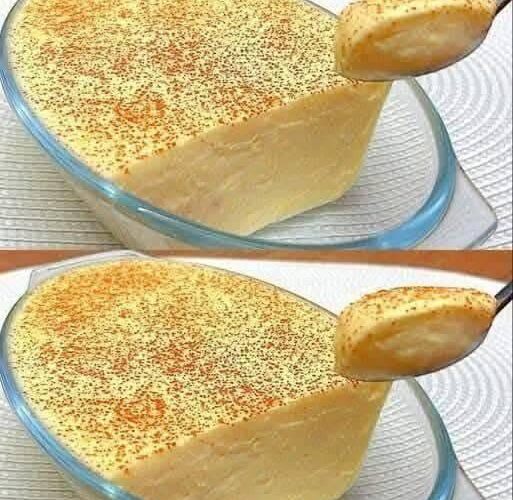
Citrus Ricotta Cream Dessert: A Luxuriously Smooth, Light, and Refreshing Italian-Inspired Treat
Introduction
Citrus Ricotta Cream Dessert is a beautifully creamy, refreshing, and elegant dessert that combines the delicate richness of ricotta cheese with the bright, fragrant flavors of fresh citrus fruits. It is a wonderful choice for anyone who enjoys desserts that taste indulgent without feeling overly heavy. The natural creaminess of ricotta, the sweetness of sugar, the freshness of lemon and orange zest, and the gentle aroma of vanilla come together to create a dessert that is smooth, silky, and full of flavor.
Inspired by the simple elegance of Italian desserts, this citrus ricotta cream can be served in individual glasses, small dessert bowls, elegant jars, or layered dessert cups. Its soft texture makes every spoonful feel delicate, while the citrus flavors provide a refreshing balance that keeps the dessert lively and inviting.
Unlike traditional baked cheesecakes, this recipe requires no oven. The ingredients are combined into a creamy mixture and chilled until the flavors have blended beautifully. Depending on the consistency of your ricotta and the method you use to prepare the cream, the finished dessert can range from a soft, spoonable mousse-like cream to a thicker, cheesecake-inspired filling.
The most important part of this recipe is using good-quality ricotta and fresh citrus fruits. Fresh lemon zest contributes a fragrant, slightly tangy flavor, while orange zest brings a gentle sweetness and a warm, fruity aroma. A little fresh lemon juice adds brightness, and vanilla rounds out the flavor without overpowering the delicate cheese.
This dessert is suitable for family gatherings, dinner parties, afternoon treats, spring celebrations, summer meals, and special occasions. It can be prepared ahead of time, making it particularly convenient when you want to serve something impressive without spending hours in the kitchen.
What Makes Citrus Ricotta Cream Dessert Special?
The beauty of citrus ricotta cream lies in its simplicity. Instead of relying on complicated techniques or a long list of ingredients, this recipe uses a handful of familiar ingredients to create a dessert with a sophisticated flavor.
Ricotta cheese provides the creamy foundation. Its mild taste allows the citrus to shine, while its naturally delicate texture makes it ideal for creating a smooth dessert cream.
Lemon adds a fresh, lively note that balances the richness of the dairy. Orange introduces a sweeter citrus aroma that makes the flavor more rounded and fragrant. Using both fruits creates a more interesting dessert than relying on only one.
Heavy whipping cream gives the mixture a lighter texture when whipped and gently folded into the ricotta. Powdered sugar dissolves easily, creating a smooth finish, while vanilla extract adds warmth and depth.
The result is a dessert that tastes fresh, creamy, gently sweet, and wonderfully aromatic.
Preparation Time and Serving Size
Preparation time: 25 minutes
Chilling time: 2 to 4 hours
Total time: Approximately 2 hours and 25 minutes to 4 hours and 25 minutes
Servings: 6 individual dessert portions
Difficulty level: Easy to moderate
Cooking method: No-bake preparation
Texture: Smooth, creamy, and softly whipped
Flavor profile: Sweet, creamy, lemony, and delicately orange-scented
Ingredients for Citrus Ricotta Cream Dessert
For the Ricotta Cream
- 2 cups whole-milk ricotta cheese, approximately 450 grams
- 1 cup cold heavy whipping cream, approximately 240 milliliters
- 1/2 cup powdered sugar, approximately 60 grams, adjusted to taste
- 1 tablespoon finely grated lemon zest
- 2 teaspoons finely grated orange zest
- 1 to 2 tablespoons fresh lemon juice
- 1 teaspoon pure vanilla extract
- 1 small pinch of salt
For the Citrus Flavor
- 1 teaspoon additional lemon zest, if desired
- 1 teaspoon additional orange zest, if desired
- 1 to 2 teaspoons fresh orange juice, optional
- 1 tablespoon honey, optional
- 1 teaspoon finely grated mandarin zest, optional
For the Optional Biscuit Layer
- 120 grams digestive biscuits, graham crackers, or plain butter biscuits
- 3 tablespoons melted unsalted butter
- 1 teaspoon finely grated orange zest
- 1 teaspoon finely grated lemon zest
For the Topping
- 1 orange, peeled and segmented
- 1 lemon, for a small amount of additional zest
- 2 tablespoons finely chopped pistachios, optional
- 2 tablespoons toasted almond flakes, optional
- A few fresh mint leaves, optional
- 2 tablespoons crushed biscuits, optional
- A light dusting of powdered sugar, optional
Choose toppings according to your preferences. Fresh fruit is particularly suitable because it reinforces the bright citrus flavor and creates a beautiful contrast with the pale cream.
Understanding the Main Ingredients
Ricotta Cheese
Ricotta is the central ingredient in this dessert. It is a soft Italian-style cheese with a mild, milky flavor and a naturally delicate texture.
Whole-milk ricotta is recommended because it produces a richer and more satisfying cream. Lower-fat ricotta can also be used, although the finished dessert may taste less rich and may have a slightly different consistency.
Ricotta can contain varying amounts of moisture depending on the brand and how it is packaged. If your ricotta appears watery, drain it before using it. Excess moisture can make the dessert loose rather than creamy.
For the smoothest possible result, blend the ricotta until no noticeable grains remain. A food processor or high-speed blender works well for this step.
Heavy Whipping Cream
Heavy whipping cream gives the dessert a light, airy quality.
When whipped, the cream traps air and creates a soft structure that makes the ricotta mixture feel less dense. Folding the whipped cream into the prepared ricotta mixture creates a delicate consistency similar to a soft mousse.
Use cold cream for the best whipping results. Warm cream takes longer to whip and may not develop the same stable texture.
If you prefer a denser dessert, you can reduce the whipping cream slightly. For a lighter texture, use the full amount and fold it in gently.
Powdered Sugar
Powdered sugar sweetens the dessert while blending smoothly into the cheese.
Granulated sugar can sometimes leave a slightly gritty texture when added directly to a cold dairy mixture. Powdered sugar is therefore a convenient choice for this recipe.
Begin with half a cup, then taste the ricotta mixture before adding the whipped cream. If your oranges are particularly sweet or you prefer a more pronounced citrus flavor, you may find that less sugar is sufficient.
Fresh Lemons
Lemons provide the sharp, refreshing flavor that gives this dessert its distinctive character.
The zest contains aromatic oils that deliver an intense lemon fragrance without adding much liquid. This is particularly useful in a cream dessert, where too much juice can change the consistency.
Use a fine grater to remove only the yellow outer layer of the peel. The white pith underneath is bitter and can negatively affect the flavor.
Fresh lemon juice adds acidity and balances the sweetness. Add it gradually because different lemons vary in strength and juiciness.
Fresh Oranges
Orange zest provides a fragrant, slightly sweet citrus aroma that complements the lemon beautifully.
The combination of lemon and orange gives the cream a more complex flavor. Lemon supplies freshness, while orange adds a softer, rounded sweetness.
Fresh orange segments can also be served on top of the finished dessert. Remove any seeds and thick membranes where practical so that the fruit is pleasant to eat.
Vanilla Extract
Vanilla adds a gentle sweetness and a familiar dessert aroma.
It does not need to dominate the recipe. One teaspoon is generally enough to enhance the flavor of the ricotta and cream while allowing the citrus to remain the main attraction.
Salt
A tiny pinch of salt helps balance the sweetness and bring the flavors together.
The quantity should remain small. The purpose is not to make the dessert taste salty, but to give the citrus and vanilla a little more definition.
How to Make Citrus Ricotta Cream Dessert
Step 1: Prepare the Ricotta Cheese
Begin by examining the ricotta cheese. If there is visible liquid in the container, drain it before measuring the cheese.
Place the ricotta in a fine-mesh sieve lined with clean cheesecloth or a suitable clean kitchen cloth. Allow excess moisture to drain in the refrigerator for approximately 20 to 30 minutes, or longer if the cheese is especially wet.
This step is optional when using thick ricotta, but it is helpful when the cheese contains a noticeable amount of liquid.
Transfer the drained ricotta to a food processor or blender.
Blend until the cheese becomes smooth and creamy. Stop occasionally to scrape down the sides of the bowl so that all the ricotta is processed evenly.
Depending on the equipment, this may take one to three minutes.
The goal is to reduce the small curds that are naturally present in ricotta. A smoother cheese creates a more luxurious finished dessert.
Once blended, transfer the ricotta to a large mixing bowl.
Step 2: Prepare the Citrus Zest
Wash and dry the lemons and oranges thoroughly before zesting them.
Use a fine grater to remove the colored outer layer of the peel. Avoid grating deeply into the white pith, which can introduce bitterness.
Measure the lemon zest and orange zest separately.
The lemon zest should provide the sharper citrus aroma, while the orange zest should create a softer, sweeter fragrance.
Rub the zest gently between your fingertips for a few seconds before adding it to the ricotta. This helps release its aromatic oils.
Add the lemon zest and orange zest to the smooth ricotta.
Stir gently until the zest is evenly distributed.
At this stage, the mixture should already have a fresh citrus fragrance.
Step 3: Add the Powdered Sugar
Sift the powdered sugar into the ricotta mixture to remove any lumps.
Add the sugar gradually rather than all at once. Stir after each addition until it is fully incorporated.
Taste the mixture before adding the whipped cream.
The flavor should be pleasantly sweet, with a noticeable citrus character. It should not taste excessively sugary because the cream and optional toppings will soften the overall flavor.
If you prefer a sweeter dessert, add another tablespoon of powdered sugar.
If you enjoy a more tangy dessert, keep the sweetness moderate so that the lemon remains noticeable.
Step 4: Add the Vanilla and Lemon Juice
Add the vanilla extract and one tablespoon of fresh lemon juice.
Mix gently until the ingredients are evenly combined.
Taste the mixture again.
If the flavor seems too mild, add a little more lemon juice, approximately one teaspoon at a time. Avoid adding a large quantity at once because extra liquid may make the cream softer.
If you want a more pronounced orange flavor, add one teaspoon of fresh orange juice.
Keep in mind that citrus zest generally provides a stronger aroma with less effect on consistency than citrus juice.
Add the small pinch of salt and stir once more.
Set the ricotta mixture aside while preparing the whipped cream.
Step 5: Whip the Heavy Cream
Pour the cold heavy whipping cream into a clean, chilled mixing bowl.
Using a hand mixer or stand mixer, beat the cream at medium speed until it begins to thicken.
Continue beating until soft to medium peaks form.
Soft peaks should hold their shape briefly but still bend over at the tips. Medium peaks will hold a more defined shape without becoming stiff or grainy.
Avoid overwhipping the cream. If it becomes excessively firm, it may be difficult to fold smoothly into the ricotta.
The whipped cream should look fluffy, smooth, and uniform.
If you are using a stand mixer, keep an eye on the cream because it can change from softly whipped to overwhipped surprisingly quickly.
Step 6: Fold the Whipped Cream into the Ricotta
Add approximately one-third of the whipped cream to the ricotta mixture.
Stir this first portion gently to loosen the cheese mixture. This makes the remaining cream easier to incorporate.
Add the remaining whipped cream in two additions.
Use a flexible spatula to fold the ingredients together. Move the spatula down through the center of the bowl, sweep along the bottom, and lift the mixture over itself.
Turn the bowl slightly and repeat.
Avoid vigorous stirring because it can deflate the air trapped in the whipped cream.
Continue folding until no large streaks of whipped cream remain.
The finished mixture should look pale, fluffy, and creamy, with fine flecks of lemon and orange zest throughout.
It should be thick enough to spoon into serving glasses while remaining soft and easy to eat.
Step 7: Taste and Adjust the Flavor
Before assembling the dessert, taste a small spoonful of the finished cream.
The flavor will become more integrated after chilling, but this is your opportunity to make any final adjustments.
For a brighter flavor, add a small amount of lemon zest.
For a softer citrus aroma, add a little orange zest.
For additional sweetness, incorporate a small quantity of powdered sugar, folding gently until it dissolves into the mixture.
If the dessert tastes too rich, a small amount of additional lemon zest can make the flavor feel fresher without substantially changing the texture.
Avoid adding too much juice at this stage. The mixture should remain thick enough to hold its shape in individual serving glasses.
Step 8: Prepare the Optional Biscuit Base
If you want to add a crunchy base, place the biscuits in a food processor and pulse until they form fine crumbs.
Alternatively, put them in a sealed food-safe bag and crush them with a rolling pin.
Transfer the crumbs to a bowl.
Add the melted butter, lemon zest, and orange zest.
Mix until the crumbs are evenly moistened. They should resemble damp sand and hold together lightly when pressed.
Divide the mixture among six small dessert glasses.
Press it down gently using the back of a spoon.
Do not compact it excessively, because a very hard base can be difficult to scoop through when serving.
Place the glasses in the refrigerator for approximately 15 minutes while you prepare the citrus fruit.
If you prefer a lighter dessert, skip the biscuit base and serve the ricotta cream on its own.
Step 9: Fill the Serving Glasses
Remove the prepared glasses from the refrigerator.
Spoon the citrus ricotta cream into each glass, dividing it evenly among the six portions.
For a more polished presentation, transfer the cream to a piping bag fitted with a large round nozzle.
Pipe the mixture into the glasses using slow, steady pressure.
If you do not have a piping bag, a spoon works perfectly well.
Smooth the surface gently with the back of a teaspoon or leave the cream with soft swirls for a more natural appearance.
Wipe the rims of the glasses with a clean, damp cloth if any cream has spilled over the sides.
Step 10: Chill the Dessert
Cover the glasses and place them in the refrigerator for at least two hours.
Three to four hours is even better when you have time, because chilling allows the citrus zest, vanilla, and ricotta to develop a more harmonious flavor.
The cream will become colder and slightly firmer, making it easier to serve.
Do not leave the dessert at room temperature for an extended period. Because it contains fresh dairy, it should remain refrigerated until serving.
Step 11: Prepare the Citrus Topping
While the dessert chills, prepare the oranges.
Wash the orange and dry it with a clean towel.
Peel away the skin and remove as much of the thick white pith as practical.
Separate the orange into segments. Remove any seeds.
For a neater presentation, cut larger segments into smaller bite-sized pieces.
If you prefer a more delicate topping, cut the orange into thin slices and remove the peel.
Pat excess juice from the fruit with a paper towel if it is particularly wet. This helps prevent the topping from making the cream watery.
You can also prepare a small amount of additional lemon or orange zest for sprinkling over the dessert just before serving.
Step 12: Finish and Serve
Remove the dessert glasses from the refrigerator shortly before serving.
Arrange a few orange segments on top of each portion.
Add a small pinch of fresh citrus zest for extra fragrance.
If desired, sprinkle with chopped pistachios, toasted almonds, or crushed biscuits.
A small mint leaf can provide a fresh finishing touch, although it is entirely optional.
For a particularly elegant presentation, keep the toppings simple. A smooth layer of pale ricotta cream, a few orange segments, and a light scattering of zest are often all that is needed.
Serve immediately while the cream is cold and the toppings are fresh.
The Best Texture for Citrus Ricotta Cream
Texture is one of the most important features of this dessert.
A successful citrus ricotta cream should be smooth, soft, and creamy rather than grainy, watery, or excessively stiff.
The exact texture depends on the ricotta, the moisture content of the cheese, the amount of whipped cream, and how gently the ingredients are combined.
If you prefer a dense, cheesecake-like consistency, use well-drained ricotta and slightly reduce the whipped cream.
If you prefer a light, mousse-like consistency, whip the cream to soft peaks and fold it in gently.
For the smoothest result, blend the ricotta before mixing it with the other ingredients. This simple step makes a significant difference, particularly when the cheese has visible curds.
Chilling also matters. The dessert will generally feel more settled after several hours in the refrigerator than it does immediately after preparation.
However, because this is a soft cream dessert rather than a baked cheesecake, it will remain spoonable and will not become firm enough to slice cleanly without a separate setting ingredient.
Tips for Perfect Results Every Time
Use Well-Drained Ricotta
Excess moisture is one of the most common reasons a ricotta dessert becomes loose.
If the cheese appears wet, allow it to drain before blending.
Do not press it so aggressively that you remove all its natural moisture. The aim is simply to eliminate excess liquid.
Blend Until Smooth
Ricotta naturally contains small curds.
Although these are perfectly normal, blending creates a more refined, velvety consistency.
Scrape the sides of the blender or food processor regularly to ensure that the entire mixture becomes smooth.
Keep the Whipping Cream Cold
Cold cream whips more efficiently and is easier to control.
Keep it refrigerated until you are ready to use it.
If your kitchen is particularly warm, chilling the mixing bowl and beaters beforehand can also help.
Add Citrus Juice Gradually
Lemon juice contributes acidity, but adding too much can loosen the mixture and create an overly sharp flavor.
Start with a small quantity and increase it only after tasting.
For a strong citrus aroma without too much additional liquid, use fresh zest.
Do Not Overmix
Once the whipped cream is added, use gentle folding movements.
Vigorous mixing can remove much of the air that gives the dessert its light texture.
Stop folding as soon as the mixture is evenly combined.
Allow Enough Chilling Time
Although the dessert can be eaten shortly after preparation, chilling improves its texture and flavor.
Two hours is a useful minimum, while three to four hours is ideal for preparing individual portions ahead of time.
Balance Lemon and Orange
Too much lemon can make the dessert taste sharply acidic, while too much orange can make the flavor feel overly sweet or perfumed.
Using both in moderate amounts creates a balanced citrus profile.
Taste the mixture before chilling and remember that the flavors will become more integrated as the dessert rests.
Delicious Variations
Lemon-Only Ricotta Cream
For a clean, bright flavor, omit the orange zest and use additional lemon zest instead.
Add the zest of another half lemon if desired, but increase the lemon juice cautiously.
This variation is especially good when served with fresh berries, shortbread crumbs, or a small spoonful of berry compote.
The result is a dessert with a distinct lemon fragrance and a creamy, tangy finish.
Orange and Vanilla Ricotta Cream
For a softer, sweeter citrus flavor, emphasize the orange.
Use two to three teaspoons of orange zest and reduce the lemon zest to one teaspoon.
Keep a little lemon juice in the mixture to maintain balance.
The vanilla becomes particularly noticeable in this version, creating a gentle flavor that pairs beautifully with toasted almonds.
Lemon and Honey Ricotta Cream
Replace part of the powdered sugar with one tablespoon of honey.
Honey adds a floral sweetness that complements the lemon and gives the dessert a slightly warmer flavor.
Because honey is liquid, add it gradually and avoid using too much if your ricotta is already soft.
A small drizzle of honey on top can also be used just before serving.
Mandarin Ricotta Cream
Mandarin zest offers a delicate, fragrant citrus aroma that is often sweeter and softer than lemon.
Replace some of the orange zest with finely grated mandarin zest.
Keep the lemon zest for balance.
This variation is lovely during the colder months, when mandarins are commonly available.
Ricotta Cream with Fresh Berries
Add a layer of fresh strawberries, raspberries, blueberries, or blackberries to each dessert glass.
You can place the berries at the bottom, between layers of cream, or on top.
For a layered presentation, alternate small spoonfuls of fruit and ricotta cream until the glasses are filled.
Choose ripe but firm berries and dry them after washing.
Berries provide a pleasing contrast to the creamy texture and citrus fragrance.
Pistachio Citrus Ricotta Cream
Finely chopped pistachios introduce a pleasant crunch and a subtle nutty flavor.
Sprinkle them over the cream just before serving.
You can also add a very small amount of finely ground pistachios to the biscuit base.
Keep the nuts as a finishing element so they do not overpower the citrus.
Almond and Orange Ricotta Cream
Orange and almond are a classic flavor combination.
Add a tablespoon of toasted almond flakes to each portion and use orange zest as the main citrus ingredient.
For a stronger almond flavor, a tiny amount of almond extract may be used instead of part of the vanilla extract. Almond extract is potent, so use it sparingly.
Chocolate and Citrus Ricotta Cream
For a more indulgent variation, add a small amount of finely grated dark chocolate to the finished dessert.
Dark chocolate provides a slightly bitter contrast to the sweet ricotta and fragrant citrus.
You can also use a thin layer of chocolate biscuit crumbs at the bottom of the glasses.
Avoid adding too much chocolate if you want the citrus to remain the dominant flavor.
Coconut Citrus Ricotta Cream
A small quantity of finely grated unsweetened coconut can add a tropical note.
Sprinkle the coconut over the top just before serving.
You can also combine orange zest with a little lemon zest for a flavor reminiscent of citrus coconut desserts.
Use coconut as an accent rather than adding a large amount to the cream, because too much can change its delicate texture.
Citrus Ricotta Cream with Biscotti
Crushed biscotti provide a crisp, lightly sweet contrast to the soft cream.
Layer the crumbs between the cream or sprinkle them on top immediately before serving.
Adding them shortly before serving helps preserve their crunch.
Almond biscotti work especially well with orange zest and vanilla.
Serving Ideas for Different Occasions
For an Elegant Dinner Party
Serve the cream in small transparent glasses or stemmed dessert cups.
Pipe the mixture neatly into each glass, then top with one orange segment and a little finely grated lemon zest.
Keep the presentation restrained so that the pale cream and bright fruit remain the focus.
Preparing the dessert several hours in advance gives you more time to concentrate on the main meal.
For a Family Dessert
Use ordinary bowls or small glass containers.
Skip the elaborate decorations and add a few pieces of fresh orange or a spoonful of crushed biscuits.
The dessert is easy to divide into individual portions, and its refreshing flavor makes it suitable after a substantial meal.
For a Summer Gathering
Serve the chilled cream with fresh berries, orange segments, and a small mint leaf.
Keep the portions refrigerated until shortly before serving.
The cool temperature and fresh citrus aroma make this dessert particularly appealing during warm weather.
For a Festive Table
Use orange zest, toasted almonds, and finely chopped pistachios to create a more celebratory appearance.
You can prepare the cream in small glasses and arrange them on a serving tray.
For a seasonal variation, add a small pinch of cinnamon to the biscuit base, keeping the quantity low so that it does not overpower the citrus.
For an Afternoon Treat
Serve a small portion with tea or coffee.
A few crushed butter biscuits or a thin slice of orange are sufficient accompaniments.
Because the dessert is rich enough to feel satisfying but soft and refreshing in flavor, a small serving can make a pleasant afternoon sweet.
How to Make the Dessert Ahead of Time
Citrus ricotta cream is particularly convenient when prepared in advance.
The cream can be mixed, portioned into glasses, covered, and refrigerated several hours before serving.
For the best texture, prepare the cream and chill it for three to four hours.
If you are preparing it for the following day, store the portions in airtight containers or cover the glasses securely.
Prepare delicate toppings separately whenever possible. Fresh orange segments release juice over time, while crushed biscuits can lose their crunch in contact with the cream.
Add these toppings shortly before serving.
If you are using a biscuit base, it can be prepared in advance, but remember that the crumbs will gradually soften as they absorb moisture from the cream.
The dessert is best enjoyed fresh and properly refrigerated. As it contains dairy, do not leave it sitting out for long periods.
Storage Instructions
Store the finished dessert in the refrigerator at 4°C or below, covered securely.
For the best quality, consume it within about two days. The exact storage life depends on the freshness of the ingredients, the cleanliness of the preparation equipment, and how consistently the dessert has been refrigerated.
If the dessert develops an unusual smell, visible mold, an unexpected change in texture, or another sign of spoilage, discard it.
Do not freeze the finished dessert if you want to preserve its original silky texture. Freezing and thawing can cause the dairy mixture to separate or become grainy.
If you need to prepare components ahead of time, keep the ricotta cream chilled and add fresh fruit and crunchy toppings shortly before serving.
Troubleshooting Common Problems
The Ricotta Cream Is Grainy
This usually happens because the ricotta has not been blended sufficiently.
Transfer the ricotta to a food processor and blend until smooth before adding the whipped cream.
If you have already folded in the whipped cream, avoid prolonged high-speed blending because it can destroy the airy texture. The cream may still taste delicious even if it retains a little natural graininess.
The Dessert Is Too Runny
The ricotta may contain excess moisture, or too much citrus juice may have been added.
Drain the ricotta more thoroughly next time and use zest for additional citrus flavor.
For the current batch, refrigerate the dessert for several hours. This may help it feel more settled, although chilling cannot correct a mixture that contains too much liquid.
If the dessert remains very loose, serve it in small bowls rather than attempting to pipe it.
The Cream Is Too Thick
The ricotta may be particularly dry, or the mixture may contain less whipped cream than intended.
You can fold in a small amount of additional softly whipped cream to loosen the texture.
Add it gradually and stop once the mixture becomes smooth and spoonable.
The Dessert Tastes Too Sour
Too much lemon juice or zest may have been added, or the ricotta itself may have a sharper flavor than expected.
Fold in a little additional powdered sugar and taste again.
A small amount of orange zest can also help create a softer citrus profile.
The Dessert Tastes Too Sweet
Add a little extra lemon zest rather than pouring in a large amount of lemon juice.
The aromatic zest can make the dessert taste fresher without significantly increasing its liquid content.
For future batches, reduce the powdered sugar slightly.
The Whipped Cream Becomes Grainy
The cream may have been overwhipped.
If it has only just begun to look rough, try gently folding in a small amount of fresh, unwhipped cream until it becomes smoother.
If it has separated significantly into butter-like clumps and liquid, it may not recover its original texture. It is better to stop whipping earlier in future batches.
The Citrus Flavor Is Too Weak
Use freshly grated zest rather than relying only on citrus juice.
The zest contains aromatic oils that give the dessert its characteristic fragrance.
Make sure the lemons and oranges are fresh and fragrant, and allow enough chilling time for the flavors to blend.
Frequently Asked Questions
Can I make Citrus Ricotta Cream Dessert without heavy cream?
Yes. You can prepare a simpler version using well-drained, thoroughly blended ricotta, powdered sugar, citrus zest, vanilla, and a little lemon juice.
The result will be denser and less airy than the version made with whipped cream, but it can still be smooth and delicious.
Start with a smaller amount of lemon juice to maintain a thick consistency.
Can I use store-bought ricotta?
Yes. Store-bought ricotta works well for this recipe.
Choose a fresh product with a mild flavor and creamy texture. Drain it if it contains excess liquid, then blend it until smooth.
Can I use cream cheese instead of ricotta?
You can replace some of the ricotta with cream cheese, but the dessert will taste richer and more like a cheesecake filling.
For a balanced result, try replacing one-quarter of the ricotta with softened cream cheese.
Blend the cream cheese thoroughly with the sugar before incorporating the ricotta.
Can I prepare this dessert without a food processor?
Yes. A hand mixer can help smooth the ricotta, although it may not remove every small curd.
For a particularly refined texture, press the ricotta through a fine-mesh sieve using the back of a spoon before mixing it with the remaining ingredients.
Can I use bottled lemon juice?
Fresh lemon juice is preferable because it generally provides a fresher flavor.
Bottled juice can be used in a pinch, but begin with a small amount and taste as you go.
Freshly grated zest is especially valuable in this recipe because it contributes much of the citrus aroma.
Can I make the dessert sweeter without adding more sugar?
A small amount of honey can provide sweetness and additional flavor.
Alternatively, use sweeter orange zest and serve the cream with ripe fruit.
Remember that honey adds liquid, so use it sparingly if the ricotta is already soft.
Can I serve this dessert immediately?
Yes, although chilling is recommended.
The dessert will be softer immediately after preparation, and the flavors may taste less integrated. Refrigerating it for at least two hours generally improves the overall experience.
Is this dessert suitable for layering?
Absolutely. Its soft consistency works beautifully in dessert glasses.
Alternate the ricotta cream with biscuit crumbs, fresh berries, or orange segments.
For the neatest layers, use a piping bag and chill the dessert before adding the final topping.
Can I make a larger batch?
Yes. The recipe can be doubled for a larger gathering.
Use a sufficiently large mixing bowl and divide the finished cream among individual containers.
When scaling up, add the lemon juice gradually rather than doubling it automatically. Taste the mixture and adjust the citrus flavor as needed.
Can I use other citrus fruits?
Yes. Mandarins, clementines, and even a small amount of lime zest can work well.
Lime creates a sharper flavor, while mandarins tend to provide a sweeter fragrance.
Keep the citrus balanced so that it complements rather than overwhelms the mild ricotta.
Approximate Nutritional Information
The nutritional values will depend on the ricotta, cream, sugar, biscuit base, and toppings used.
For one of six servings of the ricotta cream made with the main ingredients, without the biscuit base or toppings, a rough estimate is:
- Calories: 280–350
- Protein: 7–10 grams
- Carbohydrates: 12–18 grams
- Fat: 23–30 grams
- Sugar: 10–15 grams
These figures are estimates rather than laboratory-tested values. Check the labels on your ingredients and calculate the portions you actually use if precise nutritional information is important.
Final Thoughts
Citrus Ricotta Cream Dessert is a simple yet elegant way to turn everyday ingredients into something special. The mild, creamy ricotta creates a beautiful foundation, while fresh lemon and orange add brightness, fragrance, and a naturally refreshing finish.
The addition of whipped cream gives the dessert a soft, airy consistency, and a little vanilla brings all the flavors together. Optional biscuit crumbs provide a buttery crunch, while fresh orange segments, toasted almonds, and pistachios make attractive finishing touches.
One of the best features of this recipe is its flexibility. You can keep it simple with just the citrus cream, create individual layered desserts, add seasonal berries, or prepare a more elaborate presentation for guests.
For the best result, remember three essential details: blend the ricotta until smooth, add citrus juice gradually, and fold the whipped cream gently. Then allow enough time for the dessert to chill.
The finished dessert should be cool, creamy, softly sweet, and fragrant with fresh citrus. Every spoonful offers a balance of rich dairy, bright lemon, and mellow orange, making Citrus Ricotta Cream Dessert a delightful choice whenever you want a refreshing homemade treat.