admin1
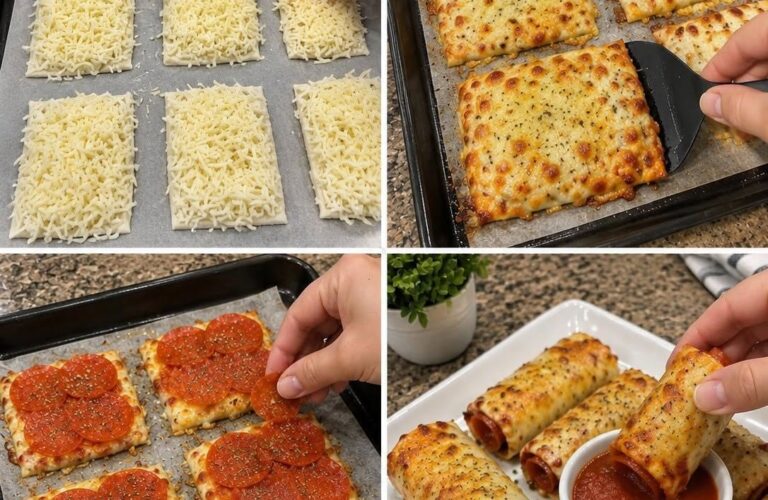
Keto Low Carb Pizza Roll-Ups: The Ultimate Cheesy, Delicious, and Easy Recipe
Introduction to Keto Low Carb Pizza Roll-Ups
Keto low carb pizza roll-ups are a delicious alternative to traditional pizza, combining the irresistible flavors of melted cheese, savory pizza sauce, aromatic herbs, and classic pizza toppings in a convenient rolled-up form. They are perfect for anyone who enjoys pizza but wants to prepare a meal with fewer carbohydrates.
These pizza roll-ups are wonderfully cheesy, flavorful, and satisfying. Each bite brings together a rich combination of mozzarella cheese, pepperoni, Italian seasoning, garlic, and a carefully chosen low-carb sauce. The outside becomes beautifully golden, while the inside remains soft, warm, and full of delicious pizza flavors.
One of the best things about this recipe is its versatility. You can prepare the roll-ups as a quick lunch, an easy dinner, a party appetizer, a school or work snack, or a fun weekend meal for the whole family. They are also convenient for meal preparation because they can be assembled ahead of time and reheated when needed.
Unlike traditional pizza dough, which usually contains wheat flour and contributes a significant amount of carbohydrates, this recipe can use a cheese-based dough, low-carb tortillas, or thin slices of suitable vegetables. Each method creates a slightly different texture, allowing you to choose the version that best suits your preferences.
This recipe focuses on a cheese-based version that creates a flexible, pizza-inspired roll with a rich flavor and satisfying texture. You will also find alternative preparation methods, topping suggestions, storage instructions, troubleshooting tips, and serving ideas to help you make the recipe successfully.
What Makes Keto Low Carb Pizza Roll-Ups Special?
Keto low carb pizza roll-ups bring together the familiar taste of pizza in a compact and convenient form. They require relatively simple ingredients, do not need traditional yeast dough, and can be prepared without waiting for a long rising period.
The cheese-based dough provides structure and richness. Mozzarella creates a stretchy texture, while cream cheese helps make the mixture softer and easier to work with. Almond flour adds body and helps the dough become more manageable.
Pizza sauce contributes sweetness, acidity, and tomato flavor. Pepperoni provides a savory, seasoned taste, while additional mozzarella melts around the filling and creates the gooey texture that makes pizza so appealing.
Italian seasoning, garlic powder, and a little black pepper give the roll-ups a classic pizzeria-style aroma.
Another advantage is that the ingredients can be adjusted to suit different tastes. You can make them vegetarian, add mushrooms or bell peppers, use cooked chicken, or increase the herbs for a more pronounced Italian-inspired flavor.
Recipe Overview
Preparation time: 20 minutes
Cooking time: 15–22 minutes
Total time: Approximately 35–42 minutes
Servings: 4
Yield: Approximately 12 small roll-ups, depending on how the dough is divided
Cooking temperature: 375°F (190°C)
Difficulty level: Moderate
Suitable for: Low-carb eating patterns, keto-style meals, family snacks, lunch, and dinner
Equipment needed: Mixing bowls, microwave-safe bowl or double boiler, spatula, rolling pin, baking parchment, baking tray, sharp knife, and oven
Ingredients for Keto Low Carb Pizza Roll-Ups
Ingredients for the Cheese-Based Dough
2 cups shredded low-moisture mozzarella cheese
Mozzarella forms the main structure of the dough. When melted, it becomes stretchy and pliable, allowing it to combine with the other ingredients and form a flexible sheet.
Low-moisture mozzarella is preferable because it releases less water during cooking. Excess moisture can make the dough sticky, difficult to roll, and less likely to hold its shape.
2 ounces cream cheese
Cream cheese contributes softness, richness, and flexibility. It helps the melted mozzarella combine more evenly with the almond flour and improves the overall texture.
Full-fat cream cheese generally works well in this recipe, although suitable alternatives may be used if their texture and ingredients are compatible.
1 large egg
The egg helps bind the dough and provides structure as it cooks. It also contributes to a more cohesive texture, making the finished roll-ups easier to handle.
Allow the egg to come close to room temperature before mixing if possible. This can help it combine more evenly with the warm cheese mixture.
¾ cup superfine almond flour
Almond flour adds substance to the dough without using traditional wheat flour. Superfine almond flour is especially useful because it creates a more even texture.
Avoid replacing almond flour with the same quantity of coconut flour. Coconut flour absorbs considerably more liquid and would require a different recipe balance.
½ teaspoon baking powder
Baking powder helps create a slightly lighter texture. It is optional, but it can make the dough feel less dense.
½ teaspoon garlic powder
Garlic powder adds a gentle savory flavor that complements the cheese and pizza filling.
½ teaspoon Italian seasoning
Italian seasoning commonly contains herbs such as oregano, basil, thyme, and rosemary. It gives the dough a familiar pizza-inspired aroma.
¼ teaspoon salt, or to taste
Salt enhances the flavor of the dough. Use less if your mozzarella, cream cheese, or toppings are already salty.
Ingredients for the Pizza Filling
⅓ cup low-sugar pizza sauce
Choose a tomato-based pizza sauce with no added sugar or a small amount of added sugar. Check the nutrition label because carbohydrate amounts vary among brands.
A thick sauce is preferable to a watery sauce. Too much moisture can soften the dough and make the roll-ups difficult to seal.
1 cup shredded mozzarella cheese
This additional mozzarella creates the classic melted-cheese filling. It helps bind the toppings together and gives the inside a deliciously stretchy texture.
½ cup sliced pepperoni
Pepperoni contributes a traditional pizza flavor with savory, seasoned notes. You can use regular pepperoni or a suitable alternative, checking the label for carbohydrate content.
¼ cup finely chopped green bell pepper
Green bell pepper adds freshness, color, and a slightly crisp texture. Chop it finely so the roll-ups are easy to shape and the filling remains evenly distributed.
¼ cup finely chopped mushrooms
Mushrooms add a savory, earthy flavor that works beautifully with tomato sauce and cheese.
If the mushrooms appear particularly wet, cook them briefly in a dry skillet before adding them to the filling. Allow them to cool before assembling the roll-ups.
¼ teaspoon dried oregano
Oregano reinforces the classic pizza flavor and pairs especially well with tomato sauce.
¼ teaspoon garlic powder
A little additional garlic powder adds flavor to the filling without making it overpowering.
A pinch of crushed red pepper flakes, optional
Red pepper flakes provide gentle heat. Leave them out if you prefer a mild flavor.
Optional Ingredients for Finishing
2 tablespoons grated Parmesan cheese
Parmesan adds a salty, nutty flavor and can help create a deliciously browned surface.
1 teaspoon olive oil
A very light brushing of olive oil can encourage browning, although it is not essential because the cheese already contains fat.
1 tablespoon chopped fresh parsley or basil
Fresh herbs can be sprinkled over the finished roll-ups to add color and freshness.
Choosing the Best Ingredients
The quality and moisture content of the ingredients can significantly affect the final result.
For the dough, shredded low-moisture mozzarella is one of the most important choices. Fresh mozzarella packed in water generally contains too much moisture for this particular preparation.
Almond flour should be finely ground and fresh. Coarse almond meal may create a grainier dough that is more difficult to roll.
For the filling, use a thick pizza sauce rather than a thin pasta sauce. If your sauce is watery, simmer a small amount in a saucepan until it thickens, then allow it to cool before using.
When choosing pepperoni, cheese, and prepared sauces, check the nutrition information rather than assuming every product is keto-friendly. Some products contain added starches or sugars.
The vegetables should be chopped finely and kept relatively dry. Large pieces can make the roll-ups difficult to seal and may cause the filling to fall out during baking.
Step-by-Step Instructions
Step 1: Prepare the Oven and Baking Tray
Preheat your oven to 375°F (190°C).
Allow the oven to reach the correct temperature before placing the roll-ups inside. A properly preheated oven helps the dough cook evenly and encourages the cheese to become golden.
Line a baking tray with baking parchment. The parchment prevents the cheese-based dough from sticking and makes cleanup easier.
If you do not have parchment, use a suitable nonstick baking tray. Avoid placing the roll-ups directly on an unprepared surface because melted cheese can stick firmly during cooking.
Set the prepared tray aside while you make the dough.
Step 2: Measure the Dough Ingredients
Measure the mozzarella, cream cheese, almond flour, baking powder, garlic powder, Italian seasoning, and salt.
Crack the egg into a separate small bowl and lightly beat it with a fork.
Preparing the ingredients in advance makes the process easier because the melted cheese mixture begins to firm up as it cools.
Keep the almond flour nearby so it can be incorporated while the cheese remains warm and pliable.
Step 3: Melt the Mozzarella and Cream Cheese
Place the 2 cups of mozzarella and the cream cheese in a microwave-safe bowl.
Heat the mixture in short intervals of approximately 20–30 seconds, stirring between each interval.
Continue until the cheese becomes soft, melted, and easy to stir. Depending on your microwave, the total time may vary.
Alternatively, place the cheeses in a heatproof bowl over a saucepan containing gently simmering water. Stir until the mixture softens and becomes mostly smooth.
Do not overheat the cheese. Excessive heating can cause it to become oily or rubbery.
The mixture should be warm and stretchy rather than bubbling aggressively.
Step 4: Combine the Dry Ingredients
In another bowl, combine the almond flour, baking powder, garlic powder, Italian seasoning, and salt.
Stir thoroughly to distribute the seasonings evenly.
Breaking up any lumps in the almond flour helps produce a smoother dough. Even distribution is important because pockets of baking powder or seasoning can create an inconsistent flavor.
Step 5: Make the Dough
Add the dry ingredients to the warm melted cheese mixture.
Stir with a sturdy spatula until the almond flour begins to disappear into the cheese.
Add the lightly beaten egg and mix until the ingredients form a cohesive dough.
The dough may initially appear separated or slightly greasy. Continue mixing while it is warm, allowing the ingredients to come together.
If the mixture becomes difficult to stir, gently warm it for a few seconds. Do not add the egg directly to extremely hot cheese, as this can cause the egg to begin cooking before it is incorporated.
Once mixed, the dough should be soft and pliable.
Step 6: Knead the Dough Gently
Transfer the dough to a clean work surface or a large piece of baking parchment.
When the dough is cool enough to handle safely, knead it gently for approximately 1–2 minutes.
Fold the dough over itself, press it together, and repeat until the ingredients are evenly distributed.
Avoid excessive kneading. The goal is simply to make the dough smooth enough to roll.
If it feels sticky, let it cool briefly. If it becomes too firm, warm it gently for a few seconds.
Do not add large amounts of extra almond flour immediately. Adding too much can make the finished roll-ups dry and crumbly.
Step 7: Roll the Dough into a Rectangle
Place the dough between two sheets of baking parchment.
Use a rolling pin to roll it into a rectangle approximately 10 by 12 inches, adjusting the size as needed.
Aim for an even thickness of about ⅛–¼ inch. A relatively thin sheet allows the dough to roll without becoming excessively thick in the center.
If the edges crack, press them together with your fingers and continue rolling gently.
If the dough sticks to the parchment, allow it to cool for a few minutes before trying again.
Try to maintain an even thickness throughout the rectangle. Thin areas may brown more quickly, while thick areas may remain soft.
Step 8: Prepare the Filling
In a medium bowl, combine the low-sugar pizza sauce, shredded mozzarella, pepperoni, chopped bell pepper, mushrooms, oregano, and garlic powder.
Add the optional red pepper flakes if you enjoy a little heat.
Stir until the ingredients are evenly mixed.
Do not add excessive sauce. The mixture should be flavorful but not wet enough to run across the dough.
If you prefer a simpler filling, combine only the sauce, mozzarella, and pepperoni. This classic combination is easy to roll and usually produces a dependable result.
Step 9: Spread the Filling over the Dough
Remove the top sheet of parchment from the rolled dough.
Spread the filling in a thin, even layer across the surface.
Leave approximately ½ inch uncovered along one long edge. This clean edge will help seal the roll once it is shaped.
Distribute the toppings evenly so every slice contains a balanced combination of cheese, sauce, and other ingredients.
Avoid piling the filling too deeply in the center. Excess filling can make the roll difficult to close and may escape during baking.
If the mixture contains noticeable liquid, drain off the excess before continuing.
Step 10: Roll the Dough Carefully
Starting from the long edge opposite the uncovered border, lift the parchment slightly to help guide the dough forward.
Roll slowly and evenly, keeping the filling inside.
Avoid pressing too firmly because the dough may tear or force the sauce out of the sides.
Continue rolling until you reach the uncovered edge.
Gently press the seam closed with your fingertips. If necessary, use a small amount of the dough to patch any cracks.
Position the roll seam-side down on the work surface.
Step 11: Chill the Roll Briefly
Place the rolled dough in the refrigerator for approximately 10–15 minutes.
This step is optional but helpful. Cooling firms the cheese-based dough and makes it easier to slice without flattening the roll.
If the dough is already firm enough to cut cleanly, you can proceed directly to slicing.
Do not leave it refrigerated for an unnecessarily long time before cutting, because the cheese may become very firm and difficult to slice neatly.
Step 12: Slice into Individual Roll-Ups
Use a sharp knife to cut the roll into approximately 12 equal pieces.
Each piece should be thick enough to hold its filling without becoming overly bulky.
Wipe the knife between cuts if the filling sticks to the blade.
Transfer the slices to the prepared baking tray, placing them cut-side up or slightly tilted so the layers remain visible.
Leave a little space between the pieces to allow hot air to circulate.
If a roll-up opens slightly, gently tuck the loose edge underneath or press the seam together before baking.
Step 13: Add the Finishing Cheese
Sprinkle the Parmesan cheese over the roll-ups if desired.
You can also add a small pinch of mozzarella to the top of each piece for an extra-cheesy finish.
Use the optional olive oil sparingly if you want a slightly more golden surface.
Avoid adding too much cheese on top because it may melt onto the baking tray and make the roll-ups harder to lift.
Step 14: Bake the Roll-Ups
Place the tray in the preheated oven.
Bake for approximately 15–22 minutes, checking the roll-ups toward the end of the cooking period.
The exact time depends on their thickness, the moisture content of the filling, and your oven.
Look for a set dough, bubbling cheese, and lightly golden edges.
The centers should be cooked through rather than wet or doughy. If your roll-ups are particularly thick, they may need additional time.
If the tops brown before the centers are ready, reduce the oven temperature slightly and continue baking until done.
Use a food thermometer if you want to check that the center of the dough and filling has reached a safe temperature. Because the recipe contains egg and dairy, the dough should be fully cooked.
Step 15: Allow the Roll-Ups to Rest
Remove the tray from the oven and allow the roll-ups to rest for approximately 5 minutes.
This short resting period helps the melted cheese settle and makes the roll-ups easier to lift.
The filling will be very hot immediately after baking, so allow them to cool slightly before serving.
Use a thin spatula to transfer them to a serving plate.
Step 16: Garnish and Serve
Sprinkle the roll-ups with freshly chopped parsley or basil if desired.
Serve them warm, when the cheese is soft and the pizza flavors are at their best.
You can offer a small bowl of warm low-sugar pizza sauce on the side for dipping.
These roll-ups are delicious on their own, but they also pair well with a green salad, roasted vegetables, or a simple cucumber salad.
Tips for Perfect Keto Low Carb Pizza Roll-Ups
Use Low-Moisture Mozzarella
Low-moisture mozzarella is particularly helpful because excess water can interfere with the dough’s texture.
If the cheese mixture becomes watery, the dough may turn sticky and difficult to roll. Choosing the correct cheese from the beginning makes the process easier.
Work While the Cheese Is Warm
Cheese-based dough becomes firmer as it cools.
Mix the ingredients while the cheese is still warm and roll the dough once it is comfortable to handle.
If it becomes too firm, gentle reheating can restore some flexibility.
Avoid Overfilling
A generous filling may sound appealing, but too much sauce and cheese can make the roll-ups difficult to seal.
Use a thin, even layer and distribute the ingredients carefully.
You can always serve extra pizza sauce on the side.
Chop the Toppings Finely
Small pieces are easier to distribute throughout the roll.
Large mushroom slices, pepperoni pieces, or bell pepper chunks may create gaps in the dough or cause the roll-ups to open.
Do Not Skip the Cooling Period When Needed
If the dough is very soft, chilling the assembled roll can help maintain its shape.
Even a short period in the refrigerator can make slicing easier.
Watch the Oven Toward the End
Cheese-based dough can brown quickly.
Check the roll-ups during the final few minutes of baking, especially if your oven tends to run hot.
The goal is a lightly golden exterior and a fully cooked center.
Three Alternative Ways to Make Low Carb Pizza Roll-Ups
The cheese-based recipe is excellent for a pizza-inspired dough, but there are other ways to create roll-ups depending on your preferred texture and available ingredients.
Method One: Low-Carb Tortilla Pizza Roll-Ups
Low-carb tortillas offer a convenient shortcut.
Choose tortillas that fit your preferred carbohydrate target and check the package information because products differ considerably.
Spread a thin layer of low-sugar pizza sauce over each tortilla. Add mozzarella, pepperoni, and finely chopped toppings.
Roll tightly and place seam-side down in a lightly greased baking dish.
Bake at 375°F (190°C) for approximately 10–15 minutes, or until the cheese melts and the edges become lightly crisp.
For a crispier exterior, cut the rolled tortillas into smaller pieces and arrange them on a baking tray.
This method is generally easier for beginners because it avoids preparing a cheese-based dough. However, the tortillas may contain more carbohydrates than the dough in the main recipe, so check the nutrition information.
Method Two: Zucchini Pizza Roll-Ups
Zucchini provides a vegetable-based alternative.
Slice a large zucchini lengthwise into thin, wide strips using a mandoline or a sharp knife. Use care when handling sharp equipment.
Arrange the strips on a baking tray, lightly season them, and roast briefly until they become flexible.
Pat away excess moisture, then add a small amount of pizza sauce, mozzarella, and finely chopped toppings.
Roll each strip carefully and place it seam-side down in a baking dish.
Bake at 375°F (190°C) until the cheese melts and the roll-ups are heated through.
Zucchini contains considerable moisture, so roasting and drying the slices first is important. The finished texture will be softer and more vegetable-forward than the cheese-based version.
Method Three: Cheese-Slice Pizza Roll-Ups
Large slices of suitable cheese can be used as a simple wrapper.
Place cheese slices on baking parchment and warm them briefly until they become flexible. Add a small amount of prepared filling and roll carefully while the cheese remains pliable.
Return the rolls to the oven for a short time if needed to melt the filling.
This method can be very rich and salty, depending on the cheese used, so keep the filling modest and consider serving smaller portions.
Choose slices that soften without becoming excessively brittle. This approach is best for small snack-size portions.
Delicious Filling Variations
One of the greatest advantages of pizza roll-ups is how easily the filling can be changed.
Classic Pepperoni Pizza Roll-Ups
For a traditional flavor, combine low-sugar pizza sauce, mozzarella, and pepperoni.
Add oregano and a pinch of garlic powder.
Keep the filling simple so the cheese and pepperoni remain the main flavors.
Four-Cheese Pizza Roll-Ups
Combine mozzarella with small amounts of Parmesan, provolone, and cheddar.
Mozzarella provides stretch, Parmesan adds a savory taste, provolone contributes a smooth melt, and cheddar creates a stronger cheese flavor.
Use moderate quantities of the additional cheeses so the filling does not become excessively oily.
Mushroom and Spinach Pizza Roll-Ups
Cook chopped mushrooms and spinach briefly before adding them to the filling.
Allow the vegetables to cool, then squeeze or drain away excess moisture.
Combine them with mozzarella, pizza sauce, and Italian seasoning.
This variation offers a savory vegetable filling and is a good option for people who prefer not to use pepperoni.
Chicken Pizza Roll-Ups
Use finely chopped, fully cooked chicken breast or thigh meat.
Combine the chicken with mozzarella, low-sugar pizza sauce, oregano, and a small amount of garlic powder.
Avoid adding raw chicken directly to the roll-ups because the short baking time may not cook it safely.
Cooked chicken works especially well when you have leftovers from a previous meal.
Spicy Pizza Roll-Ups
Add crushed red pepper flakes, a small amount of chopped jalapeño, or a spicy pepperoni variety.
Balance the heat with mozzarella and a mild tomato sauce.
Keep spicy ingredients evenly distributed so one roll-up does not become much hotter than the others.
Vegetarian Pizza Roll-Ups
Replace pepperoni with chopped bell peppers, mushrooms, olives, and a little spinach.
Cook moisture-heavy vegetables first, and avoid using too much sauce.
For a more substantial filling, add a moderate amount of suitable cheese.
Olive and Feta Pizza Roll-Ups
Combine mozzarella with a little crumbled feta and finely chopped olives.
Use less salt in the dough because feta and olives are already salty.
A small amount of oregano or basil complements this Mediterranean-inspired combination.
Barbecue Chicken-Inspired Roll-Ups
For a different flavor, replace the pizza sauce with a small amount of low-sugar barbecue sauce.
Add cooked chicken and mozzarella.
Check the sauce label carefully because many barbecue sauces contain substantial added sugar. This variation may also have a different carbohydrate content from the classic recipe.
How to Serve Keto Low Carb Pizza Roll-Ups
These roll-ups can be served in several ways depending on the occasion.
For lunch, serve three or four small roll-ups with a fresh green salad and a light vinaigrette.
For dinner, pair them with roasted broccoli, cauliflower, green beans, or sautéed zucchini.
For a casual gathering, arrange the roll-ups on a platter with small bowls of pizza sauce and a yogurt-based herb dip.
For an afternoon snack, serve one or two roll-ups with sliced cucumber or bell pepper.
For a family pizza night, prepare several fillings and let everyone choose their preferred combination.
The roll-ups can also be served as part of a larger meal alongside a vegetable soup or a simple salad.
If you are serving them to children or a group, allow the roll-ups to cool sufficiently before eating because melted cheese can retain heat.
Low Carb Pizza Sauce Recipe
Making your own pizza sauce is an easy way to control the ingredients.
Ingredients
- ½ cup plain tomato passata or crushed tomatoes
- 1 teaspoon olive oil
- ½ teaspoon dried oregano
- ¼ teaspoon garlic powder
- ¼ teaspoon dried basil
- A small pinch of salt
- A pinch of black pepper
Instructions
Place the tomato passata in a small saucepan.
Add the olive oil, oregano, garlic powder, basil, salt, and black pepper.
Stir well and bring the mixture to a gentle simmer over low heat.
Cook for approximately 5–8 minutes, stirring occasionally, until the sauce becomes slightly thicker.
Taste and adjust the seasoning as desired.
Allow the sauce to cool before spreading it over the dough. Using cooled sauce helps prevent the cheese-based dough from softening too quickly.
If the tomatoes are particularly watery, simmer the sauce for a few extra minutes.
Store any unused sauce in a clean, covered container in the refrigerator and use it within a few days, following safe food-storage practices.
Approximate Nutrition Information
The nutritional values below are estimates for the cheese-based recipe divided into 12 small roll-ups. Actual values depend on the brands, quantities, and specific ingredients used.
| Nutrient | Approximate amount per roll-up |
|---|---|
| Calories | 120–160 |
| Protein | 7–10 g |
| Fat | 9–13 g |
| Total carbohydrates | 2–4 g |
| Fiber | 0.5–1 g |
| Net carbohydrates | 1.5–3.5 g |
Net carbohydrates are generally calculated by subtracting fiber from total carbohydrates. This calculation may differ depending on local nutrition-labeling rules and the product used.
These figures are illustrative rather than laboratory-tested nutrition data. The recipe’s actual totals can vary considerably with the amount of mozzarella, almond flour, pepperoni, sauce, and vegetables.
For a more accurate estimate, add the nutrition information from the labels of your ingredients and divide the total by the number of roll-ups you make.
A keto-style label does not automatically mean a food is appropriate for every person. If you follow a medically prescribed diet, use the guidance provided by your healthcare professional.
Common Mistakes and How to Fix Them
The Dough Is Too Sticky
Sticky dough may result from excess moisture, insufficient cooling, or differences in the cheese and almond flour.
First, allow the dough to cool briefly.
If it remains too sticky, knead in a small amount of almond flour, approximately one tablespoon at a time, until it becomes easier to handle.
Avoid adding too much flour because the dough can become dry and crack when rolled.
The Dough Breaks While Rolling
Cheese-based dough may crack if it becomes too cold or has not been mixed evenly.
Warm it gently until it becomes flexible again.
Press small cracks together with your fingertips, then continue rolling between sheets of parchment.
Avoid pulling the dough aggressively, particularly around the edges.
The Roll-Ups Fall Apart
This can happen if the dough is rolled too loosely, the filling is too wet, or the pieces are sliced before the roll has firmed up.
Spread the filling evenly and leave a clean border for sealing.
Roll the dough tightly enough to hold its shape without squeezing the filling out.
Chill the roll before slicing if necessary, and position the pieces seam-side down on the tray.
The Bottoms Become Too Brown
Dark bottoms may occur when the tray is placed too close to the heating element or when the baking tray conducts heat very efficiently.
Use the center rack and check the roll-ups near the end of the baking period.
A second baking tray placed underneath the first can sometimes reduce excessive bottom browning.
The Centers Are Still Soft
Cheese-based dough is naturally softer than traditional bread dough, so its texture will not be identical to a regular pizza crust.
However, if the centers seem wet or uncooked, the roll-ups may need additional baking time.
Check the thickness of the dough and reduce the amount of filling if necessary.
Allow the roll-ups to rest after baking, since the cheese firms as it cools.
The Cheese Releases Too Much Oil
Some cheeses release more oil when heated, especially if they are overheated.
Use moderate heat when melting the cheese and avoid heating it until it bubbles vigorously.
Low-moisture mozzarella with a suitable melting quality is usually a dependable option.
The Filling Leaks Out
Too much sauce, oversized toppings, or an unsealed seam can cause leakage.
Use a thin layer of thick sauce and finely chopped toppings.
Keep the long edge of the dough free from filling and press the seam closed before slicing.
A small amount of melted cheese escaping is normal, but excessive leakage can be reduced by using less filling.
Can You Make Keto Low Carb Pizza Roll-Ups Ahead of Time?
Yes. These roll-ups can be prepared in advance, making them useful for busy days.
You can prepare the filling a day ahead and keep it refrigerated in a covered container.
You can also prepare the cheese-based dough, roll it around the filling, and refrigerate the uncut roll briefly before slicing and baking.
For longer preparation, it is generally more convenient to bake the roll-ups completely, cool them promptly, and refrigerate them in a sealed container.
Reheat only the portion you plan to eat.
Avoid leaving cooked roll-ups at room temperature for extended periods, especially because they contain cheese, egg, and potentially meat.
How to Store Leftover Pizza Roll-Ups
Allow the cooked roll-ups to cool slightly, then refrigerate them in a shallow, airtight container within two hours of cooking.
Keep the refrigerator at 40°F (4°C) or below.
For best quality, consume the leftovers within 3–4 days.
Place parchment between layers if necessary to reduce sticking.
If the roll-ups contain cooked chicken or other meat, follow the same safe refrigeration guidance.
Do not store them at room temperature overnight.
How to Reheat Pizza Roll-Ups
Reheating in the Oven
Preheat the oven to 325°F (165°C).
Arrange the roll-ups on a baking tray and heat for approximately 8–12 minutes, or until warmed through.
For a crispier exterior, leave them uncovered.
If the cheese begins to brown too much before the center is hot, lower the temperature slightly.
Reheating in the Air Fryer
Preheat the air fryer to approximately 320°F (160°C), if your model requires preheating.
Place the roll-ups in a single layer and heat for approximately 3–6 minutes, checking frequently.
Cooking time varies by air fryer and roll-up size.
Allow them to cool slightly before eating because the filling becomes extremely hot.
Reheating in the Microwave
Place one or two roll-ups on a microwave-safe plate.
Heat in short intervals of approximately 20–30 seconds until warm.
The microwave is convenient, but the dough may become softer rather than crisp.
Avoid overheating because the cheese can become rubbery.
Can Keto Low Carb Pizza Roll-Ups Be Frozen?
Yes, although the texture may change slightly after freezing.
For the best results, bake the roll-ups completely and allow them to cool.
Arrange them in a single layer on a tray and freeze until firm. Transfer them to a freezer-safe container or bag, separating layers with parchment.
Label the container with the date.
For best quality, use them within approximately 2–3 months.
Thaw overnight in the refrigerator when possible, then reheat in an oven or air fryer until thoroughly hot.
You can also reheat some frozen roll-ups directly, but they will require additional time. Check that the center is heated through before serving.
Avoid repeatedly thawing and refreezing the same batch.
Frequently Asked Questions
Are keto low carb pizza roll-ups completely carb-free?
No. Almond flour, tomato sauce, vegetables, and dairy products all contribute some carbohydrates. This recipe is designed to be lower in carbohydrates than many traditional pizza dough recipes, but the exact amount depends on the ingredients.
Can I make this recipe without almond flour?
Yes, but you will need a different dough formula.
Coconut flour absorbs much more liquid than almond flour, so it cannot usually replace almond flour in equal quantities. A recipe specifically developed for coconut flour or another suitable low-carb flour will give more predictable results.
Can I make the recipe without cream cheese?
Cream cheese helps create a soft and flexible dough. Removing it changes the moisture and fat balance, so the original quantities may no longer work properly.
For the most reliable result, use the specified amount or follow a cheese-dough recipe designed without cream cheese.
Can I use pre-shredded mozzarella?
Yes. Pre-shredded mozzarella is convenient, although some products contain anti-caking ingredients that may affect how smoothly the cheese melts.
If possible, choose a product that melts well and has a relatively simple ingredient list.
Can I prepare these roll-ups without an oven?
Yes, depending on the version you choose.
The low-carb tortilla variation can be prepared in a covered skillet over low to medium-low heat until the cheese melts and the tortilla becomes lightly crisp.
Turn the roll-ups carefully so they heat evenly.
The cheese-based dough version is more delicate and may require careful temperature control to cook through without burning. An oven or air fryer is generally easier for consistent results.
Why is my dough not stretchy?
The cheese may have cooled too much, the mixture may not have been combined evenly, or the cheese itself may have different melting properties.
Warm the dough gently until pliable, then mix or knead briefly.
Do not overheat it, as excessive heat can make the cheese greasy and difficult to work with.
Can I use fresh mozzarella?
Fresh mozzarella is usually not the best choice for the dough because it contains more water.
If you use it in the filling, drain it thoroughly and pat it dry before adding it.
For the dough, low-moisture mozzarella is more dependable.
Can I make the roll-ups vegetarian?
Absolutely. Omit the pepperoni and use mushrooms, bell peppers, spinach, olives, or other suitable vegetables.
Cook moisture-heavy vegetables first and allow them to cool before adding them to the filling.
Check that the cheese and any prepared sauces meet your dietary preferences.
Can I make them spicy?
Yes. Add crushed red pepper flakes, jalapeños, or a spicy pepperoni variety.
Start with a small amount and adjust according to your preference.
How do I know when they are ready?
The dough should be set, the cheese should be melted, and the edges should be lightly golden.
The center should not look wet or uncooked. If you are unsure, allow additional cooking time and check the thickest roll-up.
Are these suitable for meal preparation?
Yes. They can be baked ahead, refrigerated, and reheated when needed.
For the best texture, reheat them in the oven or air fryer rather than the microwave.
Can I pack them for lunch?
Yes, provided they are stored and transported safely. Because they contain dairy, egg, and possibly meat, keep them refrigerated or use an insulated lunch bag with an appropriate ice pack.
Serving Ideas for Different Occasions
A Quick Weekday Lunch
Serve warm roll-ups with cucumber slices, cherry tomatoes, and a simple green salad.
This combination provides a mixture of textures and flavors without requiring a complicated side dish.
A Family Dinner
Prepare a larger batch with different fillings.
One tray can contain classic pepperoni, another can feature mushrooms and spinach, and a third can contain cooked chicken and mozzarella.
Label each variation so everyone can easily find their favorite.
A Party Appetizer
Cut the roll-ups into smaller pieces and arrange them on a platter.
Serve with small portions of tomato sauce for dipping.
For a larger gathering, prepare the rolls in advance and bake them shortly before serving.
A Pizza-Inspired Snack
Serve one or two roll-ups with a small bowl of warm pizza sauce.
Add a little fresh basil or Parmesan for extra flavor.
A Vegetable-Focused Meal
Pair the roll-ups with roasted cauliflower, broccoli, or zucchini.
Season the vegetables with olive oil, black pepper, garlic, and herbs to complement the pizza filling.
Final Recipe Notes
Keto low carb pizza roll-ups are a convenient way to enjoy familiar pizza flavors in a smaller, easy-to-serve form. The cheese-based dough provides a rich, satisfying texture, while mozzarella, pepperoni, tomato sauce, garlic, and Italian herbs create the classic flavor combination.
The most important steps are to use low-moisture mozzarella, mix the dough while the cheese is warm, keep the filling relatively dry, and roll the dough carefully. Chilling the assembled roll before slicing can also help produce neat, attractive pieces.
Once you are comfortable with the basic recipe, you can experiment with vegetarian fillings, cooked chicken, different cheeses, herbs, and spices.
Serve the roll-ups warm with a simple salad or vegetables for a complete meal, or prepare smaller portions as a snack or appetizer. Store leftovers promptly and reheat them in the oven or air fryer to help preserve their texture.
With straightforward ingredients and a little attention to moisture and temperature, these keto low carb pizza roll-ups can become a versatile addition to your collection of homemade pizza-inspired recipes.