admin1
Lemon Cheesecake Mousse: A Light, Creamy, and Refreshing No-Bake Dessert
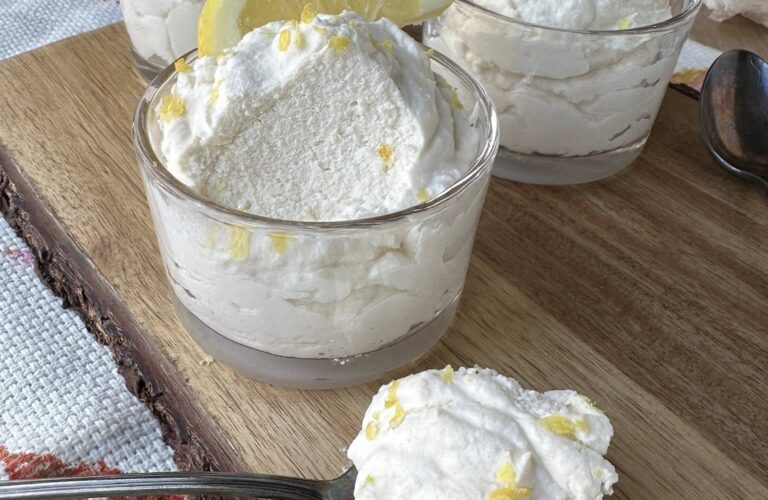
Lemon cheesecake mousse is a deliciously creamy dessert that combines the rich flavor of classic cheesecake with the refreshing taste of fresh lemons. It has a smooth, airy texture, a delicate sweetness, and a bright citrus flavor that makes every spoonful taste fresh and satisfying. Unlike traditional cheesecake, which usually requires a crust, baking, and several hours of preparation, this lemon cheesecake mousse can be prepared without an oven and served in individual dessert glasses.
This dessert is perfect for spring gatherings, summer parties, family dinners, birthdays, holiday celebrations, or whenever you want something sweet that feels light and refreshing. The combination of cream cheese, whipped cream, lemon juice, lemon zest, and sugar creates a beautiful balance between richness and tanginess. Each spoonful offers the familiar taste of cheesecake with the soft, fluffy consistency of mousse.
One of the best things about lemon cheesecake mousse is how easy it is to customize. You can serve it plain, layer it with crushed biscuits, top it with fresh berries, decorate it with lemon zest, or add a thin layer of lemon curd for an extra burst of citrus flavor. It can be presented in elegant dessert glasses for special occasions or prepared in a large serving bowl for a relaxed family gathering.
This detailed recipe explains everything you need to know, from selecting the best ingredients to preparing the smoothest mousse, achieving the perfect consistency, avoiding common mistakes, and storing the finished dessert properly.
What Is Lemon Cheesecake Mousse?
Lemon cheesecake mousse is a no-bake dessert inspired by the flavor of traditional lemon cheesecake. Instead of using a dense baked filling, it combines softened cream cheese with whipped cream to create a filling that is rich, smooth, light, and airy.
Fresh lemon juice provides a pleasant tang, while finely grated lemon zest adds a fragrant citrus aroma. Powdered sugar sweetens the mixture without introducing a grainy texture, and vanilla extract rounds out the flavor.
The result is a dessert that tastes like lemon cheesecake but has the delicate texture of mousse. It is creamy enough to feel indulgent while remaining soft and easy to spoon into small portions.
Unlike a traditional cheesecake, this mousse does not need to be baked. It simply needs to be chilled until the mixture becomes cool, creamy, and sufficiently firm to serve.
Why You Will Love This Lemon Cheesecake Mousse
There are many reasons to make this recipe part of your favorite dessert collection.
First, it requires no baking. You do not need to preheat an oven, prepare a water bath, or worry about the cheesecake cracking while it cools. A mixing bowl, an electric mixer, and a refrigerator are enough to prepare the dessert.
Second, the texture is wonderfully smooth. Properly softened cream cheese blends into a creamy base, while freshly whipped cream adds lightness. The two components work together to create a mousse that is rich but not overly heavy.
Third, the lemon flavor is fresh and balanced. The cream cheese provides a gentle tang, the lemon juice adds brightness, and the zest delivers a concentrated citrus fragrance. The sweetness brings everything together without overpowering the lemon.
Another advantage is that the recipe can be prepared ahead of time. You can make the mousse several hours before serving, divide it into dessert glasses, and keep it refrigerated until needed.
It is also easy to decorate. Fresh blueberries, raspberries, strawberries, thin lemon slices, crushed digestive biscuits, and a small spoonful of lemon curd all work beautifully.
Finally, this recipe is flexible. You can make it sweeter or more tart, add a biscuit base, prepare it in individual cups, or serve it as a layered dessert.
Preparation Time and Serving Information
Preparation time: 20–25 minutes
Chilling time: 2–4 hours
Total time: Approximately 2 hours 25 minutes to 4 hours 25 minutes
Servings: 6 individual portions
Difficulty level: Easy
Cooking method: No-bake
Recommended serving size: One small dessert glass per person
The exact preparation time depends on how quickly your cream cheese softens, how long it takes to whip the cream, and whether you prepare additional layers or decorations.
Ingredients for Lemon Cheesecake Mousse
The following ingredients create a creamy, fluffy mousse with a noticeable lemon flavor and a balanced sweetness.
Cream Cheese
You will need 225 grams (8 ounces) of full-fat cream cheese, softened to room temperature.
Cream cheese is the foundation of this dessert. It provides the characteristic cheesecake flavor and gives the mousse enough structure to hold its shape after chilling.
Full-fat block cream cheese is generally the best option because it creates a rich, smooth texture. Reduced-fat varieties may produce a softer filling, while spreadable cream cheese sold in tubs can contain more moisture and may not give the same consistency.
Allow the cream cheese to soften before mixing. Cold cream cheese is more likely to form small lumps, which can be difficult to remove once the other ingredients have been added.
Heavy Whipping Cream
You will need 240 milliliters (1 cup) of cold heavy whipping cream.
The cream is responsible for the light, airy texture. When whipped, it incorporates air into the dessert and transforms the thick cream cheese mixture into a soft mousse.
Use cream suitable for whipping, preferably with approximately 30–36% fat or more, depending on the product available in your country.
Keep the cream refrigerated until you are ready to use it. Cold cream whips more reliably than warm cream and helps the mousse maintain its structure.
Powdered Sugar
You will need 60–80 grams (½–⅔ cup) of powdered sugar, also called icing sugar or confectioners’ sugar.
Powdered sugar sweetens the mousse and blends easily into the cream cheese. Begin with the smaller amount if you prefer a more pronounced lemon flavor.
If you enjoy a sweeter dessert, use the larger amount. You can also taste the cream cheese mixture before folding in the whipped cream and adjust the sweetness at that stage.
Avoid adding too much sugar at once because the finished mousse should retain its fresh citrus character.
Fresh Lemon Juice
You will need 2 tablespoons of freshly squeezed lemon juice.
Fresh lemon juice adds the bright, tangy flavor that distinguishes this dessert from ordinary cheesecake mousse.
Roll the lemon gently on the countertop before cutting it. This helps release more juice from the fruit.
Strain the juice to remove seeds and large pieces of pulp. Add it gradually to the cream cheese mixture rather than pouring it into the whipped cream.
The amount of lemon juice should remain moderate because too much liquid can make the mousse softer than desired.
Fresh Lemon Zest
You will need 1–2 teaspoons of finely grated lemon zest.
Lemon zest contains fragrant oils that provide a strong citrus aroma without adding much liquid. It makes the lemon flavor more noticeable and gives the dessert a fresher taste.
Wash and dry the lemon before zesting it. Grate only the yellow outer skin and avoid the thick white layer beneath it, which can taste bitter.
For a gentle lemon flavor, use 1 teaspoon. For a more pronounced citrus flavor, use 2 teaspoons.
Vanilla Extract
You will need 1 teaspoon of vanilla extract.
Vanilla adds warmth and depth to the mousse. It softens the sharpness of the lemon and complements the creamy flavor of the cream cheese.
Pure vanilla extract is an excellent choice, but a good-quality vanilla essence can also be used.
Fine Salt
You will need a small pinch of fine salt.
Salt helps balance the sweetness and brings out the flavor of the cream cheese and lemon. Use only a small amount so the dessert does not taste salty.
Optional Biscuit Base
For a cheesecake-inspired biscuit layer, prepare the following ingredients:
- 100 grams of digestive biscuits or graham crackers
- 35 grams of melted unsalted butter
The biscuit base is optional. You can place the crumbs at the bottom of each dessert glass or sprinkle them between layers of mousse.
The buttery crumbs introduce a gentle crunch and create a dessert that resembles a traditional cheesecake in layered form.
Optional Decorations
Choose any of the following ingredients to decorate the finished mousse:
- Fresh lemon zest
- Thin lemon slices
- Fresh blueberries
- Fresh raspberries
- Sliced strawberries
- Crushed digestive biscuits
- A small amount of lemon curd
- A few mint leaves
- White chocolate shavings
You do not need to use all these decorations. A simple sprinkle of lemon zest is enough to make the dessert look attractive.
Equipment You Will Need
Before beginning, gather the equipment so the preparation process is smooth and organized.
You will need a large mixing bowl for the cream cheese mixture, a separate bowl for whipping the cream, an electric hand mixer or stand mixer, a rubber spatula, a citrus zester, a juicer or fork, measuring cups or a kitchen scale, and six small dessert glasses or ramekins.
A fine-mesh sieve is useful for straining the lemon juice.
If you plan to prepare a biscuit base, you will also need a food processor or a sturdy bag and rolling pin for crushing the biscuits.
Chilling the mixing bowl and beaters before whipping the cream can be helpful, particularly in a warm kitchen.
How to Make Lemon Cheesecake Mousse
Step 1: Prepare Your Ingredients
Begin by measuring all the ingredients carefully.
Remove the cream cheese from the refrigerator and allow it to soften until it can be pressed easily with a spoon. It should be soft but should not feel warm or oily.
Keep the heavy whipping cream refrigerated until you are ready to whip it.
Wash the lemon under running water and dry it thoroughly. Grate the zest before cutting the lemon, since zesting a whole lemon is easier than working with small pieces.
Cut the lemon and squeeze out the juice. Strain it to remove seeds.
If you are preparing the optional biscuit base, crush the biscuits into fine crumbs and melt the butter.
Organizing everything in advance makes the recipe easier to follow and reduces the chance of forgetting an ingredient.
Step 2: Prepare the Optional Biscuit Base
If you want to include a biscuit layer, place the digestive biscuits or graham crackers in a food processor and pulse until finely crushed.
If you do not have a food processor, place the biscuits in a sturdy food-safe bag, remove excess air, seal the bag, and crush them with a rolling pin.
Transfer the crumbs to a small bowl and pour in the melted butter. Stir until the crumbs are evenly coated.
The mixture should resemble damp sand. It should hold together when gently pressed but should not feel greasy.
Divide the crumbs between six dessert glasses, using approximately one or two tablespoons per glass, depending on their size.
Press the crumbs gently into the bottom of each glass using the back of a spoon.
Place the glasses in the refrigerator while preparing the mousse. Chilling helps the butter firm up and makes the biscuit layer easier to serve.
For a softer, less compact base, simply spoon the crumbs into the glasses without pressing them firmly.
Step 3: Beat the Cream Cheese Until Smooth
Place the softened cream cheese in a large mixing bowl.
Beat it with an electric mixer on medium speed for approximately 1–2 minutes, scraping down the sides of the bowl as necessary.
Continue until the cream cheese looks smooth, creamy, and free from visible lumps.
This step is particularly important because cream cheese lumps can remain noticeable in the finished mousse.
If the cream cheese is still too firm, allow it to soften for a little longer rather than trying to eliminate large lumps by mixing aggressively.
Do not add the whipped cream yet. The cream cheese should be smooth before the remaining ingredients are introduced.
Step 4: Add the Powdered Sugar
Add the powdered sugar to the softened cream cheese.
Begin mixing at a low speed to prevent the sugar from escaping the bowl. Once it has been incorporated, increase the speed to medium.
Beat for another 1–2 minutes, scraping down the sides of the bowl if needed.
The mixture should become creamy, slightly lighter in color, and easy to spread.
Taste a small amount if desired. If you prefer a sweeter mousse, add a little more powdered sugar, keeping in mind that the lemon juice will provide additional tanginess.
Avoid beating the mixture for an unnecessarily long time. The goal is a smooth filling rather than a very airy cream cheese mixture at this stage.
Step 5: Add the Lemon Juice and Lemon Zest
Add the freshly squeezed lemon juice, finely grated lemon zest, vanilla extract, and a small pinch of salt to the cream cheese mixture.
Mix on low speed until everything is evenly incorporated.
The lemon zest should be distributed throughout the filling rather than gathering in one area.
Stop occasionally to scrape the bottom and sides of the bowl. This ensures that the ingredients are blended evenly.
The mixture should smell fresh and citrusy, with a balanced flavor of cream cheese, lemon, and vanilla.
Taste the mixture before proceeding. If you want a stronger lemon aroma, you can add a little additional zest. Avoid adding large amounts of extra lemon juice because it can affect the final texture.
Set the cream cheese mixture aside while you prepare the whipped cream.
Step 6: Whip the Heavy Cream
Pour the cold heavy whipping cream into a separate, clean mixing bowl.
Using an electric mixer fitted with clean beaters, begin beating at medium speed. As the cream thickens, gradually increase the speed if necessary.
Continue whipping until medium-stiff peaks form.
To check the consistency, lift the beaters from the bowl. The whipped cream should hold a defined peak, with the tip bending slightly or remaining mostly upright.
It should look smooth and fluffy rather than grainy.
Avoid overwhipping the cream. If it begins to look clumpy, rough, or separated, it has been whipped too far and may no longer fold smoothly into the cream cheese mixture.
For best results, stop as soon as the cream holds its shape.
The exact whipping time varies depending on the mixer, the temperature of the cream, and the fat content. Watch the texture rather than relying only on the clock.
Step 7: Lighten the Cream Cheese Mixture
Before adding all the whipped cream, take approximately one-quarter of it and add it to the cream cheese mixture.
Use a rubber spatula to stir gently until the mixture becomes lighter and easier to combine.
This first addition helps loosen the thick cream cheese base, making it easier to fold in the remaining whipped cream without losing too much air.
You do not need to be particularly delicate with this first small portion because its purpose is to lighten the mixture.
Once the mixture looks softer and more uniform, you are ready to incorporate the remaining whipped cream.
Step 8: Fold in the Remaining Whipped Cream
Add the remaining whipped cream to the cream cheese mixture in two additions.
Using a rubber spatula, cut down through the center of the mixture, sweep along the bottom of the bowl, and lift the mixture over itself.
Rotate the bowl slightly and repeat the motion.
Continue folding until the white streaks of whipped cream disappear and the mixture looks evenly blended.
Work gently and avoid vigorous stirring. Whipped cream contains air, and that air is what gives the mousse its light texture.
The finished mixture should be thick, fluffy, creamy, and easy to spoon into glasses.
It should not look watery or runny.
If the mousse appears unusually soft, place the bowl in the refrigerator for 15–20 minutes before portioning. This can help it firm slightly, although a mixture that is very loose may need its ingredient ratios reconsidered next time.
Step 9: Transfer the Mousse Into Dessert Glasses
Remove the prepared biscuit bases from the refrigerator if you are using them.
Spoon the lemon cheesecake mousse into the glasses, dividing it as evenly as possible.
For a neat presentation, use a piping bag fitted with a large round tip or simply use a spoon.
If using a piping bag, transfer the mousse carefully and avoid compressing it excessively.
Fill each glass to a comfortable level, leaving a little space at the top for decorations.
Gently tap each glass on the countertop once or twice if necessary to settle any large air pockets. Do not shake or vigorously tap the glasses, since the mousse should retain its airy consistency.
Smooth the tops with the back of a small spoon if you want a clean, elegant appearance.
Step 10: Chill the Mousse
Cover the dessert glasses with food-safe covers or place them in a covered container.
Refrigerate for at least 2 hours, although 3–4 hours is preferable for a more settled texture.
During chilling, the cream cheese mixture becomes colder and firmer, allowing the mousse to hold its shape more effectively.
If you have included a biscuit base, chilling also allows the butter in the crumbs to firm up.
For the best texture, avoid leaving the glasses uncovered in the refrigerator, as the mousse may absorb odors from other foods.
The mousse should be cool, creamy, and soft enough to scoop easily when served.
Step 11: Decorate Before Serving
Just before serving, remove the dessert glasses from the refrigerator.
Add a small amount of fresh lemon zest to each portion.
You can also add a teaspoon of lemon curd, a few fresh berries, a small sprinkle of biscuit crumbs, or a thin lemon slice.
For a layered appearance, add a little lemon curd to the top and spread it gently into a thin layer.
Avoid adding too much heavy topping because the mousse itself should remain the main feature of the dessert.
If using fresh berries, wash them and dry them thoroughly before placing them on the mousse. Excess moisture can affect the surface and presentation.
Serve the dessert cold.
Tips for the Best Lemon Cheesecake Mousse
Use Room-Temperature Cream Cheese
Softened cream cheese blends more easily and produces a smoother filling.
If the cream cheese is too cold, small lumps may remain even after mixing. Allow enough time for it to soften naturally before beginning.
Avoid heating it until it becomes warm or liquid because this can affect the texture of the filling.
Keep the Whipping Cream Cold
Cold cream is easier to whip into a stable foam.
If your kitchen is warm, chill the mixing bowl and beaters for approximately 10–15 minutes before whipping the cream.
Return the cream to the refrigerator immediately after use if you are preparing other ingredients.
Add Lemon Juice Gradually
Lemon juice is important for flavor, but too much liquid can make the mousse softer.
Begin with the recommended amount and taste the cream cheese mixture before adding more.
If you want a stronger lemon flavor without adding much liquid, use a little additional lemon zest instead.
Do Not Overwhip the Cream
Whipped cream should hold its shape while remaining smooth.
Overwhipped cream can become grainy and difficult to incorporate evenly into the cream cheese mixture.
Stop beating as soon as medium-stiff peaks form.
Fold Instead of Stirring
Gentle folding preserves the air incorporated into the whipped cream.
If you stir too vigorously, the mousse may become denser and lose some of its lightness.
Take your time during this step. A few extra gentle folds are better than aggressive mixing.
Chill Long Enough
Although the mousse may look ready immediately after mixing, chilling improves the texture.
Two hours is a reasonable minimum, while three to four hours generally gives the dessert more time to become evenly chilled.
For a dinner party, preparing it the day before is convenient.
Taste Before Portioning
Lemons vary in acidity and fragrance, so the final flavor can differ slightly depending on the fruit.
Taste the cream cheese mixture before folding in the whipped cream. Adjust the sweetness or zest at that stage.
Avoid repeated adjustments after the whipped cream has been folded in because additional mixing may reduce the mousse’s airiness.
How to Achieve the Perfect Texture
The ideal lemon cheesecake mousse should be creamy, airy, and smooth. It should hold its shape in a dessert glass while remaining soft enough to scoop with a spoon.
Several factors determine the final texture.
The cream cheese must be smooth before the whipped cream is added. Any lumps at the beginning may remain visible in the finished dessert.
The whipping cream must be sufficiently whipped to provide structure. If it is too loose, the mousse may remain soft even after chilling.
The lemon juice should be measured carefully. A large amount of liquid can dilute the filling.
Finally, the whipped cream must be folded in gently. Preserving the air in the mixture is essential for creating a light mousse rather than a dense cream cheese pudding.
If you prefer a firmer mousse for piping, make sure the cream is whipped to medium-stiff peaks, use full-fat block cream cheese, and allow the dessert to chill thoroughly.
If you prefer a softer dessert that can be spooned easily, you can serve it in shallow glasses and avoid adding a heavy biscuit layer.
Easy Variations of Lemon Cheesecake Mousse
One of the most appealing features of this dessert is how easily you can change its flavor and presentation.
Lemon Cheesecake Mousse With Lemon Curd
For an extra citrusy version, add a thin layer of lemon curd to each dessert glass.
Prepare the mousse as directed and spoon it into the glasses. Once the mousse has chilled, spread approximately 1 teaspoon of lemon curd over each portion.
The lemon curd creates a smooth, glossy topping with a more concentrated lemon flavor.
You can finish the dessert with finely grated zest or a small piece of candied lemon peel.
For the neatest presentation, use chilled lemon curd and spread it gently without pressing down on the mousse.
Lemon Blueberry Cheesecake Mousse
Blueberries pair beautifully with lemon because their mild sweetness complements the fresh citrus flavor.
Prepare the mousse according to the main recipe and divide it among the glasses.
Add a small spoonful of blueberry compote between the biscuit base and mousse, or swirl a little compote through the top before chilling.
You can also use fresh blueberries as a garnish.
If preparing blueberry compote, allow it to cool completely before layering it with the mousse.
Lemon Raspberry Cheesecake Mousse
Raspberries add a pleasant tartness and a beautiful color contrast.
Place a few fresh raspberries at the bottom of each glass, then add the mousse.
Alternatively, spoon a small amount of cooled raspberry sauce over the top before serving.
For a smoother topping, strain the sauce to remove the seeds.
The raspberry version is especially attractive when served in clear glasses, where the pale mousse contrasts with the red fruit.
Lemon Strawberry Cheesecake Mousse
Strawberries add sweetness and a familiar summer flavor.
Slice fresh strawberries and arrange a few pieces between layers of mousse.
For a more intense strawberry flavor, prepare a simple strawberry compote by gently cooking chopped strawberries with a little sugar until softened. Cool the compote completely before using it.
Avoid adding warm fruit sauce directly to the mousse, as heat can soften the cream and affect the texture.
Lemon Cheesecake Mousse With a Graham Cracker Crust
For a dessert that more closely resembles traditional cheesecake, create a thicker biscuit base.
Combine 150 grams of crushed graham crackers or digestive biscuits with approximately 50 grams of melted butter.
Divide the mixture among the glasses and press it into a compact layer.
Chill the bases before adding the mousse.
The larger quantity of crumbs creates a more substantial base and provides a satisfying contrast between the crunchy bottom and creamy filling.
White Chocolate Lemon Cheesecake Mousse
White chocolate can add sweetness and a rich flavor that complements lemon.
Melt a small quantity of white chocolate and allow it to cool until it is no longer warm but remains fluid.
Mix it into the smooth cream cheese base before folding in the whipped cream.
Because white chocolate changes the sweetness and firmness of the mousse, start with a modest amount and adjust the powdered sugar accordingly. Ensure the chocolate is cool enough that it does not cause the cream cheese mixture to become uneven.
Lemon Coconut Cheesecake Mousse
For a tropical variation, add a small amount of finely shredded coconut to the cream cheese mixture.
You can also sprinkle toasted coconut over the finished dessert.
The coconut provides a gentle nutty flavor and a little texture, while the lemon keeps the overall flavor fresh.
Use unsweetened coconut if you want to maintain control over the sweetness.
Lemon Vanilla Cheesecake Mousse
If you prefer a gentler lemon flavor, increase the vanilla slightly while keeping the lemon juice at the original amount.
This version has a softer citrus character and a creamy vanilla aroma.
It is an excellent choice for people who enjoy lemon desserts but do not want a very tart finish.
Lemon Cheesecake Mousse With a Honey Note
You can introduce a subtle honey flavor by replacing a small portion of the powdered sugar with a little honey.
Honey adds moisture, so avoid using a large amount. Start with 1 teaspoon and mix it thoroughly into the cream cheese base.
The result is a gently sweetened mousse with a slightly floral flavor.
Lemon Cheesecake Mousse Parfaits
For a layered dessert, alternate the mousse with crushed biscuits, fruit compote, and small amounts of lemon curd.
Start with a layer of biscuit crumbs, add mousse, then add a thin layer of fruit or lemon curd.
Repeat the layers if your glasses are tall enough.
Finish with a small amount of mousse and a simple garnish.
Keep the layers relatively thin so the flavors remain balanced and the dessert is easy to eat with a spoon.
How to Make the Mousse Look Beautiful
Presentation can make a simple homemade dessert feel special.
Clear glasses are ideal because they show the pale yellow-white mousse and any biscuit or fruit layers.
For a clean appearance, wipe the inside walls of the glasses before adding the mousse. If some filling gets on the sides, use a clean paper towel to remove it before chilling.
A piping bag can help create neat swirls, although a spoon produces a more relaxed homemade presentation.
For decoration, use a small pinch of lemon zest rather than covering the entire surface. This adds color while allowing the creamy mousse to remain visible.
Fresh berries are another excellent option. A few blueberries or raspberries provide contrast without overwhelming the lemon flavor.
If you prefer a minimalist presentation, serve the mousse in small glass bowls with a thin lemon slice placed along the rim.
For parties, prepare the dessert in small jars with lids. They are convenient for transporting and serving, provided they remain properly refrigerated.
Common Mistakes and How to Avoid Them
The Mousse Is Too Runny
A runny mousse can result from cream that was not whipped sufficiently, cream cheese with excessive moisture, too much lemon juice, or inadequate chilling.
To prevent this, use full-fat block cream cheese, whip the cream until it holds medium-stiff peaks, measure the lemon juice carefully, and refrigerate the mousse for several hours.
If the mixture is already prepared and seems soft, chill it before serving. Avoid adding large quantities of extra ingredients in an attempt to thicken it, because this can change the flavor and texture.
The Mousse Contains Lumps
Lumps usually develop when the cream cheese is too cold or has not been beaten until smooth.
Always soften the cream cheese before mixing and beat it thoroughly before adding the lemon juice or whipped cream.
If you notice lumps early, continue beating the cream cheese base until smooth.
Once the whipped cream has been folded in, avoid using a high-speed mixer to remove lumps because this may deflate the mousse.
The Mousse Is Too Tart
Lemon juice and lemon zest vary in intensity, and some lemons are more acidic than others.
If the mousse tastes too tart before adding the whipped cream, incorporate a little extra powdered sugar into the cream cheese mixture.
Add it gradually and taste as you go.
Remember that the finished dessert will be less concentrated in flavor after the whipped cream is folded in, so avoid making the base excessively sweet.
The Mousse Is Too Sweet
If you have added too much sugar, a small amount of additional lemon zest can help make the citrus flavor more noticeable.
However, adding large quantities of lemon juice is not recommended because it can make the filling too soft.
For future batches, start with the lower sugar measurement and increase it only if necessary.
The Mousse Is Dense Instead of Airy
This can happen if the whipped cream was not sufficiently aerated or if it was mixed too vigorously into the cream cheese base.
Whip the cream to medium-stiff peaks and fold it in gently using a spatula.
Do not rush the folding process.
The Whipped Cream Becomes Grainy
Grainy cream is usually a sign of overwhipping.
Stop whipping as soon as the cream holds its shape.
If the cream has only become slightly overwhipped, gently folding in a small spoonful of unwhipped cream may help smooth it, but cream that has separated significantly may not recover its original texture.
The Biscuit Base Is Too Hard
A biscuit base can become very firm if the crumbs are pressed too tightly or too much butter is used.
Mix the crumbs with the measured butter and press them gently rather than compacting them aggressively.
For a softer base, use loose crumbs without pressing them down.
The Lemon Flavor Is Too Weak
If the mousse tastes more like vanilla cheesecake than lemon cheesecake, you may need additional zest rather than more juice.
Lemon zest provides fragrant citrus oils that strengthen the aroma without adding much liquid.
For future batches, use the full 2 teaspoons of zest and make sure the yellow outer skin is finely grated.
Can You Make Lemon Cheesecake Mousse Ahead of Time?
Yes. This dessert is particularly convenient for preparing ahead.
You can prepare the mousse, divide it among the serving glasses, cover them, and refrigerate them until needed.
Making the dessert several hours in advance allows the filling to become thoroughly chilled and makes serving easier.
You can also prepare it the evening before a gathering. For the freshest appearance, add delicate decorations shortly before serving.
Fresh berries can release moisture as they sit, and biscuit crumbs may soften when they come into contact with the mousse. If you want the crumbs to remain crunchy, add them shortly before serving.
Lemon curd can generally be added before serving or during preparation, provided it is cool and handled hygienically.
How to Store Lemon Cheesecake Mousse
Store the mousse in a covered container or individual covered glasses in the refrigerator at 4°C (40°F) or below.
For the best quality, consume it within 2–3 days.
Because the recipe contains cream cheese and whipped cream, it should not be left at room temperature for extended periods. Return leftovers to the refrigerator promptly, and discard the dessert if it has been held under unsafe conditions.
If serving it at a party, bring out only the portions you expect to serve and keep the remaining glasses refrigerated.
Avoid storing the mousse uncovered, as it may absorb odors and develop a dry surface.
Can You Freeze Lemon Cheesecake Mousse?
Freezing is possible, but the texture may change after thawing.
Cream cheese and whipped cream mixtures can become less smooth when frozen and thawed. The mousse may lose some of its original airy texture or develop a slightly grainy consistency.
For the best results, prepare the mousse fresh and refrigerate it.
If you choose to freeze it, place it in a suitable airtight container and leave space for expansion. Thaw it slowly in the refrigerator rather than at room temperature.
Once thawed, check the texture before serving. Frozen mousse is often better enjoyed partially frozen as a semifreddo-style dessert than expected to have exactly the same texture as freshly prepared mousse.
Do not refreeze mousse that has already thawed.
What to Serve With Lemon Cheesecake Mousse
Lemon cheesecake mousse is delicious on its own, but it also pairs well with several simple accompaniments.
Fresh berries are one of the best choices. Blueberries, strawberries, and raspberries balance the richness of the cream cheese and complement the citrus flavor.
Shortbread cookies provide a buttery contrast. Serve one or two small cookies alongside each glass for a more complete dessert.
Digestive biscuits or graham crackers are another natural pairing because they echo the flavor of a cheesecake crust.
For a summer dessert table, serve the mousse alongside fresh fruit salad, light sponge cake, or small vanilla biscuits.
If you are serving it after a rich meal, keep the portions small and use a simple garnish. The fresh lemon flavor provides a pleasant finish without requiring a large serving.
For afternoon tea, pair it with unsweetened tea or a mild herbal infusion.
Frequently Asked Questions
Does Lemon Cheesecake Mousse Need to Be Baked?
No. This recipe is completely no-bake. The cream cheese, whipped cream, sugar, lemon juice, and zest are mixed together, then chilled until the mousse is ready to serve.
Can I Make It Without an Electric Mixer?
Yes, although an electric mixer makes the process easier.
You can beat softened cream cheese with a sturdy whisk or wooden spoon until smooth. Whipping cream by hand is also possible with a balloon whisk, but it requires more effort and time.
Make sure the cream remains cold and stop whipping once it reaches the correct consistency.
Can I Use Bottled Lemon Juice?
Fresh lemon juice is recommended because it generally provides a brighter flavor.
Bottled lemon juice can work in a pinch, but its flavor may be less fragrant. If using it, begin with the same measured amount and adjust the zest to improve the citrus aroma.
Can I Use Low-Fat Cream Cheese?
You can, but the result may be softer or less rich.
Full-fat block cream cheese is generally more reliable for achieving a firm, creamy mousse. If using a reduced-fat product, check its consistency and allow sufficient chilling time.
Can I Replace Powdered Sugar With Granulated Sugar?
Powdered sugar is preferable because it dissolves easily into the cream cheese mixture.
Granulated sugar may leave a slightly gritty texture unless it dissolves completely. If you have only granulated sugar, you can process it into a finer consistency before using it, provided your equipment is suitable.
Why Is My Mousse Not Holding Its Shape?
The mousse may need more chilling time, or the whipped cream may have been too soft.
Make sure the cream is whipped to medium-stiff peaks before folding it into the cream cheese mixture. Also check that the cream cheese is not excessively moist and that you have measured the lemon juice accurately.
Can I Make One Large Lemon Cheesecake Mousse?
Yes. Instead of using six individual glasses, transfer the mixture into a medium serving bowl.
If you want a biscuit layer, press the crumbs into the bottom of a suitable serving dish before adding the mousse.
Chill the entire dessert thoroughly before serving. A large bowl may take longer to cool evenly than individual portions.
Can I Pipe the Mousse Onto Cupcakes or Cakes?
You can use this mousse as a soft filling or topping for chilled desserts, but its stability is not identical to that of buttercream or a stabilized frosting.
For piping, make sure the mousse is well chilled and sufficiently firm. It is best suited to desserts that will remain refrigerated.
Can I Add Food Coloring?
Yes. A tiny amount of food coloring can give the mousse a pale yellow appearance.
Use gel coloring sparingly because it adds color without introducing much liquid. Natural lemon zest also gives the dessert visual interest without requiring added coloring.
How Do I Know When the Mousse Is Ready to Serve?
The mousse should feel cold, look smooth, and hold its shape when a spoonful is lifted.
After 2–4 hours in the refrigerator, it should be sufficiently chilled for most serving situations. If the center still seems too soft, allow additional chilling time.
Is the Biscuit Base Necessary?
No. The mousse is delicious without a base.
The biscuit layer adds buttery flavor and texture, but omitting it makes the recipe even simpler and allows the lemon flavor to remain the main focus.
Can I Make It More Lemon-Flavored Without Making It Runny?
Yes. Increase the finely grated lemon zest slightly rather than adding a large amount of lemon juice.
Zest provides aromatic citrus oils, making the lemon flavor more noticeable without significantly changing the liquid content.
Serving Suggestions for Different Occasions
For a family dinner, serve the mousse in small glass bowls with a sprinkle of lemon zest.
For a birthday celebration, use elegant dessert glasses, a thin layer of biscuit crumbs, and a few fresh berries.
For a summer gathering, prepare individual jars and decorate them with blueberries or raspberries just before serving.
For a holiday table, create layers of mousse, lemon curd, and crushed biscuits. Keep the decorations simple and use clear glasses to show the layers.
For a casual afternoon treat, serve the mousse with a plain biscuit and a cup of tea.
For a dinner party, prepare the mousse the previous evening and keep it refrigerated. Add the final decorations shortly before the guests arrive so the dessert looks fresh.
Approximate Nutrition Information
The nutrition values below are estimates for one of six servings made with the main mousse ingredients, excluding the optional biscuit base and toppings.
- Calories: approximately 300–360
- Protein: approximately 3–5 grams
- Carbohydrates: approximately 15–22 grams
- Fat: approximately 25–32 grams
- Sugar: approximately 14–20 grams
Actual values depend on the brands of cream cheese and whipping cream, the amount of sugar used, and the size of each portion. Adding biscuits, lemon curd, chocolate, or other toppings will increase the nutritional values.
Final Thoughts
Lemon cheesecake mousse is an easy, elegant dessert that brings together the best parts of cheesecake and mousse without requiring an oven. The cream cheese creates a rich and tangy foundation, the whipped cream adds a light and airy texture, and the fresh lemon juice and zest provide the bright citrus flavor that makes this dessert so enjoyable.
The key to success is using softened cream cheese, keeping the whipping cream cold, measuring the lemon juice carefully, and folding the ingredients together gently. Allowing enough time for chilling makes the mousse easier to serve and helps the flavors come together.
You can keep the recipe simple or transform it into a more elaborate dessert with biscuit layers, lemon curd, fresh berries, or white chocolate. No matter which variation you choose, the result is a creamy, refreshing treat that is suitable for everyday desserts as well as special occasions.
Prepare it in individual glasses for a beautiful presentation, chill it until smooth and firm, and finish with a little fresh lemon zest. Every spoonful delivers a delicious combination of creamy cheesecake flavor, delicate sweetness, and refreshing lemon tang.