admin1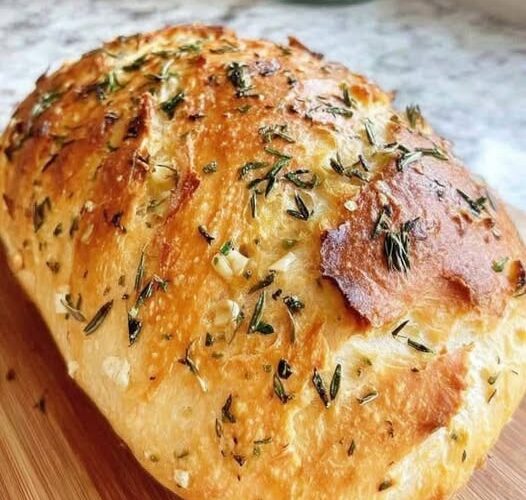
Gluten-Free No-Knead Artisan Bread is proof that you do not need traditional wheat flour to enjoy a rustic loaf with a crisp golden crust and a soft, airy interior. This easy homemade bread recipe delivers everything people love about artisan bread while remaining completely gluten-free. With its beautiful texture, rich flavor, and simple preparation method, this loaf is perfect for anyone following a gluten-free lifestyle or simply looking to explore alternative baking options.
Unlike many gluten-free breads that can be dense, dry, or crumbly, this recipe creates a loaf that is surprisingly light and satisfying. The secret lies in using a carefully balanced gluten-free flour blend along with a slow fermentation process that develops flavor and improves texture. The no-knead method makes the recipe approachable even for beginners because there is no complicated dough handling or extensive mixing required.
One of the most rewarding aspects of making this bread is watching a handful of simple ingredients transform into a bakery-quality loaf. As the dough rests and ferments, it develops flavor and structure naturally. When baked inside a Dutch oven, the trapped steam helps create a beautifully crisp crust while keeping the interior moist and tender. The result is a loaf that looks impressive, tastes incredible, and fills your kitchen with the irresistible aroma of freshly baked bread.
Whether served alongside soups, used for sandwiches, toasted for breakfast, or enjoyed warm with a spread of butter, Gluten-Free No-Knead Artisan Bread is a versatile recipe that can become a staple in your kitchen. It offers the comfort of traditional artisan bread while accommodating gluten-free dietary needs.
About Gluten-Free No-Knead Artisan Bread
Traditional artisan bread relies on gluten to create structure and elasticity. In gluten-free baking, achieving similar results requires a combination of carefully selected ingredients and proper hydration. This recipe uses a gluten-free flour blend and a longer fermentation period to create a loaf with excellent texture and flavor.
The no-knead technique eliminates the need for extensive mixing and kneading. Instead, time does the work by allowing the dough to rest and develop naturally. Baking the bread in a Dutch oven creates a steam-rich environment that helps produce a crusty exterior and soft interior similar to classic artisan loaves.
This method has become a favorite among home bakers because it is reliable, simple, and consistently produces beautiful results.
Choosing the Best Ingredients
Selecting quality ingredients is essential for successful gluten-free bread. A high-quality gluten-free flour blend specifically designed for bread baking provides the best structure and texture. Psyllium husk plays an important role because it helps mimic some of the binding properties normally provided by gluten.
Fresh yeast ensures proper fermentation and rise. Warm water should be carefully measured because excessive heat can damage the yeast, while cooler temperatures may slow activation. Using fresh herbs, seeds, and additional flavorings can enhance both taste and texture.
Preparing the Dough
- Begin by gathering all ingredients and ensuring they are measured accurately.
- In a large mixing bowl, combine the gluten-free flour blend, salt, and psyllium husk powder.
- Create a small well in the center of the dry ingredients.
- In a separate container, combine the warm water, yeast, and honey. Stir gently and allow the mixture to sit for approximately five minutes until slightly foamy.
- Pour the activated yeast mixture into the well.
- Using a wooden spoon or spatula, stir until a sticky dough forms.
- The dough will appear wetter than traditional bread dough. This is completely normal and helps create a softer crumb.
- Mix only until no dry flour remains.
First Rise and Fermentation
Cover the bowl tightly with plastic wrap or a clean kitchen towel.
Place the bowl in a warm area of your kitchen.
Allow the dough to rest for 8 to 12 hours.
During this period, the yeast slowly ferments the dough, developing flavor and creating air pockets throughout the mixture.
The dough should appear bubbly and noticeably expanded when fully risen.
This slow fermentation process is one of the keys to achieving artisan-style flavor.
Preparing the Dutch Oven
Place a Dutch oven with its lid into the oven.
Preheat the oven to 450°F (230°C).
Allow the Dutch oven to heat for at least 30 minutes.
Meanwhile, prepare a sheet of parchment paper.
Sprinkle the parchment paper with cornmeal and a small amount of gluten-free flour.
Shaping the Dough
Dust a clean work surface with gluten-free flour.
Carefully transfer the risen dough onto the prepared surface.
The dough will remain soft and sticky.
Gently shape it into a round loaf.
Avoid excessive handling because this can deflate the air pockets developed during fermentation.
Transfer the shaped dough onto the prepared parchment paper.
Allow it to rest while the Dutch oven finishes heating.
Baking the Bread
Carefully remove the hot Dutch oven from the oven.
Using the parchment paper as a sling, lower the dough into the Dutch oven.
Cover immediately with the lid.
Bake for 30 minutes with the lid on.
Remove the lid and continue baking for an additional 10 to 15 minutes until the crust becomes deeply golden brown.
The bread should sound hollow when tapped gently.
The crust should appear crisp and well-developed.
Cooling the Bread
Remove the loaf from the Dutch oven.
Transfer it to a cooling rack.
Allow it to cool for at least 30 minutes before slicing.
Cooling helps the crumb set properly and prevents a gummy texture.
Patience during this stage significantly improves the final result.
Traditional Serving Method
Serve thick slices of Gluten-Free No-Knead Artisan Bread while still slightly warm.
Pair it with soups, stews, pasta dishes, roasted vegetables, or fresh salads.
A simple spread of butter or olive oil highlights the bread’s natural flavor beautifully.
Elegant Presentation Method
Arrange sliced bread on a rustic wooden serving board.
Add small bowls of flavored olive oils, herb butter, soft cheeses, roasted garlic, and fresh herbs.
Garnish with rosemary sprigs and serve alongside charcuterie or antipasto platters for an impressive artisan presentation.
Variations
One of the greatest advantages of Gluten-Free No-Knead Artisan Bread is its versatility. Fresh herbs such as rosemary, thyme, oregano, or basil can be incorporated into the dough for additional aroma and flavor. Seed lovers can add flax seeds, chia seeds, sesame seeds, sunflower seeds, or pumpkin seeds to create a hearty seeded loaf packed with nutrients and texture. Cheese enthusiasts may mix shredded cheddar, parmesan, or mozzarella into the dough for a savory variation that pairs beautifully with soups and salads. For a slightly sweet version, dried cranberries, raisins, chopped dates, walnuts, or pecans can be added to create a breakfast-style artisan bread. Some bakers enjoy experimenting with roasted garlic, caramelized onions, or even olives to produce gourmet bakery-inspired loaves. Each variation maintains the rustic artisan character of the bread while introducing exciting new flavors and textures.
Yield
This recipe yields:
- 1 medium artisan loaf
- 8 to 10 slices
- 6 to 8 servings
Preparation Time
Preparation Time: 15 minutes
Resting Time: 8 to 12 hours
Baking Time: 40 to 45 minutes
Cooling Time: 30 minutes
Total Time: Approximately 10 to 13 hours
Ingredients
Dough Ingredients
- 3 cups gluten-free all-purpose flour blend
- 1½ teaspoons coarse salt
- 2 teaspoons active dry yeast
- 1½ cups warm water (105°F–110°F / 40°C–43°C)
- 1 tablespoon psyllium husk powder
- 1 teaspoon honey or maple syrup
Baking Method Ingredients
- ⅓ cup gluten-free flour for dusting
- ⅓ cup cornmeal
- Parchment paper
Optional Ingredients
- Fresh rosemary
- Fresh thyme
- Dried oregano
- Garlic powder
- Onion powder
- Chia seeds
- Flax seeds
- Sesame seeds
- Pumpkin seeds
- Sunflower seeds
- Shredded cheddar cheese
- Parmesan cheese
- Dried cranberries
- Chopped walnuts
Equipment Required
- Large mixing bowl
- Measuring cups
- Measuring spoons
- Wooden spoon
- Plastic wrap or kitchen towel
- Dutch oven with lid
- Parchment paper
- Cooling rack
Nutritional Information
Approximate values per serving:
- Calories: 160–190
- Carbohydrates: 32g
- Protein: 4g
- Fat: 2g
- Fiber: 3–5g
Nutritional values may vary depending on ingredients and flour blend used.
Common Mistakes
One of the most common mistakes when making gluten-free artisan bread is adding too much flour in an attempt to create a firmer dough. Gluten-free dough naturally contains more moisture than traditional bread dough, and excessive flour can produce a dense and dry loaf. Another frequent mistake is using water that is too hot, which can kill the yeast and prevent proper rising. Many beginners also rush the fermentation period, reducing the flavor and texture that develop during the long resting time. Opening the Dutch oven too frequently during baking can release steam and affect crust formation. Slicing the bread while it is still hot is another common error because the interior has not fully set and may become gummy. Careful measuring, proper fermentation, and patience during cooling are essential for achieving the best possible results.
Storage Guidelines
Store the bread in an airtight container or bread bag at room temperature for up to three days.
For longer storage, refrigerate for up to one week.
Always allow the bread to cool completely before storing.
Freezing Instructions
This bread freezes exceptionally well.
Slice the loaf before freezing for easier portioning.
Wrap tightly in plastic wrap and place in a freezer-safe bag.
Freeze for up to three months.
Thaw at room temperature or toast directly from frozen..
Party Serving Suggestions
Gluten-Free No-Knead Artisan Bread is an excellent addition to dinner parties, holiday gatherings, brunch buffets, and family celebrations. Serve sliced on a large wooden board surrounded by cheeses, olives, roasted vegetables, hummus, dips, and flavored oils for an impressive artisan display. Mini slices can be used as crostini for appetizers topped with smoked salmon, cream cheese, bruschetta, or roasted vegetables. Because the bread is naturally gluten-free, it also allows guests with dietary restrictions to enjoy a beautiful homemade artisan loaf without feeling left out. Its rustic appearance and bakery-quality texture make it a standout centerpiece on any table.