admin1
Broccoli, Carrot, and Mushroom Stir Fry: A Complete, Flavorful, and Easy Homemade Recipe
Introduction
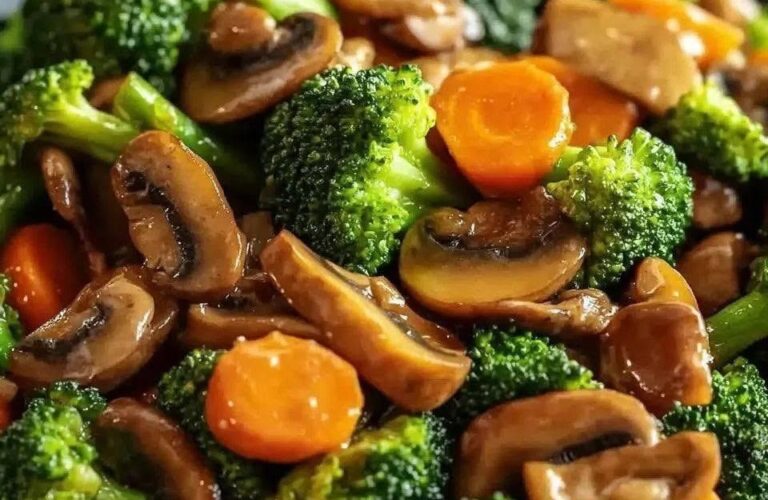
Broccoli, Carrot, and Mushroom Stir Fry is a delicious, colorful, and nutritious vegetable dish that combines crisp broccoli florets, naturally sweet carrots, and tender, savory mushrooms in a flavorful homemade sauce. It is a wonderful choice for lunch or dinner when you want something satisfying, fresh, and easy to prepare without spending hours in the kitchen.
This vegetable stir fry brings together three ingredients that complement one another beautifully. Broccoli adds a fresh, earthy flavor and a pleasant bite. Carrots contribute natural sweetness, bright color, and a gentle crunch. Mushrooms provide a rich, savory taste that makes the entire dish feel hearty and satisfying.
The secret to an excellent vegetable stir fry is cooking each ingredient until it reaches the perfect texture. The broccoli should remain bright green, the carrots should become tender while retaining a little crunch, and the mushrooms should develop a golden-brown color before being coated in the sauce. When these vegetables are cooked correctly, every bite offers a delicious combination of textures and flavors.
A simple sauce made with soy sauce, garlic, ginger, sesame oil, and a touch of honey brings all the ingredients together. A small amount of cornstarch helps the sauce cling to the vegetables, creating a glossy finish without making the dish heavy.
This recipe is also highly versatile. You can serve it with steamed rice, noodles, quinoa, or your favorite protein. You can adjust the seasoning to suit your preferences, add extra vegetables, or make the sauce sweeter, spicier, or more savory.
Whether you are preparing a quick weeknight meal, looking for a vegetable side dish, or trying to include more colorful vegetables in your everyday cooking, this broccoli, carrot, and mushroom stir fry is an excellent recipe to keep in your collection.
Recipe Overview
Preparation time: 15–20 minutes
Cooking time: 12–18 minutes
Total time: Approximately 30–38 minutes
Servings: 4
Cuisine: Asian-inspired
Cooking method: Stovetop stir-frying
Difficulty level: Easy
Flavor profile: Savory, garlicky, lightly sweet, earthy, and fresh
Texture: Crisp-tender vegetables, juicy mushrooms, and a silky sauce
Ingredients for Broccoli, Carrot, and Mushroom Stir Fry
The following ingredients create a balanced vegetable stir fry with a flavorful sauce. For the best results, prepare and measure everything before heating the pan.
Main Vegetables
Broccoli: 3 cups
Use approximately one medium head of fresh broccoli, cut into small, evenly sized florets. Broccoli forms the foundation of this dish and absorbs the savory sauce beautifully. Choose broccoli with firm stems and tightly packed, deep-green florets.
Carrots: 2 medium
Peel the carrots and slice them into thin diagonal pieces. Diagonal slicing creates attractive pieces with plenty of surface area for cooking. Thin slices also cook faster and more evenly than thick chunks.
Mushrooms: 8 ounces
Use white button mushrooms, cremini mushrooms, or baby bella mushrooms. Clean them with a damp paper towel or a soft brush, then slice them evenly. Mushrooms contribute a rich, earthy flavor and help make the dish more substantial.
Garlic: 4 cloves
Finely mince the garlic. Fresh garlic provides a fragrant, savory foundation for the sauce and complements all three vegetables.
Fresh ginger: 1 tablespoon
Peel and finely grate the ginger. Ginger adds a warm, slightly peppery flavor that brightens the vegetables and balances the richness of the mushrooms.
Green onions: 2
Slice the green onions thinly, separating the white portions from the green tops. The white parts can be cooked with the garlic and ginger, while the green tops make a fresh garnish.
Ingredients for the Stir-Fry Sauce
Soy sauce: 3 tablespoons
Soy sauce provides saltiness, umami, and a deep savory flavor. Use regular soy sauce or reduced-sodium soy sauce according to your preference. For a gluten-free version, choose certified gluten-free tamari.
Water or vegetable broth: 3 tablespoons
Water keeps the sauce from becoming too concentrated, while vegetable broth adds additional flavor. Either option works well.
Rice vinegar: 1 tablespoon
Rice vinegar adds mild acidity that balances the sweetness of the carrots and the savory flavor of the soy sauce. Apple cider vinegar can be used in a pinch, although the flavor will be slightly different.
Honey or maple syrup: 1–2 teaspoons
A small amount of sweetness rounds out the sauce. Honey gives it a gentle floral sweetness, while maple syrup provides a slightly deeper flavor. You can omit this ingredient if you prefer a less sweet stir fry.
Cornstarch: 1 teaspoon
Cornstarch thickens the sauce so that it coats the vegetables instead of collecting at the bottom of the pan.
Sesame oil: 1 teaspoon
Sesame oil contributes a nutty aroma. Toasted sesame oil is particularly flavorful, so a small amount is enough.
Red pepper flakes: ¼ teaspoon, optional
Add red pepper flakes if you enjoy a little heat. You can increase or decrease the amount according to your taste.
Black pepper: ¼ teaspoon
Freshly ground black pepper adds a gentle warmth to the dish.
Ingredients for Cooking
Neutral cooking oil: 1½–2 tablespoons
Use avocado oil, canola oil, sunflower oil, or another neutral oil suitable for high-heat cooking.
Salt: as needed
Soy sauce already contains salt, so taste the finished dish before adding more.
Sesame seeds: 1 teaspoon, optional
Sesame seeds add a pleasant crunch and a decorative finish.
Fresh cilantro or additional green onions: optional
Fresh herbs and sliced green onions add color and freshness just before serving.
Equipment Needed
You do not need any specialized kitchen equipment to prepare this recipe.
A large wok is ideal because its wide cooking surface allows the vegetables to cook quickly. However, a large, heavy-bottomed frying pan or skillet works just as well.
You will also need a sharp knife, a cutting board, a small bowl for mixing the sauce, a whisk or fork, a spatula, measuring spoons, and a clean plate or bowl for temporarily holding cooked ingredients.
If you have a small pan, cook the vegetables in batches rather than crowding them together. This simple adjustment makes a significant difference because crowded vegetables release moisture and tend to steam instead of browning.
How to Prepare the Vegetables
Proper preparation is one of the most important parts of making an excellent stir fry. Since the cooking process is relatively quick, having everything ready before turning on the stove makes the entire recipe easier.
Preparing the Broccoli
Rinse the broccoli under cool running water and remove any dirt trapped between the florets. Shake off the excess water and pat the broccoli dry.
Cut the broccoli into small florets of approximately equal size. Smaller florets cook more quickly and allow the sauce to reach more of their surfaces.
Do not discard the broccoli stem. Peel away its tough outer layer, then slice the tender inner stem into thin pieces. The stem has a mild, slightly sweet flavor and works beautifully in stir fries.
If the broccoli is especially thick or you prefer softer vegetables, blanch the florets briefly in boiling water for about 1–2 minutes. Transfer them to cold water, drain thoroughly, and pat dry before stir-frying.
Blanching is optional. Small florets can cook directly in the pan, especially when you add a little water and cover the pan briefly.
Preparing the Carrots
Wash and peel the carrots. Trim the ends and slice them diagonally into thin pieces.
Aim for slices approximately ⅛–¼ inch thick. Very thick carrot pieces may remain hard while the mushrooms and broccoli become fully cooked.
If you want a more delicate presentation, cut the carrots into thin matchsticks. Matchsticks cook quickly and distribute evenly throughout the dish.
Try to keep the carrot pieces similar in thickness so they soften at approximately the same rate.
Preparing the Mushrooms
Clean the mushrooms gently with a damp paper towel. Avoid soaking them in water because mushrooms readily absorb moisture, which can make browning more difficult.
Trim the ends of the stems if they appear dry, then slice the mushrooms into pieces approximately ¼ inch thick.
If you use small button mushrooms, you can quarter them instead of slicing them. Larger cremini mushrooms are especially delicious when sliced because their broad surfaces develop a rich, browned flavor.
Keep the mushrooms separate from the other vegetables until cooking begins. They contain considerable moisture, so cooking them first gives that moisture time to evaporate.
Preparing the Garlic and Ginger
Peel and finely mince the garlic. Peel the ginger with a small knife or the edge of a spoon, then grate it finely.
Freshly prepared garlic and ginger generally provide a brighter aroma than dried alternatives. Because both ingredients can burn quickly in a hot pan, have them ready before cooking the vegetables.
Mixing the Sauce
In a small bowl, combine the soy sauce, water or vegetable broth, rice vinegar, honey or maple syrup, cornstarch, sesame oil, black pepper, and optional red pepper flakes.
Whisk until the cornstarch is fully dissolved.
Make sure there are no dry cornstarch lumps at the bottom of the bowl. Cornstarch settles quickly, so stir the sauce again immediately before adding it to the pan.
Preparing the sauce in advance prevents you from having to measure ingredients while the vegetables are already cooking.
Step-by-Step Instructions
Step 1: Heat the Pan Properly
Place a large wok or skillet over medium-high heat. Allow it to warm for approximately 1–2 minutes.
Add about one tablespoon of neutral cooking oil and swirl it around to coat the cooking surface.
The pan should be hot enough that the oil moves easily across the bottom, but it should not smoke excessively.
Proper heat helps the vegetables cook quickly while retaining their color and texture. If the pan is too cool, mushrooms release moisture without browning, and broccoli may become soft before developing much flavor.
Step 2: Cook the Mushrooms First
Add the sliced mushrooms in a relatively even layer.
Allow them to cook undisturbed for about 2 minutes before stirring. This gives their surfaces an opportunity to develop light golden-brown patches.
Continue cooking for another 3–5 minutes, stirring occasionally. At first, the mushrooms may release liquid into the pan. Keep cooking until most of that liquid evaporates and the mushrooms begin to brown.
If the mushrooms are crowded together, cook them in two batches.
Transfer the cooked mushrooms to a clean plate if your pan is not large enough to accommodate the remaining vegetables comfortably. Otherwise, leave them in the pan and continue with the recipe.
Cooking mushrooms first creates a deeper, more savory flavor that carries through the entire dish.
Step 3: Add the Carrots
Add the remaining cooking oil if the pan appears dry.
Place the carrot slices in the pan and stir-fry for approximately 2–3 minutes.
Stir frequently so that the carrots cook evenly and do not scorch. Their edges should begin to soften while the centers retain some firmness.
If the carrots are particularly thick, add one tablespoon of water and cover the pan for approximately 1 minute. Remove the lid and allow any excess moisture to evaporate before continuing.
Carrots take longer to cook than mushrooms, so giving them a head start helps all the vegetables finish at approximately the same time.
Step 4: Add the Broccoli
Add the broccoli florets to the pan and toss them with the carrots.
Stir-fry for approximately 2 minutes, allowing the broccoli to become coated with the cooking oil and the flavor left behind by the mushrooms.
If the broccoli looks dry or the florets are large, add 2–3 tablespoons of water.
Cover the pan for 1–2 minutes to allow the broccoli to steam slightly. This helps the thicker stems become tender without requiring excessive cooking time.
Remove the lid and stir the vegetables. The broccoli should turn bright green and become crisp-tender rather than soft and dull in color.
Avoid adding too much water. The goal is to soften the broccoli slightly while keeping the pan hot enough for stir-frying.
Step 5: Add the Garlic and Ginger
Move the vegetables toward the edges of the pan to create a small space in the center.
Add the minced garlic, grated ginger, and the white portions of the green onions.
Stir-fry for approximately 30–45 seconds until fragrant.
Mix the garlic and ginger into the vegetables immediately after their aroma develops. Do not allow them to remain in direct contact with the hot pan for too long because burned garlic can taste bitter.
At this stage, the kitchen should smell wonderfully fragrant, with the earthy aroma of mushrooms balanced by fresh ginger and garlic.
Step 6: Return the Mushrooms to the Pan
If you removed the mushrooms earlier, return them to the pan.
Toss the mushrooms, broccoli, and carrots together until they are evenly distributed.
Cook for another 1–2 minutes, stirring occasionally.
Check the texture of the carrots and broccoli. The vegetables should be nearly tender, with a little resistance when bitten. They will cook a little more when the sauce is added.
Step 7: Add the Stir-Fry Sauce
Whisk the prepared sauce again to redistribute the cornstarch.
Pour the sauce evenly over the vegetables.
Toss everything with a spatula so that the sauce reaches the broccoli florets, carrot slices, and mushroom pieces.
Allow the mixture to simmer for approximately 1–2 minutes. As the sauce heats, the cornstarch thickens the liquid and creates a glossy coating.
If the sauce becomes too thick, add water one tablespoon at a time until it reaches your preferred consistency.
If it appears too thin, let it simmer briefly while stirring. Avoid cooking it for too long, as excessive evaporation can make the sauce overly salty.
Step 8: Adjust the Seasoning
Taste a small portion of the stir fry.
If you want a stronger savory flavor, add a little soy sauce. If you prefer a brighter taste, add a few drops of rice vinegar.
For additional sweetness, stir in a small amount of honey or maple syrup. If you like spicy food, add another pinch of red pepper flakes.
If the sauce tastes too salty, add a little water and toss the vegetables again. A small squeeze of lemon juice can also brighten the flavors, although it will change the sauce slightly.
Avoid adding extra salt automatically. Soy sauce usually provides enough seasoning for the vegetables.
Step 9: Finish with Sesame Oil and Green Onions
Turn off the heat.
If desired, drizzle a few drops of additional toasted sesame oil over the vegetables. Add the green portions of the sliced green onions and toss gently.
Finish with sesame seeds or freshly chopped cilantro if you like.
The vegetables should look colorful and glossy, with sauce clinging to their surfaces rather than pooling heavily at the bottom of the pan.
Step 10: Serve Immediately
Transfer the broccoli, carrot, and mushroom stir fry to a serving dish.
Serve while hot, when the broccoli is still bright, the carrots retain their slight crunch, and the mushrooms are tender and flavorful.
For a complete meal, pair the stir fry with rice, noodles, or another favorite accompaniment.
The Secret to Perfect Stir-Fried Vegetables
A great stir fry is not simply a collection of vegetables cooked in a pan. It is about balancing heat, moisture, seasoning, and timing.
The following techniques help make this recipe especially delicious.
Keep the Vegetables Dry
After washing the vegetables, remove excess water before adding them to the hot pan.
Water on the surface of the vegetables can lower the pan temperature and interfere with browning. This is particularly important for mushrooms.
A little water is useful when steaming broccoli, but uncontrolled moisture can leave the finished dish watery.
Avoid Overcrowding the Pan
Use the largest pan available.
When too many vegetables are packed tightly together, they release moisture faster than it can evaporate. The vegetables then steam in their own liquid instead of developing the flavorful surfaces associated with stir-frying.
If necessary, cook the mushrooms separately and prepare the remaining vegetables in batches.
Cut the Vegetables Evenly
Consistent cutting helps every ingredient cook at a similar rate.
Thin carrot slices soften quickly, while large broccoli florets and thick mushroom pieces take longer. Keeping the pieces relatively uniform prevents some vegetables from becoming overcooked while others remain hard.
Cook the Vegetables in the Right Order
Mushrooms benefit from being cooked first because they need time to release moisture and develop color.
Carrots come next because they are relatively firm.
Broccoli follows, with a short steaming period if needed.
Garlic and ginger are added near the end because they cook quickly and can burn.
The sauce goes in last so that it thickens around the vegetables without making them simmer for too long.
Use Enough Heat
Medium-high heat is generally suitable for a home stovetop.
If the vegetables begin to burn before becoming tender, lower the heat slightly. If they release a large amount of liquid and appear to be boiling, increase the heat when safe to do so and cook in smaller batches.
The ideal temperature allows the vegetables to sizzle gently and cook quickly without scorching.
Do Not Overcook the Broccoli
Broccoli tastes best in this recipe when it remains crisp-tender.
Overcooked broccoli can become soft, lose its vibrant green color, and develop a stronger cabbage-like aroma.
Check the thickest stems with a fork. They should be tender enough to bite comfortably while still offering a little resistance.
Add the Sauce at the End
Adding the sauce too early can cause the vegetables to simmer in liquid instead of stir-frying.
Wait until the vegetables are almost cooked before pouring in the sauce. This helps preserve their texture while allowing the seasoning to coat every piece.
How to Customize the Stir-Fry Sauce
The sauce is flexible, so you can adjust it according to the flavors you enjoy.
For a Garlic-Lover’s Stir Fry
Increase the garlic from four cloves to five or six. Add the extra garlic near the end of cooking, making sure it does not burn.
You can also add a little garlic powder to the sauce for a more pronounced flavor, although fresh garlic provides the best aroma.
For a Spicy Stir Fry
Add ½ teaspoon of red pepper flakes or a small amount of chili garlic sauce.
For a stronger spicy flavor, add a little fresh chopped chili with the garlic and ginger.
Start with a small amount and taste before adding more. The sauce should remain balanced rather than allowing the heat to overwhelm the vegetables.
For a Sweeter Sauce
Increase the honey or maple syrup to approximately one tablespoon.
This creates a sweeter, more restaurant-inspired flavor. However, too much sweetener can overpower the natural sweetness of the carrots, so add it gradually.
For a Tangier Sauce
Increase the rice vinegar slightly or add a small squeeze of lemon juice after cooking.
The acidity helps balance the savory soy sauce and brings freshness to the earthy mushrooms.
For a Richer Sesame Flavor
Add a little extra toasted sesame oil after turning off the heat.
Sesame oil has a concentrated flavor, so it is generally best used in small quantities. Too much can overwhelm the delicate taste of the vegetables.
For a Deeper Umami Flavor
Use vegetable broth instead of water, and choose cremini mushrooms for their deeper, earthier flavor.
You can also add a small amount of vegetarian mushroom seasoning if available, checking its salt content before adjusting the soy sauce.
Delicious Variations to Try
One of the best features of this recipe is how easily it adapts to different ingredients.
Broccoli, Carrot, Mushroom, and Bell Pepper Stir Fry
Add one sliced red or yellow bell pepper.
Bell peppers bring sweetness, color, and a slightly juicy texture. Add them after the carrots and before the broccoli so that they soften without becoming mushy.
Red bell pepper works especially well with the orange carrots and green broccoli.
Broccoli, Carrot, Mushroom, and Snap Pea Stir Fry
Add one cup of trimmed sugar snap peas or snow peas.
These vegetables contribute a fresh sweetness and a crisp texture. Add them during the last 2–3 minutes of cooking so they remain bright and crunchy.
Broccoli, Carrot, Mushroom, and Zucchini Stir Fry
Add one small zucchini cut into half-moons.
Zucchini cooks quickly and releases moisture, so add it after the carrots and allow excess liquid to evaporate before adding the sauce.
Do not slice the zucchini too thinly, as it can soften rapidly.
Broccoli, Carrot, Mushroom, and Baby Corn Stir Fry
Add approximately one cup of drained baby corn.
Cut the baby corn into smaller pieces if necessary. It provides a mild sweetness and a satisfying crunch that complements the softer mushrooms.
Broccoli, Carrot, Mushroom, and Cabbage Stir Fry
Add one to two cups of thinly sliced cabbage.
Add the cabbage after the carrots and cook until it begins to soften. It absorbs the sauce well and makes the dish more substantial.
Broccoli, Carrot, Mushroom, and Tofu Stir Fry
Add approximately 8 ounces of firm tofu, drained and cut into cubes.
For better texture, pat the tofu dry and brown it separately in a lightly oiled pan. Remove it, prepare the vegetables, and return the tofu when adding the sauce.
Firm or extra-firm tofu holds its shape better than silken tofu.
Broccoli, Carrot, Mushroom, and Chicken Stir Fry
For a non-vegetarian variation, add approximately 12 ounces of boneless chicken breast or thigh, cut into thin, even strips.
Cook the chicken first in a little oil until fully cooked, reaching an internal temperature of 165°F (74°C). Transfer it to a clean plate, cook the vegetables, then return the chicken when adding the sauce.
Use a clean plate and utensils for the cooked chicken, and avoid cross-contamination with raw poultry.
Broccoli, Carrot, Mushroom, and Cashew Stir Fry
Add ½ cup of unsalted cashews.
Lightly toast the cashews in the pan before cooking the vegetables, then remove them. Return them at the end so they remain crunchy.
Cashews contribute a buttery flavor and a pleasant contrast to the crisp-tender vegetables.
How to Make the Recipe Gluten-Free
This stir fry can easily be adapted for a gluten-free diet.
Replace regular soy sauce with certified gluten-free tamari or another suitable gluten-free soy sauce alternative. Check the labels of the vegetable broth, vinegar, seasonings, and other packaged ingredients to ensure they meet your requirements.
Cornstarch is naturally gluten-free, but packaged products should still be checked for any relevant allergen or cross-contact information.
Prepare the dish using the same cooking method and adjust the sauce to taste. The result will still be savory, glossy, and delicious.
How to Make a Vegan Version
The main vegetables and most of the sauce ingredients are already plant-based.
Simply use maple syrup instead of honey, and choose vegetable broth if you are using broth rather than water.
Check that your soy sauce, seasonings, and other packaged ingredients are suitable for a vegan diet.
For extra protein, add tofu, edamame, or cashews.
How to Make the Stir Fry Lower in Added Sugar
The carrots and mushrooms already contribute natural flavor, so you can reduce or omit the honey or maple syrup.
Use three tablespoons of soy sauce, three tablespoons of water or broth, one tablespoon of rice vinegar, one teaspoon of cornstarch, and one teaspoon of sesame oil as the base sauce.
Add garlic, ginger, and black pepper for extra flavor.
Taste the sauce before serving and adjust the seasoning gradually. A well-balanced savory sauce does not need to be particularly sweet.
How to Serve Broccoli, Carrot, and Mushroom Stir Fry
This dish works as both a side dish and a main meal, depending on what you serve with it.
Serve with Steamed Rice
Steamed white or brown rice is a classic accompaniment.
The rice absorbs the savory sauce and balances the flavor of the vegetables. Spoon the stir fry over a bowl of hot rice and add a little extra green onion if desired.
Jasmine rice is especially pleasant because of its delicate fragrance, while brown rice offers a firmer texture.
Serve with Noodles
Pair the vegetables with cooked rice noodles, egg noodles, or wheat noodles.
Prepare the noodles separately, drain them well, and toss them with the vegetables just before serving. If the mixture looks dry, add a tablespoon or two of water or broth.
You can increase the sauce slightly when serving the stir fry with noodles because the noodles will absorb some of the liquid.
Serve with Quinoa
Quinoa offers a mild, nutty flavor that works well with the mushrooms and sesame sauce.
Prepare the quinoa according to the package directions and serve the vegetables on top.
This combination makes a satisfying lunch or dinner with a variety of textures.
Serve with Tofu
Crispy tofu is an excellent plant-based accompaniment.
Brown the tofu separately until golden, then serve it beside the vegetables or mix it into the stir fry during the final minute of cooking.
The tofu absorbs the sauce while retaining some of its own texture.
Serve with Chicken or Fish
Grilled chicken, roasted chicken, or a simply seasoned fish fillet can accompany the stir fry.
Keep the protein seasoning relatively simple so it does not compete with the garlic, ginger, and soy sauce.
Serve as a Side Dish
This recipe also pairs well with dumplings, vegetable spring rolls, baked tofu, or other Asian-inspired dishes.
For a balanced meal, combine it with a suitable source of protein and a grain or other carbohydrate according to your appetite and needs.
Meal Preparation and Storage
Broccoli, carrot, and mushroom stir fry is best immediately after cooking, but leftovers can also be stored for later meals.
How to Store Leftovers
Allow the stir fry to cool slightly, then transfer it to a clean, airtight container.
Refrigerate within two hours of cooking, or sooner if the room is particularly warm. Keep the refrigerator at 40°F (4°C) or below.
For best quality, eat the leftovers within three to four days.
The broccoli may soften slightly during storage, and the mushrooms may release a little additional moisture. These changes are normal.
How to Reheat the Stir Fry on the Stove
Place the leftovers in a skillet over medium heat.
Add one tablespoon of water if the sauce has thickened too much or the vegetables appear dry.
Stir gently for several minutes until the food is steaming hot throughout. Avoid prolonged cooking because the vegetables may become overly soft.
How to Reheat in the Microwave
Place a serving in a microwave-safe dish and cover it loosely with a microwave-safe lid.
Heat in short intervals, stirring between intervals, until the food is steaming hot throughout. The exact time depends on the portion size and microwave power.
If necessary, add a small splash of water to loosen the sauce.
Can You Freeze the Stir Fry?
Freezing is possible, but it is not the best option if you want to preserve the original crisp texture.
Broccoli may become softer, carrots can lose some firmness, and mushrooms may release additional liquid after thawing.
If you plan to freeze the dish, cook the vegetables slightly less than usual and allow them to cool promptly before packaging them in a suitable airtight freezer container.
For the best texture, refrigerating and eating the stir fry within a few days is preferable.
Meal-Prep Tips
You can save time by preparing the vegetables in advance.
Wash and cut the broccoli, carrots, mushrooms, garlic, and ginger. Store the prepared ingredients in separate airtight containers in the refrigerator.
For the best quality, use cut mushrooms within a short period and keep them dry. Mix the sauce separately and refrigerate it in a covered container.
When you are ready to cook, stir the sauce again, heat the pan, and follow the recipe instructions.
Preparing the ingredients ahead of time makes this an especially convenient meal for busy weekdays.
Common Mistakes and How to Avoid Them
Mistake 1: Adding All the Vegetables at Once
Different vegetables cook at different speeds.
Carrots are firm, broccoli needs enough time to soften, and mushrooms benefit from browning. Adding everything simultaneously can leave the vegetables unevenly cooked.
Solution: Cook the mushrooms first, give the carrots a head start, and add the broccoli afterward.
Mistake 2: Using a Pan That Is Too Small
A small pan may become crowded, causing the vegetables to release moisture and steam.
Solution: Use a large skillet or wok. If necessary, cook the mushrooms in batches and temporarily remove them while preparing the other ingredients.
Mistake 3: Burning the Garlic
Garlic burns quickly in a hot pan, particularly when finely minced.
Solution: Add the garlic and ginger near the end of cooking, stir constantly, and combine them with the vegetables as soon as they become fragrant.
Mistake 4: Making the Sauce Too Thick
Too much cornstarch or insufficient liquid can produce a sticky sauce.
Solution: Measure the cornstarch carefully. If the sauce becomes too thick, add water one tablespoon at a time and stir until the consistency improves.
Mistake 5: Making the Sauce Too Salty
Soy sauce varies in saltiness, and additional salt can quickly make the dish overpowering.
Solution: Begin with the recommended amount of soy sauce and taste before adding more. Use reduced-sodium soy sauce if preferred.
Mistake 6: Overcooking the Broccoli
Broccoli can lose its pleasant texture when cooked for too long.
Solution: Cut the florets evenly, use only a short steaming period, and check their tenderness before adding the sauce.
Mistake 7: Not Allowing the Mushrooms to Brown
Mushrooms release moisture naturally. If you add the sauce before that moisture evaporates, the mushrooms may remain pale and soft.
Solution: Cook the mushrooms first and give them enough time to brown before moving on to the other ingredients.
Mistake 8: Adding Too Much Sauce
A large quantity of sauce can overwhelm the vegetables and make the finished dish watery.
Solution: Start with the recommended amount. If you prefer extra sauce for rice or noodles, prepare a little more separately rather than pouring in a large amount immediately.
Mistake 9: Forgetting to Mix the Cornstarch
Cornstarch settles at the bottom of the sauce bowl, which can make the sauce unevenly thick.
Solution: Whisk the sauce immediately before adding it to the hot pan.
Mistake 10: Letting the Finished Dish Sit Too Long
Stir-fried vegetables continue to soften from their residual heat.
Solution: Turn off the heat as soon as the vegetables are crisp-tender and the sauce has thickened. Serve promptly for the best texture.
Frequently Asked Questions
Can I use frozen broccoli?
Yes. Frozen broccoli works well when fresh broccoli is unavailable.
Thaw it partially or follow the package directions, then drain away excess water. Add it according to its size and cooking instructions, remembering that frozen broccoli may soften faster than fresh broccoli.
Avoid overcrowding the pan because frozen vegetables can release extra moisture.
Can I use canned mushrooms?
Yes, but fresh mushrooms generally provide better texture and a deeper flavor.
Drain canned mushrooms thoroughly and pat them dry. Since they are already cooked, add them later in the process and give them a brief opportunity to brown before mixing in the sauce.
Do I need to boil the broccoli before stir-frying?
No. Small broccoli florets can cook directly in the pan.
Adding a little water and covering the pan briefly helps soften the broccoli. Blanching beforehand is optional, particularly if you prefer a softer texture or are preparing larger florets.
Can I prepare the sauce in advance?
Yes. Mix the sauce a day or two ahead and store it in a covered container in the refrigerator.
Stir it thoroughly before use because the cornstarch will settle at the bottom.
How can I make the vegetables extra crispy?
Use a large, hot pan, dry the vegetables thoroughly, and avoid crowding the cooking surface.
Cook the vegetables in batches if necessary. Keep the cooking time relatively short and add the sauce only after the vegetables are nearly done.
Remember that carrots will remain firmer than mushrooms, so aim for a pleasant balance rather than expecting every vegetable to have exactly the same texture.
Can I make this recipe without sesame oil?
Yes. Sesame oil adds a distinctive nutty aroma, but the recipe still works without it.
Use a neutral cooking oil and add a small amount of toasted sesame seeds at the end if you enjoy their flavor.
Can I use another thickener instead of cornstarch?
Arrowroot starch can be used as an alternative. Mix it with cool liquid before adding it to the pan.
Follow the package guidance for substitution, as thickening power can vary. You can also omit the thickener entirely if you prefer a thinner sauce.
Is this recipe suitable for a vegan meal?
Yes. Use maple syrup instead of honey and water or vegetable broth as the liquid. Confirm that the soy sauce and any additional packaged seasonings are suitable for your dietary preferences.
To make it more substantial, add tofu, edamame, or cashews.
How do I know when the vegetables are done?
The broccoli should be bright green and tender enough to bite comfortably, the carrots should be slightly tender but not mushy, and the mushrooms should be fully heated through and tender.
The vegetables should retain their individual shapes, and the sauce should coat them lightly.
Can I make the recipe without sugar?
Yes. Omit the honey or maple syrup. The carrots provide natural sweetness, while the garlic, ginger, mushrooms, and soy sauce create plenty of flavor.
Taste the finished dish and adjust the vinegar and seasoning if needed.
Can I double the recipe?
Yes, but use a large wok or cook in batches.
Doubling all the ingredients in a crowded skillet can prevent the vegetables from browning properly. Prepare the vegetables in two batches if needed, then combine them with the sauce at the end.
What type of mushrooms works best?
Cremini or baby bella mushrooms provide a deeper, earthier flavor, while white button mushrooms have a milder taste.
Shiitake mushrooms can also be used for a more pronounced savory flavor. Remove any tough stems before slicing.
How can I make the sauce cling better to the vegetables?
Use the recommended amount of cornstarch, whisk the sauce immediately before adding it, and allow it to simmer briefly.
Toss the vegetables continuously while the sauce thickens. If it becomes too thick, add a little water until it coats the vegetables smoothly.
Nutritional Information
The following values are estimates for one of four servings when the recipe is prepared with the listed vegetables, sauce ingredients, and approximately 1½ tablespoons of cooking oil.
| Nutrient | Approximate amount per serving |
|---|---|
| Calories | 140–180 |
| Protein | 5–7 g |
| Carbohydrates | 17–22 g |
| Dietary fiber | 4–6 g |
| Fat | 6–9 g |
| Sugar | 6–9 g |
| Sodium | 450–750 mg |
Actual nutrition will vary depending on the vegetables’ size, the type of soy sauce, the amount of oil used, and whether you add optional ingredients.
Serving the stir fry with rice, noodles, tofu, chicken, or another accompaniment will change the overall nutritional values.
Final Tips for the Best Broccoli, Carrot, and Mushroom Stir Fry
For the most delicious results, choose fresh vegetables, prepare everything before cooking, and use a large pan that allows the ingredients to spread out.
Give the mushrooms time to brown, cook the carrots until they begin to soften, and add the broccoli afterward. Keep the garlic and ginger away from prolonged direct heat, and add the sauce only when the vegetables are nearly cooked.
Taste before adding extra salt, and remember that a little sesame oil goes a long way. If the sauce thickens too much, a small splash of water will bring it back to the right consistency.
Most importantly, avoid cooking the vegetables for longer than necessary. The contrast between crisp-tender broccoli, slightly sweet carrots, and savory mushrooms is what makes this recipe so enjoyable.
This Broccoli, Carrot, and Mushroom Stir Fry is a simple, flexible, and flavorful way to prepare everyday vegetables. Serve it over steaming rice, toss it with noodles, or pair it with your favorite protein for a satisfying homemade meal. Once you become comfortable with the basic method, you can experiment with different vegetables, seasonings, and sauces to create a version that suits your taste perfectly.