 admin1
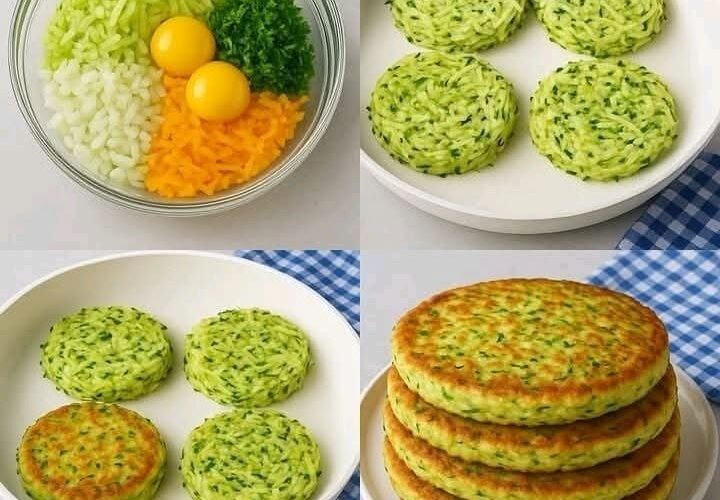
Crispy Vegetable Rice Patties Recipe: Golden, Flavorful, and Easy Homemade Vegetable Pancakes
These delicious vegetable rice patties are a wonderful way to turn simple, fresh vegetables into a satisfying homemade dish. Inspired by the patties shown in the picture, this recipe combines finely chopped cabbage, grated carrot, fresh green herbs, onion, eggs, and a little flour to create soft, colorful patties with beautifully golden-brown surfaces. They are easy to prepare, full of fresh vegetable flavor, and perfect for breakfast, lunch, an afternoon snack, or a light dinner.
The patties have a tender interior, a lightly crisp exterior, and a lovely green color from the fresh herbs and vegetables. Their round shape makes them attractive to serve, while the simple ingredients make them practical for everyday cooking. You can enjoy them on their own, serve them with a creamy yogurt dip, or pair them with a fresh salad and your favorite homemade sauce.
Although the picture resembles vegetable patties made with shredded ingredients, the recipe below uses cabbage, carrot, onion, herbs, eggs, and flour to create a similar appearance and texture. Despite the visual resemblance to rice patties, the ingredients shown appear more consistent with shredded vegetable pancakes than ordinary rice cakes.
Recipe Overview
Preparation time: 20 minutes
Cooking time: 20–25 minutes
Total time: Approximately 40–45 minutes
Servings: 4 people
Yield: 8 medium vegetable patties
Cooking method: Pan-frying
Difficulty level: Easy
Flavor profile: Fresh, savory, mildly sweet, and herbaceous
Texture: Golden and lightly crisp outside, tender and moist inside
Best served: Hot or warm, with yogurt sauce, garlic dip, ketchup, or fresh salad
Ingredients for Vegetable Patties
The ingredients are simple and easy to find. Fresh vegetables provide natural sweetness, color, moisture, and flavor, while eggs and flour help hold everything together during cooking.
Main vegetable ingredients
- 2 cups finely shredded cabbage
- 1 medium carrot, peeled and grated
- 1 small onion, finely chopped
- 3 tablespoons finely chopped fresh parsley or coriander
- 2 medium eggs
- 4 tablespoons all-purpose flour
- 2 tablespoons cornstarch, optional, for a firmer texture
- 2 tablespoons finely chopped spring onions, optional
Seasonings
- 1 teaspoon salt, or to taste
- ½ teaspoon freshly ground black pepper
- ½ teaspoon garlic powder
- ½ teaspoon paprika
- ¼ teaspoon ground cumin, optional
- ¼ teaspoon chili flakes, optional
- ½ teaspoon dried mixed herbs, optional
For cooking
- 3–4 tablespoons vegetable oil, as needed
- A little extra oil for greasing your hands or shaping utensils, if necessary
Optional additions
- ¼ cup grated cheese
- 2 tablespoons finely chopped green bell pepper
- 1 tablespoon sesame seeds
- 1 tablespoon finely chopped dill
- 2 tablespoons plain yogurt for a softer mixture, if needed
Choose the optional additions according to your taste. The basic recipe works beautifully without them, so there is no need to purchase extra ingredients if you already have cabbage, carrot, onion, eggs, and flour at home.
Choosing the Best Vegetables
The quality of the vegetables makes a noticeable difference to the final patties. Fresh cabbage gives the mixture structure, carrots add a little sweetness, onion provides savory flavor, and green herbs contribute freshness and color.
Choose a cabbage that feels firm and heavy for its size. Remove any damaged outer leaves and rinse the remaining cabbage under running water. Allow it to drain thoroughly before shredding. Excess water can make vegetable patties difficult to shape and prevent them from developing a golden crust.
Select a firm, fresh carrot. Peel it and grate it using the medium holes of a box grater. Medium-sized shreds mix easily with the cabbage and cook quickly in the pan.
For the onion, choose a small or medium onion with a mild flavor. Chop it finely so that the pieces soften during cooking instead of remaining crunchy in the middle of the patties.
Fresh parsley or coriander works particularly well. Wash the herbs carefully, dry them thoroughly, and chop them finely. Wet herbs can add unnecessary moisture, so a clean kitchen towel or paper towel is useful for drying them.
If you prefer a milder flavor, use parsley. If you enjoy a stronger, more traditional South Asian flavor, fresh coriander is an excellent choice.
Step 1: Prepare the Cabbage
Begin by removing the outer leaves of the cabbage and cutting away any tough sections. Cut the cabbage into manageable pieces and shred it into thin, narrow strips.
Place the shredded cabbage on a cutting board and chop it a little more if the pieces are particularly long. Smaller pieces make the patties easier to shape and help them cook evenly.
Transfer the cabbage to a large mixing bowl. Sprinkle a small amount of the measured salt over it and gently massage it with clean hands for approximately one minute. This helps soften the cabbage and release some of its moisture.
Allow it to stand for five minutes.
After resting, squeeze the cabbage gently over the sink or press it between your hands to remove excess liquid. You do not need to squeeze it until completely dry, but the mixture should not be dripping wet.
This step is especially important when using fresh cabbage because cabbage naturally contains a considerable amount of water. If too much liquid remains, the mixture may spread in the pan or require excessive flour.
If you prefer to skip the salting step, you can do so, but make sure the shredded cabbage is as dry as possible before mixing it with the other ingredients.
Step 2: Grate the Carrot
Peel the carrot and rinse it under clean water. Grate it using the medium side of a grater.
Avoid using very large carrot pieces because they can make the patties difficult to bind together. Extremely fine carrot can also release moisture quickly, so medium shreds are ideal.
Add the grated carrot to the bowl containing the cabbage.
Use a fork or clean spoon to distribute the carrot evenly throughout the cabbage. You should begin to see a colorful mixture of pale green cabbage and bright orange carrot.
The carrot contributes natural sweetness and makes the patties look more appealing when cut open.
Step 3: Chop the Onion and Fresh Herbs
Peel the onion, remove its root end, and chop it into small pieces. Smaller pieces are preferable because they cook more quickly and distribute their flavor throughout the patties.
Add the onion to the vegetable mixture.
Next, chop the parsley or coriander. Remove any thick stems that might create a coarse texture, although tender stems can be used if chopped finely.
Add the herbs to the bowl and mix everything together.
At this stage, the vegetables should be distributed fairly evenly. The mixture should look colorful and fresh, with cabbage forming the main ingredient and the carrot, onion, and herbs adding contrast.
If you are using spring onions, bell peppers, or dill, add them now.
Step 4: Prepare the Egg Mixture
Crack the two eggs into a separate small bowl. Beat them with a fork until the yolks and whites are thoroughly combined.
Pour the beaten eggs over the vegetables.
Eggs are important because they help hold the shredded ingredients together as the patties cook. They also contribute tenderness and help create a lightly browned surface.
Mix the eggs into the vegetables until the cabbage and carrot are lightly coated.
Do not worry if the mixture initially looks loose. The flour will help absorb some of the moisture and provide additional structure.
If the eggs are unusually small or the vegetables are particularly dry, the mixture may need a teaspoon or two of water or yogurt. Add extra liquid only when necessary because a loose mixture is harder to shape.
Step 5: Add the Seasonings
Add the black pepper, garlic powder, paprika, and any optional cumin or chili flakes.
If you enjoy a mild flavor, use the basic seasonings and leave out the chili flakes. For a warmer, slightly spicy taste, include a small amount of chili flakes or paprika.
Mix thoroughly so that the seasonings are distributed throughout the vegetables.
Taste the mixture only if you have not yet added raw egg, or simply adjust the seasoning after cooking a small test patty. Raw egg mixtures should not be tasted.
Remember that cabbage can taste quite mild before cooking, while onion and garlic become more noticeable as the patties heat up. Begin with moderate seasoning and increase it in future batches if you prefer a stronger flavor.
Step 6: Add the Flour and Cornstarch
Sprinkle the flour over the vegetables rather than adding it all in one heap. Add the optional cornstarch as well.
Stir carefully until the flour is distributed evenly and no large dry pockets remain.
The mixture should be moist enough to hold together when pressed but firm enough to retain its shape. It should not resemble a thin pancake batter.
If the mixture appears very wet, add another tablespoon of flour and mix again. Allow it to rest for two minutes before deciding whether more flour is needed.
If it seems too dry and the vegetables will not hold together, add one tablespoon of beaten egg or plain yogurt, then mix gently.
Avoid adding too much flour. Excess flour can make the patties dense, heavy, and doughy rather than tender.
Cornstarch is optional, but it can help the exterior develop a more delicate crust. If you do not have cornstarch, use the all-purpose flour alone.
Step 7: Let the Mixture Rest
Allow the prepared vegetable mixture to rest for approximately five minutes.
This short resting period gives the flour time to absorb some of the moisture and makes the mixture easier to shape.
During this time, prepare a clean plate or tray for the uncooked patties. You can lightly grease it or cover it with baking paper to prevent sticking.
Check the mixture again after resting. If liquid has collected at the bottom of the bowl, stir it back in only if the mixture remains firm enough to shape. Otherwise, drain the excess liquid carefully and add a little flour if needed.
The ideal mixture should feel cohesive when pressed between your fingers without becoming stiff.
Step 8: Shape the Patties
Divide the mixture into eight approximately equal portions.
Take one portion and gently press it between your palms to form a round ball. Place it on the prepared plate and flatten it into a round patty.
Aim for a thickness of approximately 1–1.5 centimeters. Patties that are too thick may brown on the outside before the center is fully cooked, while very thin patties may become dry.
Smooth the edges with your fingers to create a neat circular shape.
Repeat with the remaining mixture.
For a presentation similar to the picture, keep the patties round and uniform in size. You can use a round food ring or the rim of a small bowl as a guide, but shape them gently so the vegetable strands remain intact.
If the mixture sticks to your hands, lightly dampen your palms or rub them with a small amount of oil.
Arrange the patties on the plate with a little space between each one. Do not stack them while they are uncooked, as this may cause them to lose their shape.
Step 9: Heat the Pan
Place a large nonstick frying pan over medium heat.
Add enough vegetable oil to coat the bottom of the pan lightly. Approximately one tablespoon per batch is usually sufficient, depending on the size of the pan.
Allow the oil to warm for a minute or two.
The oil should be hot enough that a small amount of vegetable mixture begins to sizzle when added, but it should not smoke. If the pan is too hot, the exterior can brown quickly while the center remains undercooked.
If the pan is too cool, the patties may absorb more oil and become soft rather than golden.
Medium heat provides the best balance between browning and cooking the vegetables through.
Step 10: Cook the First Side
Carefully place three or four patties in the pan, leaving space between them.
Avoid overcrowding the pan. Crowded patties release moisture and make it more difficult for the surfaces to brown evenly.
Once the patties are in the pan, gently press each one with the back of a spatula to improve contact with the hot surface.
Cook for approximately four to five minutes on the first side.
Do not move the patties repeatedly while they cook. Leaving them undisturbed helps the bottom develop a golden crust and makes flipping easier.
As they cook, the cabbage begins to soften, the carrot becomes tender, and the egg and flour mixture sets around the vegetables.
Watch the edges. When they appear more set and the underside is golden brown, the patties are ready to turn.
If the bottoms become dark too quickly, reduce the heat slightly.
Step 11: Flip the Patties Carefully
Slide a thin spatula completely underneath each patty before lifting it.
Turn it gently in one smooth movement. If a patty begins to break, press the pieces together with the spatula and allow them to cook for another minute before attempting to move them.
Cook the second side for another four to five minutes, adjusting the heat as necessary.
The second side should develop a golden-brown surface similar to the first.
If the patties are relatively thick, lower the heat to medium-low after flipping and cook for another two minutes. This gives the center time to cook without burning the outside.
The patties should be firm enough to lift without falling apart, and the egg mixture should be fully cooked.
If you are uncertain whether the center is done, cut open one test patty. The vegetables should be tender, and there should be no wet, raw egg mixture remaining in the middle.
Step 12: Finish Cooking the Remaining Patties
Transfer the cooked patties to a plate lined with paper towels if you want to remove any excess oil.
Repeat the process with the remaining patties, adding a little more oil to the pan when needed.
Before each new batch, allow the pan to return to a steady medium temperature. This helps maintain consistent browning.
If flour or small vegetable pieces begin to burn in the pan, wipe the pan carefully with a paper towel held using tongs, then add fresh oil. Do not touch the hot pan directly.
Avoid piling the hot patties into a deep stack immediately after cooking. Steam trapped between them can soften the crispy surfaces.
If you want to serve all the patties together, place them on a wire rack in a low oven while the remaining batches cook.
Step 13: Check the Final Texture
A perfectly cooked vegetable patty should have a lightly crisp outside and a tender, moist interior.
The outside should be golden brown rather than pale or soggy. The inside should hold together when cut, with visible strands of cabbage and carrot.
The patties should not feel wet in the middle or fall apart when lifted.
If the patties are too soft, the mixture may have contained too much moisture or too little flour. For the next batch, squeeze the cabbage more thoroughly and add a small amount of additional flour.
If they are too firm, you may have added too much flour or cooked them for too long. Reduce the flour slightly next time and avoid pressing the patties too firmly during shaping.
If they brown too quickly, lower the heat. If they remain pale after several minutes, increase the heat slightly and ensure that the pan is properly preheated.
Small adjustments can make a considerable difference to the final result.
Step 14: Prepare a Creamy Garlic Yogurt Dip
A cool yogurt dip complements the warm, savory patties and adds a refreshing flavor.
Ingredients
- ½ cup plain yogurt
- 1 small garlic clove, finely grated
- 1 tablespoon chopped fresh coriander or parsley
- 1 teaspoon lemon juice
- ¼ teaspoon salt, or to taste
- A pinch of black pepper
- ½ teaspoon olive oil, optional
Method
Place the yogurt in a small bowl and stir until smooth.
Add the grated garlic, chopped herbs, lemon juice, salt, and black pepper. Mix until everything is evenly combined.
If you prefer a thinner consistency, add a teaspoon of water and stir again.
Taste the dip and adjust the lemon juice or salt to your preference.
Cover and refrigerate until serving. Chilling it for ten to fifteen minutes allows the flavors to blend.
Serve the dip in a small bowl beside the freshly cooked patties. You can also spoon a little over the patties immediately before serving.
For a spicy alternative, add a pinch of chili flakes or a small amount of finely chopped green chili.
Step 15: Serve the Vegetable Patties
Arrange the hot patties on a clean serving plate, overlapping them slightly if you want to recreate the stacked presentation in the picture.
Sprinkle a little chopped parsley or coriander over the top for a fresh finish.
Serve immediately while the edges are still crisp.
These patties work well as a standalone snack, but they can also form part of a larger meal. Serve them with cucumber and tomato salad for a light lunch, or add scrambled eggs and whole-grain toast for breakfast.
For a more filling dinner, pair them with rice, soup, grilled chicken, or roasted vegetables.
They can also be served inside a sandwich or wrap with lettuce, tomato, yogurt sauce, and a little black pepper.
The mild flavor makes them suitable for both adults and children, and the seasonings can easily be adjusted for different preferences.
How to Make the Patties Extra Crispy
The secret to crisp vegetable patties is controlling moisture and maintaining the right cooking temperature.
Cabbage and carrots naturally release water, especially after being salted or mixed with other ingredients. Removing excess moisture before adding the eggs and flour is one of the most effective ways to improve the texture.
Shred the vegetables into relatively thin pieces so that they cook evenly. If the cabbage is cut into very thick strips, the patties may require longer cooking and may not hold together as well.
Use enough flour to bind the ingredients, but avoid adding excessive amounts. Too much flour can create a heavy texture instead of a crisp surface.
Preheat the pan before adding the patties. A properly heated pan allows the outside to begin browning as soon as the mixture touches the surface.
Do not overcrowd the pan, and avoid flipping the patties before the first side has developed a firm crust.
Finally, place cooked patties on a wire rack rather than covering them with a lid. A wire rack allows air to circulate and prevents steam from softening the bottoms.
For an even crispier version, you can add one extra tablespoon of cornstarch to the mixture, provided it is not already too dry.
How to Make Softer Vegetable Patties
If you prefer soft patties instead of crisp ones, there are several simple adjustments you can make.
Use a slightly thicker patty and cook it over medium-low heat. This allows the center to become tender without creating an excessively firm crust.
You can add one tablespoon of plain yogurt to the mixture if it is too dry. Yogurt adds moisture and a mild tang, although you may need a little additional flour if the mixture becomes too loose.
Avoid pressing the patties too firmly while shaping them. A gentle touch helps preserve a tender texture.
Cook the patties until the egg is fully set, but do not leave them in the pan longer than necessary.
Once cooked, transfer them to a plate and cover them loosely for a short time if you prefer a softer surface. Be aware that covering them will reduce their crispness.
Optional Variation: Cheesy Vegetable Patties
Cheese adds a savory flavor and makes the patties especially appealing to people who enjoy a richer taste.
To prepare this variation, add approximately ¼ cup of grated cheddar, mozzarella, or another cheese that melts well.
Mix the cheese into the vegetables after adding the seasonings, then continue with the flour and cornstarch.
Because cheese adds moisture and fat, check the mixture before shaping. If it feels too loose, add one additional tablespoon of flour.
Cook the patties over medium or medium-low heat. Cheese can brown quickly, so avoid using excessively high heat.
Cheddar produces a stronger flavor, while mozzarella creates a milder, softer center. A small amount of Parmesan can also be added for extra savory depth.
Serve these patties with tomato sauce or garlic yogurt dip.
Optional Variation: Spicy Vegetable Patties
For a spicier version, add finely chopped green chili, chili flakes, and a little extra black pepper.
You can also add a small pinch of ground cumin and coriander powder for a warmer, more aromatic flavor.
Mix the spices evenly into the vegetables before adding the flour.
Keep the amount of chili moderate at first, particularly if you are preparing the patties for a family meal. The heat can always be increased in a future batch.
Spicy patties pair particularly well with cooling yogurt sauce, sliced cucumber, and fresh coriander.
Optional Variation: Potato and Vegetable Patties
Potatoes provide additional structure and make the patties more substantial.
For this variation, replace approximately one cup of the cabbage with one medium cooked potato that has been mashed and cooled.
Combine the mashed potato with the cabbage, carrot, onion, herbs, and seasonings. Add the eggs and flour, then mix until the ingredients hold together.
Because potato helps bind the mixture, you may need slightly less flour. Add it gradually until the patties can be shaped without sticking excessively.
Shape and cook the patties in the same way as the original recipe.
The result will be softer and more filling, with a mild potato flavor that complements the vegetables.
Optional Variation: Rice and Vegetable Patties
If you want actual rice patties, as suggested by the visual appearance in the photograph, cooked rice can be incorporated into the vegetable mixture.
Use one cup of cold, cooked rice and reduce the cabbage slightly to make room for it. Long-grain rice works well, although medium-grain rice can create a more cohesive texture.
Mix the rice with the shredded cabbage, carrot, onion, herbs, eggs, and seasonings. Add flour gradually until the mixture holds together when pressed.
Cold rice is preferable because freshly cooked rice is soft and moist, which can make the patties difficult to shape.
Form the mixture into round patties and pan-fry them until golden on both sides. Ensure the centers are hot throughout.
If using leftover rice, it must have been cooled and refrigerated promptly after cooking. Do not use rice that has been left at room temperature for an extended period.
Rice patties are particularly good with garlic yogurt sauce, sweet chili sauce, or a simple tomato dip.
Optional Variation: Air Fryer Vegetable Patties
An air fryer is a convenient alternative if you want to use less oil.
Prepare and shape the patties according to the original recipe. Preheat the air fryer to approximately 190°C.
Lightly brush or spray both sides of the patties with oil.
Arrange them in a single layer in the air fryer basket, leaving space between them for air circulation.
Cook for approximately 10–15 minutes, flipping halfway through. The exact cooking time will depend on the thickness of the patties and the performance of your air fryer.
Check that the centers are fully cooked and that the outside has developed a golden surface before serving.
If the patties are pale after the initial cooking time, continue cooking for a few minutes, checking frequently to prevent over-browning.
Do not overcrowd the basket. Cooking in two batches generally produces a better texture than placing all the patties together.
Optional Variation: Oven-Baked Vegetable Patties
Baking is another useful method, particularly when preparing a larger batch.
Preheat the oven to 200°C and line a baking tray with baking paper.
Shape the patties and arrange them on the tray, leaving a little space between each one.
Brush both sides lightly with oil.
Bake for approximately 20–25 minutes, turning the patties halfway through cooking.
The patties should be firm, lightly browned, and cooked through. If they need additional color, leave them in the oven for a few more minutes while watching carefully.
Oven-baked patties may not be quite as crisp as pan-fried patties, but they are convenient and require less attention during cooking.
Common Mistakes to Avoid
Adding too much flour
Too much flour can make vegetable patties heavy and dry. Start with the recommended amount and add more only if the mixture cannot hold its shape.
Leaving too much moisture in the vegetables
Wet cabbage is one of the main reasons patties fall apart. Drain and squeeze the shredded cabbage before mixing it with the eggs and flour.
Making the patties too thick
Very thick patties take longer to cook through. Keep them around 1–1.5 centimeters thick for a good balance between a tender center and a golden exterior.
Using excessively high heat
High heat can burn the outside before the vegetables soften and the egg sets in the middle. Medium heat is usually best.
Flipping too early
If you flip the patties before the first side has formed a crust, they may break. Allow each side to cook until firm and golden before turning.
Overcrowding the pan
Too many patties at once lower the pan temperature and trap moisture. Cook in batches for better browning.
Covering the patties immediately
Covering hot patties traps steam, which softens their crisp surfaces. Use a wire rack if you want to keep them crisp while finishing the remaining batches.
Seasoning without tasting a cooked sample
Vegetables vary in sweetness and moisture, and salt preferences differ. Cook a small test patty before frying the entire batch if you want to adjust the seasoning confidently.
Storage Instructions
Allow the cooked patties to cool slightly before storing them. Do not leave them at room temperature for more than two hours, or one hour if the surrounding temperature is above 32°C.
Transfer the patties to an airtight container and refrigerate them at 4°C or below. They are best eaten within three to four days.
If you are stacking the patties, place a piece of baking paper between layers to prevent them from sticking together.
For longer storage, freeze the cooled patties in a single layer until firm. Then transfer them to a freezer-safe container or bag, separating layers with baking paper. For the best quality, use them within approximately two months.
Label the container with the preparation date so you can keep track of storage time.
Do not store the yogurt dip together with the patties. Keep it in a separate covered container in the refrigerator.
How to Reheat the Patties
The best reheating method depends on whether you want to preserve the crisp exterior.
In a frying pan: Warm a nonstick pan over medium-low heat and add a small amount of oil if necessary. Heat the patties for two to three minutes per side, or until hot throughout.
In an air fryer: Reheat at approximately 180°C for three to six minutes, depending on thickness and whether the patties are refrigerated or frozen. Check that the centers are thoroughly hot.
In the oven: Place the patties on a baking tray and heat at 180°C for approximately 8–12 minutes, turning once if necessary.
In the microwave: Place a patty on a microwave-safe plate and heat in short intervals until hot throughout. This is quick and convenient, but the exterior will usually become softer.
For frozen patties, thaw them in the refrigerator before reheating when practical, or allow additional cooking time and verify that they are hot throughout.
Avoid reheating the same portion repeatedly. Reheat only the amount you intend to serve.
Nutritional Information
The following figures are estimates for one of eight patties prepared with the basic ingredients and a moderate amount of cooking oil. Actual values will vary according to ingredient sizes, the amount of oil absorbed, and the size of each serving.
- Calories: approximately 75–105
- Protein: approximately 3–4 grams
- Carbohydrates: approximately 8–11 grams
- Fat: approximately 3–6 grams
- Fiber: approximately 1–2 grams
These estimates are provided for general information rather than as exact nutritional measurements. Adding cheese, potatoes, or rice will change the nutritional content. Using more oil will also increase the calories and fat per serving.
The vegetables contribute fiber and a range of vitamins and minerals, while the eggs provide protein and help bind the ingredients.
Frequently Asked Questions
Can I prepare the mixture in advance?
Yes. You can shred the vegetables and chop the herbs a few hours ahead, then store them covered in the refrigerator. For the best texture, combine the vegetables with the eggs and flour shortly before cooking.
If you mix everything in advance, the salt may draw additional water from the cabbage. Drain excess liquid and check the consistency before shaping.
Why do my vegetable patties fall apart?
The most common reasons are excessive moisture, insufficient binding, or flipping before the first side has cooked enough.
Squeeze the cabbage thoroughly, add flour gradually until the mixture holds together, and allow the patties to develop a golden crust before turning them.
If the mixture is still difficult to handle, add a small amount of additional flour or another beaten egg as needed.
Can I make the patties without eggs?
You can try replacing the eggs with a suitable binder, although the texture will differ.
For example, combine two tablespoons of ground flaxseed with six tablespoons of water and let the mixture rest until thickened. Use it in place of the two eggs, then add flour gradually until the vegetables hold together.
Egg-free patties can be more delicate, so shape them carefully and cook them thoroughly over medium-low heat.
Can I use frozen vegetables?
Yes, but frozen vegetables usually contain more free moisture after thawing.
Thaw them completely and drain them thoroughly. Squeeze out as much excess liquid as possible before mixing them with the eggs and flour.
The final texture may be slightly softer than when using fresh vegetables.
Can I replace all-purpose flour?
Yes. Depending on the texture you want, you can try rice flour, chickpea flour, or a gluten-free all-purpose flour blend.
Chickpea flour gives the patties a more pronounced savory flavor, while rice flour can help create a delicate crust.
Different flours absorb moisture differently, so add them gradually and adjust the quantity according to the consistency of the mixture.
Can I add meat?
You can create a meat-and-vegetable version using fully cooked, finely chopped chicken. Cool the chicken before mixing it with the vegetables, and ensure that the patties are heated thoroughly during cooking.
Adding meat changes the texture and moisture level, so you may need to adjust the binder slightly.
How do I prevent the patties from sticking?
Use a good-quality nonstick pan, preheat it properly, and add a thin layer of oil. Make sure the patties have set on the bottom before trying to turn them.
If the mixture sticks to your hands during shaping, lightly dampen your palms.
Can I make mini patties?
Absolutely. Divide the mixture into smaller portions and shape each one into a small, round patty.
Mini patties cook more quickly and are convenient for lunchboxes, snacks, and serving with dips. Reduce the cooking time and check them frequently so they do not become dry.
What sauces go best with these patties?
Garlic yogurt sauce, mint yogurt chutney, tomato ketchup, sweet chili sauce, and a simple lemon-herb dressing are all good choices.
For a South Asian flavor, serve them with mint-coriander chutney. For a creamy option, use garlic yogurt dip. For a sweeter contrast, try a small amount of sweet chili sauce.
Are these patties suitable for meal preparation?
Yes. Cook a batch, refrigerate the patties promptly, and reheat portions when needed. They work well for quick lunches and snacks.
For the best texture, reheat them in a frying pan, air fryer, or oven rather than the microwave.
Serving Ideas for Different Occasions
For breakfast, serve two vegetable patties with eggs, toast, and fresh fruit.
For a light lunch, arrange the patties beside cucumber, tomatoes, lettuce, and a bowl of garlic yogurt dip.
For an afternoon snack, prepare smaller patties and serve them on a platter with two or three different sauces.
For a family dinner, combine the patties with vegetable soup, roasted potatoes, or grilled chicken.
For a party, make mini patties of uniform size and arrange them neatly around a central bowl of dipping sauce.
For a lunchbox, allow the patties to cool before packing them in a suitable insulated lunch bag with an ice pack if necessary. Keep cold yogurt dip in a separate chilled container.
These serving options make the recipe flexible enough for everyday meals as well as casual gatherings.
Final Tips for the Best Results
Use fresh vegetables and remove excess moisture before preparing the mixture. Cut the cabbage and carrot into manageable pieces so they mix evenly and cook at a similar rate.
Add the flour gradually rather than relying on a fixed amount regardless of moisture. The mixture should hold together without feeling stiff or excessively sticky.
Shape the patties evenly and keep them at a moderate thickness. Cook them in a properly heated pan over medium heat, allowing each side to become golden before flipping.
Avoid overcrowding the pan, and let the cooked patties rest briefly on a wire rack if you want to preserve their crispness.
Prepare a simple yogurt dip while the patties cook, and serve everything while the patties are warm.
The beauty of this recipe lies in its simplicity. A handful of everyday ingredients can become attractive, golden vegetable patties with a tender center and a satisfying savory flavor. You can follow the basic recipe exactly, add cheese for richness, incorporate rice for a heartier version, or adjust the herbs and spices to suit your family’s taste.
Once you become familiar with the ideal consistency and cooking temperature, these homemade vegetable patties can become a reliable addition to your regular meal rotation.

