 admin1
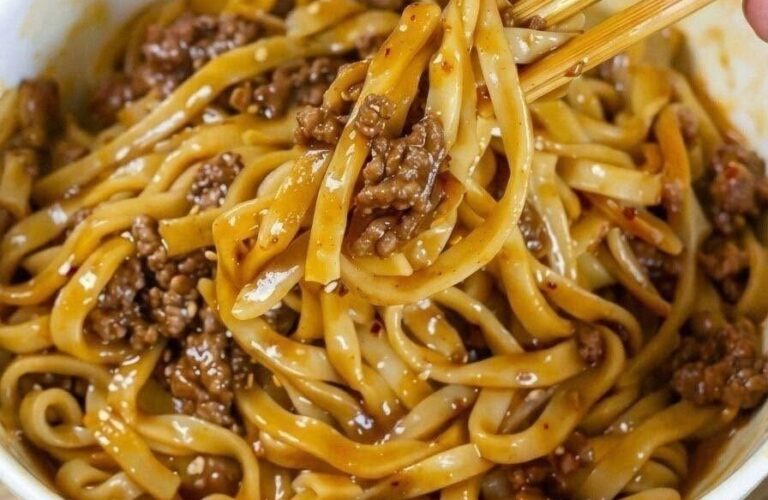
Healthy Mongolian Beef Noodles
Introduction
Healthy Mongolian Beef Noodles is a flavorful, satisfying noodle dish made with tender strips of beef, colorful vegetables, and a savory homemade Mongolian-style sauce. This lighter version uses less oil and sugar while keeping the rich garlic, ginger, soy, and sesame flavors that make Mongolian beef so delicious.
The noodles soak up the sauce beautifully, while the vegetables add freshness, color, and a pleasant crunch. It is a great choice for a filling homemade lunch or dinner and can easily be customized with your favorite vegetables.
Servings
Serves 4
Preparation Time
25 minutes
Cooking Time
20 minutes
Total Time
45 minutes
Ingredients
For the Beef
500 grams lean beef steak, thinly sliced
1 tablespoon low-sodium soy sauce
1 tablespoon cornstarch
1 teaspoon sesame oil
1 teaspoon grated fresh ginger
2 cloves garlic, finely minced
1/4 teaspoon black pepper
For the Noodles
250 grams whole-wheat noodles, rice noodles, or another noodle of your choice
1 teaspoon sesame oil
For the Vegetables
1 medium bell pepper, thinly sliced
1 medium carrot, cut into thin strips
1 cup broccoli florets
1 cup shredded cabbage
1/2 cup sliced onion
1/2 cup snow peas or green beans
2 green onions, sliced
For the Healthy Mongolian Sauce
1/4 cup low-sodium soy sauce
2 tablespoons water
1 tablespoon honey
1 tablespoon rice vinegar
1 tablespoon hoisin sauce
1 teaspoon sesame oil
1 teaspoon freshly grated ginger
3 cloves garlic, minced
1/2 teaspoon red chili flakes, optional
1 teaspoon cornstarch
2 tablespoons cold water
For Garnishing
1 tablespoon sesame seeds
2 green onions, finely sliced
A small amount of fresh cilantro, optional
Extra red chili flakes, optional
Preparing the Beef
Start by choosing a lean cut of beef. Sirloin, flank steak, or another lean steak works very well for this recipe.
Place the beef on a clean cutting board and slice it very thinly against the grain. Cutting against the grain helps make the beef much more tender and easier to chew.
Place the sliced beef in a bowl.
Add the low-sodium soy sauce, cornstarch, sesame oil, grated ginger, minced garlic, and black pepper.
Mix everything thoroughly so that every piece of beef is lightly coated.
Allow the beef to marinate for about 15 to 20 minutes while you prepare the other ingredients.
The small amount of cornstarch helps create a light coating around the beef and allows the sauce to cling to the meat without requiring a large amount of oil.
Preparing the Sauce
In a separate bowl, combine the low-sodium soy sauce, water, honey, rice vinegar, hoisin sauce, sesame oil, grated ginger, minced garlic, and red chili flakes if you are using them.
Stir everything together until well combined.
In another small bowl, mix 1 teaspoon of cornstarch with 2 tablespoons of cold water.
Stir until the cornstarch completely dissolves.
Keep this mixture aside.
The cornstarch mixture will help thicken the sauce later, giving the noodles a glossy coating without needing a large amount of sauce.
Cooking the Noodles
Bring a large pot of water to a boil.
Add the noodles and cook according to the instructions on the package.
Try not to overcook the noodles because they will continue cooking slightly when they are added to the hot beef and vegetables.
Once the noodles are cooked, drain them well.
Rinse them briefly with cool water if your noodle variety tends to stick together.
Toss the noodles with 1 teaspoon of sesame oil.
Set them aside.
Preparing the Vegetables
Wash all the vegetables thoroughly.
Slice the bell pepper into thin strips.
Cut the carrot into thin matchsticks or very thin slices.
Separate the broccoli into small florets.
Thinly slice the cabbage and onion.
Prepare the snow peas or green beans.
Slice the green onions and keep them ready for the final stage.
Keeping all the vegetables prepared before cooking makes the stir-frying process much easier because everything cooks quickly.
Cooking the Beef
Place a large non-stick skillet or wok over medium-high heat.
Allow the pan to become hot.
Add the marinated beef in a single layer.
Avoid overcrowding the pan. If necessary, cook the beef in two batches.
Cook the beef for approximately 2 to 3 minutes on each side, depending on the thickness of the slices.
The beef should develop a lightly browned exterior while remaining tender inside.
Once cooked, transfer the beef to a clean plate.
Do not cook the beef for too long because thin slices can become tough if overcooked.
Stir-Frying the Vegetables
Using the same pan, add the onion and carrot.
Cook for about 2 minutes while stirring frequently.
Add the broccoli, bell pepper, cabbage, and snow peas.
Continue cooking for another 3 to 4 minutes.
The vegetables should become slightly tender while still maintaining some crunch.
Avoid cooking them until completely soft because the texture is much better when the vegetables remain slightly crisp.
Add the sliced green onions and stir for another 30 seconds.
Combining the Sauce
Reduce the heat slightly.
Give the prepared sauce another stir because some ingredients may have settled at the bottom of the bowl.
Pour the sauce into the pan with the vegetables.
Stir gently.
Allow the sauce to heat for about 1 minute.
Now slowly add the cornstarch and water mixture while continuously stirring.
The sauce should begin to thicken.
Continue cooking for approximately 1 to 2 minutes.
Do not add all the cornstarch mixture at once if you prefer a thinner sauce. You can add it gradually until the desired consistency is reached.
Adding the Beef
Return the cooked beef to the pan.
Stir everything together so that the beef becomes coated with the sauce.
Cook for another 1 to 2 minutes.
The beef, vegetables, and sauce should now be well combined.
The sauce should be thick enough to coat the ingredients without becoming overly heavy.
Adding the Noodles
Add the cooked noodles to the pan.
Using tongs or two large spoons, gently toss the noodles with the beef, vegetables, and sauce.
Continue tossing for about 2 to 3 minutes.
Make sure the sauce reaches the noodles evenly.
If the mixture seems too dry, add 1 or 2 tablespoons of water and toss again.
If the sauce seems too thick, a small amount of warm water can loosen it.
If you prefer a stronger flavor, you can add a small splash of low-sodium soy sauce, but remember that the dish already contains soy sauce.
Final Cooking
Allow everything to cook together for another 1 to 2 minutes.
Taste a small portion and adjust the seasoning if necessary.
For more heat, add a little red chili flakes.
For more freshness, add extra green onion or cilantro.
For a slightly sweeter flavor, add a very small amount of honey.
For extra acidity, add a few drops of rice vinegar.
Once everything is hot and well combined, turn off the heat.
Serving
Transfer the Healthy Mongolian Beef Noodles to serving bowls.
Sprinkle a small amount of sesame seeds over the top.
Add freshly sliced green onions.
You can also add a little cilantro if you enjoy its flavor.
Serve immediately while the noodles are hot and the vegetables are still slightly crisp.
How to Make It Even Healthier
Use lean beef and trim away visible fat before slicing.
Choose whole-wheat noodles when available for additional fiber.
Use low-sodium soy sauce instead of regular soy sauce.
Keep the amount of honey moderate so the sauce stays flavorful without becoming excessively sweet.
Use plenty of vegetables to increase the volume and nutritional value of the meal.
Use a non-stick wok or skillet so you can cook the beef and vegetables with very little added oil.
Avoid adding large amounts of extra sauce at the table because the dish already contains a flavorful sauce.
Vegetable Variations
You can easily change the vegetables according to what you have available.
Mushrooms work particularly well because they absorb the sauce and add a savory flavor.
Baby corn can add a pleasant crunch.
Spinach can be added during the final minute of cooking.
Zucchini can be thinly sliced and stir-fried with the other vegetables.
You can also add bok choy, cauliflower, asparagus, or thinly sliced Brussels sprouts.
For a colorful noodle bowl, use a combination of red bell pepper, green broccoli, orange carrot, purple cabbage, and green onions.
Noodle Variations
Whole-wheat noodles provide a hearty texture and are a good everyday option.
Rice noodles create a lighter and softer texture.
Soba noodles add a slightly nutty flavor.
Regular wheat noodles can also be used when that is what you have available.
For a lower-carbohydrate variation, you can replace some of the noodles with extra vegetables.
Another option is to use a mixture of noodles and shredded cabbage so that you still get the noodle texture while increasing the vegetable content.
Protein Variations
Lean beef is the classic choice for this recipe, but you can change the protein if desired.
Chicken breast can be sliced thinly and prepared using the same method.
Lean turkey can also work well.
Tofu can be used for a vegetarian version.
For tofu, press out excess water before cutting it into cubes and lightly coating it with cornstarch.
You can also combine a smaller portion of beef with extra vegetables for a balanced meal.
Tips for Tender Beef
The way you slice the beef makes a big difference.
Always try to slice the beef against the grain.
Thin slices cook quickly and are less likely to become tough.
Do not overcrowd the pan because overcrowding causes the beef to release water and steam instead of developing a good sear.
Cook the beef in batches if necessary.
Do not leave thin beef slices cooking for too long.
The short marinade also helps add flavor while the cornstarch creates a light coating.
Tips for Better Noodles
Do not overcook the noodles before adding them to the stir-fry.
Drain them thoroughly.
If the noodles are sticking together, toss them with a very small amount of sesame oil.
When adding the noodles to the sauce, use gentle movements so they do not break apart.
If the noodles absorb too much sauce, add a small amount of warm water.
If the finished dish is too wet, continue cooking for another minute or two while stirring.
Meal Prep Instructions
This recipe can also be prepared ahead of time.
Cook the beef and vegetables as directed.
Prepare the noodles separately.
Allow everything to cool slightly before placing it into airtight containers.
For the best texture, store the noodles separately from the beef and vegetables if you plan to keep them for several meals.
When ready to eat, reheat the beef and vegetables in a skillet.
Add the noodles and a small splash of water.
Toss everything together until hot.
This helps prevent the noodles from becoming excessively dry.
Storage
Place leftovers in an airtight container and refrigerate promptly.
When reheating, use a skillet or microwave until the food is thoroughly hot.
If the noodles have absorbed the sauce during storage, add a small splash of water while reheating.
Avoid repeatedly reheating the same portion. It is better to reheat only the amount you plan to eat.
Flavor Profile
The finished dish has a delicious combination of savory, slightly sweet, garlicky, gingery, and mildly spicy flavors.
The soy sauce provides the salty umami base.
The honey adds gentle sweetness.
The rice vinegar balances the sauce with acidity.
Garlic gives the dish its strong savory character.
Ginger adds warmth and freshness.
Sesame oil provides a distinctive nutty aroma.
The vegetables add crunch and freshness, while the noodles make the meal hearty and satisfying.
Approximate Nutrition
The exact nutrition will depend on the beef, noodles, sauce, and quantities used.
For a lighter serving, use a moderate amount of noodles and increase the vegetables.
A typical serving can provide a good combination of protein from the beef, carbohydrates from the noodles, and fiber and micronutrients from the vegetables.
Using lean beef, low-sodium soy sauce, moderate honey, and limited oil keeps the dish lighter than many restaurant-style Mongolian beef noodle dishes.
Final Recipe
For the best Healthy Mongolian Beef Noodles, use thinly sliced lean beef, plenty of colorful vegetables, whole-wheat or other noodles, and a homemade garlic-ginger sauce.
Cook the beef quickly over high heat.
Keep the vegetables slightly crisp.
Prepare the sauce separately so you can control its thickness and flavor.
Combine the beef and vegetables with the sauce before adding the noodles.
Toss everything together until the noodles are evenly coated.
Finish with sesame seeds and fresh green onions.
The result is a warm, flavorful, satisfying noodle meal that has the comforting taste of Mongolian-style beef while using a lighter homemade approach.


