admin1
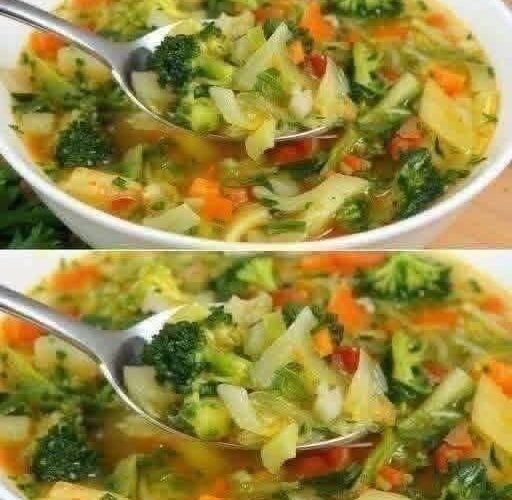
Healthy Vegetable Soup: A Complete Guide to Making a Delicious, Nutritious, and Comforting Homemade Soup
Healthy vegetable soup is one of the most comforting, nourishing, and versatile meals you can prepare at home. Made with fresh vegetables, aromatic herbs, flavorful broth, and simple seasonings, this homemade soup is a wonderful way to enjoy a variety of vegetables in one delicious bowl. It is light yet satisfying, naturally rich in color and flavor, and easy to customize according to your taste, dietary preferences, and the ingredients available in your kitchen.
Whether you are looking for a warming lunch on a chilly day, a light dinner after a busy afternoon, or a nutritious meal that the whole family can enjoy, healthy vegetable soup is an excellent choice. It can be prepared with everyday ingredients such as carrots, potatoes, cabbage, green beans, peas, tomatoes, celery, onions, and garlic. These vegetables work together to create a flavorful combination of natural sweetness, gentle earthiness, and refreshing freshness.
One of the best things about homemade vegetable soup is that you have complete control over the ingredients. You can prepare it without cream, use a low-sodium broth, add beans for extra protein, include whole grains for a more filling meal, or blend part of the soup to create a thicker texture without adding flour or heavy cream. Every bowl can be adjusted to suit your personal preferences while keeping the recipe simple and wholesome.
This healthy vegetable soup recipe focuses on fresh ingredients, balanced seasoning, a rich homemade flavor, and an easy cooking method. The vegetables are gently sautéed before the broth is added, allowing their natural flavors to develop. They are then simmered until tender, creating a comforting soup with a delicious broth that tastes as though it has been cooking for hours.
What Makes This Healthy Vegetable Soup Special?
This recipe is designed to deliver excellent flavor without relying on excessive oil, butter, cream, or complicated ingredients. The combination of onion, garlic, carrots, celery, tomatoes, and herbs creates a delicious foundation, while potatoes, green beans, peas, and cabbage add texture and substance.
The soup is also extremely adaptable. If you have vegetables that need to be used before they spoil, you can often incorporate them into this recipe. A handful of spinach, some chopped zucchini, a little cauliflower, or leftover cooked beans can all become wonderful additions.
Another advantage is that the soup can be prepared in one large pot. This means fewer dishes to wash, straightforward preparation, and an easy way to make several servings at once. The finished soup can be enjoyed immediately, stored for later meals, or frozen in individual portions for convenient future lunches and dinners.
The broth is light but flavorful, with the natural sweetness of the vegetables balanced by tomatoes, herbs, black pepper, and a little lemon juice added at the end. The lemon is optional, but it brightens the overall flavor and makes the soup taste especially fresh.
Preparation Time and Cooking Details
Preparation time: 20 minutes
Cooking time: 35–45 minutes
Total time: Approximately 55–65 minutes
Servings: 6–8 generous bowls
Difficulty level: Easy
Cooking method: Stovetop
Cuisine: Homemade vegetable soup
Dietary style: Vegetarian, dairy-free, and vegan when prepared with vegetable broth
Best for: Lunch, dinner, meal preparation, and a comforting family meal
Ingredients for Healthy Vegetable Soup
The quantities below make a generous pot of soup suitable for sharing with family or saving for later meals.
Vegetables
- 2 tablespoons olive oil
- 1 large yellow onion, finely chopped
- 3 cloves garlic, minced
- 3 medium carrots, peeled and sliced
- 2 celery stalks, chopped
- 2 medium potatoes, peeled and cut into small cubes
- 1 medium zucchini, chopped
- 1 cup chopped green beans
- 1 cup green peas, fresh or frozen
- 2 cups chopped green cabbage
- 1 red bell pepper, chopped
- 1 cup chopped tomatoes or canned diced tomatoes
- 1 cup chopped broccoli florets, optional
- 1 cup baby spinach, optional
- 1 small handful fresh parsley, chopped
For the Soup Broth
- 8 cups vegetable broth, preferably low-sodium
- 1 cup water, if needed
- 1 tablespoon tomato paste
- 1 teaspoon dried oregano
- 1 teaspoon dried thyme
- 1 bay leaf
- ½ teaspoon ground cumin, optional
- ½ teaspoon paprika
- ½ teaspoon freshly ground black pepper
- Salt to taste
- 1 tablespoon fresh lemon juice, or to taste
Optional Ingredients for Extra Nutrition and Flavor
- 1 cup cooked white beans
- 1 cup cooked chickpeas
- ½ cup cooked brown rice
- ½ cup cooked barley
- 1 tablespoon nutritional yeast
- A small pinch of red pepper flakes
- Additional fresh herbs for serving
You do not need to use every optional ingredient. The basic recipe is delicious on its own, and you can select the additions that best suit your taste and the vegetables you have available.
Choosing the Best Vegetables
The quality of your vegetable soup depends partly on the vegetables you choose. Fresh, firm vegetables generally provide the best texture, but frozen vegetables can also produce excellent results.
Carrots contribute natural sweetness and a pleasant bite. Celery adds a savory aroma that helps create a classic soup flavor. Onions and garlic provide the foundation for the broth, while tomatoes add gentle acidity and depth.
Potatoes make the soup more substantial and give the broth a slightly fuller consistency as they cook. Green beans maintain a pleasant texture when simmered gently, and peas add sweetness and bright color. Cabbage becomes tender and absorbs the flavors of the broth, making it particularly enjoyable in a homemade vegetable soup.
Zucchini contributes a soft texture without overwhelming the other ingredients. Bell peppers add sweetness, while spinach brings a fresh, leafy element to the finished dish.
Try to cut the vegetables into reasonably similar pieces within each category. They do not all need to be identical, but evenly sized pieces cook more consistently and make the soup easier to eat.
Hard vegetables such as carrots and potatoes should generally be cut smaller than quick-cooking vegetables such as zucchini and spinach. This helps everything finish cooking at approximately the right time.
Step-by-Step Instructions for Making Healthy Vegetable Soup
Step 1: Prepare the Vegetables
Begin by washing all the vegetables thoroughly under clean running water. Peel the onion, carrots, and potatoes as needed. Remove the ends from the green beans, trim the zucchini, and remove any damaged outer leaves from the cabbage.
Chop the onion into small pieces and mince the garlic. Slice the carrots into thin rounds or small cubes. Cut the celery into bite-sized pieces and dice the potatoes into approximately 1-centimeter cubes.
Chop the zucchini and bell pepper into small chunks. Cut the green beans into short lengths and shred or finely chop the cabbage. If using fresh broccoli, separate it into small florets.
Keep the vegetables in separate groups according to how quickly they cook. Onions, carrots, and celery will go into the pot first. Potatoes, green beans, and cabbage can follow shortly afterward, while peas, zucchini, broccoli, and spinach can be added later.
Preparing everything before you begin cooking makes the process smoother and helps prevent the garlic or other ingredients from burning while you chop the remaining vegetables.
Step 2: Heat the Olive Oil
Place a large, heavy-bottomed soup pot over medium heat. Add the olive oil and allow it to warm gently.
You do not need a large amount of oil. Two tablespoons are generally enough to soften the aromatics and help release the flavors of the vegetables.
Once the oil is warm, add the chopped onion. Stir it occasionally and cook for approximately 4–5 minutes, until it becomes soft and translucent.
Avoid turning the heat too high. The goal is to soften the onion and develop its natural sweetness rather than brown it heavily.
Step 3: Add the Garlic
Add the minced garlic to the softened onion and stir continuously for approximately 30 seconds.
Garlic releases its aroma quickly, so it should not be left cooking unattended for too long. Burnt garlic can introduce a bitter flavor that affects the entire pot of soup.
When the garlic becomes fragrant, continue immediately to the next step.
Step 4: Add the Carrots and Celery
Add the sliced carrots and chopped celery to the pot.
Stir the vegetables well so that they become lightly coated with the oil and aromatic onion mixture. Cook for approximately 4–5 minutes, stirring occasionally.
This initial cooking step helps develop the flavor of the soup before the liquid is added. The carrots begin releasing their natural sweetness, while the celery contributes a savory aroma.
You do not need to cook the vegetables until they are completely tender at this stage. They will continue cooking in the broth.
Step 5: Add the Tomato Paste
Add one tablespoon of tomato paste and stir it into the vegetables.
Allow it to cook for approximately one minute, stirring frequently. This helps develop a deeper tomato flavor and gives the broth a richer appearance.
If using fresh chopped tomatoes instead of canned tomatoes, they can be added at this point as well. Cook them briefly until they begin to soften.
Tomato paste is optional, but it is a useful ingredient when you want a more rounded, savory soup without using cream or butter.
Step 6: Add the Potatoes and Green Beans
Add the diced potatoes and chopped green beans to the pot.
Stir everything together so the vegetables are distributed evenly. Cook for another 2 minutes, allowing them to absorb some of the flavors already present in the pot.
Potatoes provide substance, while green beans contribute a pleasant texture and fresh vegetable flavor.
If you prefer a soup with fewer carbohydrates, you can replace some of the potatoes with cauliflower. The flavor and texture will be slightly different, but the soup will still be delicious.
Step 7: Add the Seasonings
Sprinkle in the dried oregano, dried thyme, paprika, black pepper, and optional ground cumin.
Add the bay leaf as well.
Stir the seasonings into the vegetables until everything is evenly coated. Allow the herbs to warm for approximately 30 seconds.
This brief step helps release their aromas. Oregano contributes a familiar Mediterranean flavor, thyme adds an earthy herbal note, and paprika provides gentle warmth.
Cumin is optional and should be used sparingly if you want the soup to retain a traditional vegetable-soup flavor.
Step 8: Pour in the Vegetable Broth
Carefully pour the vegetable broth into the pot.
Add the chopped cabbage and bell pepper, then stir everything together. Scrape the bottom of the pot gently with a wooden spoon to release any flavorful pieces that may have stuck during sautéing.
Bring the mixture to a gentle boil over medium-high heat.
Once the liquid begins bubbling, reduce the heat to medium-low. Cover the pot partially with a lid and allow the soup to simmer.
A gentle simmer is preferable to a vigorous boil. Boiling too aggressively can cause the vegetables to break apart, cloud the broth, and lose their pleasant texture.
Step 9: Simmer Until the Potatoes Are Tender
Allow the soup to simmer for approximately 15–20 minutes.
Check the potatoes and carrots periodically. They should become tender enough to pierce easily with a fork but should not completely disintegrate.
Cooking time depends on the size of the vegetable pieces and the temperature of your stove. Smaller pieces cook more quickly, while larger pieces may need additional time.
If the broth reduces too much, add a little water or extra vegetable broth.
Taste a spoonful of the broth after the vegetables have begun softening. This is a good opportunity to assess the flavor, although final seasoning should be adjusted closer to the end.
Step 10: Add the Zucchini and Peas
Once the potatoes and carrots are nearly tender, add the chopped zucchini and green peas.
Stir gently and continue simmering for approximately 5–7 minutes.
Zucchini cooks relatively quickly, so adding it later helps prevent it from becoming excessively soft. Peas also need only a short cooking time, especially if they are frozen.
If you are using frozen peas, there is generally no need to thaw them beforehand. Simply add them directly to the pot.
Step 11: Add Broccoli and Other Quick-Cooking Vegetables
If you are using broccoli, add the florets during the final 4–5 minutes of cooking.
If you are adding cooked beans or chickpeas, stir them in at this stage and allow them to heat through.
For a soup containing cooked rice or barley, add the grains toward the end as well. Since they are already cooked, they only need enough time to become hot and absorb some of the broth’s flavor.
Avoid adding every ingredient too early. Different vegetables have different cooking times, and careful timing produces a more enjoyable soup with a mixture of textures.
Step 12: Add the Spinach
If using spinach, add it during the final 1–2 minutes of cooking.
Stir it into the hot broth and allow it to wilt.
Spinach does not need a long cooking time. Adding it near the end helps preserve its fresh color and delicate texture.
You can also use chopped kale instead. Kale is firmer than spinach and generally benefits from several additional minutes of simmering.
Step 13: Check the Seasoning
Remove the bay leaf before serving.
Taste the broth carefully and adjust the salt and black pepper as needed. If the soup tastes too mild, add a little more oregano, thyme, or black pepper.
If it tastes too acidic because of the tomatoes, allow it to simmer for a few additional minutes. The natural sweetness of the vegetables may help balance the flavor.
If the soup tastes flat, a small amount of lemon juice can make a noticeable difference. Start with one teaspoon, stir well, and taste again before adding more.
Fresh lemon juice should generally be added after cooking rather than during the initial simmer. This helps preserve its bright, fresh flavor.
Step 14: Add the Fresh Parsley
Turn off the heat and stir in the chopped fresh parsley.
Allow the soup to rest for approximately 5 minutes before serving.
This short resting period allows the flavors to settle and makes the soup easier to serve. The broth will also cool slightly, helping you appreciate the different flavors without the heat overwhelming them.
Your homemade healthy vegetable soup is now ready to enjoy.
How to Make Vegetable Soup Taste Rich Without Cream
A healthy vegetable soup can have a rich, satisfying flavor without requiring heavy cream, large amounts of butter, or processed soup mixes.
The first secret is to sauté the onion, garlic, carrots, and celery before adding the broth. These ingredients create a flavorful base that makes a significant difference to the final result.
The second secret is to use a good-quality vegetable broth. A well-seasoned broth provides more depth than plain water, although water can be used when necessary.
The third secret is to include tomatoes or a small amount of tomato paste. Tomatoes contribute acidity and savory depth that help the other ingredients taste more balanced.
Herbs are also important. Dried thyme and oregano are convenient, affordable, and easy to store. Fresh parsley added at the end provides a fresh finish.
Finally, consider blending a small portion of the soup. Remove approximately one or two cups of cooked vegetables with some broth, blend until smooth, and stir the mixture back into the pot. The blended vegetables naturally thicken the soup without the need for flour or cream.
This technique works especially well when the soup contains potatoes, carrots, beans, or cauliflower.
How to Make the Soup More Filling
Although a bowl of vegetable soup can be satisfying on its own, you may want to make it more substantial when serving it as a complete lunch or dinner.
Add Beans
White beans, kidney beans, and chickpeas are excellent additions. They contribute plant-based protein, fiber, and a creamy texture.
Add approximately one cup of drained, rinsed canned beans during the final 10 minutes of cooking. If using dried beans, cook them separately according to package instructions before adding them to the soup.
Never add undercooked dried kidney beans to a soup and assume the ordinary simmering time will make them safe. Dried kidney beans require proper preparation and thorough boiling before they are used in other dishes.
Add Lentils
Lentils are another useful option. Red lentils soften and partially break down during cooking, creating a thicker broth. Green or brown lentils generally retain more of their shape.
If using dried lentils, check their package instructions and adjust the amount of liquid and cooking time accordingly. They can be added earlier than canned beans because they need time to soften.
Lentils may make the broth thicker, so additional water or broth may be necessary.
Add Whole Grains
Brown rice, barley, or quinoa can make vegetable soup more filling.
Cook the grain separately and stir it into the soup near the end. This gives you greater control over the final texture and prevents the grain from absorbing too much of the broth during storage.
If you prefer to cook the grain directly in the soup, increase the liquid as needed and follow the grain’s cooking time.
Add Chicken
If you do not need the soup to be vegetarian, cooked shredded chicken is an excellent addition.
Stir the cooked chicken into the soup during the final 5–10 minutes and heat it thoroughly. This creates a heartier meal while allowing the vegetables and broth to remain the main focus.
Healthy Vegetable Soup Variations
One of the most useful features of this recipe is its flexibility. You can prepare several different versions without changing the basic cooking method.
Classic Garden Vegetable Soup
For a traditional garden vegetable soup, use carrots, celery, potatoes, green beans, peas, cabbage, tomatoes, and parsley.
Keep the seasoning simple with oregano, thyme, black pepper, and a bay leaf. This version is ideal when you want a familiar homemade flavor that works well for the entire family.
Mediterranean Vegetable Soup
For a Mediterranean-inspired version, include zucchini, tomatoes, bell peppers, spinach, white beans, and a little extra oregano.
Finish with fresh parsley, lemon juice, and a small amount of olive oil if desired.
You can also add cooked whole-grain pasta or chickpeas to make the soup more substantial.
Vegetable and Lentil Soup
Add approximately half a cup of rinsed dried red lentils to the pot with the broth, adjusting the liquid as needed.
Simmer until the lentils are completely tender, following the package’s cooking guidance. Red lentils will gradually soften and thicken the soup, creating a more substantial texture.
This variation is especially useful when you want a filling plant-based meal.
Green Vegetable Soup
Use broccoli, zucchini, green beans, peas, spinach, celery, and a small amount of potato.
Keep the tomato quantity modest or omit the tomatoes entirely if you prefer a greener broth. Add lemon juice and fresh parsley at the end.
For a smooth version, blend part or all of the cooked soup until it reaches your preferred consistency.
Low-Sodium Vegetable Soup
Choose a low-sodium vegetable broth and avoid adding salt until the soup is nearly finished.
Build flavor with garlic, onion, tomatoes, thyme, oregano, black pepper, lemon juice, and fresh parsley.
If you use canned vegetables or beans, choose no-added-salt varieties when available, or drain and rinse them before adding them to the pot.
Spicy Vegetable Soup
For a gentle spicy flavor, add a pinch of red pepper flakes or a little extra black pepper.
You can also include a small amount of chili powder, depending on your preference.
Start with a small quantity, taste the broth, and increase the seasoning gradually. The aim is to add warmth without overpowering the vegetables.
Creamy Vegetable Soup Without Cream
Prepare the basic recipe with potatoes, carrots, cauliflower, or white beans.
Once the vegetables are completely tender, blend one or two cups of the soup and return the mixture to the pot.
For an especially smooth soup, blend the entire batch using a suitable blender, working in small batches if necessary.
If using a countertop blender, allow hot soup to cool slightly, avoid overfilling the container, and follow the blender manufacturer’s instructions for hot liquids. An immersion blender can be more convenient when used carefully in the pot.
Vegetable Soup With Pasta
Add a small amount of whole-wheat pasta or another pasta of your choice.
For the best texture, cook the pasta separately and add it to individual bowls before ladling the soup over it. This prevents the pasta from absorbing excessive broth as the soup sits.
If you prefer to cook the pasta directly in the pot, add extra liquid and monitor the cooking time carefully.
Tips for Perfect Healthy Vegetable Soup Every Time
The best vegetable soup is not necessarily the one with the most ingredients. It is the one in which the vegetables are properly cooked, the broth is well seasoned, and the different flavors work together.
Cut vegetables according to their cooking times. Potatoes and carrots take longer to soften than spinach and peas. Adding ingredients in stages helps prevent some vegetables from becoming mushy while others remain firm.
Avoid boiling the soup too vigorously. A gentle simmer helps preserve the vegetables’ shape and creates a more pleasant texture.
Season gradually. Broths vary considerably in salt content, so adding a large amount of salt at the beginning may result in an overly salty soup. Start with a modest amount and adjust toward the end.
Use fresh garlic and onion whenever possible. They provide a flavorful base that is difficult to reproduce with seasoning alone.
Do not overcrowd the pot. Choose a pot large enough to hold the vegetables and broth comfortably. If you double the recipe, use a larger pot and allow additional time for the liquid to return to a simmer.
Add delicate herbs at the end. Fresh parsley, basil, and similar herbs usually taste fresher when stirred in shortly before serving.
Use lemon juice carefully. A little acidity brightens the broth, but too much can overpower the natural sweetness of the vegetables.
Let the soup rest briefly. Five minutes off the heat gives the flavors time to settle before serving.
Taste before serving. The final seasoning adjustment is one of the simplest ways to improve homemade soup.
Common Mistakes to Avoid
Adding All the Vegetables at Once
Putting every vegetable into the pot at the same time can lead to uneven cooking. Potatoes may still be firm while zucchini and spinach have already become too soft.
Instead, add the vegetables in stages based on their texture and cooking time.
Using Too Much Water
Excessive water can dilute the broth and make the soup taste bland.
Use a flavorful vegetable broth as the main liquid. If additional water is needed, add it gradually and adjust the seasoning afterward.
Adding Too Much Salt Early
Broth can contain a considerable amount of sodium, and the flavor may become more concentrated as the liquid reduces.
Begin with a small amount of salt or wait until the end. You can always add more, but removing excess salt is difficult.
Overcooking the Vegetables
Vegetables should generally be tender but still retain some structure. Excessive cooking can cause them to break down and create a less appealing texture.
Check the potatoes and carrots periodically, and add delicate vegetables later.
Forgetting Acidity
A soup may taste flat even when it contains enough salt and herbs.
A small squeeze of fresh lemon juice or a little extra tomato can help balance the flavor. Add these ingredients gradually and taste as you go.
Blending the Entire Soup When You Prefer Texture
Blending creates a smooth, creamy consistency, but it removes the contrast between the different vegetables.
If you enjoy pieces of carrots, potatoes, peas, and green beans in every spoonful, leave the soup chunky or blend only a small portion.
What to Serve With Healthy Vegetable Soup
Healthy vegetable soup can be served as a light meal or combined with other foods to create a more substantial lunch or dinner.
Whole-grain bread is a classic accompaniment. A slice of toasted whole-wheat bread provides a pleasant contrast to the warm broth, while a whole-grain roll makes the meal feel more complete.
A simple green salad also works well. Lettuce, cucumber, tomatoes, and a light lemon dressing provide a refreshing contrast to the warm soup.
For a more filling meal, serve the soup with a baked potato, a whole-grain sandwich, or a small portion of brown rice.
You can also pair it with a cheese sandwich, an egg sandwich, or a serving of beans, depending on your preferences.
If you are serving the soup as a starter before a larger meal, smaller bowls are usually sufficient. For lunch or dinner, serve a more generous portion and include a source of protein or whole grains if desired.
How to Store Healthy Vegetable Soup
Proper storage helps preserve the flavor and quality of homemade vegetable soup.
Allow the soup to stop steaming heavily, then transfer it into shallow, clean containers. Refrigerate it promptly rather than leaving it at room temperature for an extended period.
As a general food-safety guideline, cooked soup should not remain at room temperature for more than two hours, or more than one hour when the surrounding temperature exceeds 32°C.
Store the soup in the refrigerator at 4°C or below and use it within 3–4 days.
For the best results, store pasta, rice, or other grains separately when practical. These ingredients can absorb the broth during storage, making the soup thicker than intended.
If the soup becomes too thick in the refrigerator, add a small amount of water or broth when reheating.
How to Freeze Vegetable Soup
Healthy vegetable soup freezes well, especially when it does not contain cream or large amounts of pasta.
Allow the soup to cool appropriately, divide it into meal-sized portions, and place it in freezer-safe containers. Leave a little space at the top because liquids expand when frozen.
Label each container with the contents and date before placing it in the freezer.
For best quality, use frozen soup within approximately 2–3 months. It may remain safe for longer when continuously frozen at the correct temperature, but flavor and texture can gradually decline.
Potatoes and zucchini may become softer after freezing and thawing. This does not necessarily mean the soup has spoiled, but the texture may be different from freshly prepared soup.
To thaw, place the container in the refrigerator overnight. You can also reheat frozen soup directly in a saucepan if the container and cooking method are suitable, adding a little liquid as needed.
Never thaw soup for an extended period on the kitchen counter.
How to Reheat Vegetable Soup
The stovetop is an excellent way to reheat vegetable soup.
Pour the desired amount into a saucepan and warm it over medium-low heat, stirring occasionally. Continue until the soup is steaming hot throughout.
If the soup has thickened during storage, add a little water or vegetable broth. Taste it again after reheating because the seasoning may need a small adjustment.
You can also use a microwave-safe container to reheat individual portions. Cover the container loosely, stir the soup periodically, and make sure it becomes hot throughout.
Reheat only the portion you intend to eat whenever possible. Avoid repeatedly cooling and reheating the entire batch.
Frequently Asked Questions
Is healthy vegetable soup good for everyday meals?
Homemade vegetable soup can be a useful part of a balanced diet because it provides a variety of vegetables and can contribute fiber, vitamins, minerals, and fluid. Its overall nutritional value depends on the ingredients, portion size, broth, and any additions.
For a more complete meal, consider including beans, lentils, chicken, whole grains, or another protein source.
Can I make vegetable soup without oil?
Yes. You can soften the onions and carrots using a few tablespoons of broth or water instead of olive oil.
Heat the vegetables gently, stir frequently, and add small amounts of liquid whenever the pot becomes dry. Continue with the recipe as directed.
The flavor will be slightly different because oil helps carry aromatic compounds, but the soup can still be delicious.
Can I use frozen vegetables?
Yes. Frozen carrots, peas, green beans, broccoli, and mixed vegetables are convenient alternatives to fresh produce.
Add them according to their size and cooking time. Small frozen peas may need only a few minutes, while larger frozen vegetable pieces may require longer.
Follow the package guidance when necessary, and avoid overcooking the vegetables.
Can I make this soup without potatoes?
Absolutely. Replace the potatoes with cauliflower, additional green beans, zucchini, or another vegetable you enjoy.
You can also add beans or lentils if you want a more substantial soup.
Without potatoes, the broth may be thinner, but blending a small portion of the cooked vegetables can help create a fuller texture.
Why does my vegetable soup taste bland?
A bland soup may need more aromatic vegetables, herbs, or acidity.
First, check whether it needs a little salt. Then consider adding black pepper, oregano, thyme, garlic, or a small squeeze of lemon juice.
If you used plain water rather than broth, the soup may benefit from a good-quality vegetable stock.
Make changes gradually, tasting after each addition.
Can I make the soup in advance?
Yes. Vegetable soup is an excellent make-ahead meal.
Preparing it a day in advance can allow the flavors to mingle, although some vegetables may soften further as they sit. Refrigerate the soup promptly and reheat it thoroughly before serving.
If you want the vegetables to retain more of their original texture, slightly undercook them when preparing the soup in advance.
How can I make the broth thicker?
Blend a portion of the cooked vegetables with some broth and return the mixture to the pot.
Potatoes, cauliflower, carrots, and beans all work well for this purpose.
You can also add cooked lentils, which soften and thicken the broth naturally.
Can I make this soup in a slow cooker?
Yes. Add the onion, garlic, carrots, celery, potatoes, green beans, tomatoes, herbs, and broth to the slow cooker.
Cook until the vegetables are tender, following your appliance’s instructions and the manufacturer’s recommended cooking settings. Add quick-cooking vegetables such as peas, zucchini, and spinach later when practical so they do not become excessively soft.
For the best flavor, you can sauté the onion and garlic in a pan before transferring them to the slow cooker, although this step is optional.
Is this recipe suitable for vegans?
Yes, provided you use vegetable broth and avoid animal-derived additions such as chicken.
The basic recipe contains no meat, dairy, or eggs. Beans, chickpeas, lentils, and whole grains can be added to make it more filling.
Can children enjoy this soup?
Yes. The vegetables can be cut into small, manageable pieces, and the seasonings can be adjusted to suit individual preferences.
For younger children, make sure the vegetables are cooked to an appropriate softness, allow the soup to cool to a safe eating temperature, and take care with any ingredients that could present a choking risk.
Can I use water instead of vegetable broth?
Yes, but the flavor may be less developed.
If using water, pay particular attention to the onion, garlic, tomato paste, herbs, and final seasoning. These ingredients help create a flavorful broth even without prepared stock.
You can also use homemade vegetable stock made from suitable vegetable trimmings, provided they are clean and fresh.
Approximate Nutrition Information
The nutritional content of homemade vegetable soup varies according to the ingredients, vegetable sizes, broth, and portion size.
For a rough estimate, one serving of this recipe prepared with the listed vegetables and vegetable broth, without optional beans, grains, or bread, may contain approximately:
- Calories: 100–160
- Carbohydrates: 18–28 grams
- Protein: 3–5 grams
- Fat: 3–6 grams
- Fiber: 4–7 grams
- Sodium: Highly dependent on the broth and added salt
These figures are estimates rather than laboratory-tested nutritional values. A serving containing beans, lentils, grains, or chicken will have a different nutritional profile. Adding more olive oil or using a higher-sodium broth will also change the values.
Final Thoughts
Healthy vegetable soup is a simple homemade dish that brings together fresh vegetables, fragrant herbs, and a comforting broth in one nourishing meal. Its greatest advantage is its flexibility: you can follow the basic recipe exactly as written or adapt it to include seasonal vegetables, beans, lentils, whole grains, or other ingredients you already have available.
The key to making an excellent vegetable soup is to build flavor gradually. Begin with onion, garlic, carrots, and celery. Add the broth and firmer vegetables, simmer gently until they begin to soften, and introduce delicate vegetables toward the end. Finish with fresh parsley, a little lemon juice, and carefully adjusted seasoning.
The result is a colorful, flavorful soup that is easy to prepare, simple to store, and suitable for lunch or dinner throughout the week.
Serve it steaming hot with whole-grain bread, enjoy it as a light starter, or add beans and grains to turn it into a more substantial meal. With its adaptable ingredients and straightforward preparation, this healthy vegetable soup is a wonderful recipe to keep in your regular home-cooking collection.