admin1
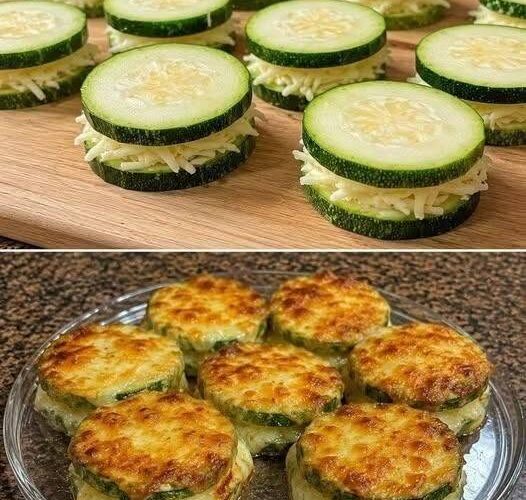
Low-Carb Parmesan Zucchini Recipe: Crispy, Cheesy, and Delicious
Introduction
Low-carb Parmesan zucchini is a delicious, easy-to-prepare dish made with fresh zucchini, finely grated Parmesan cheese, garlic, herbs, and a few simple seasonings. It is an excellent choice for anyone looking for a flavorful vegetable side dish without using traditional breadcrumbs, flour, or other high-carbohydrate coatings.
This recipe transforms ordinary zucchini into a tender, golden, cheesy dish with lightly crisp edges and a rich Parmesan flavor. The natural mildness of zucchini pairs beautifully with the salty, nutty taste of Parmesan cheese, while garlic, black pepper, and Italian herbs add warmth and fragrance.
One of the best things about this recipe is its versatility. You can prepare it in the oven, in an air fryer, or in a skillet on the stovetop. Each cooking method produces a slightly different result. Oven-baked zucchini develops golden edges and a tender center, air-fried zucchini becomes nicely browned with less oil, and skillet-cooked zucchini has a savory, pan-roasted flavor.
This version keeps the ingredients simple and focuses on maximizing flavor while keeping the carbohydrate content relatively low. It does not require breadcrumbs, and the Parmesan cheese creates a savory coating that helps the zucchini develop a delicious crust.
Serve it as a side dish with grilled chicken, baked fish, eggs, or a fresh salad. You can also enjoy it as a warm snack or add it to a low-carb lunch or dinner.
Recipe Information
Preparation time: 15 minutes
Cooking time: 20–30 minutes in the oven, or approximately 10–15 minutes in an air fryer
Total time: Approximately 35–45 minutes
Servings: 4
Difficulty level: Easy
Cooking method: Oven-baked, air-fried, or skillet-cooked
Dietary style: Low-carb and naturally gluten-free when using suitable ingredients
Ingredients
For the zucchini
4 medium fresh zucchini, approximately 600–700 grams
1/2 cup finely grated Parmesan cheese
2 tablespoons olive oil
2 cloves garlic, finely minced
1/2 teaspoon salt, or to taste
1/2 teaspoon freshly ground black pepper
1 teaspoon Italian seasoning
1/2 teaspoon paprika
1/2 teaspoon onion powder
1/4 teaspoon dried oregano
1 tablespoon finely chopped fresh parsley
1 teaspoon lemon juice, optional
For extra cheesy flavor
2 tablespoons shredded mozzarella cheese, optional
1 tablespoon additional grated Parmesan cheese
A small pinch of red pepper flakes, optional
For serving
Fresh parsley, finely chopped
A little additional grated Parmesan cheese
Fresh lemon wedges
Your favorite low-carb dipping sauce, if desired
Choosing the Best Zucchini
The quality of the zucchini makes a noticeable difference in the final dish. Choose fresh zucchini that feel firm and have smooth, unblemished skin. Medium-sized zucchini are particularly suitable because they usually have a good balance of flesh and moisture.
Avoid zucchini that feel unusually soft, have wrinkled skin, or contain large, mature seeds. These can release excess water during cooking and make the finished dish less crisp.
Both green and yellow zucchini can be used in this recipe. Green zucchini has a mild flavor and works especially well with Parmesan cheese, while yellow zucchini offers a slightly sweeter taste and adds attractive color.
Wash the zucchini thoroughly under running water and dry them with a clean kitchen towel. Removing surface moisture is an important step because excess water can prevent the cheese coating from browning properly.
You do not need to peel the zucchini. The skin helps the pieces hold their shape during cooking and contributes to their texture.
Step 1: Prepare the Zucchini
Place the washed zucchini on a clean cutting board. Trim off both ends and decide how you would like to cut them.
For crispy Parmesan zucchini rounds, slice each zucchini into rounds approximately 1/4 inch thick. Try to keep the slices as even as possible so they cook at the same rate.
For zucchini sticks, cut each zucchini lengthwise into quarters and then divide the quarters into shorter pieces. This shape is ideal for dipping and creates more surface area for the Parmesan coating.
For zucchini wedges, cut each zucchini lengthwise into halves and then into smaller wedges. These work especially well in an air fryer or oven.
Choose one shape for the batch rather than mixing very thick and very thin pieces. Uniform pieces make it easier to achieve consistent browning.
After cutting, arrange the zucchini on a clean towel and gently pat the surfaces dry. If the zucchini seem especially watery, let the pieces rest for several minutes before seasoning.
Do not leave the cut zucchini exposed for too long, because they can gradually release moisture. Once dry, transfer them to a large mixing bowl.
Step 2: Prepare the Garlic and Parmesan Seasoning
In a small bowl, combine the finely grated Parmesan cheese, minced garlic, black pepper, Italian seasoning, paprika, onion powder, and dried oregano.
Mix the ingredients thoroughly so the seasonings are evenly distributed throughout the cheese.
Finely grated Parmesan is preferable to large shreds for this particular coating. It adheres more easily to the zucchini and creates a more even layer. Freshly grated Parmesan generally provides a stronger, nuttier flavor, although packaged grated Parmesan can also be used.
If you enjoy a little heat, add a small pinch of red pepper flakes. For a milder flavor, leave them out.
Taste a tiny amount of the dry seasoning mixture if desired, keeping in mind that Parmesan is naturally salty. This will help you decide how much additional salt the zucchini needs.
Avoid adding too much salt at this stage. Zucchini contains considerable moisture, and salt can draw that moisture to the surface if the pieces sit for too long before cooking.
Step 3: Coat the Zucchini with Olive Oil
Pour the olive oil over the dried zucchini pieces.
Toss gently with clean hands or a large spoon until the surfaces have a thin, even coating. Every piece should look lightly glossy, but there should not be a pool of oil at the bottom of the bowl.
The oil helps the seasoning adhere to the zucchini and promotes browning during cooking.
Next, sprinkle the Parmesan mixture over the zucchini in two or three additions. Toss gently after each addition so the cheese and seasonings distribute evenly.
If some pieces remain lightly coated, sprinkle a little more of the mixture over them and turn them again.
Do not press the cheese mixture into thick clumps. A thin, even coating generally browns better and allows moisture to escape.
Add the salt according to taste and toss once more.
For the best texture, cook the zucchini shortly after coating them. Letting them stand for a long time can allow the salt to draw out moisture, softening the coating before it reaches the oven or air fryer.
Step 4: Prepare the Oven
Preheat your oven to 425°F, approximately 220°C.
A properly preheated oven is important because the zucchini should begin cooking immediately when placed inside. This encourages browning and reduces the amount of time the vegetables spend releasing moisture.
Line a large baking tray with parchment paper suitable for the temperature being used. Alternatively, lightly grease a baking tray.
Arrange the seasoned zucchini in a single layer. Leave a little space between the pieces so hot air can circulate around them.
Avoid piling the zucchini on top of one another. Overcrowding traps steam and can produce soft, watery results rather than golden, roasted edges.
If you have a large quantity of zucchini, use two baking trays instead of forcing everything onto one tray.
For even better browning, place the tray on the middle oven rack.
Step 5: Bake Until Golden
Place the prepared tray in the preheated oven.
Bake the zucchini for approximately 15–25 minutes, depending on the thickness of the pieces and your preferred texture.
Thin rounds may cook more quickly, while thicker wedges usually require additional time.
After about 10–12 minutes, carefully turn the pieces or rotate the tray if your oven heats unevenly. This helps the zucchini cook more consistently.
As the zucchini cooks, the Parmesan cheese will begin to melt, the garlic will release its aroma, and the exposed edges will gradually become golden.
Keep an eye on the garlic and cheese during the final minutes. Parmesan can brown quickly, and minced garlic may become bitter if it burns.
The zucchini is ready when it is tender when pierced with a fork and the cheese coating has developed golden-brown patches.
If you prefer a softer vegetable texture, remove the tray as soon as the centers become tender. If you prefer firmer pieces with more browned edges, continue cooking briefly while checking frequently.
Remember that zucchini naturally contains a lot of water, so the finished dish will be tender rather than completely dry and crunchy like a conventional breadcrumb-coated snack.
Step 6: Add Extra Parmesan
For a richer cheese flavor, sprinkle the additional tablespoon of Parmesan over the zucchini during the last few minutes of baking.
If you enjoy a mozzarella topping, add the optional shredded mozzarella at this stage as well.
Return the tray to the oven for approximately 2–4 minutes, or until the cheese melts and develops a lightly golden appearance.
Avoid adding mozzarella too early because it can release moisture and become overly browned during prolonged cooking.
Once the zucchini is ready, remove the tray carefully using oven mitts.
Let the pieces rest for approximately 2 minutes before serving. This brief resting period allows the cheese to settle slightly and makes the zucchini easier to lift from the tray.
Step 7: Finish with Fresh Herbs and Lemon
Transfer the cooked zucchini to a serving plate.
Sprinkle with freshly chopped parsley and a little extra Parmesan cheese. These final additions provide a fresh herbal aroma and a more pronounced cheesy flavor.
For a brighter taste, squeeze a small amount of fresh lemon juice over the zucchini just before serving.
Use lemon juice sparingly at first. Too much can make the cheese flavor less noticeable and soften the surface.
Serve immediately while the zucchini is warm and the Parmesan coating is at its best.
Air Fryer Method
The air fryer is an excellent option when you want to prepare a smaller batch quickly.
Preheat the air fryer to 400°F, approximately 200°C, for 3 minutes if your model recommends preheating.
Prepare and season the zucchini using the same ingredients and instructions described above.
Arrange the zucchini in a single layer in the air fryer basket. Leave enough space between pieces for the hot air to circulate.
Cook for approximately 8–12 minutes, turning the pieces halfway through. Thick zucchini wedges may require a few additional minutes.
Check the zucchini during the final minutes because different air fryer models can cook at different rates.
When the edges are golden and the centers are tender, remove the pieces carefully.
If you want additional melted cheese, sprinkle a little Parmesan over the zucchini during the last 1–2 minutes of cooking.
Do not overload the basket. Cooking in two batches will generally produce better browning than filling the basket completely.
Skillet Method
The stovetop method produces Parmesan zucchini with browned surfaces and a tender center.
Heat a large nonstick or well-seasoned skillet over medium heat. Add the olive oil and allow it to warm gently.
Arrange the prepared zucchini in a single layer. Cook in batches if necessary.
Let the zucchini cook undisturbed for approximately 3–4 minutes, until the underside develops a golden color.
Turn the pieces carefully and cook for another 3–4 minutes, adjusting the heat if the garlic or cheese begins browning too quickly.
If you want a stronger Parmesan crust, sprinkle a little extra finely grated Parmesan onto the exposed surfaces near the end of cooking. Allow the cheese to melt and turn lightly golden before removing the zucchini.
Because cheese can stick to a skillet, a good nonstick surface and moderate heat are helpful.
Transfer the finished zucchini to a plate and garnish with parsley and lemon juice.
How to Make the Parmesan Coating More Flavorful
The secret to delicious Parmesan zucchini is balancing the natural flavor of the vegetable with the richness of the cheese and the aroma of the seasonings.
Garlic provides a savory foundation. Italian seasoning adds an herbal note, while paprika contributes color and a mild warmth. Black pepper adds a gentle sharpness that complements the Parmesan.
For a more intense cheese flavor, use freshly grated Parmesan and add a small amount immediately after cooking.
For a fresh Mediterranean-style version, combine parsley, lemon zest, and a little dried oregano.
For a slightly spicy variation, add red pepper flakes and freshly ground black pepper.
For a smoky flavor, use a small amount of smoked paprika instead of ordinary paprika.
For a milder version, reduce the garlic and leave out the chili flakes.
You can also mix a small amount of finely grated Pecorino Romano with the Parmesan. Pecorino has a stronger, saltier taste, so reduce the added salt if you use it.
The most important principle is to avoid overwhelming the zucchini with too many competing flavors. A few well-balanced seasonings usually produce a better result than a large number of spices.
Tips for Crispy, Golden Zucchini
Dry the zucchini thoroughly. Excess surface moisture is one of the main reasons zucchini becomes soft instead of browning properly.
Use finely grated cheese. A fine coating spreads evenly and helps create more consistent browning.
Do not overcrowd the tray. Leave space between pieces so steam can escape.
Use a hot oven. A temperature of 425°F encourages the cheese and exposed edges to brown while the zucchini cooks.
Avoid excessive oil. A light coating is sufficient. Too much oil can make the cheese coating greasy.
Add salt shortly before cooking. This limits the time available for the zucchini to release excess moisture.
Watch the garlic carefully. Minced garlic can brown faster than the zucchini itself.
Serve immediately. The zucchini will gradually soften as it cools, especially if covered.
Use parchment appropriately. Make sure your parchment is rated for the oven temperature and is secured beneath the food rather than exposed near heating elements.
Low-Carb Serving Suggestions
Low-carb Parmesan zucchini works well with many everyday meals.
Serve it alongside grilled chicken seasoned with garlic, black pepper, and herbs. The fresh vegetable flavor balances the savory taste of the chicken.
It also pairs well with baked fish, especially salmon seasoned with lemon and parsley.
For a vegetarian meal, serve it with a fresh salad, scrambled eggs, or an omelet with mushrooms and spinach.
You can also pair it with grilled paneer or another suitable protein for a satisfying meal.
For a more substantial dinner, serve the zucchini with roasted cauliflower and a portion of your favorite protein.
If you want a dipping sauce, try a simple garlic-yogurt dip made with plain unsweetened yogurt, minced garlic, lemon juice, and chopped parsley. Check the yogurt’s nutrition label if you are tracking carbohydrates.
Another option is a small serving of sugar-free marinara sauce. Choose a product with no added sugar and check the carbohydrate information on the label.
For a creamy dip, combine mayonnaise with a little lemon juice, garlic powder, and black pepper.
Keep the accompanying sauces in moderate portions if maintaining a low-carbohydrate meal is your goal.
Recipe Variations
Parmesan Zucchini with Garlic Butter
For a richer flavor, replace some of the olive oil with melted butter.
Mix a small amount of melted butter with the garlic and brush it lightly over the zucchini before adding the Parmesan mixture.
Bake as directed, watching the garlic carefully to prevent burning.
The result will have a buttery aroma and a richer taste. Because butter contains little carbohydrate, this variation can still fit into many low-carb eating plans.
Spicy Parmesan Zucchini
Add red pepper flakes, a little extra black pepper, and a pinch of smoked paprika to the Parmesan seasoning.
Prepare and cook the zucchini using the standard method.
This variation is ideal for people who enjoy a little heat with their vegetables.
Start with a small amount of chili and adjust the seasoning according to your preference.
Lemon Parmesan Zucchini
Add a little finely grated lemon zest to the seasoning mixture before cooking.
After baking, finish with a small squeeze of lemon juice and fresh parsley.
The citrus aroma cuts through the richness of the cheese and gives the dish a lighter, fresher taste.
Parmesan Zucchini with Mozzarella
Prepare the zucchini as directed, but add a light sprinkle of mozzarella during the final minutes of cooking.
Allow the mozzarella to melt before removing the tray from the oven.
Finish with Parmesan and parsley.
This version has a softer, stretchier cheese topping, although it may contain slightly more calories and protein depending on the quantity of cheese used.
Herb Parmesan Zucchini
Combine the Parmesan with dried oregano, thyme, basil, and a small amount of rosemary.
Use the same cooking instructions.
This version emphasizes the herbal flavor and pairs especially well with grilled chicken, fish, or roasted vegetables.
Parmesan Zucchini with Almond Flour
If you want a thicker coating, combine the Parmesan with 1–2 tablespoons of finely ground almond flour.
Toss the zucchini with olive oil before coating it with the mixture.
Bake or air-fry as directed, checking the pieces regularly toward the end of cooking.
Almond flour can add texture without using conventional wheat breadcrumbs. However, it adds some carbohydrates and calories, so check the nutrition information if you are following a specific carbohydrate target.
Parmesan Zucchini Chips
For a thinner, crispier variation, cut the zucchini into very thin, evenly sized rounds.
Pat them dry and arrange them in a single layer. Apply a light coating of oil and Parmesan seasoning.
Bake at approximately 400°F (200°C), checking frequently after the first 10 minutes.
Thin slices can brown rapidly, and cooking time depends heavily on their thickness and water content.
For a crispier result, use multiple trays rather than stacking the rounds.
Remember that zucchini contains substantial moisture, so homemade zucchini chips may be crisp around the edges but softer in the middle.
Common Mistakes to Avoid
Using wet zucchini
If the zucchini is still wet after washing, the coating may become soggy and fail to brown evenly.
Always dry the pieces before adding oil and cheese.
Cutting uneven pieces
Very thick pieces take longer to cook, while thin pieces may become soft or overbrown before the thick pieces are ready.
Try to cut the zucchini into similar sizes.
Adding too much salt
Parmesan already contributes a salty flavor. Excess salt can overpower the cheese and encourage moisture to collect around the zucchini.
Start with a small amount and adjust after cooking if needed.
Using too much cheese
Although Parmesan provides excellent flavor, a very thick coating can clump together and become unevenly browned.
Spread the cheese mixture lightly over the surfaces instead.
Cooking at too low a temperature
A low oven temperature can allow the zucchini to soften before the cheese develops a golden color.
Use a properly preheated oven and avoid overcrowding the tray.
Covering the zucchini after cooking
Covering the hot zucchini traps steam and softens the browned coating.
For the best texture, serve it uncovered shortly after cooking.
Expecting the same texture as deep-fried food
This recipe is roasted, not deep-fried. It produces golden, savory zucchini with a tender center rather than the hard, crunchy shell associated with traditional fried foods.
The goal is to achieve well-browned edges and a flavorful Parmesan coating while preserving the zucchini’s natural texture.
Storage Instructions
Allow leftover zucchini to cool slightly, then place it in an airtight food-safe container and refrigerate promptly.
For food safety, refrigerate cooked leftovers within 2 hours, or within 1 hour if the surrounding temperature is above 90°F (32°C).
Store the zucchini in the refrigerator for up to 3–4 days.
For the best texture, keep the container from becoming overly crowded, since trapped moisture can soften the cheese coating.
Freezing is possible, but it is not the best option if you want to preserve the original texture. Zucchini contains a high proportion of water and may become softer after thawing.
If you choose to freeze leftovers, place them in a freezer-safe container and use them in a cooked dish where a softer texture is acceptable.
How to Reheat Leftovers
The oven and air fryer are the best options for reheating because they help restore some of the browned texture.
To reheat in the oven, preheat to 375°F (190°C). Arrange the zucchini on a baking tray in a single layer and heat for approximately 5–10 minutes, or until thoroughly hot.
To reheat in an air fryer, set the temperature to approximately 350°F (175°C) and heat for 3–5 minutes, checking regularly.
The skillet method also works well. Warm a nonstick skillet over medium-low heat and turn the zucchini occasionally until heated through.
A microwave can be used when convenience matters most, but it will generally make the zucchini softer.
Reheat only the portion you plan to eat, and ensure leftovers are thoroughly reheated.
Nutritional Information
The following figures are approximate estimates for one of four servings of the main recipe, using 600–700 grams of zucchini, 1/2 cup grated Parmesan, and 2 tablespoons olive oil. Actual values will vary according to ingredient brands, exact quantities, and the amount of seasoning retained.
| Nutrient | Approximate amount per serving |
|---|---|
| Calories | 160–200 |
| Protein | 7–10 g |
| Total carbohydrates | 6–9 g |
| Dietary fiber | 2–3 g |
| Net carbohydrates | 4–7 g |
| Fat | 12–16 g |
Net carbohydrates are estimated by subtracting dietary fiber from total carbohydrates. These figures are not laboratory measurements, and you should calculate the values from your own ingredients if you need a precise dietary count.
The recipe is relatively low in carbohydrates because zucchini provides the main bulk, while Parmesan and olive oil supply flavor and richness without requiring a flour-based coating.
However, low-carb does not mean carbohydrate-free. Zucchini contains naturally occurring carbohydrates, and the total amount will depend on the size of the vegetables and serving portions.
Frequently Asked Questions
Can I make Parmesan zucchini without breadcrumbs?
Yes. This recipe does not require breadcrumbs. Finely grated Parmesan, olive oil, garlic, and seasonings provide the main coating.
Is Parmesan zucchini suitable for a low-carb diet?
It can fit into many low-carb eating plans because zucchini is relatively low in carbohydrates and Parmesan contributes very little carbohydrate per typical serving. Your total intake will depend on portion size and the other foods you eat.
Can I use pre-grated Parmesan cheese?
Yes. Pre-grated Parmesan is convenient and works well. Finely grated varieties generally coat the zucchini more evenly than coarse shreds.
Why does my Parmesan zucchini become watery?
Zucchini naturally contains a lot of water. Excess moisture, overcrowding, and a low cooking temperature can make the finished dish watery. Dry the zucchini thoroughly and cook it in a single layer in a hot oven or air fryer.
Do I need to peel the zucchini?
No. The skin is edible and helps the pieces maintain their shape during cooking.
Can I prepare the zucchini ahead of time?
You can wash and dry the zucchini in advance, then refrigerate it until needed. For the best results, cut, season, and coat it shortly before cooking.
Can I make this recipe dairy-free?
The standard recipe depends on Parmesan for its signature flavor, so removing the cheese changes the result. You can try a suitable dairy-free Parmesan-style alternative, but its taste, browning, and nutritional values may differ.
Can I use frozen zucchini?
Fresh zucchini is preferable because frozen zucchini tends to release more moisture. If using frozen zucchini, thaw it completely, drain it well, and pat it as dry as possible before seasoning. The texture will usually be softer.
What is the best way to make it extra crispy?
Use evenly cut pieces, dry them well, avoid overcrowding, and cook at a high temperature. An air fryer can be particularly useful for smaller batches.
Can I serve Parmesan zucchini to children?
Yes, provided the ingredients suit their dietary needs and any allergies. Cut the cooked zucchini into comfortable, age-appropriate pieces and allow it to cool to a safe eating temperature.
Final Serving Recommendation
For the best overall result, use fresh medium-sized zucchini, finely grated Parmesan cheese, freshly minced garlic, olive oil, black pepper, and Italian herbs. Cut the zucchini evenly, dry it thoroughly, coat it lightly, and bake it in a preheated oven at 425°F (220°C) until the edges turn golden and the centers become tender.
Finish with fresh parsley, a little additional Parmesan, and a squeeze of lemon juice. Serve immediately alongside grilled chicken, baked fish, eggs, or a fresh salad.
This low-carb Parmesan zucchini recipe is simple enough for an ordinary weekday meal but flavorful enough to serve as part of a special dinner. With its savory cheese coating, fragrant garlic, and tender vegetable center, it is a satisfying way to enjoy zucchini without relying on traditional breadcrumbs or heavy batter.