admin1
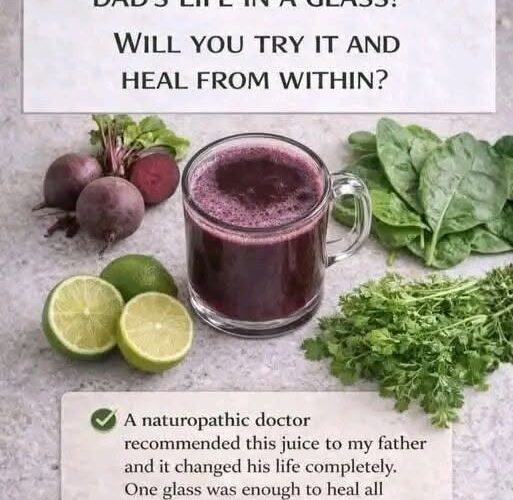
Beet Detox Juice: A Complete Guide to Making Fresh, Flavorful Beetroot Juice at Home
Introduction to Beet Detox Juice
Beet Detox Juice is a refreshing homemade drink prepared with fresh beetroot, apples, carrots, lemon juice, ginger, and water. It has a naturally earthy flavor from the beets, a gentle sweetness from the apples and carrots, and a bright, refreshing taste from the lemon. A small piece of fresh ginger adds a pleasant warmth that balances the other ingredients beautifully.
This vibrant ruby-red juice is an excellent way to enjoy fresh vegetables and fruits in a convenient drink. It can be served with breakfast, enjoyed as an afternoon refreshment, or included as part of a balanced eating routine. Its beautiful color makes it attractive, while its combination of naturally sweet and slightly tangy ingredients creates a flavor that is both satisfying and refreshing.
The word “detox” is commonly used to describe drinks made with fresh fruits and vegetables. However, beetroot juice does not literally remove toxins from the body or replace the work of the liver and kidneys. Your body already has natural systems that process and eliminate waste. This recipe is best enjoyed as a nutritious, flavorful beverage rather than a detox treatment or a quick solution for weight loss.
One of the best things about homemade beet juice is that you can easily customize it. If you prefer a sweeter drink, add another apple. If you enjoy a tangier flavor, increase the lemon juice. For a milder taste, combine beetroot with cucumber and water. You can also adjust the thickness depending on whether you prefer a smooth, strained juice or a more filling blended drink that retains its fiber.
Recipe Overview
Preparation time: 10–15 minutes
Blending time: 2–3 minutes
Total time: Approximately 15–20 minutes
Servings: 2 medium glasses
Difficulty level: Easy
Best served: Fresh and chilled
Main ingredients: Beetroot, apple, carrot, lemon, ginger, and water
Equipment needed: A blender or juicer, a sharp knife, a chopping board, a vegetable peeler, and a fine-mesh strainer if desired.
Ingredients for Beet Detox Juice
The following ingredients create a balanced juice with a pleasant sweetness, a refreshing citrus flavor, and the distinctive taste of fresh beetroot.
Main Ingredients
2 medium fresh beetroots
Choose firm, fresh beetroots with smooth skin and a deep reddish-purple color. Medium-sized beets are easier to prepare and usually have a balanced flavor. Wash them thoroughly under running water to remove dirt from the surface. Peel them if desired, especially if the skin is rough, but peeling is optional when the beets are scrubbed well.
2 medium apples
Apples provide natural sweetness and help soften the earthy taste of beetroot. Red apples generally create a sweeter juice, while green apples contribute a sharper, more tart flavor. Remove the seeds and core before blending.
1 medium carrot
Carrot adds natural sweetness and complements the earthy flavor of beetroot. It also contributes a pleasant color and a smooth vegetable flavor. Wash, peel if necessary, and cut into small pieces.
1 tablespoon fresh lemon juice
Fresh lemon juice brightens the flavor and balances the sweetness of the apples and carrots. Start with one tablespoon and add more according to your preference.
A small piece of fresh ginger
Use approximately half an inch of peeled ginger for a mild warming flavor. If you enjoy stronger ginger, increase the amount slightly. Ginger can taste quite intense, so it is best to begin with a small piece.
1 to 1½ cups cold drinking water
Water helps the ingredients blend smoothly and makes the juice easier to drink. Begin with one cup and add more if you prefer a lighter consistency.
Optional Ingredients
½ cucumber
Cucumber gives the juice a lighter, fresher flavor and increases its water content. It works especially well if you find the flavor of beetroot too strong.
A few fresh mint leaves
Mint provides a cool, refreshing aroma. Add two or three leaves for a gentle mint flavor.
½ orange
Orange adds sweetness and a pleasant citrus aroma. If you use orange, you can reduce the lemon juice slightly to keep the drink from becoming too tart.
A small pinch of cinnamon
Cinnamon adds warmth and a subtle sweetness. It is optional and works best when used sparingly.
Ice cubes
Ice cubes can be added when serving, especially during warm weather. Alternatively, refrigerate the finished juice for a short time before serving.
A small amount of honey
Honey is optional and generally unnecessary when the apples and carrots are naturally sweet. If you choose to use it, add a small amount after tasting the juice.
How to Choose the Best Beetroot
Fresh beetroot is the foundation of this recipe, so choosing good-quality produce makes a noticeable difference.
Look for beetroots that feel firm and heavy for their size. Their skin should be relatively smooth, without extensive bruising, soft patches, or signs of spoilage. Smaller and medium-sized beets are often convenient for juicing because they are easier to cut and may have a milder flavor.
If the beetroot still has its green leaves attached, the leaves should look reasonably fresh rather than slimy or badly wilted. Remove the leaves before storing the roots, because they can draw moisture away from the beetroots.
Avoid roots that smell unpleasant or feel mushy. Fresh beetroot should have a mild, earthy smell.
Both red and golden beetroots can be used, although red beetroot produces the classic deep ruby color associated with this drink. Golden beetroot usually has a different, often milder flavor and creates a golden-orange juice instead.
Step-by-Step Instructions for Making Beet Detox Juice
Step 1: Prepare the Work Area
Begin by washing your hands and cleaning your chopping board, knife, blender jar, and other utensils. Because beetroot releases a strong natural pigment, it can stain light-colored surfaces.
If you are concerned about staining, use a dark chopping board or place a washable mat beneath it. You can also wear kitchen gloves while peeling and cutting the beetroots.
Arrange all the ingredients on the counter before beginning. Preparing everything in advance makes the process faster and helps ensure that nothing is forgotten.
Step 2: Wash the Beetroots Thoroughly
Place the beetroots under cool running water. Rub the surface gently with your hands or a clean vegetable brush to remove dirt, especially around the root ends and any creases.
Cut away the stems and thin root tips. If the skin is clean and tender, it may be left on after thorough washing. Otherwise, peel it with a vegetable peeler.
Do not use soap or household cleaning products on fresh produce.
Step 3: Cut the Beetroots into Small Pieces
Place each beetroot on the chopping board and cut it into small cubes.
Smaller pieces are particularly important when using a regular blender because raw beetroot is firm and can be difficult to process. Cutting it into approximately one-inch pieces helps the blades work more efficiently.
If your blender is not especially powerful, cut the beetroot into even smaller pieces and blend it with water before adding the softer ingredients.
Step 4: Prepare the Apples
Wash the apples carefully and remove their cores and seeds. Cut them into small chunks.
You may leave the skin on if the apples are thoroughly washed. The skin contributes color, flavor, and fiber when the juice is blended without straining.
For a sweeter drink, use red apples. For a sharper, more refreshing flavor, choose green apples.
If you prepare the apples several minutes before blending, a little lemon juice can help reduce browning.
Step 5: Prepare the Carrot
Wash the carrot under running water and remove any dirt. Peel it if the skin is rough or damaged.
Cut it into thin slices or small chunks. If the carrot is particularly thick, cut the pieces smaller so that they blend evenly.
Fresh carrot gives the juice a naturally sweet taste that balances the earthy notes of the beetroot.
Step 6: Prepare the Ginger and Lemon
Peel a small piece of ginger using a vegetable peeler or the edge of a teaspoon. Chop it into small pieces.
Cut the lemon and squeeze out the juice, removing any seeds.
If using orange or cucumber, wash and prepare those ingredients as well.
Step 7: Blend the Beetroot with Water
Pour one cup of cold drinking water into the blender jar. Add the chopped beetroot and blend for approximately 30–60 seconds, depending on the strength of your blender.
Pause if necessary and scrape down the sides with the blender switched off.
The mixture should begin to look thick and reddish. If the blender struggles, add a little more water rather than forcing it to process large, hard pieces.
Step 8: Add the Remaining Ingredients
Add the apple pieces, carrot, ginger, and lemon juice.
If you are using cucumber, orange, or mint, add those ingredients now.
Blend everything for another 60–90 seconds, or until the mixture looks as smooth as your blender allows. The exact time will depend on the equipment and the size of the ingredients.
If the mixture is too thick, add more water a little at a time. If it is too thin, add a few more pieces of apple or carrot and blend again.
Step 9: Check the Flavor
Taste a small amount of the juice with a clean spoon.
If it tastes too earthy, add a little more apple or orange. If it is too sweet, add a small amount of lemon juice. If the ginger is too strong, dilute the drink with additional water.
Remember that raw beetroot has a naturally earthy flavor. The goal is not necessarily to eliminate that flavor but to balance it with the sweetness and acidity of the other ingredients.
Step 10: Strain the Juice if Desired
If you prefer a thinner, smoother drink, pour the blended mixture through a fine-mesh strainer into a clean jug.
Press gently with a spoon to help the liquid pass through. Do not press so forcefully that you push large amounts of pulp through the strainer.
Straining removes some of the insoluble fiber, leaving a smoother drink. If you prefer to retain more fiber and create a more filling beverage, skip this step.
A blender produces a whole-fruit-and-vegetable drink, while a juicer separates much of the pulp from the liquid. Both methods can produce a delicious beverage, but their textures and fiber content differ.
Step 11: Adjust the Consistency
Check whether the juice is thick enough for your preference.
For a lighter drink, add a little cold water and stir. For a richer flavor, avoid adding too much water. If you prefer a chilled beverage, refrigerate it briefly or pour it over a few ice cubes.
The juice may separate slightly while standing. This is normal for a freshly prepared drink, particularly one that has not been strained. Stir it before drinking.
Step 12: Serve Immediately
Pour the juice into two clean glasses. Serve it fresh for the brightest flavor.
You can garnish the glasses with a small mint leaf or a thin slice of lemon if desired. These additions are entirely optional.
Enjoy the juice with breakfast, a snack, or a meal. It does not need to be consumed on an empty stomach, and there is no special time of day when it must be taken.
How to Make Beet Detox Juice Without a Blender
If you have a juicer, you can make this recipe using fresh, raw ingredients.
Wash the beetroot, apples, and carrot thoroughly. Peel the beetroot if desired, remove the apple cores and seeds, and cut everything into pieces that fit your juicer’s feeding chute.
Feed the ingredients through the juicer according to the manufacturer’s instructions. Alternate beetroot pieces with apple and carrot pieces to create a more balanced flavor.
Add the lemon juice and finely grated ginger, stirring well. If your juicer cannot process ginger conveniently, you can steep a small amount of grated ginger in the finished juice briefly and strain it out.
Taste the juice and adjust its flavor with lemon or water as needed. Serve fresh.
Always follow your juicer’s safety instructions, particularly when processing firm raw vegetables.
How to Make Beet Detox Juice Without a Juicer
A regular household blender is enough to prepare this drink.
Cut the beetroot into small pieces and blend it with water first. Once it begins to break down, add the apples, carrot, ginger, and lemon juice. Continue blending until smooth.
If your blender is not powerful enough to produce a completely smooth texture, strain the mixture through a clean, fine-mesh strainer.
If you do not own either a blender or a juicer, finely grate the beetroot, carrot, and apple. Add a little water and mix thoroughly, then strain the mixture through a clean cloth intended for food preparation. Press gently to extract the liquid.
The hand-grated method takes longer and may produce less juice, but it can work when kitchen equipment is limited.
The Best Ingredient Combinations for Different Flavors
Beetroot and Apple Juice
This is one of the simplest combinations. Use two medium beetroots, two apples, a little lemon juice, and water as needed.
The apples soften the earthy flavor of the beets and create a naturally sweet drink. This version is suitable for people who are new to beetroot juice.
Beetroot, Carrot, and Ginger Juice
Combine two medium beetroots, one carrot, one apple, a small piece of ginger, and lemon juice.
The carrot contributes sweetness, while ginger adds a mild spicy note. This is a balanced option if you enjoy vegetable-based juices with a noticeable but not overpowering flavor.
Beetroot and Cucumber Juice
Combine one or two medium beetroots with half a cucumber, one apple, lemon juice, and cold water.
Cucumber gives the drink a lighter taste and helps create a refreshing beverage, especially when served chilled.
Beetroot and Orange Juice
Combine one medium beetroot, one orange, one apple, a little ginger, and water if needed.
Orange adds citrus sweetness and pairs well with beetroot’s earthy character. Use less lemon in this version, tasting as you go.
Beetroot and Mint Juice
Prepare the basic recipe and add two or three mint leaves during blending.
Mint creates a refreshing aroma without requiring additional sweetener. Avoid using too many leaves initially, because a strong mint flavor can overwhelm the beetroot.
Beetroot, Apple, and Lemon Juice
For a simple three-ingredient version, blend two small beetroots, one large apple, one tablespoon of lemon juice, and enough water to reach your preferred consistency.
This version is straightforward and requires fewer ingredients while still providing a balanced combination of earthy, sweet, and tangy flavors.
Nutrition and Potential Benefits
Beetroot contains naturally occurring compounds and nutrients that can contribute to a balanced diet. The nutritional value of your juice depends on the quantity of each ingredient, the amount of water added, whether the drink is strained, and the serving size.
Provides Dietary Nitrate
Beetroot is a source of dietary nitrate. The body can convert some of this nitrate into nitric oxide, a molecule involved in regulating blood vessel function.
Research suggests that beetroot juice may modestly support blood pressure management in some people. However, the effect varies, and beetroot juice should not replace prescribed medicines or medical advice.
If you have concerns about your blood pressure, speak with a healthcare professional before using concentrated beetroot juice as a regular supplement.
Contains Folate
Beetroot naturally contains folate, a B vitamin involved in normal cell division and the formation of healthy red blood cells.
Apples and carrots contribute additional nutrients, although the amount in an individual glass will depend on the recipe and preparation method.
Supplies Antioxidant Compounds
Beetroot contains betalains, pigments responsible for its distinctive red and purple color. These compounds have been studied for their antioxidant properties.
Apples, carrots, and citrus fruits also contain various beneficial plant compounds. Including a range of colorful fruits and vegetables in your overall diet is generally more useful than relying on one specific drink.
Contributes to Fluid Intake
The water in this recipe contributes to daily fluid intake. This can be especially welcome in warm weather or when you want a refreshing alternative to a sugary soft drink.
However, plain drinking water remains an excellent everyday hydration choice.
May Support Exercise Performance in Some People
Dietary nitrate from beetroot has been studied for its potential effects on exercise efficiency and endurance. Some studies suggest modest benefits in particular activities, but results are not consistent for everyone.
A homemade glass of beet juice is not a guaranteed performance enhancer, and you do not need to consume it to exercise safely or effectively.
Can Contribute to Fruit and Vegetable Intake
If you blend the ingredients and retain the pulp, the drink can provide some of the fiber found in the whole fruits and vegetables.
If you strain it, much of the insoluble fiber is removed. For everyday nutrition, whole fruits and vegetables should remain an important part of your diet alongside drinks such as this one.
Provides Natural Flavor Without Added Sugar
When made with beetroot, apples, carrots, and lemon, the drink can be enjoyed without adding table sugar or syrup.
Natural sugars in fruit and vegetables still count as sugars, and juicing or blending makes it easier to consume several ingredients quickly. Portion size matters, particularly for people who need to manage their blood glucose.
Is Beet Detox Juice Good for Daily Consumption?
For many healthy people, a modest serving of homemade beetroot juice can fit into a balanced diet. Whether it is appropriate to drink it daily depends on individual health, the ingredients used, and the size of the serving.
A glass is not a replacement for regular meals, and there is no need to follow a strict detox schedule. Your body does not require a special juice cleanse to perform its normal functions.
If you enjoy beetroot juice, consider alternating it with whole fruits, vegetables, and other drinks. Eating a variety of foods helps provide a broader range of nutrients than repeatedly relying on one recipe.
If you have a medical condition, take medication that affects blood pressure, or have been advised to follow a specific diet, check with a healthcare professional before making concentrated beetroot juice a daily habit.
Best Time to Drink Beet Detox Juice
With Breakfast
Breakfast is a convenient time to enjoy this juice. Pair it with a balanced meal containing protein, carbohydrates, and other nutrients, such as eggs with whole-grain toast or yogurt with oats.
The juice adds variety to breakfast, but it should not be the only food you consume in the morning.
As an Afternoon Refreshment
A small glass can be a refreshing afternoon drink. Serve it chilled or with a few ice cubes.
If you feel hungry, pair it with a more substantial snack rather than expecting the juice alone to keep you satisfied for several hours.
Before Physical Activity
Some people choose beetroot juice before exercise because of its dietary nitrate content. However, the effect depends on the amount of nitrate, preparation, timing, and type of exercise.
A regular homemade recipe has an unpredictable nitrate concentration, so it should not be treated as a standardized sports supplement. If you try it, consider your digestive comfort and avoid making it a substitute for appropriate food and water.
In the Evening
There is no general requirement to avoid beetroot juice in the evening. You can enjoy it whenever it suits your routine.
If acidic drinks cause you discomfort, you may prefer to have it with a meal or choose another beverage.
Common Mistakes to Avoid
Using Too Much Beetroot
Beetroot has a distinctive earthy flavor. Using a large amount without balancing it with fruit, citrus, or water can make the juice taste overpowering.
Begin with one or two medium beetroots for two servings and adjust according to your preference.
Adding Too Much Ginger
Ginger is flavorful, and even a small piece can noticeably change the taste.
Start with a small amount. You can always add more, but once too much ginger has been blended into the drink, it is harder to correct the flavor.
Not Washing the Ingredients Properly
Raw vegetables can carry soil and microorganisms on their surfaces. Wash them thoroughly under running water before cutting or juicing.
Clean your equipment after preparing the drink, particularly around the blender blades and seals.
Using Too Little Water in a Blender
Raw beetroot and carrot are firm ingredients. Without sufficient liquid, some blenders may struggle to process them evenly.
Add water gradually until the mixture circulates properly. Do not continue running a blender that is overheating or struggling.
Adding Too Much Sweetener
Apples and carrots already provide sweetness. Taste the finished drink before adding honey or another sweetener.
A balanced recipe generally needs only a small amount of lemon to bring out the flavors.
Straining When You Prefer More Fiber
Straining is a matter of texture rather than a requirement for safety or effectiveness. If you prefer a thicker drink that retains more of the ingredients’ fiber, leave the pulp in.
Leaving the Juice at Room Temperature for Too Long
Fresh homemade juice has not undergone commercial pasteurization, so it should be handled carefully.
Refrigerate leftovers promptly in a clean, covered container. Discard juice that has been left at room temperature for more than two hours, or more than one hour in temperatures above 32°C (90°F).
Storage and Freshness
Fresh beetroot juice is best consumed soon after preparation. Its flavor, color, and texture can change during storage, and freshly prepared juice can support the growth of harmful microorganisms if handled improperly.
If you need to store some, pour it into a clean, airtight container and refrigerate it promptly at 4°C (40°F) or below. A practical approach is to prepare only what you expect to drink and use refrigerated leftovers within 24 hours for best quality.
Shake or stir the juice before serving because natural ingredients may settle.
Do not drink juice that smells fermented, develops unusual bubbling, or shows other signs of spoilage. Remember that the absence of an unpleasant smell does not guarantee that juice is safe.
Freezing is another option if you want to preserve a batch for longer. Pour the juice into a freezer-safe container, leaving some space for expansion. Thaw it in the refrigerator and stir well before drinking. The texture may change after thawing.
Avoid repeatedly warming and cooling the same container.
Important Precautions
Although beetroot is a common food, concentrated juice is not suitable for every person in every circumstance.
Beeturia and stool color: Beetroot can temporarily turn urine or stool pinkish or reddish in some people. This can be harmless, but do not automatically assume that every change in color is caused by beetroot. Seek medical advice if the change is unexplained, persistent, or accompanied by pain or other concerning symptoms.
Kidney stones: Beetroot contains oxalates. People who have been advised to limit oxalate because of certain types of kidney stones should ask their healthcare professional whether concentrated beetroot juice is appropriate for them.
Low blood pressure or blood pressure medication: Beetroot juice may influence blood pressure in some people. If your blood pressure is already low or you take medication that lowers it, discuss regular concentrated beetroot juice consumption with your healthcare professional.
Diabetes or blood glucose management: Apples, carrots, and beetroot contribute carbohydrates and natural sugars. If you need to monitor blood glucose, consider the serving size and whether the juice is strained. A blended drink that retains fiber is different from a strained juice, but both contain carbohydrates.
Sensitive digestion: Raw beetroot, ginger, lemon, and larger servings of juice can cause digestive discomfort in some people. Start with a small serving if you are unfamiliar with the recipe.
Allergies: Avoid any ingredient to which you are allergic. Substitute a suitable alternative only if you can safely consume it.
Children and teenagers: Fresh juice can be part of a varied diet, but it should not replace balanced meals or be used as a weight-loss or cleansing treatment.
If you are pregnant, have a significant medical condition, or are considering concentrated beetroot juice for a specific health purpose, seek individualized professional guidance.
Frequently Asked Questions
Can I drink Beet Detox Juice every day?
Many healthy adults can include a modest serving in their diet, but daily consumption is not necessary. Variety is important, and people with certain medical conditions may need individualized advice.
Does Beet Detox Juice remove toxins?
No. There is no good evidence that this recipe detoxifies the body in the way advertised by many juice cleanses. The liver and kidneys naturally process and eliminate waste. The juice can still be enjoyed as a source of fluids and plant-based nutrients.
Can I make this recipe without apples?
Yes. Replace the apples with cucumber, orange, or a small amount of pear, depending on the flavor you prefer. The finished juice may be less sweet or have a different texture.
Can I use cooked beetroot?
You can blend cooked beetroot, but the flavor and texture will differ from those of raw beetroot. Choose plain, unseasoned beetroot without added salt, vinegar, or sugar.
Cooking and processing can alter certain compounds, so cooked beetroot should not be assumed to have exactly the same properties as raw beetroot juice.
Should I peel the beetroot?
Peeling is optional. Thoroughly scrubbed beetroot can be blended with the skin on if it is fresh and clean. Peeling may be preferable when the skin is rough or the root is particularly dirty.
Why does my juice taste earthy?
Earthiness is a natural characteristic of beetroot. Add more apple, a little orange, or a squeeze of lemon to balance the flavor. Cucumber can also make the drink taste lighter.
Why does my juice separate?
The ingredients contain different amounts of water, pulp, and plant material. These can separate naturally after blending. Stir or shake the juice before serving.
Can I make beet juice in advance?
You can prepare it in advance and refrigerate it promptly in a clean, airtight container. For the best flavor, drink it as soon as practical, ideally within 24 hours.
Can I drink it on an empty stomach?
You do not need to drink beetroot juice on an empty stomach to benefit from its nutritional components. Have it with food if that is more comfortable for you.
Can I add turmeric?
A small amount of fresh or powdered turmeric can be added for flavor. However, turmeric does not turn the drink into a proven detox treatment, and adding more ingredients does not necessarily make it healthier.
Can I use bottled lemon juice?
Yes. Bottled lemon juice can be used if fresh lemons are unavailable. Start with a small amount and adjust to taste, because the acidity and flavor can vary between products.
Is strained juice healthier than blended juice?
Neither method is universally better. Strained juice is smoother and usually contains less fiber. Blending the whole ingredients retains more of their fiber and creates a thicker, often more filling drink.
Can I add sugar?
You can, but it is usually unnecessary. The apple and carrot provide natural sweetness. If the drink is too earthy, adjust the fruit or citrus balance before adding extra sugar.
Can I freeze beetroot juice?
Yes. Freeze it promptly in a suitable airtight container, allowing room for expansion. Thaw it in the refrigerator and mix well before drinking. Its texture and flavor may change slightly.
Serving Suggestions
Beet Detox Juice pairs well with a variety of everyday foods.
For breakfast, serve a small glass alongside scrambled eggs, whole-grain toast, oatmeal, or plain yogurt with fruit.
For a light lunch, enjoy it with a vegetable sandwich, a chickpea salad, or a simple chicken wrap.
For an afternoon snack, pair the juice with a handful of nuts, whole-grain crackers, or a piece of fruit.
For a summer refreshment, serve the juice chilled with cucumber and mint. For a sweeter version, add orange or another apple.
If you are serving guests, prepare the juice shortly before serving and pour it into clear glasses to show off its natural ruby-red color.
Final Recipe Summary
Beet Detox Juice is an easy homemade drink that combines the earthy flavor of fresh beetroot with the natural sweetness of apples and carrots, the brightness of lemon, and the gentle warmth of ginger.
To prepare two servings, wash and chop two medium beetroots, two apples, and one carrot. Blend the beetroot with one cup of cold water, then add the apples, carrot, a small piece of ginger, and one tablespoon of lemon juice. Blend until smooth, adding more water if needed. Strain for a lighter texture or leave the pulp in for more fiber. Taste, adjust the flavor, and serve fresh.
The most important thing is to make a drink you genuinely enjoy. Use fresh ingredients, maintain good food hygiene, keep portions reasonable, and treat the juice as one small part of a varied, balanced diet rather than a shortcut to detoxification or better health.