admin1
Mason Jar Salads: The Ultimate Guide to Fresh, Colorful, Healthy, and Make-Ahead Salads
Mason jar salads are one of the easiest and most convenient ways to prepare fresh, delicious, and satisfying meals ahead of time. They are perfect for busy weekdays, school lunches, office meals, picnics, road trips, quick dinners, and anyone who wants to enjoy homemade salads without preparing everything from scratch every day.
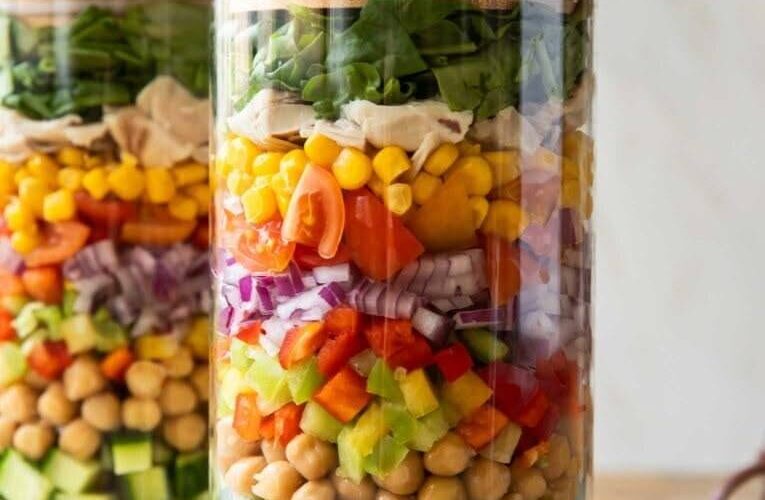
The beauty of a mason jar salad lies in its simple preparation method. Instead of mixing all the ingredients together in a bowl, you carefully layer the dressing, sturdy vegetables, proteins, grains, and delicate leafy greens inside a glass jar. When the ingredients are arranged correctly, the greens remain separate from the dressing until you are ready to eat, helping the salad maintain its freshness and texture.
Mason jar salads are also incredibly versatile. You can make Mediterranean salads with cucumber, tomatoes, chickpeas, and feta cheese; colorful chicken salads with avocado and corn; classic Italian-inspired salads with mozzarella and basil; or refreshing vegetarian combinations with quinoa, beans, roasted vegetables, and homemade vinaigrettes.
Another advantage is that you can customize every jar according to your taste. If you prefer a creamy dressing, you can prepare a ranch-style or yogurt-based version. If you enjoy bright, tangy flavors, lemon vinaigrette and balsamic dressing are excellent choices. For something more filling, you can add grilled chicken, hard-boiled eggs, chickpeas, lentils, pasta, quinoa, or brown rice.
This comprehensive recipe guide explains how to prepare mason jar salads, which ingredients work best, how to layer them properly, and how to create several delicious variations using simple everyday ingredients.
Understanding Mason Jar Salads
A mason jar salad is a complete salad arranged in layers inside a clean glass jar with a secure lid. The jar serves as both a storage container and a convenient way to transport the meal.
The most important principle is to keep wet ingredients away from delicate ingredients until serving time. Salad dressing goes at the bottom, followed by vegetables and other ingredients that can tolerate moisture. Leafy greens and delicate toppings are placed near the top.
When you are ready to eat, you can shake the closed jar to distribute the dressing or empty the contents into a bowl and toss everything together.
Wide-mouth mason jars are particularly useful because they make layering, filling, and cleaning much easier. A jar with a capacity of approximately 24 to 32 ounces is generally suitable for a generous individual salad, although smaller jars can be used for side salads.
Preparation Time and Serving Information
Preparation time: 30–45 minutes for several jars
Cooking time: 15–25 minutes if preparing chicken, grains, or roasted vegetables
Total time: Approximately 45–70 minutes, depending on the ingredients
Servings: 4 generous salads
Difficulty level: Easy
Storage: Refrigerate promptly in sealed jars
Best use: Meal preparation, packed lunches, quick meals, and healthy snacks
Ingredients for Four Basic Mason Jar Salads
The following ingredients create four colorful, flavorful salads. You can divide them equally among four wide-mouth jars or adjust the quantities according to the size of your containers.
For the salad dressing
- 6 tablespoons extra-virgin olive oil
- 3 tablespoons fresh lemon juice
- 1 tablespoon apple cider vinegar
- 1 teaspoon Dijon mustard
- 1 teaspoon honey
- 1 small garlic clove, finely minced
- ½ teaspoon dried oregano
- ¼ teaspoon freshly ground black pepper
- ½ teaspoon salt, or to taste
For the salad layers
- 2 cups cherry tomatoes, halved
- 2 medium cucumbers, diced
- 1 large bell pepper, diced
- 1 cup cooked chickpeas, drained and rinsed
- 1 cup cooked quinoa, completely cooled
- 1 cup shredded carrots
- ½ small red onion, thinly sliced
- 1 cup crumbled feta cheese
- ½ cup sliced black olives
- 6 cups fresh romaine lettuce or mixed salad greens
Optional ingredients
You can make these salads more filling or change their flavor by adding:
- Grilled chicken breast, sliced or diced
- Hard-boiled eggs, peeled and chopped
- Cooked brown rice
- Cooked whole-wheat pasta
- Roasted sweet potatoes
- Steamed broccoli, cooled
- Avocado, added shortly before serving
- Sunflower seeds
- Pumpkin seeds
- Chopped fresh parsley
- Fresh basil leaves
- Shredded cheddar cheese
- Toasted walnuts or almonds
Choose additions that suit your preferences and dietary requirements. For a vegetarian version, chickpeas, lentils, quinoa, beans, eggs, and cheese are useful protein sources.
Equipment You Will Need
Prepare four clean, wide-mouth glass jars with secure lids. Jars with capacities of 24 to 32 ounces are suitable for most individual meal salads.
You will also need a cutting board, a sharp kitchen knife, a small mixing bowl, a whisk or fork, measuring spoons, measuring cups, and a clean spoon for layering.
A salad spinner is helpful if you wash your own lettuce because excess water can make the salad soggy. If you do not have one, carefully dry the leaves using clean kitchen towels or paper towels.
Make sure all jars are completely clean and dry before adding the ingredients. Water left inside the jars can dilute the dressing and make the vegetables deteriorate more quickly.
Step 1: Prepare the Homemade Lemon Vinaigrette
The dressing provides the flavor foundation for your mason jar salads. A good vinaigrette should taste bright, slightly tangy, and well balanced, complementing the vegetables without overpowering them.
Add the olive oil, lemon juice, apple cider vinegar, Dijon mustard, honey, minced garlic, dried oregano, salt, and black pepper to a small bowl.
Whisk the ingredients together until the dressing looks evenly combined. The mustard helps the oil and acidic ingredients mix into a more uniform dressing, while the honey balances the sharpness of the lemon juice and vinegar.
Taste the dressing with a small piece of cucumber or lettuce. If it tastes too acidic, add a little more olive oil or a small amount of honey. If it tastes too mild, add a little lemon juice or a pinch of salt.
For a stronger Mediterranean flavor, add chopped fresh parsley or basil. If you enjoy a slightly spicy dressing, include a pinch of red pepper flakes.
Divide the dressing evenly among the four jars, using approximately 1½ to 2 tablespoons per jar depending on your preference.
The dressing should always be placed at the bottom. This is one of the most important steps in making successful mason jar salads because it prevents the delicate greens from sitting in liquid during storage.
Step 2: Wash and Prepare the Vegetables
Wash the tomatoes, cucumbers, bell peppers, carrots, lettuce, and other fresh vegetables under clean running water.
Dry them thoroughly before cutting. Excess moisture can affect the texture of the salad and dilute the dressing.
Cut the cherry tomatoes in half. Dice the cucumber into bite-sized pieces, and remove the seeds from the bell pepper before chopping it.
Thinly slice the red onion so its flavor is distributed evenly throughout the salad. Shred the carrots using a grater or purchase pre-shredded carrots if you prefer a faster preparation method.
Drain and rinse the chickpeas. If they are canned, allow them to drain thoroughly before adding them to the jars.
Prepare the lettuce last, or keep it refrigerated after washing and drying it. Tear or chop the leaves into pieces that will fit comfortably inside the jars.
Avoid cutting the vegetables into extremely small pieces. Slightly larger pieces usually retain their texture better and are easier to layer neatly.
Step 3: Cook and Cool Any Additional Ingredients
If you plan to include quinoa, rice, pasta, chicken, eggs, or roasted vegetables, prepare them before assembling the salads.
For quinoa, rinse the grains and cook according to the package instructions. Allow the cooked quinoa to cool completely before placing it in the jars.
For chicken salads, cook the chicken until the thickest part reaches a safe internal temperature of 165°F (74°C). Allow it to cool promptly, then cut it into bite-sized pieces and refrigerate it if you are not assembling the salads immediately.
Hard-boiled eggs should be cooked thoroughly, cooled, peeled, and refrigerated until needed.
If you are using roasted sweet potatoes, roast them until tender, then cool them completely before layering.
Never place steaming-hot ingredients directly into a jar filled with cold vegetables. Allow cooked foods to cool safely and promptly, and avoid leaving perishable ingredients at room temperature for extended periods.
Step 4: Understand the Correct Layering Order
The order of the ingredients makes a major difference in the quality of a mason jar salad.
The most reliable general order is:
- Salad dressing
- Firm vegetables
- Beans, chickpeas, or other sturdy proteins
- Cooked grains or pasta
- Softer vegetables and cheese
- Delicate toppings
- Leafy greens
This order is flexible. You can move ingredients around depending on their moisture content, firmness, and how quickly they soften.
The bottom layer: Dressing
Pour the dressing into the bottom of the jar.
Keep the quantity moderate. Too much dressing can make the salad overly wet when you eventually mix it, while too little may leave the vegetables and greens insufficiently coated.
The second layer: Firm vegetables
Add ingredients such as cucumbers, carrots, bell peppers, and other sturdy vegetables.
These ingredients can tolerate some contact with the dressing better than lettuce can. Firm vegetables also create a useful barrier between the dressing and the more delicate ingredients above.
Tomatoes release moisture as they sit, so use firm tomatoes, avoid overripe ones, and consider placing them above the vegetables that are least affected by moisture.
The third layer: Beans and proteins
Add chickpeas, beans, lentils, or thoroughly cooked and cooled chicken.
Beans and chickpeas are particularly convenient because they provide protein, fiber, and a satisfying texture without requiring extensive preparation.
If using chicken, eggs, dairy products, or other perishable proteins, keep the completed jars refrigerated.
The fourth layer: Grains and pasta
Add cooled quinoa, rice, or cooked pasta.
These ingredients make the salad more substantial and can help turn a simple vegetable mixture into a complete lunch.
Make sure grains and pasta are not wet or warm when placed in the jar.
The fifth layer: Cheese and delicate vegetables
Add feta cheese, olives, or other toppings that do not need to remain completely dry.
For ingredients that release moisture, use them in moderate quantities and keep them separated from delicate greens whenever possible.
The final layer: Leafy greens
Fill the top of the jar with thoroughly dried lettuce, spinach, kale, or mixed greens.
Do not crush the leaves tightly. Leave enough room to close the lid without compressing the salad excessively.
The greens should remain as dry as possible until serving time.
Step 5: Seal and Refrigerate the Jars
After filling each jar, wipe the rim if necessary and secure the lid.
Place the jars upright in the refrigerator. Keeping them upright helps the dressing remain at the bottom instead of moving through all the layers.
Store the salads at 40°F (4°C) or below.
For the best texture, prepare salads containing delicate vegetables and leafy greens only a few days ahead. Many well-assembled salads are best eaten within about 3–4 days, but the actual safe storage period depends on the ingredients, preparation hygiene, and refrigeration conditions.
Follow more conservative storage guidance for cooked ingredients when applicable, and use the shorter storage window for salads containing highly perishable ingredients. Discard food that has been stored improperly or shows signs of spoilage; smell and appearance alone cannot guarantee safety.
Do not leave prepared salads unrefrigerated for more than two hours, or more than one hour when the surrounding temperature is above 90°F (32°C).
If you want to prepare salads for a longer period, freeze suitable cooked components separately rather than freezing a fully assembled jar of fresh lettuce and vegetables.
Step 6: Serve Your Mason Jar Salad
When it is time to eat, remove the jar from the refrigerator.
There are two convenient ways to serve the salad.
The first method is to empty the entire jar into a large bowl. Turn the jar upside down and allow the dressing to flow over the vegetables, grains, protein, and greens. Toss everything together gently until the dressing is evenly distributed.
The second method is to shake the sealed jar. This works best when the jar has sufficient empty space for the ingredients to move around. Shake it until the dressing coats the salad, then eat directly from the jar if the opening is wide enough.
For salads containing delicate greens, large pieces of chicken, or chunky ingredients, emptying the jar into a bowl generally gives the most even results.
Add freshly sliced avocado, crunchy croutons, toasted nuts, or seeds immediately before serving for the best texture.
Delicious Mason Jar Salad Variations
Once you understand the basic layering method, you can create many different salads using the same preparation technique.
1. Mediterranean Chickpea Mason Jar Salad

This Mediterranean-inspired salad combines crisp vegetables, creamy feta, chickpeas, and a tangy lemon dressing. It is colorful, refreshing, and suitable for a vegetarian lunch.
Ingredients
- 4 tablespoons olive oil
- 2 tablespoons lemon juice
- 1 teaspoon Dijon mustard
- 1 teaspoon dried oregano
- 1 cup cooked chickpeas
- 1 cup diced cucumber
- 1 cup cherry tomatoes, halved
- ½ cup diced bell pepper
- ½ cup crumbled feta cheese
- ¼ cup sliced black olives
- 4 cups chopped romaine lettuce
Instructions
Whisk together the olive oil, lemon juice, mustard, and oregano. Divide the dressing between two large jars.
Add the cucumber and bell pepper, followed by the chickpeas and cherry tomatoes. Add the olives and feta cheese, then fill the top with thoroughly dried romaine lettuce.
Close the jars and refrigerate promptly.
When serving, pour the salad into a bowl and toss until the lemon dressing coats all the ingredients.
For extra flavor, add fresh parsley, a little finely chopped red onion, or a small amount of lemon zest.
2. Grilled Chicken and Avocado Mason Jar Salad

This hearty salad is ideal when you want a filling lunch with lean protein, fresh vegetables, and a creamy texture.
Avocado is best added shortly before serving because it can brown and soften during storage.
Ingredients
- 2 tablespoons olive oil
- 2 tablespoons lime juice
- 1 teaspoon honey
- 1 teaspoon Dijon mustard
- 1 cup cooked grilled chicken, cooled and diced
- 1 cup corn kernels, cooked and cooled
- 1 cup cherry tomatoes, halved
- 1 cucumber, diced
- ½ cup black beans, drained and rinsed
- 4 cups romaine lettuce
- 1 avocado, diced just before serving
Instructions
Combine the olive oil, lime juice, honey, and mustard in a small bowl.
Divide the dressing between two jars. Add the cucumber, corn, black beans, and tomatoes.
Place the cooked chicken above the vegetables, then fill the jars with dried romaine lettuce.
Seal and refrigerate the jars promptly. Add the avocado only when you are ready to eat.
For a Southwest-inspired flavor, add a pinch of ground cumin, smoked paprika, or mild chili powder to the dressing.
You can also replace the lime dressing with a small amount of creamy cilantro dressing if you prefer a richer taste.
3. Italian Pasta Mason Jar Salad

This version combines pasta, tomatoes, mozzarella, olives, and basil for a delicious salad inspired by classic Italian ingredients.
Ingredients
- 2 cups cooked pasta, cooled
- 1 cup cherry tomatoes, halved
- ½ cup mozzarella pearls
- ¼ cup sliced black olives
- ½ cup diced cucumber
- ¼ cup chopped bell pepper
- 4 cups fresh spinach or chopped romaine
- 3 tablespoons olive oil
- 2 tablespoons red wine vinegar
- 1 teaspoon Italian seasoning
- ½ teaspoon garlic powder
- Salt and black pepper to taste
Instructions
Whisk together the olive oil, red wine vinegar, Italian seasoning, garlic powder, salt, and pepper.
Pour the dressing into the bottom of two jars.
Add the cucumber and bell pepper, followed by the tomatoes, olives, mozzarella, and cooled pasta. Finish with the leafy greens.
Keep the jars refrigerated and add fresh basil shortly before serving.
For a more substantial meal, add chickpeas or cooked chicken. Whole-wheat pasta is also an excellent option if you prefer a higher-fiber grain.
4. Rainbow Vegetable Mason Jar Salad

This vibrant salad features vegetables in different colors, textures, and flavors. It is a simple way to make lunch visually appealing while incorporating a variety of vegetables.
Ingredients
- 1 cup shredded carrots
- 1 cup diced cucumber
- 1 cup chopped red cabbage
- 1 cup diced yellow bell pepper
- 1 cup cooked chickpeas
- ½ cup cooked quinoa
- 4 cups mixed salad greens
- 3 tablespoons olive oil
- 2 tablespoons lemon juice
- 1 teaspoon honey
- ½ teaspoon dried herbs
- Salt and pepper to taste
Instructions
Prepare the dressing by whisking together the olive oil, lemon juice, honey, dried herbs, salt, and pepper.
Divide the dressing between two jars.
Layer the cucumber, carrots, cabbage, bell pepper, chickpeas, and quinoa. Add the mixed greens last.
Close the jars and refrigerate them until needed.
The red cabbage adds crunch and color, while the carrots provide natural sweetness. Chickpeas and quinoa make the salad more filling.
You can replace the quinoa with brown rice or add a spoonful of sunflower seeds just before serving.
5. Creamy Ranch Chicken Mason Jar Salad

This salad is perfect for people who prefer a creamy dressing rather than a sharp vinaigrette.
Ingredients
- ½ cup plain Greek yogurt
- 1 tablespoon lemon juice
- 1 teaspoon dried parsley
- ½ teaspoon garlic powder
- ½ teaspoon onion powder
- 1–2 tablespoons water, as needed
- 1 cup cooked chicken, cooled and diced
- 1 cup cucumber, diced
- 1 cup cherry tomatoes, halved
- ½ cup shredded carrots
- ½ cup shredded cheddar cheese
- 4 cups romaine lettuce
Instructions
Mix the Greek yogurt with lemon juice, parsley, garlic powder, onion powder, and enough water to create a pourable consistency.
Divide the dressing between two jars.
Add the cucumber and carrots, followed by the chicken and tomatoes. Sprinkle in the cheddar cheese and finish with the romaine lettuce.
Refrigerate the jars promptly.
Because yogurt-based dressings are perishable, maintain proper refrigeration and use the salads within a suitably short period.
For a more traditional ranch flavor, add a little dried dill and chives. If you prefer a milder taste, reduce the garlic powder.
6. Quinoa and Black Bean Mason Jar Salad

This plant-based salad combines quinoa, black beans, corn, and vegetables with a bright lime dressing. It is suitable for meal preparation and can be served as a light lunch or side dish.
Ingredients
- 1 cup cooked quinoa, cooled
- 1 cup black beans, drained and rinsed
- 1 cup corn kernels, cooked and cooled
- 1 red bell pepper, diced
- 1 cucumber, diced
- ½ cup chopped tomatoes
- 4 cups chopped romaine lettuce
- 3 tablespoons olive oil
- 2 tablespoons lime juice
- ½ teaspoon ground cumin
- 1 tablespoon chopped cilantro
- Salt and black pepper to taste
Instructions
Whisk together the olive oil, lime juice, cumin, cilantro, salt, and black pepper.
Divide the dressing between two jars.
Add the cucumber and bell pepper, followed by the black beans, corn, tomatoes, and cooled quinoa.
Finish with the romaine lettuce and seal the jars.
Before serving, toss everything together. Add freshly chopped cilantro and a little extra lime juice if desired.
For additional texture, serve with toasted pumpkin seeds. If you prefer a mild salad, omit the cumin or reduce the amount.
7. Strawberry Spinach Mason Jar Salad

This refreshing salad combines sweet strawberries, tender spinach, feta cheese, and crunchy nuts. It is a delicious choice for spring and summer meals.
Ingredients
- 2 cups fresh strawberries, sliced
- 4 cups baby spinach
- ½ cup crumbled feta cheese
- ¼ cup chopped walnuts or pecans
- ½ cucumber, diced
- 3 tablespoons olive oil
- 2 tablespoons balsamic vinegar
- 1 teaspoon honey
- Black pepper to taste
Instructions
Whisk together the olive oil, balsamic vinegar, honey, and black pepper.
Pour the dressing into two jars.
Add the cucumber and a small portion of the strawberries. Add the feta cheese, then fill the jars with thoroughly dried spinach.
For the best texture, store the remaining strawberries separately if they are very ripe or juicy, and add them immediately before eating. Keep the nuts separate until serving so they remain crunchy.
Refrigerate the salad promptly and enjoy it within a short storage window because the strawberries and spinach are delicate.
8. Roasted Sweet Potato and Chickpea Mason Jar Salad

Roasted sweet potatoes add natural sweetness and a tender texture, while chickpeas provide protein and fiber. Kale or other sturdy greens work particularly well in this combination.
Ingredients
- 1 medium sweet potato, peeled and diced
- 1 cup cooked chickpeas
- 1 cup cooked quinoa, cooled
- ½ cucumber, diced
- ½ red bell pepper, diced
- 3 cups chopped kale
- 2 tablespoons olive oil for roasting
- 3 tablespoons olive oil for dressing
- 2 tablespoons lemon juice
- ½ teaspoon ground cumin
- ½ teaspoon paprika
- Salt and black pepper to taste
Instructions
Preheat the oven to 400°F (200°C).
Toss the diced sweet potato with two tablespoons of olive oil, paprika, cumin, salt, and pepper. Spread it on a baking tray and roast for approximately 20–30 minutes, turning once, until tender.
Allow the sweet potato to cool promptly and safely.
Whisk together the remaining olive oil and lemon juice to prepare the dressing.
Divide the dressing between two jars. Add the cucumber and bell pepper, followed by the chickpeas, quinoa, and cooled sweet potato.
Place the kale at the top, close the jars, and refrigerate.
This salad is especially satisfying when served with a little crumbled feta or a spoonful of tahini dressing.
9. Egg and Potato Mason Jar Salad

This salad combines tender potatoes, hard-boiled eggs, crisp vegetables, and a mustard dressing. It is ideal when you want a filling meal made with familiar ingredients.
Ingredients
- 2 medium potatoes, cooked and diced
- 2 hard-boiled eggs, peeled and chopped
- 1 cup cooked green beans, cooled
- ½ cup cucumber, diced
- ½ cup cherry tomatoes
- 3 cups romaine lettuce
- 3 tablespoons olive oil
- 1 tablespoon lemon juice
- 1 teaspoon Dijon mustard
- Salt and black pepper to taste
Instructions
Whisk together the olive oil, lemon juice, mustard, salt, and pepper.
Divide the dressing between two jars.
Add the cucumber and green beans, followed by the cooled potatoes and tomatoes. Add the eggs, then top with the romaine lettuce.
Seal and refrigerate promptly.
Because cooked eggs and potatoes are perishable, keep the jars cold and use them within an appropriate short period. For a traditional flavor, add fresh parsley or a small amount of finely chopped spring onion.
10. Apple, Carrot, and Walnut Mason Jar Salad

This sweet and crunchy salad offers a pleasant combination of fresh fruit, vegetables, nuts, and a lightly sweetened dressing.
Ingredients
- 1 apple, diced just before assembly
- 1 cup shredded carrots
- ½ cup cooked chickpeas
- ¼ cup chopped walnuts
- ½ cucumber, diced
- 3 cups baby spinach
- 3 tablespoons olive oil
- 1 tablespoon lemon juice
- 1 teaspoon honey
- ½ teaspoon Dijon mustard
Instructions
Whisk the olive oil, lemon juice, honey, and Dijon mustard together.
Divide the dressing between two jars.
Add the cucumber and carrots, followed by the chickpeas and diced apple. Fill the top with spinach.
Keep the walnuts in a separate container and add them just before serving.
To reduce browning, toss the apple pieces in a little lemon juice before adding them. For the best texture, assemble this salad close to the day you plan to eat it.
Homemade Dressing Ideas for Mason Jar Salads
A good dressing can transform a basic combination of vegetables into something special. Preparing dressings at home also allows you to control the flavor, salt, sweetness, and texture.
Lemon Honey Vinaigrette
Combine 3 tablespoons olive oil, 2 tablespoons lemon juice, 1 teaspoon honey, and a pinch of salt and pepper.
Whisk until combined. This dressing works well with cucumber, chickpeas, quinoa, grilled chicken, spinach, and feta cheese.
Balsamic Vinaigrette
Combine 3 tablespoons olive oil, 2 tablespoons balsamic vinegar, 1 teaspoon Dijon mustard, and a small amount of honey.
Whisk thoroughly and use with tomatoes, mozzarella, roasted vegetables, spinach, or pasta salads.
Creamy Yogurt Dressing
Combine ½ cup plain yogurt, 1 tablespoon lemon juice, 1 teaspoon olive oil, ½ teaspoon garlic powder, and chopped fresh herbs.
Add a little water if necessary to thin the mixture. This dressing pairs well with chicken, cucumber, carrots, chickpeas, and lettuce.
Tahini Lemon Dressing
Whisk together 2 tablespoons tahini, 2 tablespoons lemon juice, 1 small minced garlic clove, and enough water to create a smooth dressing.
Season with salt and black pepper. This combination is especially delicious with chickpeas, kale, quinoa, roasted sweet potatoes, and cucumber.
Mustard Herb Dressing
Mix 3 tablespoons olive oil, 1 tablespoon apple cider vinegar, 1 teaspoon Dijon mustard, 1 teaspoon dried herbs, and a pinch of salt.
This dressing works particularly well with potato salads, chicken salads, beans, and crunchy vegetables.
Refrigerate homemade dressings containing perishable ingredients and follow appropriate food-safety guidance. If a dressing separates during storage, stir or shake it before using.
Tips for Making the Best Mason Jar Salads
Choose the right jar size
A wide-mouth jar with a capacity of 24 to 32 ounces provides enough room for a satisfying individual salad. Smaller jars are useful for side salads, while larger jars may be appropriate for salads containing substantial quantities of grains and protein.
Wide openings make the jars easier to fill and clean.
Keep leafy greens dry
Dry greens are essential for good texture. Wet lettuce can wilt more quickly, particularly when packed tightly above moist ingredients.
Use a salad spinner or clean towels to remove excess water before assembling the jars.
Use sturdy ingredients at the bottom
Cucumbers, carrots, bell peppers, and other firm vegetables are generally better suited to the lower layers than delicate lettuce.
However, tomatoes can release considerable moisture, so keep particularly juicy ingredients away from greens when possible.
Cool cooked ingredients before assembling
Warm pasta, quinoa, rice, chicken, and roasted vegetables can create condensation inside the jar.
Cool cooked foods promptly and safely before assembling the salad. Do not leave them at room temperature for extended periods while waiting for them to cool.
Add delicate toppings at the last moment
Croutons, nuts, seeds, avocado, and crispy toppings often taste better when added immediately before serving.
Keeping them separate preserves their texture.
Avoid overfilling the jars
Leave enough space near the top to close the lid comfortably. Overpacked jars can crush the lettuce and make it harder to mix the ingredients.
Keep the jars upright
Store the jars upright in the refrigerator so the dressing stays at the bottom.
If the jar tips over, check that the dressing has not soaked the greens before deciding how soon to eat the salad.
Label the jars
If you prepare several different varieties, write the salad name and preparation date on a label.
This simple habit makes it easier to choose a salad during the week and use the oldest suitable ingredients first.
How to Meal Prep Mason Jar Salads for the Week
Planning ahead can make homemade lunches easier and more consistent.
Begin by choosing two or three salad combinations rather than preparing many different recipes at once. For example, you might make Mediterranean chickpea salads, chicken and corn salads, and quinoa and black bean salads.
Prepare the dressings first and divide them among the jars.
Next, wash and dry the vegetables. Chop the ingredients that store well, such as carrots, bell peppers, and cucumbers.
Cook your grains and proteins, then cool them safely. Keep ingredients that are especially delicate or likely to soften separate until needed.
Assemble the jars by adding dressing first, followed by sturdy vegetables, beans or proteins, grains, and the final layer of dry greens.
Seal each jar and refrigerate it immediately.
For the best quality, assemble only as many salads as you can reasonably eat within the appropriate storage period. If you are preparing meals for five weekdays, it may be better to prepare a smaller batch at the beginning of the week and another batch later rather than assuming every ingredient will remain fresh for five days.
You can also prepare the ingredients separately and assemble additional jars midway through the week.
Common Mason Jar Salad Mistakes and How to Avoid Them
Adding dressing directly to lettuce
This is one of the most common mistakes. Dressing can cause delicate leaves to wilt during storage.
Always place the dressing at the bottom and keep the greens near the top.
Using vegetables that are too wet
Water left on lettuce, cucumbers, or other vegetables can dilute the dressing and affect the texture.
Dry the ingredients thoroughly before packing them.
Filling jars with warm food
Warm cooked ingredients can produce condensation and affect nearby ingredients.
Cool them promptly and safely before assembly.
Using too much dressing
Excess dressing may overwhelm the salad and make the bottom layers soggy.
Begin with a moderate quantity and add more when serving if necessary.
Storing avocado for too long
Avocado can brown and become soft after cutting.
Add it just before serving whenever possible.
Adding crunchy toppings too early
Croutons, nuts, and seeds may lose their crunch if exposed to moisture.
Store them separately and add them when you are ready to eat.
Assuming every mason jar salad lasts equally long
Different ingredients have different storage characteristics. A salad containing sturdy kale, carrots, and chickpeas may maintain its texture longer than one containing ripe strawberries, avocado, or delicate lettuce.
Choose ingredients thoughtfully, refrigerate promptly, and follow safe storage guidance for all perishable foods.
How to Make Mason Jar Salads More Filling
A salad can be light and refreshing without leaving you hungry soon afterward. The key is to include a balanced combination of ingredients rather than relying entirely on leafy vegetables.
Protein-rich ingredients such as chicken, eggs, chickpeas, beans, lentils, and tofu can make a salad more satisfying.
Whole grains such as quinoa, brown rice, and whole-wheat pasta provide additional substance.
Healthy fat sources such as olive oil, avocado, nuts, and seeds contribute flavor and richness.
Vegetables and fruit add color, freshness, texture, and fiber.
For example, a filling lunch salad might contain romaine lettuce, cucumber, bell pepper, chickpeas, quinoa, feta cheese, and lemon vinaigrette.
Another option could combine grilled chicken, corn, black beans, tomatoes, avocado added at serving time, and a lime dressing.
You can adjust the quantities according to your appetite and whether the salad is intended as a light side dish or a complete meal.
Frequently Asked Questions
Can mason jar salads be made the night before?
Yes. Preparing them the night before is an excellent option. Layer the ingredients correctly, keep the greens dry, close the jars securely, and refrigerate them promptly.
How many days do mason jar salads last?
Many properly prepared salads are best consumed within approximately 3–4 days under continuous refrigeration at 40°F (4°C) or below. The exact storage time depends on the ingredients, preparation methods, and food-safety requirements.
Salads containing delicate produce may lose quality sooner, and ingredients such as cooked chicken and eggs require careful refrigeration.
Can I use plastic containers instead of glass jars?
Yes. Clean, food-safe plastic containers with secure lids work well. Glass jars are popular because they are reusable, easy to clean, and allow you to see the layers, but they are not essential.
Should the dressing always go at the bottom?
For the traditional layered method, yes. This keeps the dressing away from delicate greens during storage. If you use a separate dressing container, you can arrange the salad in other ways.
Can I put lettuce at the bottom?
It is possible if you store the dressing separately, but it is generally less suitable for the traditional method. Lettuce is best placed at the top when dressing is already inside the jar.
Can I use frozen vegetables?
Some frozen vegetables can be used after cooking and cooling them appropriately. However, many frozen vegetables become softer after thawing and may release water, so fresh, firm vegetables are often better for crisp salads.
Can I add cheese?
Yes. Feta, mozzarella, cheddar, and other cheeses can be delicious additions. Keep the jars refrigerated and follow the storage requirements for the particular cheese.
Can mason jar salads be eaten directly from the jar?
Yes, especially when you use a wide-mouth jar. You can shake the closed jar to distribute the dressing and then eat from the opening. Pouring the salad into a bowl usually makes it easier to combine the layers evenly.
Are mason jar salads suitable for vegetarians?
Absolutely. Chickpeas, black beans, lentils, quinoa, tofu, eggs, and cheese can all be used to create satisfying vegetarian combinations.
Can I prepare vegan mason jar salads?
Yes. Use plant-based dressings and ingredients such as chickpeas, beans, lentils, quinoa, tofu, nuts, seeds, and fresh vegetables. Replace honey with maple syrup or another suitable plant-based sweetener.
How can I prevent the salad from becoming soggy?
Use dry greens, firm vegetables, moderate amounts of dressing, and a suitable layering order. Keep crunchy toppings separate and refrigerate the jars upright.
Can I freeze mason jar salads?
Freezing fully assembled salads is generally not recommended because lettuce, cucumbers, and many other fresh vegetables become soft and watery after thawing. Freeze suitable cooked components separately if you need longer storage, then assemble the salad with fresh ingredients later.
Final Thoughts
Mason jar salads are a practical and enjoyable way to prepare fresh meals in advance. With the right ingredients, a flavorful dressing, and a thoughtful layering method, you can create salads that are colorful, satisfying, convenient, and easy to customize.
Start with a simple combination of dressing, crunchy vegetables, chickpeas or chicken, cooked grains, and fresh leafy greens. Once you are comfortable with the basic method, experiment with Mediterranean flavors, creamy ranch dressings, Italian pasta combinations, roasted vegetables, fresh fruit, and different proteins.
The most important rule is to keep the ingredients properly refrigerated, place the dressing at the bottom, and keep delicate greens and crunchy toppings away from moisture until serving.
Whether you are preparing lunch for a busy school or workday, organizing meals for the week, or simply looking for an easy way to enjoy more vegetables, mason jar salads offer countless possibilities for fresh, homemade meals.