admin1
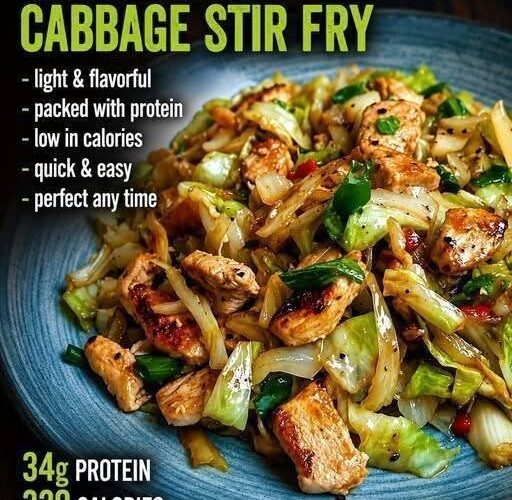
Garlic Chicken Cabbage Stir-Fry: A Very Detailed Recipe
Garlic Chicken Cabbage Stir-Fry is a delicious, protein-rich, flavorful, and satisfying meal made with tender pieces of chicken, fresh cabbage, fragrant garlic, green onions, and a savory sauce. It is an excellent choice for lunch or dinner when you want something homemade that tastes wonderful without requiring complicated cooking techniques or expensive ingredients.
This recipe combines juicy, golden-brown chicken with lightly cooked cabbage that remains tender while retaining a pleasant crunch. Fresh garlic gives the dish its signature aroma, while black pepper, soy sauce, paprika, and a touch of sweetness create a balanced flavor that complements both the chicken and the vegetables.
One of the best things about garlic chicken cabbage stir-fry is its versatility. You can serve it on its own for a light meal, pair it with steamed rice for a more substantial dinner, or enjoy it with noodles, cauliflower rice, or another favorite side dish. It is also convenient for meal preparation because the ingredients are easy to find, the cooking process is straightforward, and the finished dish can be stored for later meals.
The recipe is inspired by the dish shown in the picture, featuring browned chicken pieces, glossy cabbage, green onions, and a rich garlic-seasoned coating. The quantities below make approximately four servings. The calorie and protein values are estimates and will vary according to the exact ingredients and portion sizes used.
Recipe Overview
Preparation time: 15–20 minutes
Cooking time: 15–20 minutes
Total time: Approximately 35–40 minutes
Servings: 4
Cuisine style: Asian-inspired home cooking
Main ingredients: Chicken breast, cabbage, garlic, green onions, and soy sauce
Cooking method: Stovetop stir-frying
Difficulty level: Easy
Estimated calories: Approximately 250–350 calories per serving, depending on the amount of oil and sauce used
Estimated protein: Approximately 30–40 grams per serving when prepared with a generous portion of chicken breast
Ingredients for Garlic Chicken Cabbage Stir-Fry
For the chicken
You will need 600 grams of boneless, skinless chicken breast or boneless chicken thighs. Chicken breast is an excellent choice when you prefer a leaner meal with plenty of protein. Chicken thighs provide a slightly richer flavor and can remain especially juicy when cooked correctly.
Cut the chicken into bite-sized pieces of approximately equal size. Keeping the pieces similar in size helps them cook evenly and makes the finished dish easier to eat.
Use four to six cloves of fresh garlic, finely minced. Garlic is the central flavor of this recipe, so freshly minced garlic is recommended instead of garlic powder alone. If you particularly enjoy a strong garlic flavor, you can use additional cloves.
Add one tablespoon of low-sodium soy sauce to season the chicken. This contributes saltiness, savory flavor, and a deeper color as the chicken browns.
Add one teaspoon of paprika for warmth and a beautiful reddish-golden color. Sweet paprika works well, but smoked paprika can be used if you enjoy a subtle smoky flavor.
Add half a teaspoon of freshly ground black pepper. Black pepper complements the garlic and chicken without overpowering the vegetables.
Add half a teaspoon of salt, adjusting the quantity according to the saltiness of your soy sauce. Because soy sauce already contains sodium, it is better to begin with less salt and adjust after cooking.
Add one teaspoon of cornstarch if you prefer chicken pieces with a lightly coated, tender exterior. This ingredient is optional, but it helps the seasonings adhere to the chicken and can improve the texture.
Add one tablespoon of neutral cooking oil for searing the chicken. Avocado oil, canola oil, sunflower oil, or another suitable cooking oil can be used.
For the cabbage and vegetables
Prepare approximately 500–600 grams of fresh green cabbage. Remove any damaged outer leaves, wash the cabbage, and cut it into thin strips. Thinly sliced cabbage cooks quickly and absorbs the garlic sauce beautifully.
Use one medium onion, thinly sliced. Onion adds natural sweetness and creates a flavorful base for the stir-fry.
Prepare four green onions, sliced into small pieces. Separate the white portions from the green portions because they can be added at different stages of cooking. The white portions provide a deeper onion flavor, while the green tops bring freshness and color.
Use one medium carrot, cut into thin matchsticks, if you want additional color, sweetness, and texture. Carrot is optional, but it pairs particularly well with cabbage.
Add one small red bell pepper, thinly sliced, if desired. It contributes a mild sweetness and makes the dish more colorful.
Use one teaspoon of freshly grated ginger if you enjoy a gentle, warming flavor. Ginger is optional, but it works wonderfully with garlic and soy sauce.
Add one teaspoon of cooking oil for the vegetables if needed. The amount depends on your pan, the oil remaining after cooking the chicken, and your preferred texture.
For the garlic stir-fry sauce
Prepare two tablespoons of low-sodium soy sauce. This provides the primary savory flavor and gives the ingredients a glossy coating.
Add one tablespoon of oyster sauce for a deeper, slightly sweet, savory taste. If you prefer a vegetarian sauce or do not have oyster sauce, you can omit it or substitute a suitable vegetarian mushroom-based sauce.
Add one tablespoon of water or low-sodium chicken broth. This helps distribute the seasonings without making the dish excessively salty.
Add one teaspoon of rice vinegar or fresh lemon juice. The small amount of acidity balances the savory sauce and brightens the overall flavor.
Add half a teaspoon of honey or brown sugar if you like a mild sweetness. This is optional, and the recipe can be prepared without added sugar.
Add one-quarter teaspoon of red chili flakes if you enjoy a little heat. You can leave them out for a milder dish.
Add one teaspoon of toasted sesame oil at the end of cooking if you enjoy its distinctive aroma. Sesame oil has a strong flavor, so a small amount is usually sufficient. Omit it if you prefer a simpler garlic flavor or need to avoid sesame.
For a slightly thicker sauce, mix one teaspoon of cornstarch with one tablespoon of cold water in a separate small bowl. This optional mixture can be added near the end of cooking.
Choosing the Best Chicken
The chicken is the main protein source, so choosing and preparing it properly makes a noticeable difference to the finished dish.
Chicken breast is ideal if you prefer lean meat with a mild flavor. It cooks quickly and works especially well when cut into small, even pieces. However, chicken breast can become dry if it is cooked for too long, so it is important to remove it from the pan once it is fully cooked.
Boneless chicken thighs are another excellent option. They contain somewhat more fat than chicken breast, which contributes to a richer flavor and a tender texture. They can be particularly forgiving for beginners because they are less likely to become dry during brief overcooking.
Fresh or properly thawed chicken is easiest to cut evenly. If the chicken is slippery, pat it dry with paper towels before cutting. Removing excess surface moisture encourages browning instead of steaming.
Use a separate cutting board and utensils for raw chicken, and wash your hands and any surfaces that come into contact with it. Do not wash raw chicken under running water because splashing can spread bacteria around the kitchen.
Preparing the Garlic and Vegetables
Good preparation is one of the secrets to a successful stir-fry. Stir-frying usually takes place over relatively high heat, which means the ingredients should be ready before cooking begins.
First, remove the outer leaves of the cabbage if they are damaged or wilted. Cut the cabbage into quarters, remove the firm central core, and slice the remaining leaves into thin strips.
Wash the cabbage thoroughly and allow it to drain. If the cabbage is excessively wet, it may release too much moisture into the pan and prevent the vegetables from developing the slightly browned edges that make stir-fried cabbage so appealing.
Next, peel the onion and cut it into thin slices. The onion should be thin enough to soften quickly but thick enough to retain some texture.
Wash the carrot, peel it if necessary, and cut it into thin matchsticks. Alternatively, use a grater if you prefer smaller pieces that blend more closely with the cabbage.
Slice the bell pepper into narrow strips, removing the seeds and inner white membrane.
Peel the garlic cloves and mince them finely. You can also grate the garlic, but finely chopped garlic is often easier to control during cooking because it does not disappear into the sauce as quickly.
If using ginger, peel and grate it just before cooking. Fresh ginger has a bright, fragrant flavor that complements the garlic without requiring a large quantity.
Finally, slice the green onions and separate the white sections from the green tops. Keep the vegetables in separate bowls so you can add them in the correct order.
Preparing the Chicken Marinade
Place the cut chicken in a medium-sized bowl.
Add one tablespoon of soy sauce, the paprika, black pepper, the measured salt, and one teaspoon of cornstarch if you are using it.
Add approximately half of the minced garlic, reserving the remainder for the stir-fry sauce and vegetables.
Mix thoroughly until the chicken pieces are evenly coated. Allow the chicken to rest for 10–15 minutes while you prepare the sauce and finish cutting the vegetables.
This short resting period gives the seasonings time to coat the surface of the chicken. You do not need to marinate it for several hours because the chicken pieces are small and will be cooked with a flavorful sauce.
Avoid leaving raw chicken at room temperature for an extended period. If you need to prepare it well in advance, cover it and refrigerate it until you are ready to cook.
Mixing the Garlic Sauce
Take a small bowl and add the remaining soy sauce, oyster sauce, water or chicken broth, rice vinegar, and honey or brown sugar if desired.
Add the red chili flakes if you prefer a spicy version.
Stir until the ingredients are evenly combined. If you plan to thicken the sauce, keep the cornstarch slurry in a separate bowl until the final cooking stage.
Taste a small amount of the uncooked sauce with a clean spoon, if appropriate, and consider whether you prefer more acidity, sweetness, or heat. Remember that the sauce will be concentrated slightly as it cooks, and the cabbage will absorb some of its flavor.
If the sauce tastes too salty, add a little more water. If it seems too sharp, a small amount of honey can soften the flavor. If you enjoy a stronger garlic taste, reserve a little extra minced garlic to add during the last minute of cooking.
Step-by-Step Cooking Instructions
Step 1: Heat the pan properly
Choose a large frying pan, wok, or wide skillet. A wide cooking surface is especially helpful because it allows the chicken and vegetables to brown instead of releasing too much moisture in a crowded pan.
Place the pan over medium-high heat and allow it to warm for a short time.
Add one tablespoon of cooking oil and swirl it around to coat the bottom.
The oil should become fluid and shimmer slightly, but it should not smoke heavily. If the pan begins smoking excessively, reduce the heat before adding the ingredients.
A properly heated pan helps the chicken develop golden-brown edges and creates a more flavorful base for the stir-fry.
Step 2: Brown the chicken
Add the seasoned chicken pieces to the hot pan in a single layer. If your pan is small, cook the chicken in two batches rather than crowding everything together.
Allow the pieces to cook undisturbed for approximately two minutes. This gives the undersides time to develop a golden-brown surface.
Turn the chicken pieces and continue cooking for another three to five minutes, depending on their size and thickness.
Stir occasionally to ensure even cooking, but avoid moving the chicken constantly because frequent stirring can prevent browning.
The chicken should become lightly caramelized on the outside while remaining tender inside. The exact cooking time depends on the size of the pieces and the type of pan you are using.
Chicken must reach an internal temperature of 165°F or 74°C at its thickest point to be considered safely cooked. A food thermometer is the most reliable way to check.
Once cooked, transfer the chicken to a clean plate. Keep it separate from any plate or utensils that held raw chicken.
Do not worry if small browned bits remain on the bottom of the pan. Those bits contain concentrated flavor and will help season the vegetables.
Step 3: Cook the onion
If the pan is dry, add a small amount of additional oil.
Add the sliced onion and the white portions of the green onions.
Stir-fry for approximately two minutes, allowing the onion to soften and become slightly translucent.
The onion should smell sweet and fragrant without becoming dark or burnt.
If you are using ginger, add it during the final 30 seconds of this stage. Stir continuously so that the ginger releases its aroma without sticking to the pan.
Step 4: Add the remaining garlic
Add the reserved minced garlic to the pan.
Stir for approximately 20–30 seconds, or just until fragrant.
Garlic burns quickly, particularly in a hot pan, so it is important not to leave it unattended. Burnt garlic can taste bitter and may spoil the flavor of the entire dish.
If your pan is extremely hot, lower the heat slightly before adding the garlic.
At this stage, the kitchen should begin to smell strongly of garlic, onion, and ginger. This aromatic mixture forms the foundation of the recipe.
Step 5: Add the carrot and bell pepper
If using carrot and bell pepper, add them to the pan now.
Stir-fry for two to three minutes, tossing the vegetables regularly.
The carrot should begin to soften around the edges while retaining a little firmness in the center. The bell pepper should become glossy and slightly tender without losing all its texture.
If you like softer vegetables, cook them for another minute. If you prefer a crisp stir-fry, keep this stage brief.
Step 6: Add the cabbage
Add the sliced cabbage in two or three handfuls if necessary.
At first, the cabbage may appear to fill the entire pan. Do not worry because it will shrink as it heats and releases some moisture.
Use tongs or a spatula to lift and turn the cabbage, bringing the pieces from the bottom of the pan toward the top.
Continue stir-frying for approximately four to six minutes. The cooking time depends on how thinly the cabbage has been sliced and how tender you prefer it.
For a crisp-tender texture, stop cooking when the cabbage has softened slightly but still offers some resistance when bitten.
For softer cabbage, cook for another two or three minutes.
Avoid adding too much water at this stage. The cabbage naturally releases moisture, and excessive liquid can turn the dish into a steamed vegetable mixture instead of a proper stir-fry.
If your pan is small and the cabbage releases a great deal of liquid, increase the heat slightly while stirring carefully, provided the ingredients are not burning.
Step 7: Return the chicken to the pan
Once the cabbage has softened to your liking, return the cooked chicken to the pan.
Stir the chicken and vegetables together until the chicken is distributed evenly throughout the cabbage.
Allow everything to heat for approximately one minute.
This step lets the flavors combine and helps the chicken absorb some of the garlic and vegetable aromas.
If the chicken has cooled significantly while resting, make sure it becomes thoroughly hot again before serving.
Step 8: Add the prepared sauce
Pour the garlic stir-fry sauce around the ingredients in the pan.
Stir immediately so the sauce coats the chicken and vegetables evenly.
Let the mixture cook for one to two minutes, stirring frequently.
The soy sauce provides savory depth, the oyster sauce adds richness, and the vinegar brightens the overall flavor. The small amount of honey, if used, helps balance the saltiness.
As the sauce heats, it should become glossy and cling lightly to the chicken and cabbage.
If the mixture looks too dry, add one tablespoon of water or broth at a time. Avoid adding too much liquid at once because the aim is to coat the ingredients rather than submerge them.
If the mixture appears too wet, allow it to cook briefly over medium-high heat while stirring until some of the excess moisture evaporates.
Step 9: Thicken the sauce if desired
If you prefer a slightly thicker, restaurant-style coating, stir the prepared cornstarch slurry again because cornstarch settles quickly.
Pour a small amount into the pan while stirring continuously.
Allow the sauce to simmer gently for 30–60 seconds. It should gradually become thicker and shinier.
Add more slurry only if necessary. Too much cornstarch can create a sticky texture that overwhelms the vegetables.
For a lighter dish with a thin garlic coating, you can skip this step entirely.
Step 10: Finish with green onions and sesame oil
Add the green portions of the sliced green onions.
Stir for approximately 20–30 seconds, allowing their fresh aroma to blend with the sauce.
If desired, turn off the heat and add one teaspoon of toasted sesame oil.
Mix gently so the sesame oil coats the ingredients without overpowering the garlic.
Taste the finished stir-fry and adjust the seasoning. Add a little black pepper for extra warmth, a small splash of lemon juice for brightness, or a pinch of chili flakes for additional heat.
Add extra salt only if necessary because the soy sauce and oyster sauce already contribute considerable seasoning.
Step 11: Rest briefly and serve
Turn off the heat and let the stir-fry rest for approximately one minute.
Transfer it to a serving dish or individual plates.
The finished dish should contain tender chicken pieces with golden edges, glossy cabbage, softened onions, colorful vegetables, and a fragrant garlic sauce.
Serve immediately while the chicken is juicy and the cabbage still has some texture.
How to Make the Chicken Extra Tender
Tender chicken is one of the most important features of a successful stir-fry.
First, cut the chicken across the grain when the direction of the muscle fibers is visible. Cutting across the fibers shortens them, making the chicken easier to chew.
Second, keep the pieces approximately the same size. Very small pieces cook quickly, while large pieces need more time. Mixing different sizes can result in some pieces becoming dry before the larger ones are cooked.
Third, do not overcrowd the pan. When too much chicken is added at once, the temperature drops and moisture accumulates. The chicken then steams rather than browns.
Fourth, avoid cooking the chicken for longer than necessary. Use a food thermometer to confirm that the thickest pieces reach 165°F or 74°C.
Finally, consider the optional cornstarch coating. A small amount creates a delicate surface that helps the sauce cling to the chicken and can improve the texture.
How to Keep the Cabbage Crisp and Flavorful
Cabbage can become watery or overly soft if it is cooked incorrectly, but a few simple techniques help preserve its texture.
Start by drying the cabbage after washing it. Excess water can interfere with browning and dilute the sauce.
Slice the cabbage into thin, reasonably uniform strips. Extremely thick pieces take longer to soften, while very thin pieces can lose their texture quickly.
Cook the cabbage over medium-high heat and stir frequently enough to prevent burning.
Avoid covering the pan during the main stir-frying stage. A lid traps steam, which can soften the cabbage more quickly and produce a wetter result.
Do not add all the sauce too early. Cooking the vegetables first helps them develop flavor before they become coated in liquid.
Most importantly, stop cooking when the cabbage reaches your preferred texture. It will continue softening slightly from residual heat after the pan is removed from the stove.
The Secret to a Strong Garlic Flavor
Fresh garlic is the defining ingredient of this recipe, but how you add it matters.
Adding some garlic to the chicken marinade allows its flavor to season the meat. Adding another portion to the hot pan after the onion creates the fragrant base that gives the dish its characteristic aroma.
If you enjoy a particularly strong garlic taste, you can reserve a small amount of freshly minced garlic and stir it in during the final 30–60 seconds of cooking. Cook it briefly so it loses its raw edge without burning.
Garlic powder can be used when fresh garlic is unavailable, but the flavor will be different. If substituting garlic powder, begin with a small quantity and adjust according to taste.
Avoid adding large quantities of raw garlic at the very end because uncooked garlic can have a harsh, sharp flavor. Brief cooking helps integrate the flavor more smoothly.
Delicious Variations
Spicy Garlic Chicken Cabbage Stir-Fry
For a spicy version, add red chili flakes, finely chopped fresh chili, or a small amount of chili paste to the sauce.
Begin with a modest quantity and increase it gradually until the heat suits your preference.
The chili should complement the garlic and chicken rather than overwhelm them. A little honey or additional cabbage can help balance the flavor if the sauce becomes too spicy.
Lemon Garlic Chicken Cabbage Stir-Fry
For a brighter flavor, replace the rice vinegar with fresh lemon juice.
Add a little lemon zest at the end of cooking if you enjoy a more pronounced citrus aroma.
This variation is particularly refreshing when served with rice or a simple side salad.
Avoid adding too much lemon juice at once because excessive acidity can dominate the other flavors.
Ginger Garlic Chicken Cabbage Stir-Fry
Add one to two teaspoons of freshly grated ginger along with the garlic.
Ginger creates a warm, aromatic flavor that works beautifully with chicken, cabbage, and soy sauce.
You can also add a little extra green onion for freshness.
This version is ideal for anyone who enjoys the familiar combination of ginger and garlic in Asian-inspired cooking.
Mushroom Garlic Chicken Cabbage Stir-Fry
Add approximately 150–200 grams of sliced mushrooms.
Cook the mushrooms after browning the chicken and before adding the cabbage. Allow their moisture to evaporate so they develop a deeper flavor.
Button mushrooms, cremini mushrooms, and shiitake mushrooms can all work well.
Mushrooms add a savory taste and make the dish more substantial without requiring a complicated sauce.
Broccoli Garlic Chicken Cabbage Stir-Fry
Add one cup of small broccoli florets.
Because broccoli takes longer to become tender than thinly sliced cabbage, briefly steam or blanch it beforehand, or add it to the pan before the cabbage.
Cook until the broccoli is tender but still slightly firm.
The combination of broccoli, cabbage, and chicken creates a colorful meal with a variety of textures.
Low-Sodium Garlic Chicken Cabbage Stir-Fry
If you need to reduce sodium, use reduced-sodium soy sauce, omit the additional salt, and leave out the oyster sauce or choose a lower-sodium alternative.
Increase the flavor with fresh garlic, ginger, black pepper, lemon juice, and green onions.
You can also add mushrooms, bell pepper, and carrot to create more natural flavor without relying heavily on salt.
People who need a medically prescribed sodium restriction should follow the guidance provided by their healthcare professional.
Garlic Chicken Cabbage Stir-Fry Without Added Sugar
Simply omit the honey or brown sugar.
The onions and cabbage provide a mild natural sweetness, and the garlic creates enough flavor that added sugar is not essential.
Taste the sauce before serving and adjust the vinegar, garlic, and pepper as needed.
Gluten-Free Garlic Chicken Cabbage Stir-Fry
Use a certified gluten-free soy sauce alternative, such as tamari labeled gluten-free, and check the labels of every sauce you add.
Oyster sauce and other prepared condiments can contain ingredients that are unsuitable for people avoiding gluten.
Cornstarch is naturally gluten-free, but check packaging and preparation conditions if cross-contact is a concern.
Extra-Vegetable Garlic Chicken Stir-Fry
Increase the amount of cabbage and add vegetables such as zucchini, snap peas, mushrooms, broccoli, or bell pepper.
For best results, add firmer vegetables first and delicate vegetables later.
Avoid filling the pan so completely that the ingredients cannot be stirred. If necessary, cook the vegetables in batches.
What to Serve with Garlic Chicken Cabbage Stir-Fry
This dish is versatile enough to serve in several different ways.
Steamed white rice is a classic accompaniment. Its mild flavor balances the savory garlic sauce, and it absorbs any sauce remaining on the plate.
Brown rice provides a nuttier flavor and a slightly chewier texture.
Rice noodles or wheat noodles can turn the stir-fry into a noodle-based meal. Cook the noodles separately according to the package instructions, drain them, and toss them with the chicken and vegetables during the final stage.
Cauliflower rice is another option if you prefer a vegetable-based accompaniment.
You can also serve the stir-fry with whole-wheat flatbread or another bread you enjoy, although rice and noodles complement the sauce more traditionally.
For a simple meal, serve the chicken and cabbage on their own with a side of fresh cucumber, sliced tomatoes, or another vegetable salad.
If you want to make the meal more substantial, add a bowl of soup or a small serving of edamame, provided these ingredients suit your dietary needs.
Meal Preparation and Storage
Garlic chicken cabbage stir-fry can be prepared ahead of time, making it useful for busy school days, work lunches, and quick dinners.
Allow the cooked food to cool slightly, then place it in shallow, airtight containers and refrigerate it promptly. Do not leave cooked chicken at room temperature for more than two hours, or more than one hour when the surrounding temperature is above 90°F or 32°C.
Refrigerate leftovers at 40°F or 4°C or below and use them within three to four days.
For the best texture, store the stir-fry separately from rice or noodles when possible. This prevents the vegetables from becoming unnecessarily soft as they sit in the sauce.
To reheat, place a portion in a frying pan over medium heat. Add one or two teaspoons of water if the sauce has thickened too much.
Stir gently until the entire portion is thoroughly hot. Leftovers should reach 165°F or 74°C when reheated.
You can also reheat an individual serving in a microwave-safe container. Cover it loosely, stir halfway through heating, and ensure that the food is steaming hot throughout.
Avoid repeatedly cooling and reheating the same batch. Reheat only the portion you intend to eat.
Freezing is possible, although the cabbage may become softer after thawing. If freezing, use a suitable airtight container and thaw the food safely in the refrigerator before reheating.
Estimated Nutrition Information
The nutritional content depends on the ingredients, brands, serving sizes, and amount of oil used. The following figures are illustrative estimates for one-quarter of the recipe made with chicken breast, cabbage, a modest amount of oil, and the sauce ingredients described above.
Calories: Approximately 250–350
Protein: Approximately 30–40 grams
Carbohydrates: Approximately 12–20 grams
Fat: Approximately 7–14 grams
Fiber: Approximately 3–5 grams
These values are not laboratory measurements. Adding rice, noodles, extra oil, additional sugar, or larger portions will change the nutritional totals.
The chicken supplies most of the protein, while the cabbage and other vegetables contribute fiber and various vitamins and minerals. Oil and sauces contribute additional calories and, depending on the ingredients, sodium.
Although this recipe can fit into a balanced eating pattern, no single meal provides every nutrient the body needs. Serving it with an appropriate portion of rice, another grain, or additional vegetables can help create a satisfying meal.
Common Mistakes to Avoid
Cooking the chicken and vegetables together from the beginning
Chicken generally needs a different cooking time from thinly sliced cabbage. Adding everything to the pan simultaneously can leave the chicken undercooked while the cabbage becomes too soft.
Brown the chicken first, remove it, and then cook the vegetables before combining everything again.
Using a pan that is too small
A crowded pan traps moisture and prevents the ingredients from browning properly.
Use a large skillet or wok, or cook the ingredients in batches if necessary.
Adding too much sauce
Excess sauce can make the cabbage watery and overwhelm the natural flavors of the ingredients.
Start with the recommended quantity and add a little extra water or broth only when necessary.
Burning the garlic
Garlic can become bitter when exposed to intense heat for too long.
Add it after the onion has begun softening and stir continuously for a short period.
Overcooking the cabbage
Cabbage becomes softer as it cooks and continues softening slightly after the heat is turned off.
For the best texture, check it regularly and remove the pan from the heat when the cabbage reaches your preferred tenderness.
Adding too much salt
Soy sauce and oyster sauce already contain salt. Adding a full quantity of extra salt without tasting the dish can make the finished stir-fry overly salty.
Season gradually and make the final adjustment just before serving.
Using cold, wet chicken
Excess surface moisture can interfere with browning.
Pat the chicken dry before seasoning it, and allow excess marinade to drain away before adding it to the pan.
Frequently Asked Questions
Can I make garlic chicken cabbage stir-fry without oyster sauce?
Yes. Oyster sauce is optional. You can omit it and add a little extra soy sauce, water, or broth. A suitable mushroom-based vegetarian sauce can provide a similar savory depth.
Can I use red cabbage instead of green cabbage?
Yes. Red cabbage works well, although it has a somewhat different texture and flavor. It may also change the color of the sauce and other ingredients. You can use a mixture of green and red cabbage for a colorful variation.
Can I use frozen cabbage?
Fresh cabbage usually provides the best texture. Frozen cabbage tends to release more water and may become softer during cooking. If using frozen cabbage, thaw it first and remove as much excess moisture as possible before adding it to the pan.
How do I know when the chicken is cooked?
The most reliable method is to use a food thermometer. Insert it into the thickest chicken piece and confirm that it reaches 165°F or 74°C. Do not rely only on the outside color because browned chicken can still be undercooked inside.
Can I prepare the sauce in advance?
Yes. Mix the sauce ingredients in a covered container and refrigerate them until needed. Stir the sauce before pouring it into the pan, especially if you have added cornstarch separately.
Can I make this recipe without cornstarch?
Absolutely. Cornstarch is optional. The sauce will be thinner, but the dish will still taste delicious. Allowing some of the liquid to evaporate in the pan will help the sauce coat the ingredients.
Why is my cabbage releasing so much water?
Cabbage naturally contains a large amount of water. Excess moisture on the leaves, an overcrowded pan, and low cooking temperatures can all increase the amount of liquid in the finished dish.
Dry the cabbage, use a wide pan, and cook in batches when necessary.
Can I make the dish ahead for lunch?
Yes. Divide the cooked stir-fry into individual airtight containers, refrigerate promptly, and reheat thoroughly before eating. For the best texture, prepare rice or noodles separately.
Can I make the recipe vegetarian?
Yes, although the result will no longer be chicken stir-fry. Replace the chicken with firm tofu, tempeh, or additional mushrooms, and use vegetarian sauces. Cook the replacement ingredients according to their individual requirements before combining them with the cabbage.
Is this recipe suitable for a quick dinner?
Yes. Once the ingredients are cut and the sauce is mixed, the actual cooking process generally takes about 15–20 minutes. Preparing the vegetables in advance can make the meal even quicker to assemble.
Final Serving Suggestions
For the most attractive presentation, serve the stir-fry in a wide bowl or on a large plate. Arrange the chicken pieces throughout the cabbage instead of allowing all the chicken to settle at the bottom.
Scatter sliced green onions over the top and add a small amount of freshly ground black pepper. If you enjoy a little heat, finish with a light sprinkle of chili flakes.
A few drops of lemon juice can brighten the flavors immediately before serving. If you have used sesame oil, avoid adding too much extra seasoning because the sesame aroma is already quite distinctive.
Serve the dish hot, with steamed rice or your favorite side. The combination of golden chicken, tender cabbage, fragrant garlic, and glossy sauce makes it suitable for a simple family dinner or a meal prepared in advance for the week.
Complete Recipe Summary
To prepare garlic chicken cabbage stir-fry, cut 600 grams of chicken breast into bite-sized pieces and season it with one tablespoon of soy sauce, paprika, black pepper, a little salt, minced garlic, and optional cornstarch. Slice 500–600 grams of cabbage, one onion, four green onions, and any additional vegetables you want to include.
Mix two tablespoons of soy sauce with one tablespoon of oyster sauce, one tablespoon of water or broth, one teaspoon of vinegar, and optional honey or chili flakes.
Heat one tablespoon of oil in a large pan and brown the chicken until it reaches a safe internal temperature of 165°F or 74°C. Remove the chicken and cook the onion and white portions of the green onions. Add the remaining garlic, followed by any carrots, bell peppers, or other firm vegetables.
Add the cabbage and stir-fry until it reaches your preferred texture. Return the chicken to the pan, pour in the prepared sauce, and stir everything together for one to two minutes. Thicken the sauce with an optional cornstarch slurry, then finish with green onions and a little sesame oil if desired.
Serve immediately while the chicken is juicy, the garlic is fragrant, and the cabbage is tender with a slight crunch.
The result is a simple, delicious, garlic-forward chicken and cabbage stir-fry that combines protein, vegetables, and satisfying savory flavor in one pan.