admin1
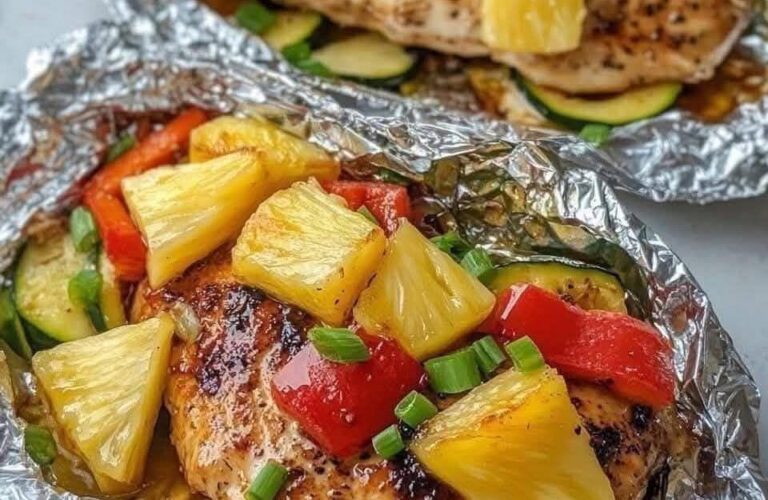
Homemade Chicken Teriyaki Pineapple: A Very Detailed Recipe
Homemade Chicken Teriyaki Pineapple is a delicious combination of tender chicken, sweet and juicy pineapple, colorful vegetables, and a rich homemade teriyaki sauce. This recipe brings together sweet, savory, tangy, and slightly smoky flavors in one satisfying meal. The chicken absorbs the flavorful sauce as it cooks, while the pineapple adds natural sweetness and a refreshing tropical taste.
This dish is perfect for family dinners, weekend lunches, meal preparation, or a special homemade meal when you want something that tastes like restaurant-style teriyaki chicken without needing to visit a restaurant. It can be served over steamed rice, alongside noodles, or with fresh vegetables.
The best part about making chicken teriyaki pineapple at home is that you can control the ingredients, adjust the sweetness, add your favorite vegetables, and prepare a sauce that perfectly suits your taste. Instead of relying on bottled teriyaki sauce, this recipe uses a simple homemade mixture of soy sauce, pineapple juice, garlic, ginger, honey, and a few other ingredients to create a glossy coating that clings beautifully to every piece of chicken.
Recipe Overview
Preparation time: 25 minutes
Marinating time: 20–30 minutes, optional
Cooking time: 25–30 minutes
Total time: Approximately 50–85 minutes, depending on marinating time
Servings: 4 people
Cuisine: Japanese-inspired, with a tropical pineapple twist
Cooking method: Stovetop skillet or frying pan
Difficulty level: Easy to moderate
Main ingredients: Chicken, pineapple, soy sauce, garlic, ginger, honey, and pineapple juice
Serving suggestions: Steamed rice, fried rice, noodles, or sautéed vegetables
Ingredients for Homemade Chicken Teriyaki Pineapple
For the chicken
You will need approximately 700 grams of boneless, skinless chicken thighs or chicken breasts. Chicken thighs are particularly suitable because they remain juicy and tender during cooking and have a rich flavor that works beautifully with the sweet teriyaki sauce. Chicken breasts are also an excellent choice if you prefer a milder flavor and leaner texture.
Cut the chicken into bite-sized cubes, approximately 2.5 to 3 centimeters in size. Try to keep the pieces similar in size so that they cook evenly.
Add 1 tablespoon of cooking oil to help brown the chicken and prevent it from sticking to the pan.
Use ¼ teaspoon of black pepper to give the chicken a gentle warmth. You can increase the amount slightly if you enjoy a more peppery flavor.
Add ¼ teaspoon of salt, adjusting carefully because soy sauce already contains salt.
For additional flavor, use ½ teaspoon of garlic powder if desired, although fresh garlic in the sauce provides most of the garlic flavor.
For the homemade teriyaki sauce
Use ½ cup of soy sauce, preferably regular or reduced-sodium soy sauce. This creates the savory foundation of the teriyaki sauce and provides its characteristic deep color.
Add ⅓ cup of pineapple juice. You can use juice from canned pineapple or fresh pineapple juice. This ingredient connects the sauce to the pineapple pieces while adding fruity sweetness and a pleasant tang.
Use 3 tablespoons of honey or brown sugar. Honey gives the sauce a smooth sweetness, while brown sugar creates a deeper caramel-like flavor. If you prefer a sweeter restaurant-style sauce, you can increase the sweetener slightly.
Add 2 tablespoons of rice vinegar. This provides acidity and balances the sweetness of the pineapple and honey. If rice vinegar is unavailable, use a smaller amount of ordinary white vinegar and adjust to taste.
Add 1 tablespoon of sesame oil for a nutty aroma. Sesame oil is flavorful, so a little is enough.
Use 3 cloves of fresh garlic, finely minced. Fresh garlic gives the sauce a warm, savory flavor that develops as it cooks.
Add 1 tablespoon of freshly grated ginger. Ginger contributes a bright, slightly spicy flavor that complements both the chicken and pineapple.
Use 1 tablespoon of water if you want a milder sauce or need to adjust its consistency.
For a slightly spicy version, add ¼ teaspoon of crushed red pepper flakes. This ingredient is optional and can be omitted for a completely mild dish.
For thickening the sauce
Prepare 1 tablespoon of cornstarch and 2 tablespoons of cold water.
Mix these ingredients together in a small bowl until the cornstarch dissolves completely. This mixture is called a cornstarch slurry. It helps transform the thin sauce into a glossy coating that clings to the chicken and pineapple.
Always mix cornstarch with cold water before adding it to a hot pan. Adding dry cornstarch directly to hot sauce can create lumps.
For the pineapple
Use 2 cups of fresh or canned pineapple chunks.
Fresh pineapple provides a bright, juicy flavor and a slightly firmer texture. Canned pineapple is convenient and often has a consistent sweetness. If you use canned pineapple packed in juice, reserve some of the juice for the teriyaki sauce.
Cut fresh pineapple into bite-sized chunks. If using canned pineapple, drain the pieces well so that they do not introduce too much liquid into the pan.
For a more caramelized flavor, reserve a few extra pineapple chunks to brown separately before combining them with the chicken.
For the vegetables
Use 1 medium red bell pepper, cut into bite-sized squares. Its sweetness and color complement the pineapple beautifully.
Add 1 medium green bell pepper if you enjoy a slightly fresher, more pronounced pepper flavor.
Use 1 medium onion, sliced into thick strips. The onion becomes tender and sweet as it cooks and adds depth to the dish.
Add 1 medium carrot, thinly sliced, for additional color and a little natural sweetness.
Use 1 cup of broccoli florets if you want to include a green vegetable with a pleasant texture.
You can also add sliced mushrooms, zucchini, or snow peas, depending on what you have available.
For garnishing
Prepare 1 tablespoon of sesame seeds, either white or black.
Use 2 tablespoons of finely sliced spring onions.
Add a little freshly ground black pepper just before serving if desired.
Serve the finished chicken with steamed white rice, brown rice, or noodles.
Equipment You Will Need
A large frying pan, skillet, or wok is ideal for this recipe. A wide pan allows the chicken to brown properly instead of releasing moisture and steaming.
You will also need a sharp knife, a chopping board, a mixing bowl, a small bowl for the cornstarch slurry, a whisk or spoon for mixing the sauce, a spatula or wooden spoon, and measuring cups and spoons.
If you have a kitchen thermometer, it is useful for checking that the chicken has reached a safe internal temperature of 74°C (165°F).
Step 1: Prepare the Chicken Properly
Begin by preparing the chicken. If you are using frozen chicken, thaw it completely in the refrigerator before cooking. Pat the chicken dry with clean paper towels to remove excess surface moisture.
This step is important because dry chicken browns more effectively. If the chicken is too wet, it may release excess liquid into the pan and become pale rather than developing a golden exterior.
Place the chicken on a clean chopping board and cut it into evenly sized cubes. Smaller pieces cook more quickly, while larger pieces take longer to become tender.
Transfer the chicken to a bowl and season it with black pepper, a small amount of salt, and garlic powder if desired. Toss everything together until the seasoning is evenly distributed.
Avoid adding too much salt at this stage because the teriyaki sauce contains soy sauce, which is already salty.
If you have extra time, allow the seasoned chicken to rest in the refrigerator for approximately 15 minutes while you prepare the remaining ingredients.
Keep raw chicken separate from ready-to-eat foods, and wash your hands, utensils, and chopping board thoroughly after handling it.
Step 2: Make the Homemade Teriyaki Sauce
The homemade sauce is the heart of this recipe. A good teriyaki-style sauce should have a balanced combination of savory soy sauce, sweetness, acidity, and aromatic ingredients.
In a medium mixing bowl, add the soy sauce, pineapple juice, honey or brown sugar, rice vinegar, sesame oil, minced garlic, and grated ginger.
Whisk the mixture until the honey or sugar is evenly incorporated.
Taste a small amount of the uncooked sauce if desired. It should taste savory, sweet, tangy, and strongly flavored rather than bland. Remember that the flavor will become more concentrated as the sauce reduces during cooking.
If the sauce tastes too salty, add a little more pineapple juice or water. If it tastes too sweet, add a small amount of rice vinegar. If you prefer a sweeter glaze, add a little extra honey.
For a more aromatic sauce, allow the garlic and ginger to sit in the mixture for about five minutes before cooking.
Set the sauce aside.
Do not add the cornstarch slurry yet. It is easier to control the thickness when the slurry is added toward the end of cooking.
Step 3: Prepare the Pineapple
If you are using fresh pineapple, remove the outer skin and the hard central core before cutting the fruit into chunks.
Try to make the pineapple pieces similar in size to the chicken cubes. This makes the finished dish easier to eat and ensures that the pineapple warms through without becoming excessively soft.
If you are using canned pineapple, drain the chunks and reserve a small amount of the juice for the sauce.
For an especially flavorful result, pat the pineapple pieces dry with a clean paper towel before browning them. Excess moisture can prevent the fruit from developing a golden surface.
Pineapple naturally contains sugars that can caramelize when exposed to a hot pan. Browning the pieces briefly adds a deeper flavor and gives the dish a more interesting texture.
However, pineapple does not need to be browned to taste delicious. If you prefer a softer, juicier result, you can add it directly to the sauce later.
Step 4: Prepare the Vegetables
Wash the bell peppers, carrot, broccoli, onion, and any additional vegetables you plan to use.
Cut the red and green bell peppers into medium-sized squares. Slice the onion into strips, and cut the carrot into thin pieces so that it cooks at a similar rate to the other vegetables.
If you are using broccoli, divide it into small florets. Very large florets can remain too firm while the other ingredients become tender.
Try not to cut the vegetables too finely. Slightly larger pieces maintain their shape and create a pleasant contrast with the tender chicken.
Arrange the prepared vegetables in separate small piles or bowls. Having everything ready before you start cooking makes the process easier because the chicken and sauce can cook quickly once the pan is hot.
Step 5: Brown the Chicken
Place a large skillet or wok over medium-high heat and allow it to warm for a minute.
Add the cooking oil and swirl it around the pan.
Carefully add the seasoned chicken in a single layer. If your pan is small, cook the chicken in two batches rather than overcrowding it.
Allow the pieces to cook undisturbed for approximately two to three minutes so that the underside can develop a golden-brown surface.
Turn the pieces and continue cooking for another three to four minutes, stirring occasionally.
The chicken does not need to be fully cooked at this stage because it will continue cooking later in the sauce. The aim is to develop color and flavor while keeping the meat tender.
If the chicken releases too much liquid, increase the heat slightly and allow the excess moisture to evaporate. Avoid stirring continuously because this can prevent proper browning.
Once the chicken has developed a light golden color, transfer it to a clean plate.
If you cooked the chicken in batches, repeat the process with the remaining pieces.
Do not return the chicken to a plate or container that previously held raw chicken unless it has been washed thoroughly.
Step 6: Brown the Pineapple
Using the same skillet, add the pineapple chunks in a single layer. If the pan looks dry, add a very small amount of oil.
Cook the pineapple for approximately two to three minutes, turning the pieces occasionally.
The pineapple should develop a few golden-brown spots while remaining juicy inside.
As it heats, its natural sugars become more noticeable, and the fruit develops a slightly richer flavor. The browned edges complement the savory chicken and create a pleasant contrast with the teriyaki sauce.
Avoid cooking the pineapple for too long at this stage. Excessive cooking can make it too soft, particularly if you are using canned pineapple.
Transfer the pineapple to a separate plate and set it aside.
If you prefer very juicy pineapple, skip this step and add the fruit directly to the skillet later.
Step 7: Cook the Vegetables
Add the sliced onion and carrot to the same skillet. If necessary, add a small amount of oil.
Cook for approximately two minutes, stirring regularly.
Add the red and green bell peppers and continue cooking for another two to three minutes.
If you are using broccoli, add it now with one or two tablespoons of water. Cover the pan for approximately two minutes to help the broccoli soften slightly.
Remove the lid and allow any excess water to evaporate.
The vegetables should become tender while retaining some firmness. This texture is important because the vegetables will cook a little longer after the sauce is added.
Avoid cooking them until completely soft. Bell peppers, carrots, and broccoli provide a useful contrast to the tender chicken and juicy pineapple.
If you are adding mushrooms or zucchini, add them according to their cooking time. Mushrooms release moisture, while zucchini softens quickly, so neither should be cooked for too long.
Step 8: Add the Teriyaki Sauce
Reduce the heat to medium and pour the prepared teriyaki sauce into the skillet.
Stir gently, scraping the bottom of the pan with a wooden spoon or spatula to loosen any browned bits left from the chicken and vegetables.
These browned bits contain flavor and help make the sauce taste richer.
Allow the sauce to come to a gentle simmer for approximately two to three minutes.
As it heats, the garlic and ginger release their aroma, the pineapple juice blends with the soy sauce, and the sweetness begins to balance the savory ingredients.
Keep the sauce at a gentle simmer rather than allowing it to boil aggressively. Excessive heat can cause the sauce to reduce too quickly or the sugars to scorch.
Stir occasionally to ensure that the sauce heats evenly.
At this point, the sauce may still appear thin. This is normal because the cornstarch slurry will thicken it later.
Step 9: Return the Chicken to the Pan
Add the browned chicken back to the skillet along with any juices that have collected on the plate.
Stir gently so that the chicken is coated in the sauce.
Allow the mixture to simmer for approximately five to eight minutes, depending on the size of the chicken pieces and how thoroughly they cooked during the browning stage.
Stir occasionally to ensure that all the pieces are exposed to the hot sauce.
The chicken gradually absorbs the flavor of the soy sauce, pineapple juice, garlic, ginger, and sweetener. The sauce also begins to cling to the browned surfaces of the meat.
Check the thickest chicken pieces with a food thermometer if available. The internal temperature should reach 74°C (165°F) before serving.
If the chicken is not fully cooked, continue simmering it until it reaches that temperature. Add a splash of water or pineapple juice if the sauce becomes too thick before the chicken is done.
Step 10: Thicken the Teriyaki Sauce
Take the small bowl containing the cornstarch and cold water. Stir it again immediately before using it because cornstarch settles at the bottom.
Pour approximately half of the slurry into the simmering sauce while stirring continuously.
Allow the mixture to cook for about one minute.
You should notice the sauce beginning to thicken and become glossy.
If the sauce remains too thin, add a little more slurry, stirring after each addition. You may not need to use the entire mixture.
Avoid adding too much cornstarch at once. A sauce that is excessively thick can become sticky and heavy instead of forming a smooth glaze.
The ideal consistency is thick enough to coat the chicken and vegetables but still loose enough to flow gently from a spoon.
Remember that the sauce will thicken a little more as it cools.
If it becomes too thick, add a tablespoon of warm water or pineapple juice and stir until the desired consistency returns.
Step 11: Add the Pineapple and Finish Cooking
Return the browned pineapple chunks to the skillet.
Stir gently so that the fruit becomes coated in the glossy teriyaki sauce without breaking apart.
Cook everything together for approximately two to three minutes.
During this final stage, the pineapple warms through and releases a little of its sweet juice into the sauce. The fruit’s natural acidity balances the savory soy sauce, while its sweetness complements the caramelized chicken.
Taste the sauce and adjust the seasoning if necessary.
If you want a sweeter result, add a small amount of honey. If the sauce tastes too sweet, add a few drops of rice vinegar. If it tastes too concentrated, add a little water or pineapple juice.
If you enjoy spicy food, add a pinch of crushed red pepper flakes or a small amount of freshly ground black pepper.
Do not stir too vigorously because the pineapple may become soft and lose its shape.
Once the chicken is fully cooked, the vegetables are tender, and the sauce has reached a glossy consistency, remove the pan from the heat.
Your homemade chicken teriyaki pineapple is ready to serve.
Step 12: Garnish and Serve
Transfer the finished chicken, pineapple, vegetables, and sauce to a serving dish.
Sprinkle sesame seeds over the top for a light nutty flavor and an attractive finish.
Add finely sliced spring onions for freshness and a mild onion taste.
For an extra touch, place a few fresh pineapple pieces around the edge of the serving dish.
Serve immediately while the chicken is hot and the sauce is glossy.
Steamed rice is one of the best accompaniments because its mild flavor absorbs the teriyaki sauce without competing with the pineapple.
You can also serve the dish with noodles, fried rice, or a simple vegetable side.
How to Make Perfect Steamed Rice for Chicken Teriyaki Pineapple
Rice provides a soft, neutral base that balances the rich and sweet-savory sauce.
For four servings, measure 1½ cups of long-grain rice. Rinse it under cold water until the water becomes clearer. This removes excess surface starch and helps the cooked grains remain separate.
Place the rinsed rice in a saucepan with the amount of water recommended for your particular rice. As a general starting point, long-grain white rice often uses approximately 1½ to 2 cups of water for every 1½ cups of rice, depending on the variety and cooking method.
Bring the water to a boil, then reduce the heat to low and cover the saucepan.
Cook according to the rice variety’s instructions, usually around 12 to 18 minutes for many white rice varieties.
Once the rice is tender and the water has been absorbed, turn off the heat and let it rest, covered, for five minutes.
Fluff the rice gently with a fork before serving.
Spoon the chicken teriyaki pineapple over the rice, allowing a little of the sauce to run between the grains.
For a more colorful presentation, serve the rice in a shallow bowl and arrange the chicken, pineapple, and vegetables on top.
Tips for Making the Best Homemade Chicken Teriyaki Pineapple
Choose the right chicken
Chicken thighs are a good option if you want a juicy, tender result. Their slightly richer flavor pairs particularly well with pineapple and the sweet-savory sauce.
Chicken breasts are suitable if you prefer a milder flavor. Cut them into even pieces and avoid cooking them longer than necessary.
Whichever cut you choose, always cook the chicken until its thickest part reaches 74°C (165°F).
Avoid overcrowding the pan
One of the most important techniques in this recipe is giving the chicken enough space to brown.
If too many pieces are placed in the pan at once, the temperature drops and the chicken releases moisture. Instead of browning, the pieces may steam in their own liquid.
Use a large skillet or cook in batches if necessary.
Use pineapple juice carefully
Pineapple juice contributes sweetness, acidity, and a tropical flavor to the sauce. However, adding too much can make the finished dish excessively sweet or thin.
Start with the amount in the recipe, then adjust the sauce after it has simmered.
If you use sweetened canned pineapple, you may need less honey or brown sugar.
Balance the sweet and savory flavors
The best teriyaki-style sauce does not taste only sweet or only salty. It combines savory soy sauce, sweetness, acidity, and aromatic garlic and ginger.
If the sauce is too salty, dilute it with a little water or unsalted pineapple juice.
If it is too sweet, add a small amount of rice vinegar.
If it is too acidic, add a little honey or brown sugar.
Make small adjustments and taste between additions.
Add the cornstarch slurry gradually
A glossy sauce is one of the defining features of this dish.
However, the amount of thickener required depends on how much liquid remains in the pan. Start with half the slurry and add more only if necessary.
Always stir the slurry immediately before adding it, as the starch can settle at the bottom of the bowl.
Keep the pineapple slightly firm
Pineapple tastes best in this recipe when it remains juicy and holds its shape.
Add it toward the end of cooking rather than simmering it for the entire time.
If you prefer very soft pineapple, you can add it earlier, but check it frequently to prevent the pieces from breaking apart.
Use fresh aromatics
Fresh garlic and ginger give the sauce a fuller aroma than many dried seasonings.
Grate the ginger finely and mince the garlic so they distribute evenly throughout the sauce.
If fresh ginger is unavailable, a smaller amount of ground ginger can be used, although the flavor will be different.
Do not burn the sauce
The honey or brown sugar can caramelize quickly, especially in a very hot pan.
Once the sauce has been added, reduce the heat to a gentle simmer and stir regularly.
If the sauce starts sticking or becoming too dark, lower the heat and add a small amount of water.
Delicious Variations of Chicken Teriyaki Pineapple
Spicy Chicken Teriyaki Pineapple
If you enjoy a little heat, turn this recipe into a spicy version.
Add ¼ teaspoon of crushed red pepper flakes to the sauce, or use a small amount of chili sauce according to your taste.
For a stronger spicy flavor, add a little more after the sauce has simmered, tasting as you go.
The sweetness of the pineapple balances the heat, creating a flavorful combination without overpowering the chicken.
Honey Chicken Teriyaki Pineapple
For a honey-forward version, replace the brown sugar with honey.
Start with three tablespoons, then add a little more if needed.
Honey helps create a shiny glaze and gives the sauce a rounded sweetness. Because honey can brown quickly, keep the heat moderate once the sauce is added.
Garlic Chicken Teriyaki Pineapple
If you love garlic, increase the fresh garlic to four or five cloves.
Cook the garlic in the sauce rather than frying it for too long in the empty pan. Garlic can burn quickly and develop a bitter flavor.
This version works particularly well with chicken thighs, steamed rice, and sautéed bell peppers.
Ginger Chicken Teriyaki Pineapple
For a brighter, more aromatic result, increase the freshly grated ginger slightly.
Ginger complements the pineapple and balances the sweetness of the sauce.
This variation is especially enjoyable with broccoli, carrots, and green bell peppers.
Chicken Teriyaki Pineapple with Cashews
For extra texture, add approximately ½ cup of roasted cashews just before serving.
The cashews contribute a buttery, nutty crunch that contrasts with the tender chicken and juicy pineapple.
Add them at the end so they remain crisp.
Remember that cashews are a tree nut, so omit them if anyone eating the dish has a relevant allergy.
Chicken Teriyaki Pineapple with Broccoli
For a vegetable-rich version, use approximately two cups of broccoli florets.
Steam or sauté the broccoli until it is bright green and just tender before adding the sauce.
Broccoli absorbs the teriyaki glaze and provides a pleasant contrast to the sweetness of the pineapple.
You can also increase the carrots and bell peppers for a more colorful dish.
Chicken Teriyaki Pineapple with Mushrooms
Add one cup of sliced mushrooms after browning the chicken.
Cook the mushrooms until their moisture evaporates and their edges begin to brown.
Then continue with the sauce as directed.
Mushrooms contribute an earthy, savory flavor that balances the sweetness of the fruit.
Chicken Teriyaki Pineapple Noodles
Instead of serving the chicken over rice, combine it with cooked noodles.
Prepare approximately 250–300 grams of noodles according to the package instructions.
Drain the noodles well and add them to the skillet after the chicken and pineapple are fully cooked.
Toss everything gently until the noodles are coated in the sauce.
If the sauce becomes too thick, add a little water to help it coat the noodles evenly.
Chicken Teriyaki Pineapple Rice Bowl
For individual rice bowls, place a portion of steamed rice in each bowl and arrange the chicken, pineapple, broccoli, carrots, and bell peppers on top.
Spoon extra sauce over the ingredients and finish with sesame seeds and spring onions.
This presentation is convenient for lunch and dinner because each serving includes a balanced combination of rice, protein, vegetables, and fruit.
Baked Chicken Teriyaki Pineapple
If you prefer oven cooking, place the seasoned chicken in a baking dish and pour over most of the prepared sauce.
Bake at 200°C (400°F) until the chicken is nearly cooked, stirring as needed. The exact time depends on the size of the pieces and the oven.
Add the pineapple and vegetables during the final part of cooking so they do not become excessively soft.
Check that the chicken reaches an internal temperature of 74°C (165°F).
If the sauce remains thin, transfer it to a saucepan and thicken it separately with the cornstarch slurry before serving.
Grilled Chicken Teriyaki Pineapple
For a smoky variation, cut the chicken into larger chunks and marinate it in a portion of the teriyaki sauce.
Keep the raw-chicken marinade separate from the sauce intended for serving, or boil the used marinade thoroughly before using it as a sauce.
Grill the chicken until fully cooked, turning as necessary.
Grill the pineapple briefly until it develops light char marks, then serve the chicken and pineapple together with freshly prepared teriyaki glaze.
This version is especially suitable for outdoor meals and summer gatherings.
Common Mistakes to Avoid
One common mistake is adding all the ingredients to the pan at the same time. The chicken needs room to brown, the vegetables require different cooking times, and the pineapple is best added later. Cooking everything separately at first helps each ingredient retain its ideal texture.
Another mistake is using too much sweetener. Pineapple juice and pineapple chunks already contribute sweetness, so excessive honey or brown sugar can make the sauce taste like syrup. Begin with the recommended quantity and adjust only after tasting.
Using too much cornstarch can make the sauce overly thick and sticky. The sauce should coat the chicken without forming a heavy paste. Add the slurry in stages and stop when the desired consistency is reached.
Cooking the chicken for too long is another problem. Small chicken pieces can become dry if they simmer for an extended period after reaching a safe temperature. Use evenly sized pieces and check the internal temperature rather than relying only on cooking time.
Adding pineapple too early can also cause problems. Long cooking can soften the fruit excessively and make the final dish less appealing. Briefly browning the pineapple and returning it to the skillet near the end helps preserve its texture.
Finally, do not forget to taste the sauce before serving. Soy sauces vary in saltiness, pineapple juices vary in sweetness, and different vinegars vary in acidity. A final adjustment can make a substantial difference to the finished meal.
Storage and Reheating Instructions
Allow leftover chicken teriyaki pineapple to cool slightly, then transfer it to a clean, shallow, airtight container.
Refrigerate leftovers within two hours of cooking. Store the chicken, vegetables, pineapple, and sauce together for convenience, or keep the rice in a separate container.
Refrigerated leftovers should generally be eaten within three to four days.
For longer storage, freeze the chicken and sauce in a suitable airtight container. For best quality, use frozen leftovers within approximately two to three months.
Thaw frozen leftovers in the refrigerator before reheating.
To reheat on the stovetop, place the chicken and sauce in a skillet over medium-low heat. Add one or two tablespoons of water if the sauce has become too thick. Stir occasionally until the food is heated throughout.
To reheat in a microwave, place a portion in a microwave-safe container and cover it loosely. Heat in short intervals, stirring between intervals to distribute the heat evenly.
Reheat leftovers until they reach 74°C (165°F). Avoid repeatedly cooling and reheating the same portion.
The pineapple may become slightly softer after storage, but the sauce should still provide plenty of flavor.
Frequently Asked Questions
Can I make chicken teriyaki pineapple without honey?
Yes. Brown sugar or ordinary white sugar can replace honey. Start with approximately three tablespoons and adjust to taste.
You can also reduce the sweetener if your pineapple juice and pineapple chunks are already very sweet.
Can I use canned pineapple instead of fresh pineapple?
Yes. Canned pineapple works very well and is convenient throughout the year.
Choose pineapple packed in juice when possible. Drain the chunks before cooking and reserve some of the juice for the sauce.
If the canned pineapple is heavily sweetened, reduce the honey or sugar slightly.
Can I prepare the sauce in advance?
Yes. Mix the soy sauce, pineapple juice, sweetener, vinegar, sesame oil, garlic, and ginger in advance.
Store the uncooked sauce in a sealed container in the refrigerator and use it within a few days.
For convenience, prepare the cornstarch slurry separately just before cooking rather than mixing it into the stored sauce.
Why is my teriyaki sauce too thin?
The sauce may need more time to simmer, or it may contain more liquid than expected.
Allow it to reduce gently before adding the cornstarch slurry. If it remains thin, add the slurry gradually while stirring.
Avoid adding dry cornstarch directly to the pan.
Why is my sauce too thick?
Too much cornstarch or excessive reduction can make the sauce thick and sticky.
Add a tablespoon of warm water or pineapple juice at a time until the sauce becomes smooth again.
Can I use frozen vegetables?
Yes. Frozen broccoli, carrots, and bell peppers can be convenient alternatives to fresh vegetables.
Thaw and drain vegetables that release a lot of water, or add them directly according to the package instructions and allow excess moisture to evaporate before thickening the sauce.
Can I make this recipe without sesame oil?
Yes. Use a small amount of neutral cooking oil instead.
Sesame oil contributes a distinctive nutty aroma, but the dish will still taste delicious without it.
If sesame is an allergen concern, check the labels of all ingredients and avoid sesame-containing products.
Can I make this recipe gluten-free?
Yes, with suitable ingredient substitutions.
Use certified gluten-free tamari or gluten-free soy sauce instead of ordinary soy sauce. Check the labels on the vinegar, cornstarch, and other packaged ingredients to ensure they are suitable.
Serve with rice or verified gluten-free noodles.
Is chicken teriyaki pineapple suitable for meal preparation?
Yes. It is convenient for meal preparation because the chicken, vegetables, pineapple, and sauce can be divided into individual containers.
Keep the rice separate if you prefer it to retain its texture. Refrigerate portions promptly and follow the storage and reheating guidance above.
Can I make the dish less sweet?
Yes. Reduce the honey or sugar and use unsweetened pineapple juice.
You can also increase the vegetables and add a small amount of rice vinegar to balance the remaining sweetness.
Can I prepare it without cornstarch?
Yes. Simmer the sauce for longer to reduce it naturally. This method concentrates the flavor, although the sauce may not become quite as thick or glossy as a cornstarch-thickened version.
Watch the pan carefully because the sugars can scorch as the liquid reduces.
Nutritional Information
The nutritional values below are approximate estimates for one of four servings, assuming the recipe is prepared with chicken, pineapple, the homemade sauce, and a moderate amount of vegetables. They do not include rice or noodles.
Calories: Approximately 400–500 per serving
Protein: Approximately 35–45 grams
Carbohydrates: Approximately 25–40 grams
Fat: Approximately 10–18 grams
Fiber: Approximately 3–6 grams
Sugar: Varies according to the amount of honey, pineapple juice, and pineapple used.
Actual values depend on the chicken cut, the amount of oil, the sweetener, the vegetables, and the specific brands of ingredients. Serving the dish with rice or noodles will increase the total calories and carbohydrates.
For a less sweet version, reduce the honey or sugar and use unsweetened pineapple juice. For a lower-sodium version, use reduced-sodium soy sauce and avoid adding extra salt until the dish has been tasted.
Final Serving Ideas
Homemade chicken teriyaki pineapple is versatile enough for many different meals.
For a simple family dinner, serve it over steamed rice with the glossy sauce spooned generously over the top.
For a more colorful meal, pair it with broccoli, carrots, red bell peppers, and spring onions.
For a noodle dinner, toss the chicken and pineapple with cooked noodles and a little extra water to loosen the sauce.
For a special presentation, arrange the chicken and pineapple in a large serving bowl, sprinkle sesame seeds over the top, and place the steamed rice alongside it.
For packed lunches, divide the chicken, vegetables, pineapple, and rice into separate meal-preparation containers and refrigerate promptly.
The recipe can also be adapted to suit different preferences. Increase the ginger for a brighter flavor, add chili for warmth, use extra pineapple for a fruitier taste, or include cashews for crunch.
The key to making this dish delicious is to brown the chicken properly, prepare a balanced sauce, cook the vegetables until just tender, and add the pineapple near the end so it retains its juicy texture.
Conclusion
Homemade Chicken Teriyaki Pineapple is a flavorful, colorful, and satisfying dish that combines tender chicken with juicy pineapple, crisp vegetables, and a rich, glossy homemade sauce. Its sweet and savory flavor makes it enjoyable for family meals, while its simple ingredients and flexible cooking method make it practical for everyday preparation.
By preparing the sauce from scratch, browning the chicken in batches, adding the vegetables at the right time, and thickening the sauce gradually, you can create a delicious restaurant-inspired meal in your own kitchen.
Serve it hot over steamed rice or noodles, garnish it with sesame seeds and spring onions, and enjoy the combination of savory teriyaki flavor and refreshing pineapple sweetness in every bite.