admin1
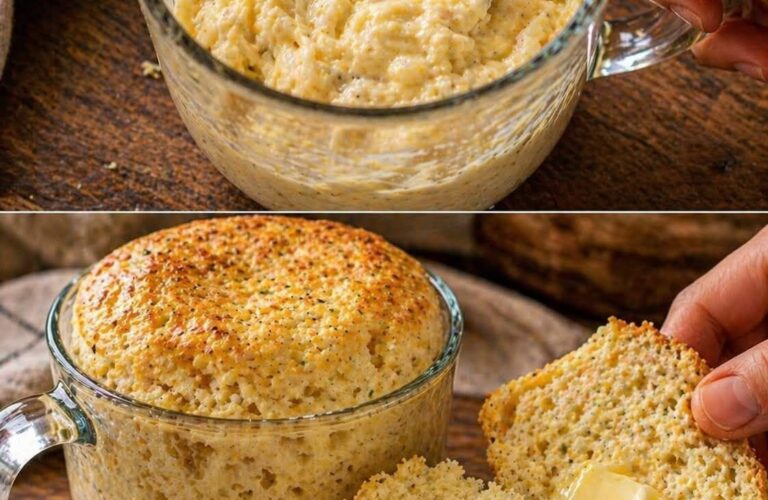
Microwave Mug Bread Recipe
Microwave Mug Bread is one of the quickest and easiest homemade bread recipes you can make when you’re craving fresh bread but don’t want to turn on the oven. This soft, fluffy single-serving bread is prepared in a mug using simple pantry ingredients and cooked in just a few minutes in the microwave. Whether you need a quick breakfast, a sandwich base, a side for soup, or a late-night snack, microwave mug bread provides a warm and satisfying solution with minimal effort.
Unlike traditional bread recipes that require yeast, kneading, and lengthy rising times, microwave mug bread comes together in minutes. The result is a soft and tender bread with a light texture that can be enjoyed plain or customized with sweet and savory flavors. This comprehensive recipe explains every stage of preparation, cooking, serving, and storage in detail.
Introduction
Homemade bread is often associated with lengthy preparation, but microwave mug bread changes that completely. Designed for convenience, this recipe allows anyone to enjoy freshly made bread using only a mug, a microwave, and a few basic ingredients.
The popularity of microwave mug bread has grown because it is incredibly versatile. It can be used as a breakfast bread, sandwich bread, dinner side, snack, or even transformed into a sweet dessert-style treat. Students, busy professionals, and anyone living in small spaces especially appreciate this recipe because it requires minimal equipment and cleanup.
The secret to successful microwave mug bread is achieving the right batter consistency and avoiding overcooking. When prepared correctly, the bread becomes soft, moist, and pleasantly fluffy.
Yield
This recipe makes 1 large serving or 2 small servings.
Preparation Time
- Preparation: 5 minutes
- Mixing: 3 minutes
- Cooking: 2 minutes
- Cooling: 5 minutes
- Total Time: Approximately 15 minutes
Main Ingredients
- 4 tablespoons all-purpose flour
- ½ teaspoon baking powder
- ⅛ teaspoon salt
- 3 tablespoons milk
- 1 tablespoon olive oil or melted butter
- 1 egg
Additional Optional Ingredients
- 1 tablespoon grated cheese
- ½ teaspoon garlic powder
- ½ teaspoon dried herbs
- 1 teaspoon honey
- 1 teaspoon sugar
- A pinch of black pepper
- 1 tablespoon chopped parsley
- 1 tablespoon finely chopped green onions
- ½ teaspoon sesame seeds
- 1 tablespoon shredded mozzarella cheese
Equipment Required
- Large microwave-safe mug
- Small mixing bowl
- Fork or whisk
- Measuring spoons
- Measuring cups
- Microwave oven
- Butter knife
- Cooling plate
Choosing the Best Ingredients
The quality of ingredients significantly influences the final texture of microwave mug bread.
Choose fresh flour without any stale odor. Fresh flour produces lighter and softer bread.
Use fresh baking powder because expired baking powder may prevent the bread from rising properly.
Whole milk creates a richer texture, though low-fat milk also works well.
Fresh eggs contribute structure, moisture, and fluffiness.
Good-quality butter or olive oil enhances flavor and tenderness.
Preparing the Mug
Proper mug preparation prevents sticking and ensures easy removal.
- Select a microwave-safe mug with enough room for expansion.
- Lightly grease the inside with butter or oil.
- Ensure the mug is clean and dry before adding ingredients.
Mixing the Dry Ingredients
- Add flour to a mixing bowl.
- Stir in baking powder.
- Add salt.
- Mix thoroughly to distribute ingredients evenly.
Preparing the Wet Ingredients
- Crack the egg into a separate bowl.
- Whisk until smooth.
- Add milk and oil.
- Mix until fully combined.
Making the Batter
- Gradually add the wet ingredients to the dry ingredients.
- Stir until no dry flour remains.
- Avoid overmixing, which may result in dense bread.
- If using optional ingredients, fold them in now.
- Transfer the mixture into the prepared mug.
Understanding Batter Consistency
The batter should be thicker than pancake batter but softer than traditional bread dough.
- If the batter appears too thick, add a teaspoon of milk.
- If too thin, add a small amount of flour.
- Smooth batter helps create an even texture throughout the bread.
- Proper consistency ensures balanced rising during microwaving.
Primary Cooking Process
- Place the mug in the center of the microwave.
- Microwave on high power for 90 seconds.
- Check for doneness.
- If necessary, continue cooking in 10-second intervals.
- The bread should rise and become firm on top.
- A toothpick inserted into the center should come out clean.
Resting After Cooking
Resting is essential for proper texture.
- Remove the mug carefully.
- Allow the bread to cool for 3 to 5 minutes.
- During this time, residual heat finishes cooking the center.
- Cooling also improves slicing and serving.
Traditional Serving Method
- Carefully remove the bread from the mug.
- Slice horizontally.
- Spread with butter.
- Serve warm with tea or coffee.
- Enjoy as a quick breakfast or snack.
Elegant Presentation Method
- Slice the bread into rounds.
- Arrange on a serving plate.
- Top with herbs or butter.
- Serve with soup, salad, or cheese.
- Garnish with parsley for a more attractive presentation.
This serving style works wonderfully for light lunches and quick dinners.
Garlic Mug Bread
Ingredients: Base recipe plus garlic powder and parsley.
Method:
- Add garlic powder to the batter.
- Mix in chopped parsley.
- Microwave according to the main recipe.
Cheese Mug Bread
Ingredients: Base recipe plus shredded cheese.
Method:
- Fold cheese into the batter.
- Microwave normally.
- Serve warm while the cheese remains soft.
Herb Mug Bread
Ingredients: Base recipe plus mixed dried herbs.
Method:
- Add herbs before microwaving.
- Stir thoroughly and cook as directed.
Honey Mug Bread
Ingredients: Base recipe plus honey.
Method:
- Mix honey into the wet ingredients.
- Continue with the standard recipe.
Sweet Breakfast Mug Bread
Ingredients: Base recipe plus sugar and cinnamon.
Method:
- Add sugar and cinnamon to the batter.
- Microwave and serve with jam.
Sesame Mug Bread
Ingredients: Base recipe plus sesame seeds.
Method:
- Sprinkle sesame seeds over the batter before cooking.
- Microwave as directed.
Green Onion Mug Bread
Ingredients: Base recipe plus chopped green onions.
Method:
- Fold onions into the batter.
- Cook according to the primary recipe.
Mozzarella Mug Bread
Ingredients: Base recipe plus mozzarella cheese.
Method:
- Mix mozzarella into the batter.
- Microwave until risen and cooked through.
Nutritional Information
Microwave Mug Bread naturally contains:
- Protein
- Calcium
- Carbohydrates
- Healthy fats
- B vitamins
Nutritional values vary depending on ingredients used.
Common Mistakes
Many microwave mug breads fail because of simple preparation errors. Overmixing the batter can create a dense and rubbery texture. Using an undersized mug may cause overflow during cooking. Excess microwave time often results in dry, tough bread, while insufficient cooking leaves the center undercooked. Expired baking powder can prevent proper rising. Another common mistake is removing the bread immediately after cooking without allowing it to rest, which can affect texture and structure. Adding too many mix-ins may also weigh down the batter and reduce fluffiness.
Storage Guidelines
Although best enjoyed fresh, leftover mug bread can be stored.
- Cool completely before storing.
- Place in an airtight container.
- Refrigerate for up to 2 days.
- Reheat briefly before serving.
Freezing Instructions
Microwave mug bread can be frozen if needed.
- Allow the bread to cool completely.
- Wrap tightly in plastic wrap.
- Place in a freezer-safe bag.
- Freeze for up to 1 month.
- Thaw at room temperature before reheating.
Creative Uses for Leftover Mug Bread
- Make mini sandwiches.
- Toast and serve with butter.
- Use as croutons for soup.
- Top with avocado.
- Serve with scrambled eggs.
- Spread with cream cheese.
- Use as a base for mini pizzas.
- Turn into garlic bread.
Party Serving Suggestions
- Serve alongside soups and stews.
- Offer with flavored butter spreads.
- Include on a brunch table.
- Pair with cheese platters.
- Serve with dips and spreads.
- Create a mug bread tasting board with different variations.
- Offer sweet and savory versions for guests.
- Prepare fresh batches throughout the event for maximum freshness.