 admin1
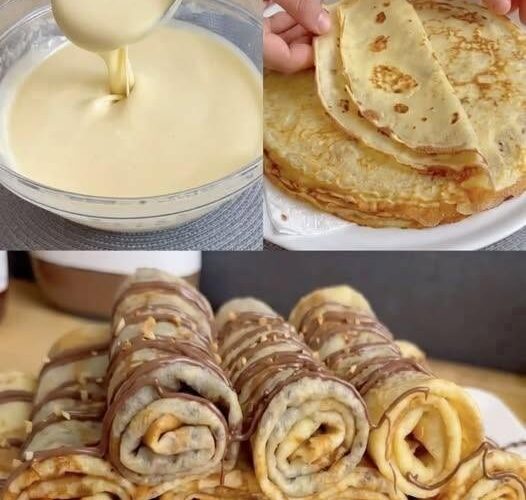
Zero Carb Crepes: A Complete Guide to Making Thin, Flexible, Delicious Low-Carbohydrate Crepes
Zero carb crepes are a creative alternative to traditional French crepes for anyone looking to prepare a thin, delicate wrap with very little or no carbohydrate content. Traditional crepes are usually made with wheat flour, milk, eggs, and butter. Although delicious, wheat flour contributes most of their carbohydrates. By replacing conventional flour with carefully selected low-carbohydrate ingredients, it is possible to make crepe-style wraps that are light, flexible, flavorful, and suitable for a very low-carbohydrate eating plan.
The secret to successful zero carb crepes is understanding that removing flour changes the way the batter behaves. Without the starch and gluten found in wheat flour, the mixture needs another way to hold together. Eggs provide structure, while cream cheese, butter, or a small amount of another suitable ingredient can improve the texture. The right cooking temperature and a well-prepared nonstick pan help create thin crepes that release easily and remain flexible enough to fold around sweet or savory fillings.
It is important to distinguish between genuinely zero-carbohydrate ingredients and ingredients that are simply low in carbohydrates. Eggs and butter contain virtually no carbohydrates in ordinary serving sizes, but cream cheese, cream, seasonings, and many commercial dairy products can contribute small amounts. Therefore, the recipe below is designed to contain very few carbohydrates, but the exact nutritional value depends on the products used and the quantity of each ingredient. For a strict zero-carb target, check the nutrition labels and calculate the totals for your particular ingredients.
What Are Zero Carb Crepes?
Zero carb crepes are thin, flexible pancakes made without conventional flour, sugar, or other carbohydrate-rich ingredients. They are generally based on eggs and fats, with optional seasonings that contribute little or no carbohydrate.
Unlike traditional French crepes, which are usually soft and slightly elastic because of their wheat-flour batter, flourless crepes have a texture closer to a delicate egg wrap. When prepared correctly, they can be thin enough to fold, roll, or use as a wrap for a variety of fillings.
These crepes are particularly useful when you want a simple breakfast, a savory lunch wrap, or a quick alternative to bread. They can be served with cheese, cooked vegetables, chicken, herbs, or other preferred fillings.
The most important point is that a recipe without flour is not automatically carbohydrate-free. Ingredients must be evaluated individually, and serving size matters when calculating the final nutritional information.
Why You Will Love This Recipe
This recipe uses a small number of familiar ingredients and does not require specialized cooking equipment. A good nonstick frying pan, a blender or whisk, and a flexible spatula are usually sufficient.
The batter takes only a few minutes to prepare, and the crepes cook quickly. Because the mixture is based primarily on eggs, there is no need to wait for flour to hydrate or for a traditional batter to rest for a long period.
The flavor is mild, making these crepes suitable for both savory and lightly sweet preparations. You can season the batter with black pepper, dried herbs, garlic powder, or a little vanilla, depending on how you intend to serve them.
Another advantage is their versatility. A single batch can be used to prepare breakfast wraps, lunch rolls, simple snacks, or layered dishes. You can also prepare them ahead of time and store them in the refrigerator for convenient meals.
Recipe at a Glance
Preparation time: 10 minutes
Cooking time: 10 to 15 minutes
Total time: Approximately 20 to 25 minutes
Yield: 4 small to medium crepes
Difficulty level: Easy
Cooking method: Stovetop
Main ingredients: Eggs, butter, and optional cream cheese
Dietary style: Flourless, very low carbohydrate, and gluten-free when all ingredients are verified gluten-free
Texture: Thin, tender, delicate, and flexible when cooked properly
Ingredients for Zero Carb Crepes
Main Ingredients
4 large eggs
1 tablespoon melted unsalted butter, slightly cooled
1 tablespoon full-fat cream cheese, softened, optional
1 to 2 tablespoons water, if needed to adjust the consistency
A small pinch of salt, optional
A little additional butter for greasing the pan
These ingredients make a simple, flourless crepe batter. The cream cheese is optional, but it can make the finished crepes slightly richer and help soften the egg flavor. However, cream cheese usually contains a small amount of carbohydrate, so omitting it may be preferable when minimizing carbohydrate intake.
Water can help make the mixture easier to spread into a thin layer. Add it gradually rather than pouring in the entire amount immediately.
The butter adds flavor and helps prevent the crepes from becoming dry. Use only enough additional butter to lightly grease the pan, since excess fat can cause the batter to move unevenly and produce greasy edges.
Optional Seasonings for Savory Crepes
You may add a small pinch of black pepper, dried parsley, dried oregano, or garlic powder. These seasonings can improve the flavor without requiring flour, sugar, or a conventional pancake mix.
Keep the seasonings simple if you want a neutral base for several different fillings. For a more pronounced savory flavor, combine black pepper with a little dried parsley.
Check the labels of packaged seasonings if you are tracking carbohydrates very closely, because some seasoning blends contain sugar, starch, or other added ingredients.
Optional Flavoring for Sweet-Style Crepes
For a sweet-style version, you can use a small amount of a suitable zero-carbohydrate sweetener and a few drops of vanilla extract. However, many vanilla extracts and sweetener blends contain some carbohydrates, so check the labels if precise carbohydrate counting is important.
These additions can create a sweeter flavor, but they will not make the crepes taste exactly like traditional French dessert crepes. The egg-based texture remains different from a batter containing wheat flour.
Equipment You Will Need
A good nonstick frying pan is the most important piece of equipment for this recipe. A pan approximately 8 to 10 inches in diameter works well for small or medium crepes.
You will also need a medium mixing bowl, a whisk or blender, measuring spoons, a flexible spatula, and a plate for stacking the cooked crepes.
A blender is especially helpful when using cream cheese because it combines the ingredients smoothly. If you are mixing by hand, make sure the cream cheese is softened before adding it to the eggs.
A thin, flexible spatula makes flipping easier. Avoid using a thick utensil that may tear the delicate edges while lifting the crepe.
Step-by-Step Instructions
Step 1: Prepare the Ingredients
Begin by gathering all the ingredients and measuring them before you start cooking. This makes the process easier because the crepes cook quickly once the pan is hot.
Allow the cream cheese to soften at room temperature if you are using it. Melt the butter and let it cool slightly before mixing it with the eggs. Very hot butter can partially cook the eggs when added directly.
Crack the eggs into a clean mixing bowl. Check that no shell fragments have fallen into the mixture.
If you want savory crepes, prepare your selected seasonings now. If you want neutral crepes, simply use the eggs, butter, and optional cream cheese.
Step 2: Beat the Eggs
Whisk the eggs until the yolks and whites are thoroughly combined. Continue whisking until the mixture looks uniform and no separate streaks of egg white remain.
You do not need to beat the eggs into a thick foam. Excessive air can make the crepes puff up while cooking and then settle unevenly.
A smooth, well-combined mixture is the goal. If you are using a blender, blend the eggs briefly until uniform.
Step 3: Add the Butter
Pour the cooled melted butter into the beaten eggs while whisking continuously.
Mix until the butter is distributed throughout the batter. The mixture may look slightly glossy, which is normal.
Adding the butter gradually helps it combine more evenly. If the butter is too hot or added too quickly, the mixture may become uneven.
Step 4: Add the Optional Cream Cheese
If you are using cream cheese, add the softened portion to the egg mixture.
Blend until smooth. Small lumps of cream cheese may create uneven patches in the finished crepes, so take enough time to combine the ingredients thoroughly.
A blender or immersion blender works particularly well for this step. If you are using a whisk, press any small lumps against the side of the bowl and continue mixing.
The batter should be relatively thin and pourable. It will not have exactly the same consistency as traditional crepe batter because it contains no flour.
Step 5: Adjust the Consistency
Examine the batter before cooking. If it seems thick or difficult to spread, add one teaspoon of water at a time and mix again.
The mixture should flow easily when poured into the pan. It should be thin enough to spread into a delicate layer but not so watery that it becomes difficult to handle.
Do not add all the water automatically. Eggs vary in size, and the optional cream cheese can change the consistency.
If the batter is already thin, additional water may not be necessary.
Step 6: Season the Batter
Add a small pinch of salt if desired. For savory crepes, add a little black pepper or dried herbs.
Whisk briefly to distribute the seasonings evenly.
Avoid adding too many dry ingredients because they may make the batter less smooth. For stronger flavors, it is often better to season the filling rather than adding large quantities of herbs or spices directly to the batter.
Step 7: Preheat the Pan
Place a nonstick frying pan over low to medium-low heat.
Allow it to warm gradually. The pan should be hot enough for the batter to set, but not so hot that the eggs brown immediately.
Lightly grease the surface with a small amount of butter. Spread the butter into a thin coating using a heat-resistant brush or paper towel held with suitable kitchen tongs.
Avoid using excessive butter because pools of fat can prevent the batter from forming a uniform layer.
A moderate temperature is essential. Egg-based crepes cook differently from flour-based crepes and can become rubbery if exposed to intense heat.
Step 8: Pour the Batter
Pour a small amount of batter into the center of the prepared pan.
Immediately lift and tilt the pan in a circular motion so the mixture spreads across the surface. Work gently and quickly because the egg begins to set as soon as it touches the hot pan.
Aim for a thin, even layer. If the crepe is too thick, it may taste more like a thin omelet than a traditional crepe.
You may need to adjust the amount of batter after cooking the first crepe. Use less batter for a thinner result and slightly more for a sturdier wrap.
Step 9: Cook the First Side
Let the crepe cook over low to medium-low heat for approximately 45 to 90 seconds, depending on the pan, the amount of batter, and the heat level.
Watch the surface carefully. The edges should begin to set, and the center should become less wet and shiny.
Do not rush this step by increasing the heat. High heat can cause the bottom to brown before the upper surface has set.
If the edges begin to lift slightly and the crepe moves freely when you gently shake the pan, it may be ready to flip.
Step 10: Flip Carefully
Slide a thin spatula underneath one edge of the crepe. Lift it gently to check whether the underside has set.
If it releases easily, carefully turn it over. If it still sticks or begins to tear, allow it to cook for another 15 to 20 seconds before trying again.
The first crepe may be less attractive than the rest because the pan temperature and greasing level are still being adjusted. This is completely normal.
Once the technique becomes familiar, the crepes should become easier to handle.
Step 11: Cook the Second Side
Cook the other side for approximately 20 to 45 seconds, or until it is set and lightly colored.
The second side generally requires less time than the first. Avoid cooking it for too long, as excessive heat can make the crepe dry and brittle.
When the crepe is cooked through, transfer it to a clean plate.
Step 12: Repeat with the Remaining Batter
Lightly grease the pan again if necessary. Pour in another small portion of batter and repeat the spreading, cooking, and flipping process.
Keep the temperature consistent throughout the batch.
If the pan becomes too hot, remove it from the heat briefly before adding the next portion. If the crepes are taking too long to set, increase the heat slightly, but avoid sudden temperature changes.
Stack the cooked crepes on a plate. If you want them to remain soft, cover the stack loosely while you finish cooking.
Step 13: Rest Before Filling
Allow the crepes to rest for a minute or two before adding fillings.
Freshly cooked egg-based crepes can be delicate. A short rest helps them settle and makes them easier to fold.
If they seem too fragile, use slightly less filling and roll them gently. Avoid pulling sharply on the edges.
Your zero carb crepes are now ready to serve.
Tips for the Best Zero Carb Crepes
Use Room-Temperature Ingredients
Eggs and cream cheese that are closer to room temperature tend to combine more easily. This is particularly helpful when you want a smooth batter without lumps.
You do not need to leave ingredients out for a long time. A short period is usually enough for the cream cheese to soften, while the eggs can be brought out shortly before preparation.
Blend for a Smooth Batter
A smooth batter helps the crepes cook evenly. If the mixture contains visible cream cheese lumps, the finished crepes may have thicker patches.
Blend briefly rather than excessively whipping the mixture. The aim is even consistency, not a large volume of foam.
Keep the Crepes Thin
Thin crepes are easier to fold and more similar to traditional French crepes. Pouring too much batter into the pan creates a thicker, eggier result.
Begin with a small amount and tilt the pan immediately. You can increase the quantity slightly in the next crepe if the first is too thin to handle.
Cook Slowly
Low to medium-low heat gives the eggs time to set without becoming tough.
If the crepes turn brown too quickly, lower the heat. If they remain wet for an unusually long time, check that the batter is not excessively thick and that the pan is warm enough.
Use a Reliable Nonstick Pan
A good nonstick surface makes a major difference because these crepes do not contain flour or gluten to provide the structure found in traditional crepes.
Make sure the cooking surface is clean and undamaged. Use utensils recommended for your pan to protect its coating.
Do Not Flip Too Early
The crepe needs time to set before it can be lifted. Flipping too early is one of the most common causes of tearing.
Wait until the edges appear firm and the underside releases naturally. If necessary, use a spatula to loosen a small section before turning the whole crepe.
Avoid Overcooking
Overcooked egg-based crepes can become dry, chewy, or rubbery. Remove each crepe once both sides are set.
Remember that a crepe will continue to release some heat after it leaves the pan. It does not need to become deeply browned to be ready.
How to Make the Crepes More Flexible
Flexibility is one of the most important qualities of a good crepe. If you want to use these crepes as wraps, a few simple adjustments can help.
First, avoid making the batter too thick. A thinner layer usually folds more easily.
Second, cook at a moderate temperature. High heat can create a firm, dry surface that cracks when folded.
Third, do not leave the crepes uncovered for too long after cooking. Covering the stack loosely helps limit moisture loss.
Finally, allow the crepes to cool slightly before rolling them around a filling. Extremely hot crepes may tear under pressure, while very cold crepes can feel firmer.
If your crepes still break, make the next batch slightly thicker and cook them for a little less time. The best balance depends on the size of the pan and the ingredients used.
Zero Carb Crepes Without Cream Cheese
If you prefer a simpler version, you can make these crepes using eggs and butter alone.
Use four large eggs, one tablespoon of melted butter, a pinch of salt if desired, and a little additional butter for greasing the pan.
Beat the eggs until smooth, add the cooled melted butter, and whisk again. Cook small portions in a lightly greased nonstick pan over low to medium-low heat.
Because this version does not contain cream cheese, the batter may spread differently and the finished crepes may taste more strongly of eggs.
For best results, make them relatively small and avoid trying to spread the mixture into an extremely thin layer before you understand how it behaves.
This version is useful when you want to reduce the number of ingredients and avoid the additional carbohydrates that may come from cream cheese.
How to Make Creamier Zero Carb Crepes
For a richer flavor, use the optional cream cheese and blend the batter until completely smooth.
The cream cheese gives the mixture a slightly creamier taste and may make the finished crepes less reminiscent of plain scrambled eggs.
However, adding too much cream cheese can make the crepes thicker and more delicate. Begin with the amount specified in the recipe before experimenting with larger quantities.
If you want a softer result, focus on gentle cooking and avoid leaving the crepes in the pan longer than necessary.
How to Make Savory Zero Carb Crepes
Savory crepes are particularly versatile because their mild flavor works with many different fillings.
For a simple savory batter, add a pinch of salt and black pepper. You may also use a little dried parsley, oregano, or garlic powder.
Once cooked, fill the crepes with suitable ingredients such as sliced cooked chicken, cheese, scrambled eggs, or a small amount of cooked spinach.
For a warm lunch wrap, place the filling in the center, fold in the sides, and roll gently. If you prefer a folded presentation, place the filling on one half and fold the other half over it.
Keep wet fillings to a minimum. Excess moisture can soften the crepe too much and cause it to split.
Check the labels of prepared meats, sauces, and seasonings if you need to track carbohydrates closely. Some products contain added sugar, starch, or carbohydrate-containing fillers.
How to Make Sweet-Style Zero Carb Crepes
Although the basic recipe is naturally savory-leaning because of the eggs and butter, it can be adapted for a sweet-style presentation.
Add a suitable sweetener in a quantity appropriate for its sweetness, together with a small amount of vanilla flavoring if desired.
Cook the crepes gently and serve them with suitable toppings. If you are aiming for minimal carbohydrates, consider a small amount of unsweetened whipped cream or a product specifically labeled as having zero carbohydrates, after checking the serving size and nutrition information.
Traditional honey, maple syrup, jam, sugar, and many sweet sauces contain carbohydrates and should not be assumed to fit a strict zero-carb target.
The final dish can still be enjoyable without a large amount of sweet topping. A little flavoring in the batter and a carefully chosen accompaniment may be enough.
Filling Ideas for Zero Carb Crepes
Cheese and Egg Filling
Prepare a small amount of scrambled egg and combine it with a suitable cheese. Place the mixture in the center of a warm crepe and fold gently.
This makes a simple breakfast that is easy to prepare from basic ingredients. The carbohydrate content depends on the cheese and the portion used.
Chicken and Cheese Filling
Use fully cooked chicken with a little shredded cheese. Season with black pepper or dried herbs.
Warm the filling before placing it inside the crepe, but avoid adding too much liquid. Roll the crepe gently and serve immediately.
Cream Cheese and Herb Filling
Combine a small quantity of softened cream cheese with chopped herbs and black pepper.
Spread a thin layer across the crepe, then fold or roll it. This is a convenient option for a light snack, although the cream cheese contributes some carbohydrates.
Butter and Herb Filling
Spread a small amount of softened butter mixed with dried herbs over the warm crepe.
Fold it into quarters or roll it into a simple wrap. This preparation keeps the flavor straightforward and works well when the crepe itself is lightly seasoned.
Spinach and Cheese Filling
Cook the spinach until tender, then remove excess moisture before combining it with cheese.
Allow the mixture to cool slightly and place a modest portion in the crepe. Too much filling or too much water from the spinach can make the wrap difficult to handle.
Spinach and cheese are not necessarily carbohydrate-free, so account for their contributions if you are calculating the total.
What to Serve with Zero Carb Crepes
These crepes can be served alone or alongside other foods that suit your preferred meal.
For breakfast, you might serve them with eggs or a suitable cheese filling. For lunch, a small chicken wrap can be a convenient option. For dinner, the crepes can accompany cooked meat or another savory dish.
If you want to keep the overall meal very low in carbohydrates, pay attention to the accompaniments as well as the crepes themselves. Sauces, vegetables, dairy products, and prepared fillings can contribute more carbohydrates than expected.
There is no need to make every meal identical. Different seasonings and fillings can provide variety while allowing you to keep track of the ingredients.
Common Mistakes and How to Fix Them
The Crepes Keep Tearing
Tearing often happens because the crepes are too thin, the batter is not fully set, or the pan surface is unsuitable.
Allow the first side to cook longer before flipping. Use a flexible spatula and try making the next crepe slightly thicker.
If the batter is very watery, add less water to the next batch.
The Crepes Stick to the Pan
A pan that is not sufficiently nonstick, an inadequately heated surface, or an uneven coating of butter may cause sticking.
Use a clean nonstick pan and warm it gradually. Apply a thin layer of butter before pouring the batter.
Do not force a crepe away from the pan while the underside is still wet. Wait until it releases more easily.
The Crepes Taste Too Eggy
Eggs provide most of the structure in a flourless crepe, so their flavor is expected.
To make the taste milder, use the optional cream cheese and a little seasoning appropriate to your filling. Savory herbs and black pepper can help balance the flavor.
You can also serve the crepes with a flavorful filling rather than eating them plain.
The Crepes Are Rubbery
Rubbery crepes are often the result of excessive cooking or heat that is too high.
Lower the temperature and remove each crepe as soon as it is cooked through. Avoid pressing down on it with a spatula while it cooks.
The Crepes Are Too Thick
Use less batter in the next crepe and tilt the pan immediately after pouring.
If the mixture is difficult to spread, add a little water, one teaspoon at a time. Do not add too much, because an excessively thin mixture can be difficult to flip.
The Crepes Break When Folded
The crepes may be overcooked, too thin, or too cool and dry.
Cook them gently and cover the stack loosely after cooking. Allow them to rest briefly before adding the filling.
If they still break, make them slightly thicker and use smaller amounts of filling.
The Crepes Have Uneven Brown Spots
Uneven coloring may indicate that the pan has hot spots or that the butter has collected in certain areas.
Use moderate heat and spread the butter thinly. Allow the pan to return to a steady temperature between crepes if necessary.
How to Store Zero Carb Crepes
Allow the crepes to cool until they are no longer steaming heavily. Place them in a clean, shallow container and refrigerate them promptly.
For easier separation, place a small piece of baking parchment between the crepes. Cover the container securely to prevent them from drying out or absorbing odors from other foods.
Store the cooked crepes in the refrigerator at 40°F (4°C) or below and use them within three to four days. Because they contain cooked eggs, do not leave them at room temperature for more than two hours, or one hour in temperatures above 90°F (32°C).
If you do not plan to use the crepes within that period, freezing may be an option. Cool them completely, separate them with parchment, and place them in a freezer-safe container or bag.
For best quality, use frozen crepes within about two months. They may remain safe for longer if continuously frozen, but their texture can deteriorate over time.
Label the container with the preparation date so you can easily keep track of storage time.
How to Reheat Zero Carb Crepes
The stovetop is one of the easiest ways to reheat these crepes.
Place a crepe in a clean nonstick pan over low heat. Warm it for approximately 15 to 30 seconds per side, checking frequently to avoid drying it out.
You can also warm several crepes in a microwave. Place them on a microwave-safe plate, cover them with a suitable microwave-safe cover, and heat in short intervals until warm.
Avoid overheating, since eggs become firmer as they continue to cook.
If the crepes have been frozen, thaw them in the refrigerator before reheating for the best texture. You can also reheat them directly from frozen, but use gentle heat and allow additional time.
Reheat leftovers until they are thoroughly hot throughout, ideally reaching 165°F (74°C), and avoid repeatedly cooling and reheating the same batch.
Can You Make the Batter Ahead of Time?
You can prepare the batter shortly before cooking, but the best approach is to keep it covered in the refrigerator if you need to wait.
Because the mixture contains raw eggs, handle it carefully and refrigerate it promptly. For the best texture, cook the batter within about 24 hours and stir or whisk it again before using.
The butter may firm up when chilled, especially if your kitchen is cool. Let the batter sit briefly in the refrigerator only as needed to make it pourable, without leaving raw egg mixture out at room temperature for an extended period.
If the butter separates or the mixture looks uneven, whisk it again before cooking.
For maximum convenience, cooking the crepes in advance and refrigerating the finished crepes is often easier than storing the raw batter.
Can You Freeze Zero Carb Crepes?
Yes, these crepes can be frozen, although the final texture may be slightly different after thawing.
Allow them to cool completely, then place parchment between each crepe to prevent sticking. Arrange the stack in a freezer-safe container or bag and remove excess air before sealing.
Write the date on the container and freeze promptly.
To use them, thaw the desired number in the refrigerator. Warm them gently in a nonstick pan or microwave.
If a crepe feels fragile after thawing, handle it carefully and avoid using a heavy filling. The egg-based structure may become slightly more delicate after freezing.
Are Zero Carb Crepes Actually Zero Carb?
The answer depends on the exact ingredients and the serving size.
Plain eggs and butter contribute virtually no carbohydrates in normal portions, but they are not necessarily listed as mathematically zero in every nutritional database. Cream cheese and other dairy ingredients can contribute measurable carbohydrates.
For this reason, it is more accurate to call the recipe very low carbohydrate unless you have verified the nutrition information for every ingredient and serving.
If a recipe is advertised as zero carb, check whether the claim refers to total carbohydrates, net carbohydrates, or a rounded nutrition-label value. These are not always the same.
Net carbohydrates are generally calculated by subtracting certain fiber and sugar-alcohol amounts from total carbohydrates, depending on the labeling system and the ingredients. This calculation does not mean that all products marketed as zero net carbs contain absolutely no carbohydrate.
For strict carbohydrate tracking, calculate the total using the nutrition labels on the products you actually use.
Estimated Nutrition Information
The following figures are illustrative estimates for the basic recipe made with four large eggs and one tablespoon of butter, divided into four crepes. They exclude optional cream cheese, additional filling, and extra butter used for the pan.
Calories: Approximately 90 to 100 per crepe
Protein: Approximately 6 grams per crepe
Fat: Approximately 7 to 8 grams per crepe
Total carbohydrates: Usually less than 1 gram per crepe, depending on the ingredients and nutrition database
Fiber: 0 grams for the basic ingredients
Sugar: A small amount naturally present in eggs
These values are estimates, not laboratory-tested nutrition facts. Egg size, butter brand, cooking losses, and the serving size can affect the results. If you add cream cheese, seasonings, or fillings, the totals will change.
The recipe is not guaranteed to contain exactly zero carbohydrates. Use the actual product labels and your chosen serving size for a more accurate calculation.
Frequently Asked Questions
Can I make zero carb crepes without flour?
Yes. This recipe uses eggs and butter, with optional cream cheese, instead of wheat flour or another conventional flour.
The resulting crepes have a more egg-based texture than traditional French crepes, but they can still be thin, tender, and useful as wraps.
Do I need cream cheese?
No. Cream cheese is optional. It adds richness and can help soften the flavor, but the recipe can be made with eggs and butter alone.
Remember that cream cheese usually contributes some carbohydrates.
Can I make these crepes without butter?
You can omit the butter from the batter, although the texture and flavor may change. You will still need to consider the cooking surface and use an appropriate amount of fat if the pan requires it.
A reliable nonstick pan is especially useful for the butter-free version.
Can I use milk instead of water?
You can, but milk generally contains lactose, which is a natural carbohydrate. If you are aiming to minimize carbohydrates, water is the simpler choice.
Unsweetened milk alternatives vary in their nutritional content, so check the label before using one.
Can I make the crepes in a blender?
Yes. A blender is an excellent way to combine the eggs, butter, and optional cream cheese into a smooth batter.
Blend briefly until the mixture is uniform. Excessive blending is unnecessary.
Why does my first crepe look different?
The first crepe often reveals whether the pan is too hot, too cool, or insufficiently greased.
Use it to adjust the heat and batter quantity before making the remaining crepes. It may not look perfect, but it can still be eaten if properly cooked.
Can I use these crepes as sandwich wraps?
Yes, provided they are cooked to a texture that is flexible enough for folding. Small or medium crepes are generally easier to handle than very large, thin ones.
Use modest amounts of filling and avoid ingredients that release too much moisture.
Can I make a dairy-free version?
Yes. Omit the butter and cream cheese and use an appropriate cooking fat if needed. The result will have a different flavor and texture.
Check any replacement products carefully if carbohydrate content is important to you.
Can I prepare these crepes for meal prep?
Yes. Cook them in advance, allow them to cool, and refrigerate them in a covered container. Separate the layers with parchment to make individual crepes easier to remove.
Use refrigerated cooked crepes within three to four days and reheat them thoroughly.
Are these crepes gluten-free?
The basic ingredients do not contain wheat flour, so the recipe is naturally free of the usual gluten-containing grains. However, check all packaged ingredients and seasonings if you need to avoid gluten strictly because of a medical requirement.
Are these crepes suitable for a ketogenic eating plan?
They may fit some ketogenic meal plans because they are very low in carbohydrates. Suitability depends on the ingredients, serving size, the rest of the meal, and your individual nutritional needs.
A ketogenic diet is not necessary for everyone, and the recipe should be evaluated as part of your overall eating pattern rather than as a guarantee of a particular health outcome.
Final Thoughts
Zero carb crepes offer a simple way to prepare thin, flourless wraps from a handful of familiar ingredients. The method is straightforward: beat the eggs, blend in the optional cream cheese and butter, adjust the consistency if necessary, and cook small portions gently in a nonstick pan.
The most important techniques are keeping the batter smooth, spreading it thinly, cooking over moderate heat, and waiting until the crepe is set before flipping. These small details make a significant difference in the finished texture.
Once you have mastered the basic recipe, you can experiment with savory herbs, simple cheese fillings, cooked chicken, or lightly sweet flavorings. You can also make a batch ahead of time and refrigerate or freeze individual crepes for convenient meals.
Although the recipe is designed to be extremely low in carbohydrates, the optional dairy ingredients and individual product labels can affect the final nutritional value. Check the quantities and nutrition information if you need precise carbohydrate tracking.
With careful preparation and gentle cooking, these flourless crepes can become a versatile addition to your collection of simple homemade recipes.


