admin1
Slow Cooker Cabbage and Potato Recipe: A Comforting, Hearty, and Flavorful One-Pot Meal
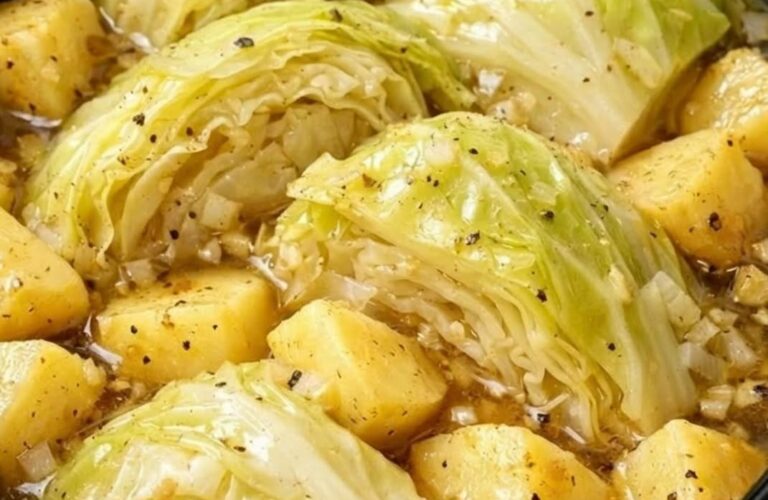
Slow cooker cabbage and potatoes is a simple, comforting, and delicious home-cooked dish made with tender cabbage, soft potatoes, aromatic onions, garlic, savory broth, and a wonderful blend of seasonings. As the ingredients cook slowly over several hours, their natural flavors blend together, creating a warm, satisfying meal that tastes as though it has been simmering in the kitchen all day.
This recipe is perfect for busy weekdays, cozy family dinners, chilly evenings, and anyone who appreciates wholesome comfort food without spending hours standing over the stove. The slow cooker does most of the work, allowing the cabbage to become tender, the potatoes to absorb the flavorful cooking liquid, and the seasonings to develop a rich, savory taste.
One of the best things about slow cooker cabbage and potatoes is its simplicity. Cabbage and potatoes are affordable, easy-to-find vegetables that can be transformed into a satisfying meal with just a few pantry ingredients. You can keep the recipe vegetarian, add carrots for natural sweetness, include smoked paprika for a deeper flavor, or incorporate your favorite herbs to make the dish your own.
The finished dish is tender, savory, and comforting without requiring complicated preparation techniques. The cabbage softens gradually while retaining enough structure to provide a pleasant texture, and the potatoes become creamy on the inside as they absorb the broth and seasonings. Onions and garlic add aromatic depth, while black pepper, thyme, and a little butter create a balanced, home-style flavor.
Whether you serve it as a main dish, a hearty side, or part of a larger family meal, slow cooker cabbage and potatoes is a versatile recipe that deserves a regular place in your meal rotation.
Why You Will Love This Slow Cooker Cabbage and Potato Recipe
There are many reasons to make this easy slow cooker vegetable dish. It uses inexpensive ingredients, requires minimal preparation, and creates a generous amount of food with very little hands-on cooking.
The slow cooking method is particularly helpful because it allows the vegetables to cook gently in a seasoned broth. Instead of watching a pot on the stove, you can prepare the ingredients, place them in the slow cooker, select the cooking temperature, and let the appliance handle the rest.
The recipe is also wonderfully adaptable. If you have extra carrots in the refrigerator, you can add them. If you enjoy a little heat, a pinch of red pepper flakes works beautifully. If you prefer a richer, more traditional flavor, a small amount of butter or olive oil provides a satisfying finish.
Another advantage is that the dish can be served in several different ways. It is delicious on its own, particularly when accompanied by crusty bread, but it also pairs well with roasted chicken, baked fish, grilled vegetables, or other favorite family meals.
Most importantly, this recipe makes ordinary vegetables taste special. Cabbage develops a mellow sweetness as it cooks, potatoes absorb the savory broth, and the onions become soft and fragrant. Together, these simple ingredients create a dish that feels nourishing, filling, and comforting.
Recipe Overview
Preparation time: 20 minutes
Cooking time: 4 to 5 hours on HIGH or 7 to 8 hours on LOW, depending on the slow cooker and the size of the vegetables.
Total time: Approximately 4 hours and 20 minutes to 8 hours and 20 minutes.
Servings: 6
Cooking method: Slow cooker
Difficulty level: Easy
Best for: Family dinners, meal preparation, vegetarian meals, affordable cooking, and comforting side dishes.
Ingredients for Slow Cooker Cabbage and Potatoes
The following ingredients create a flavorful, well-balanced dish with tender vegetables and a savory broth.
Main Vegetables
1 medium green cabbage, approximately 2 to 2½ pounds
Green cabbage is the traditional choice for this recipe. It becomes tender during slow cooking and develops a mild sweetness that complements the potatoes. Choose a cabbage that feels heavy for its size and has firm, tightly packed leaves.
Remove any damaged outer leaves before cutting the cabbage into wedges or bite-sized pieces. Larger pieces tend to hold their shape better during longer cooking, while smaller pieces cook more quickly and distribute more evenly throughout the dish.
2 pounds Yukon Gold or red potatoes
Potatoes provide the hearty foundation of the recipe. Yukon Gold potatoes have a naturally creamy texture and a buttery flavor, while red potatoes generally retain their shape well during slow cooking.
You can also use russet potatoes, although they are starchier and may break apart more easily. If you use russet potatoes, cut them into relatively large chunks and check their tenderness toward the end of cooking.
Wash the potatoes thoroughly. Peel them if you prefer a smoother texture, or leave the skins on for a more rustic dish.
1 large yellow onion
Onions add sweetness and savory depth. As they cook slowly, their sharp flavor softens and blends into the broth.
Peel the onion and slice it into thin wedges or chop it into medium-sized pieces. If you prefer distinct pieces of onion in the finished dish, use larger slices.
2 medium carrots, optional
Carrots add color, gentle sweetness, and additional texture. They are not essential, but they complement cabbage and potatoes particularly well.
Peel the carrots and cut them into evenly sized rounds or half-moons. Avoid cutting them extremely thin because they may become too soft during a long cooking period.
Garlic and Seasonings
3 cloves garlic, minced
Garlic gives the dish a warm, aromatic flavor. Fresh garlic is ideal, but 1 teaspoon of garlic powder can be used if fresh garlic is unavailable.
1 teaspoon salt, or to taste
Salt enhances the natural flavor of the vegetables. The appropriate amount depends on whether your broth is salted, so begin with a moderate quantity and adjust toward the end.
½ teaspoon freshly ground black pepper
Black pepper adds gentle warmth without overwhelming the mild vegetables.
1 teaspoon dried thyme
Thyme contributes an earthy, slightly herbal flavor that works beautifully with cabbage, potatoes, and onions.
½ teaspoon smoked paprika, optional
Smoked paprika adds subtle smokiness and a deeper color. For a milder, more traditional flavor, use sweet paprika instead.
1 teaspoon dried parsley, optional
Parsley provides a light herbal note. Fresh parsley can also be added immediately before serving.
1 bay leaf, optional
A bay leaf gives the broth a subtle savory aroma. Remember to remove it before serving.
Cooking Liquid and Finishing Ingredients
2 cups vegetable broth or chicken broth
Broth adds moisture and savory flavor. Vegetable broth keeps the dish vegetarian, while chicken broth gives it a more traditional, savory taste.
Use a lower-sodium broth if you want more control over the salt level. Avoid adding excessive liquid because cabbage releases moisture as it cooks.
2 tablespoons butter or olive oil
Butter adds richness and a classic home-cooked flavor. Olive oil is an excellent alternative if you prefer a dairy-free version.
1 teaspoon apple cider vinegar, optional
A small amount of vinegar brightens the finished dish and balances the natural sweetness of the cabbage and onions. Add it near the end of cooking rather than at the beginning for a fresher flavor.
2 tablespoons chopped fresh parsley, for serving
Fresh parsley adds color and a refreshing finish. It is optional but highly recommended.
Lemon juice, optional
A small squeeze of lemon juice just before serving can brighten the overall flavor, particularly if the dish tastes very rich or mild.
Equipment You Will Need
A slow cooker with a capacity of approximately 5 to 6 quarts is ideal for this recipe. The vegetables need enough room to fit without being packed excessively tightly.
You will also need a sharp knife for cutting the cabbage and potatoes, a cutting board, a vegetable peeler if desired, a measuring cup for the broth, measuring spoons for the seasonings, and a large spoon for gently stirring the finished dish.
A colander is useful for washing the vegetables, and a small bowl can be used to combine the seasonings before adding them to the slow cooker.
If your slow cooker is smaller, reduce the ingredient quantities rather than overfilling the appliance. Follow the manufacturer’s guidance about minimum and maximum filling levels.
How to Prepare the Vegetables Properly
Good preparation makes a noticeable difference in the finished texture of slow cooker cabbage and potatoes.
Start by washing the cabbage under cool running water. Remove the outer leaves if they are wilted, damaged, or dirty. Cut the cabbage into quarters through the core, then remove the tough central portion.
Slice each quarter into thick pieces or wedges. Pieces approximately 1½ to 2 inches wide are a good starting point. They should be large enough to retain some texture after several hours of cooking.
Next, wash the potatoes thoroughly. Peel them if desired, then cut them into evenly sized chunks, approximately 1½ inches across. Try to keep the pieces similar in size so that they become tender at roughly the same time.
If the potato pieces are too small, they may soften excessively before the cabbage is ready. If they are extremely large, they may require additional cooking time.
Peel the onion and slice it into wedges. Prepare the carrots, if using, by cutting them into rounds of similar thickness.
Finally, mince the garlic and measure the broth and seasonings.
Taking a few extra minutes to prepare everything before turning on the slow cooker makes the cooking process easier and helps ensure that the ingredients cook evenly.
Step-by-Step Instructions for Slow Cooker Cabbage and Potatoes
Step 1: Prepare the Slow Cooker
Place the slow cooker on a stable, heat-resistant surface away from the edge of the counter.
Make sure the ceramic insert is clean, dry on the outside, and properly seated in the heating base. There is no need to preheat most slow cookers unless the manufacturer’s instructions specifically recommend it.
Lightly grease the inside of the insert with a little olive oil or butter if you wish to make serving and cleanup easier. This step is optional.
Step 2: Add the Potatoes
Place the potato chunks in the bottom of the slow cooker.
Potatoes are dense and generally benefit from being closer to the cooking liquid. Placing them at the bottom helps them cook evenly and absorb some of the savory broth.
Spread the potatoes into a reasonably even layer rather than leaving them in one large pile.
If you are using red potatoes, their skins can remain on. If you are using Yukon Gold potatoes, either peeled or unpeeled potatoes work well.
Step 3: Add the Carrots and Onions
Scatter the sliced carrots over the potatoes, followed by the onions.
The carrots add a little sweetness, while the onions contribute a savory aroma as they soften.
If you prefer the carrots to retain more firmness, cut them into slightly thicker pieces. If you like them very soft, thinner rounds are suitable, although they may become quite tender during an extended cooking period.
Step 4: Add the Garlic and Seasonings
Sprinkle the minced garlic over the vegetables.
Add the salt, black pepper, dried thyme, and smoked paprika, if using. Add the bay leaf at this stage as well.
Distribute the seasonings as evenly as possible. This helps prevent one section from becoming too salty or heavily seasoned while another remains bland.
You can combine the dry seasonings in a small bowl before sprinkling them over the vegetables if you want a more even distribution.
Step 5: Add the Cabbage
Place the prepared cabbage over the potatoes, carrots, and onions.
At first, the cabbage may appear to fill most of the slow cooker. This is normal because raw cabbage contains considerable volume but gradually softens as it cooks.
If necessary, arrange the cabbage in several layers, but avoid forcing the lid closed or overfilling the appliance.
The cabbage does not need to be completely submerged in broth. It will release its own moisture during cooking, and steam trapped under the lid will help it soften.
Step 6: Pour in the Broth
Pour the vegetable or chicken broth evenly over the vegetables.
The broth should provide moisture for cooking and help distribute the seasonings, but the finished dish should not be swimming in liquid.
Because cabbage naturally releases water, adding much more than the recommended amount may result in a watery dish.
If you prefer a brothier preparation, you can add a little extra broth later after checking the texture and flavor.
Step 7: Add the Butter or Olive Oil
Place small pieces of butter over the cabbage and potatoes, or drizzle the olive oil across the vegetables.
As the butter melts, it adds richness to the broth and coats the vegetables with a subtle, savory flavor.
If you are using olive oil, distribute it evenly so that it does not collect in just one area.
Step 8: Cover and Begin Cooking
Place the lid securely on the slow cooker.
Cook on LOW for approximately 7 to 8 hours or on HIGH for approximately 4 to 5 hours.
Cooking times vary according to the model of the slow cooker, the size of the vegetable pieces, the quantity of ingredients, and how frequently the lid is opened.
For the best texture, keep the lid closed during cooking. Every time the lid is lifted, heat escapes and the cooking process slows.
There is no need to stir the vegetables frequently. Leaving them undisturbed helps the potatoes cook evenly and allows the cabbage to soften gradually.
Step 9: Check the Potatoes and Cabbage
Near the end of the cooking period, carefully remove the lid and check the vegetables.
Insert a fork or small knife into one of the largest potato pieces. It should slide in easily when the potato is fully tender.
The cabbage should be soft enough to cut with a fork but should still have some structure rather than dissolving completely into the broth.
If the potatoes remain firm, replace the lid and continue cooking. Check again after approximately 20 to 30 minutes.
Avoid repeatedly opening the slow cooker during the final cooking period because doing so can extend the time needed for the vegetables to become tender.
Step 10: Adjust the Seasonings
Once the vegetables are tender, taste a little of the broth.
Add more salt if needed, a little extra black pepper for warmth, or a small amount of thyme if you want a more pronounced herbal flavor.
If the dish tastes too mild, a small splash of apple cider vinegar or lemon juice can improve the balance.
If you prefer a richer flavor, stir in a little additional butter. Add it in small amounts so that the vegetables do not become excessively greasy.
Step 11: Gently Combine the Vegetables
Use a large spoon to gently fold the cabbage into the potatoes and broth.
Do not stir aggressively, especially if you are using russet potatoes or very soft cabbage. Excessive stirring can break the potatoes into small pieces and turn the dish into a thick mash.
The goal is to distribute the broth and seasonings while keeping recognizable pieces of cabbage and potato.
If you added a bay leaf, remove it before serving.
Step 12: Finish and Serve
Sprinkle chopped fresh parsley over the finished dish.
Serve the cabbage and potatoes while hot, spooning a little of the flavorful cooking liquid over each portion.
If desired, offer lemon wedges, additional black pepper, or a little apple cider vinegar at the table so everyone can adjust the flavor to their preference.
The dish is delicious immediately after cooking, but allowing it to rest for approximately 5 minutes before serving can make it easier to portion and allow the flavors to settle.
What Makes the Best Slow Cooker Cabbage and Potatoes?
The secret to a successful slow cooker cabbage and potato dish is balancing moisture, cooking time, vegetable size, and seasoning.
Cabbage naturally contains a large amount of water. As it heats, the leaves soften and release moisture into the cooking environment. Potatoes absorb some of the surrounding liquid, allowing them to develop a savory flavor.
This is why adding too much broth at the beginning is unnecessary. A moderate amount of liquid creates steam and provides a flavorful base without overwhelming the vegetables.
The size of the potatoes is equally important. Uniform pieces are easier to cook evenly, while extremely small pieces may break down before the cabbage is fully tender.
Cooking on LOW is often the best choice when you want a gentle, traditional texture. The longer cooking period allows the flavors to blend gradually. HIGH is useful when you have less time, although you should monitor the vegetables more closely near the end.
Finally, seasoning should be adjusted after cooking. Broth reduces in flavor intensity as it mixes with the vegetable juices, and the amount of salt needed depends heavily on the broth you choose.
Choosing the Best Potatoes
Different potatoes produce slightly different results.
Yukon Gold Potatoes
Yukon Gold potatoes are an excellent all-purpose option. Their naturally creamy interior and buttery flavor complement the cabbage beautifully.
They become tender without necessarily disintegrating, particularly when cut into moderately sized chunks.
Choose Yukon Gold potatoes if you want a creamy texture with a classic homemade flavor.
Red Potatoes
Red potatoes generally retain their shape well during slow cooking. Their thin skins can be left on, which saves preparation time and creates a rustic appearance.
They are especially useful when you want the finished dish to contain distinct pieces of potato rather than a thickened, almost mashed texture.
Russet Potatoes
Russet potatoes have a higher starch content and a fluffier texture. They are delicious in this recipe, but they can become soft and break apart more readily than waxier varieties.
Cut russet potatoes into larger chunks and avoid excessive stirring.
They are a good choice if you prefer a softer, thicker dish with a little potato starch naturally blending into the broth.
Baby Potatoes
Baby potatoes are convenient because they require relatively little preparation. Depending on their size, they can be halved or quartered.
Very small baby potatoes may cook more quickly than large chunks of cabbage, so choose pieces of reasonably similar size.
Choosing and Preparing the Best Cabbage
Green cabbage is the most practical option for this recipe because it is widely available, affordable, and sturdy enough for slow cooking.
Look for a head with compact leaves and no large areas of discoloration. A firm cabbage usually provides a good balance of sweetness and texture.
Savoy cabbage is another possibility. Its crinkled leaves and delicate texture create a softer, more delicate finished dish. Because it may cook more quickly, check it toward the end of the cooking period.
Red cabbage can also be used, but it has a more pronounced flavor and will change the color of the cooking liquid. It may be a better choice if you specifically enjoy its stronger taste.
When cutting cabbage, remove the tough central core. You can leave some of the inner ribs attached to larger wedges, but very thick pieces of core may remain firm after the leaves have softened.
If you want the cabbage to retain a little more bite, cut it into larger wedges and avoid extending the cooking time unnecessarily.
If you prefer a softer, more traditional texture, slice it into medium-sized pieces and cook until the leaves are tender.
Tips for Perfect Results Every Time
Do Not Add Too Much Liquid
Cabbage releases moisture as it cooks, so the amount of broth in the recipe is intentional.
Adding excessive liquid can produce a thin, watery result. If you prefer a soup-like consistency, add extra broth deliberately. Otherwise, begin with the recommended amount.
Cut the Potatoes Evenly
Uniform potato pieces help ensure that the vegetables finish cooking at approximately the same time.
Try to avoid combining tiny potato cubes with very large chunks in the same batch.
Layer Dense Vegetables Near the Bottom
Potatoes and carrots are denser than cabbage. Placing them lower in the slow cooker helps them cook in contact with the broth.
Cabbage can sit on top because the heat and steam will gradually soften it.
Keep the Lid Closed
Frequent lid lifting allows heat to escape and may increase cooking time.
Check the vegetables near the end rather than repeatedly throughout the day.
Season in Stages
Start with a moderate amount of salt, especially when using commercially prepared broth.
Once the vegetables are tender, taste the cooking liquid and make any final adjustments.
Avoid Overcooking
Slow cookers vary considerably, and some cook hotter than others.
Begin checking for tenderness near the early end of the recommended cooking window. Continue cooking only as long as needed.
Add Fresh Herbs at the End
Dried thyme can withstand long cooking and adds a deep, savory background flavor.
Fresh parsley is more delicate, so adding it just before serving preserves its color and freshness.
Finish with a Little Acidity
Cabbage and potatoes have mild, earthy flavors. A small amount of lemon juice or apple cider vinegar can make those flavors more noticeable.
Add the acid gradually, tasting as you go, so it enhances rather than dominates the dish.
Flavor Variations to Try
One of the most appealing aspects of slow cooker cabbage and potatoes is how easily the basic recipe can be adapted.
Garlic Butter Cabbage and Potatoes
For a richer, more aromatic version, increase the garlic to four or five cloves and use butter instead of olive oil.
Add a small pinch of dried parsley and a little extra black pepper. Once the vegetables are tender, stir gently to distribute the melted butter through the broth.
The result is a comforting side dish with a pronounced garlic flavor and a buttery finish.
Smoky Paprika Cabbage and Potatoes
If you enjoy deeper, savory flavors, increase the smoked paprika to approximately 1 teaspoon.
You can also add a small pinch of ground cumin for additional warmth. Use the cumin sparingly because its flavor can become quite noticeable.
This variation pairs particularly well with roasted vegetables and grilled foods.
Herbed Cabbage and Potatoes
Use thyme as the main herb, then add a little dried rosemary or marjoram.
Rosemary has a strong flavor, so a small pinch is usually enough. Too much can overwhelm the cabbage.
Finish with fresh parsley to give the dish a bright, herbal aroma.
Cabbage, Potato, and Carrot Medley
Increase the carrots to three or four medium carrots for a more colorful vegetable dish.
Carrots contribute natural sweetness, which balances the earthy potatoes and mild cabbage.
Cut the carrots into fairly thick pieces so that they retain some texture throughout the cooking period.
Spicy Cabbage and Potatoes
Add a pinch of red pepper flakes or a small amount of cayenne pepper to the seasonings.
If you enjoy a little more heat, you can also serve the finished dish with hot sauce at the table.
Start with a small amount of chili because the mild flavor of cabbage and potatoes makes even modest heat noticeable.
Lemon Herb Cabbage and Potatoes
For a fresher flavor, use thyme and parsley as the primary herbs.
After cooking, stir in a teaspoon of lemon juice and taste before adding more. A little lemon zest can also add a pleasant citrus aroma.
This version works especially well alongside fish, chicken, or other lightly seasoned dishes.
Vegetarian Slow Cooker Cabbage and Potatoes
The basic recipe is already vegetarian when prepared with vegetable broth and olive oil or dairy-free butter.
Choose a vegetable broth with a robust flavor so that the finished dish does not taste bland.
For additional texture and variety, add carrots, celery, or a small amount of sliced leek.
Creamier Cabbage and Potatoes
If you prefer a creamier result, gently mash a few cooked potato pieces against the side of the slow cooker and stir them into the broth.
The released potato starch naturally thickens the liquid.
You can also stir in a small amount of milk or unsweetened, unflavored plant-based milk after cooking. Add it gradually and avoid prolonged boiling or aggressive reheating.
Cabbage and Potatoes with Onions and Caramelized Flavor
For a deeper onion flavor, sauté the sliced onions in a skillet with a little butter or olive oil before adding them to the slow cooker.
Cook them until softened and lightly golden, then transfer them to the slow cooker with the other ingredients.
This extra step is optional, but it creates a richer, more developed flavor.
Cabbage and Potatoes with Celery
Add one or two sliced celery stalks with the onions and carrots.
Celery contributes a subtle savory aroma and works particularly well with vegetable broth, thyme, and black pepper.
Cut the celery into small, even pieces so that it softens comfortably during the cooking period.
How to Make Slow Cooker Cabbage and Potatoes More Flavorful
Although this recipe uses simple ingredients, several small adjustments can make a meaningful difference.
First, use a flavorful broth rather than relying entirely on water. Broth adds savory depth and helps season the potatoes as they cook.
Second, include aromatic vegetables. Onion and garlic create a more complex foundation than cabbage and potatoes alone.
Third, choose complementary seasonings. Thyme, black pepper, parsley, and paprika work well because they enhance the vegetables without hiding their natural flavors.
Fourth, avoid oversalting at the beginning. The best amount of salt depends on the broth and the final volume of cooking liquid. Taste near the end and adjust carefully.
Finally, pay attention to the finish. A small amount of butter can make the broth feel richer, while a little vinegar or lemon juice can brighten the overall flavor. These additions are optional, but they allow you to adjust the dish to suit your preferences.
What to Serve with Slow Cooker Cabbage and Potatoes
Slow cooker cabbage and potatoes is versatile enough to serve as either a main dish or a side.
For a simple vegetarian dinner, serve generous bowls of the vegetables with crusty bread or whole-grain rolls. The bread is useful for soaking up the savory broth.
For a more substantial meal, pair the dish with roasted chicken, baked fish, or another protein of your choice.
It also works well with lentils or beans. A serving of white beans or chickpeas can add a different texture and make the meal more substantial.
If you want a traditional comfort-food dinner, serve cabbage and potatoes alongside a suitable roasted or grilled main course.
For a lighter meal, pair it with a crisp green salad dressed with lemon juice and olive oil. The fresh vegetables provide a refreshing contrast to the soft, warm cabbage and potatoes.
You can also serve the dish with steamed green beans, roasted carrots, or sautéed mushrooms.
Serving Suggestions for Different Occasions
For a Weeknight Family Dinner
Prepare the ingredients in the morning and allow the slow cooker to do the work while you attend to other activities.
Serve the finished vegetables in a large bowl and provide extra black pepper and parsley at the table.
For a Cozy Weekend Meal
Serve the cabbage and potatoes in deep bowls with warm bread and a small side salad.
A little extra butter stirred into the vegetables just before serving can make the meal feel especially comforting.
For a Vegetarian Lunch
Serve a bowl of cabbage and potatoes with beans, lentils, or a slice of whole-grain bread.
Choose vegetable broth and olive oil to keep the preparation vegetarian and dairy-free.
For a Family Gathering
Double the recipe only if your slow cooker has sufficient capacity. Avoid overfilling the appliance, and remember that a larger quantity may require additional cooking time.
If you need to prepare a large batch, using two slow cookers is often more practical than trying to fit too many vegetables into one.
For Meal Preparation
Divide the cooked vegetables into individual containers once they have cooled appropriately.
Refrigerate promptly and reheat only the portions you intend to eat.
Can You Make Slow Cooker Cabbage and Potatoes Ahead of Time?
Yes. This recipe is suitable for advance preparation, although the vegetables will continue to soften slightly as they cool and are reheated.
You can wash and cut the cabbage, potatoes, carrots, and onions ahead of time. Store the prepared vegetables in separate airtight containers in the refrigerator.
Potatoes may discolor after cutting if exposed to air. To minimize this, prepare them shortly before cooking or keep cut potatoes submerged in cold water in the refrigerator for a short period. Drain and dry them before adding them to the slow cooker.
For the best texture, do not leave cut potatoes soaking for an unnecessarily long time.
You can also measure the dry seasonings ahead of time and store them in a small covered container.
When you are ready to cook, assemble the ingredients and begin cooking according to the recipe.
For food safety, avoid assembling a large quantity of cold ingredients in the slow cooker insert and leaving them at room temperature for an extended period. Keep prepared ingredients refrigerated until you are ready to start cooking, and follow your slow cooker’s instructions for safe use.
How to Store Leftovers Safely
Allow the cooked vegetables to stop steaming heavily, then transfer them into shallow, airtight containers.
Refrigerate leftovers within two hours of cooking, or sooner if the surrounding temperature is particularly hot.
Store them in the refrigerator at 40°F (4°C) or below and use them within three to four days.
If you have made a large batch, dividing it into smaller containers helps it cool more quickly and makes portioning easier.
When reheating, heat the vegetables thoroughly to an internal temperature of 165°F (74°C). Add a splash of broth or water if the potatoes have absorbed much of the liquid and the dish seems dry.
Reheat only the portion you plan to eat whenever possible, rather than repeatedly warming the entire batch.
Can You Freeze Slow Cooker Cabbage and Potatoes?
Yes, but the texture may change after freezing.
Potatoes can become grainy or softer after thawing, while cabbage may release additional moisture. The dish will generally be more suitable for reheated bowls or soups than for a presentation where every vegetable piece needs to retain its original shape.
To freeze leftovers, cool them promptly, divide them into freezer-safe containers, and leave a little room for expansion.
Label the containers with the date and freeze them at 0°F (-18°C) or below.
For best quality, use the frozen dish within approximately two to three months.
Thaw it in the refrigerator and reheat thoroughly. If the mixture appears watery after thawing, stir it gently and allow excess moisture to evaporate during reheating, or mash a few potato pieces into the broth to thicken it naturally.
Freezing is optional, and refrigeration generally provides the best texture for this recipe.
Troubleshooting Common Problems
Why Are My Potatoes Still Hard?
Potatoes may remain firm if the pieces are too large, the slow cooker runs at a lower temperature, or the cooking time has been insufficient.
Replace the lid and continue cooking until a fork slides easily into the largest pieces.
Next time, cut the potatoes into evenly sized chunks and place them near the bottom of the slow cooker.
Why Is My Cabbage Too Soft?
Cabbage can become very soft when cooked for too long, particularly if it has been sliced into small pieces.
Check it near the beginning of the recommended cooking window and remove the dish from the heat once the vegetables reach your preferred texture.
For firmer cabbage, use larger pieces and avoid unnecessary extra cooking.
Why Is the Dish Watery?
Cabbage releases a considerable amount of moisture as it cooks. Excessive broth can make the finished dish thinner than expected.
Next time, use the recommended amount of broth and avoid adding water unless needed.
If the dish is already watery, remove some liquid with a ladle or gently mash a few potato pieces into the broth. You can also transfer the liquid to a saucepan and reduce it separately on the stove.
Why Does the Dish Taste Bland?
The flavor may need additional salt, pepper, herbs, or a more flavorful broth.
Taste the finished dish before serving. Add seasonings gradually and stir gently.
A small amount of vinegar or lemon juice can also help bring out the flavor of the vegetables.
Why Are Some Vegetables Cooked While Others Are Firm?
Uneven cutting is a common cause. Small potato pieces soften faster than large chunks, and thin carrot slices cook faster than thick ones.
Try to keep the vegetables reasonably uniform in size and place dense vegetables near the bottom.
Why Did My Potatoes Fall Apart?
Starchy potatoes, small pieces, long cooking times, and vigorous stirring can all contribute to broken potatoes.
Use Yukon Gold or red potatoes for a more structured result, cut them into larger pieces, and fold the vegetables together gently.
Why Does My Cabbage Taste Too Strong?
Cabbage naturally develops a pronounced cooked-vegetable aroma during extended cooking.
Using fresh cabbage, avoiding unnecessary overcooking, and adding a little lemon juice or vinegar at the end can help balance the flavor.
Onions, garlic, and thyme also contribute a more rounded taste.
Why Is the Broth Too Salty?
If the broth is too salty, add a little unsalted broth or water and taste again. You can also add more cooked, unsalted vegetables if you have them available.
Avoid adding extra salt until the liquid has been adjusted.
Frequently Asked Questions
Can I Put Raw Potatoes Directly into the Slow Cooker?
Yes. Raw potatoes are suitable for this recipe. Wash them thoroughly, cut them into evenly sized chunks, and place them near the bottom of the slow cooker.
They do not need to be boiled or precooked.
Do I Need to Boil the Cabbage Before Adding It?
No. The cabbage can go directly into the slow cooker after washing and cutting.
It softens gradually as it cooks in the heat and steam.
Should I Peel the Potatoes?
Peeling is optional. Thin-skinned potatoes, such as red potatoes and Yukon Gold potatoes, work well with their skins left on.
Peel russet potatoes if you prefer a smoother texture, although the recipe works either way.
Can I Use Frozen Cabbage?
Fresh cabbage is generally preferable for the best texture. Frozen cabbage tends to soften more quickly and release additional moisture.
If using frozen cabbage, expect a softer finished dish and check the vegetables earlier toward the end of cooking.
Can I Use Water Instead of Broth?
Yes, but the flavor will be milder. If using water, season the dish carefully with garlic, onion, thyme, black pepper, and an appropriate amount of salt.
A small amount of vegetable bouillon may help provide a richer flavor, provided it is used according to its instructions.
Is It Better to Cook on LOW or HIGH?
Both settings work.
LOW is useful when you have several hours available and want the vegetables to cook gradually. HIGH is convenient when you need the dish sooner.
Cooking times vary between appliances, so use tenderness rather than the clock alone to determine when the vegetables are ready.
Can I Add More Vegetables?
Yes. Carrots, celery, leeks, and mushrooms can all complement cabbage and potatoes.
Keep the overall quantity within the slow cooker’s recommended capacity, and remember that adding more vegetables may increase the cooking time slightly.
Can I Make It Without Butter?
Absolutely. Replace the butter with olive oil or omit the added fat entirely.
The vegetables and broth will still produce a flavorful dish, although the finished result will be less rich.
Is This Recipe Vegetarian?
Yes, provided you use vegetable broth and choose vegetarian-friendly finishing ingredients.
For a vegan version, use vegetable broth and olive oil or a suitable plant-based butter.
How Can I Make It More Filling?
Serve it with beans, lentils, or another protein-rich accompaniment. You can also include additional vegetables for greater variety.
If you add substantial quantities of extra ingredients directly to the slow cooker, ensure there is sufficient space and allow for any change in cooking time.
Can I Make It Without Onions?
Yes. The onions contribute sweetness and depth, but they are not essential.
If you omit them, consider adding a little extra garlic, thyme, or parsley to maintain a rounded flavor.
Can I Stir the Ingredients During Cooking?
It is usually best to leave the lid closed and avoid unnecessary stirring.
If you need to redistribute the vegetables, do so gently and only when necessary. Frequent lid lifting allows heat to escape and may extend the cooking time.
Can I Make This Recipe in a Smaller Slow Cooker?
Yes, provided the ingredients fit comfortably within the manufacturer’s recommended filling range.
Reduce the quantities proportionally if necessary. Do not compress the vegetables excessively to force them into a small appliance.
Approximate Nutritional Information
The nutritional values below are estimates for one of six servings made with green cabbage, potatoes, onion, carrots, vegetable broth, and two tablespoons of butter. Actual values vary according to ingredient sizes, broth brand, and the quantity of cooking liquid consumed.
| Nutrient | Approximate amount per serving |
|---|---|
| Calories | 220–260 |
| Carbohydrates | 38–45 g |
| Protein | 4–6 g |
| Fat | 6–9 g |
| Fiber | 6–8 g |
| Sodium | Varies with broth and added salt |
Cabbage provides fiber and vitamin C, while potatoes contribute carbohydrates, potassium, and other nutrients. Carrots add beta-carotene, which the body can convert into vitamin A.
These figures are general estimates rather than a nutrition analysis of a specific batch. For a more accurate calculation, measure the ingredients used and account for the amount of broth and butter in each serving.
A Simple Meal-Preparation Plan
If you want to make this recipe part of your weekly meal routine, a little organization can make the process easier.
On the day before cooking, check that you have the cabbage, potatoes, onion, garlic, broth, and seasonings. Prepare a list of any optional additions you would like to use.
On cooking day, wash and cut the vegetables, arrange them in the slow cooker, add the broth and seasonings, and begin cooking.
While the slow cooker is working, prepare any side dishes you plan to serve with the meal. Bread, a simple salad, or cooked beans are all practical options.
When the vegetables are tender, adjust the seasoning and serve the meal fresh.
If leftovers remain, divide them into shallow containers and refrigerate them promptly. The next day, reheat an individual portion with a small splash of broth if needed.
For variety, you can serve the leftovers in a different way. For example, gently mash some of the potatoes and cabbage together for a rustic vegetable bowl, or add the leftovers to a saucepan with extra broth to create a simple cabbage and potato soup.
Final Thoughts on Slow Cooker Cabbage and Potatoes
Slow cooker cabbage and potatoes is proof that a few everyday ingredients can create a delicious and satisfying meal. The combination of tender cabbage, creamy potatoes, aromatic onions, garlic, and savory broth produces a dish that is simple enough for an ordinary weeknight yet comforting enough to serve whenever you want a warm, homemade dinner.
The preparation is straightforward, the ingredients are flexible, and the slow cooker makes it easy to fit the recipe into a busy day. You can keep the seasoning traditional with thyme and black pepper, give it a richer garlic-butter finish, or introduce smoked paprika, fresh herbs, and a little lemon juice for a different flavor.
For the best results, cut the potatoes evenly, place the denser vegetables near the bottom, use a moderate amount of broth, and avoid cooking the vegetables longer than necessary. Taste the finished dish before serving and make small seasoning adjustments to suit your preferences.
Serve it with crusty bread for a simple meal, pair it with your favorite main course, or enjoy it as a comforting vegetable side dish. Store the leftovers safely for convenient meals over the next few days.
Once you have tried the basic version, experiment with the suggested variations to discover your favorite combination of herbs, seasonings, and vegetables.
This easy slow cooker cabbage and potato recipe is practical, adaptable, and full of classic home-cooked flavor, making it a wonderful addition to your collection of dependable family recipes.