admin1
Perfect Poached Eggs Recipe: Soft, Silky Eggs with Delicate Whites and Golden Runny Yolks
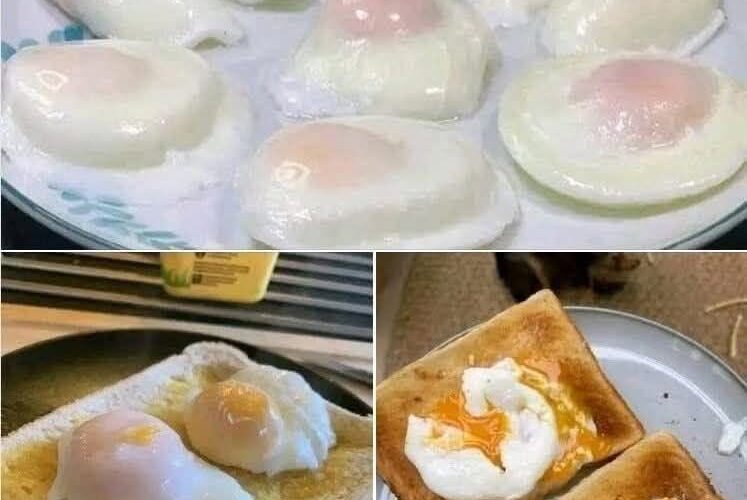
Poached eggs are a simple yet delicious breakfast dish made by gently cooking eggs in hot water until the whites become tender and set while the yolks remain soft, creamy, and golden. They are light, versatile, and perfect for serving on buttered toast, English muffins, breakfast sandwiches, salads, or a warm plate of vegetables. The photographs show smooth, rounded poached eggs served on a plate and on slices of golden toast, making this recipe ideal for anyone who loves a comforting homemade breakfast.
Making poached eggs at home may seem difficult at first, but with a few simple techniques, you can prepare beautiful eggs without needing special equipment. The secret is to use fresh eggs, maintain the correct water temperature, and give the eggs enough time to cook gently. Unlike fried eggs, poached eggs are prepared without frying them in oil, which allows their natural flavor and delicate texture to shine.
This detailed recipe explains everything from choosing the best eggs and preparing the water to shaping the whites, achieving the perfect yolk consistency, serving the finished eggs, and avoiding common mistakes. Whether you are preparing breakfast for yourself or making a special brunch for your family, these homemade poached eggs can become one of your favorite breakfast recipes.
What Are Poached Eggs?
Poached eggs are eggs cooked outside their shells in gently simmering water. During cooking, the egg whites gradually become firm while the yolks remain soft or become more thoroughly cooked, depending on the cooking time.
The result is an egg with a tender white exterior and a rich, creamy center. When the yolk is broken with a fork, it can flow over the toast and create a naturally delicious sauce.
Poaching is different from boiling because the egg is removed from its shell before cooking. It is also different from frying because the egg is cooked directly in water rather than in a pan with butter or oil.
One of the greatest advantages of poached eggs is their versatility. You can enjoy them simply with salt and black pepper, serve them over toast with butter, or combine them with avocado, tomatoes, spinach, mushrooms, or cheese for a more substantial breakfast.
Why You Will Love This Poached Eggs Recipe
This recipe uses everyday ingredients and basic kitchen equipment, so you do not need to purchase an expensive egg-poaching machine.
The preparation is straightforward, making it suitable for beginners who are learning how to cook eggs. Once you understand how gently simmering water works, you can prepare poached eggs consistently and adjust the cooking time to suit your preferred yolk texture.
Poached eggs are also naturally flavorful. They do not require large amounts of butter or oil, and their creamy yolks provide plenty of richness without needing a complicated sauce.
Another advantage is that they can be served in several different ways. A pair of poached eggs on buttered toast makes a quick breakfast, while poached eggs with sautéed vegetables and whole-grain bread can create a satisfying weekend brunch.
They also look attractive when served on a clean white plate, especially when the whites are smooth and the yolks remain soft and golden.
Recipe Information
Preparation time: 5 minutes
Cooking time: 3–5 minutes per egg, depending on the desired texture
Total time: Approximately 10–15 minutes for a small batch
Servings: 2 people
Yield: 4 poached eggs
Difficulty level: Easy
Cooking method: Gentle water poaching
Best served: Fresh and warm
Ingredients for Perfect Poached Eggs
For the Eggs
- 4 large fresh eggs
- 4–6 cups of water, or enough to provide approximately 7–10 cm of depth in a suitable saucepan
- 1 teaspoon white vinegar, optional
- A small pinch of salt for serving
- Freshly ground black pepper, to taste
For Serving with Toast
- 4 slices of bread
- 1–2 tablespoons butter, softened
- A little extra salt and black pepper
- Chopped fresh parsley or chives, optional
You can use white bread, whole-wheat bread, sourdough, multigrain bread, or English muffins. Choose a bread that becomes lightly crisp when toasted and can hold the soft egg without becoming soggy too quickly.
Understanding the Ingredients
Fresh Eggs
Fresh eggs are the most important ingredient in this recipe. When an egg is fresh, its white is generally thicker and holds together more closely around the yolk. This helps the egg maintain a rounded shape while cooking.
Older eggs tend to have thinner whites that spread out in the water. They can still be cooked, but they may produce a flatter, less attractive result.
For the best appearance, choose eggs that are fresh, have intact shells, and have been stored according to the package instructions.
Large eggs work particularly well because their whites and yolks provide a good balance for serving on toast.
Water
Water is the main cooking medium. It transfers heat gently to the egg, allowing the white to set without the browning that occurs during frying.
Use enough water to completely surround the egg. A deeper layer of water helps the white form around the yolk and prevents the egg from sticking to the bottom of the saucepan.
White Vinegar
A small amount of vinegar is optional. It can help the egg white set more quickly by encouraging its proteins to coagulate.
You do not need a large quantity. Too much vinegar may leave a noticeable sour taste on the egg.
If your eggs are very fresh and your water temperature is well controlled, you can make delicious poached eggs without vinegar.
Salt and Black Pepper
Salt and pepper enhance the natural flavor of the eggs. It is usually best to season the finished eggs rather than heavily salting the cooking water.
Freshly ground black pepper provides a pleasant, slightly spicy contrast to the creamy yolk.
Bread and Butter
Toast makes an excellent base for poached eggs because it provides a crisp texture that contrasts with the soft egg white.
Butter adds flavor and helps keep the toast from tasting dry. You can use a small amount or leave it out, depending on your preference.
Equipment You Will Need
A medium saucepan is ideal for poaching eggs. It should be wide enough to hold several eggs without crowding them.
You will also need a small cup or ramekin for cracking each egg before cooking, a slotted spoon for lifting the eggs from the water, and a clean plate lined with paper towel for briefly draining excess water.
A kitchen timer can help you monitor the cooking process, particularly if you are new to poaching eggs.
For the toast, use a toaster or frying pan. A frying pan is useful if you want to toast the bread with a little butter until it becomes golden and crisp.
You do not need a whisk, blender, or special poaching equipment.
How to Make Perfect Poached Eggs Step by Step
Step 1: Prepare the Eggs
Begin by checking that your eggs are fresh and their shells are clean and uncracked.
Take a small cup or ramekin and crack one egg into it. Keep the yolk intact and avoid allowing pieces of eggshell to fall into the cup.
Preparing the egg in a separate cup makes it easier to lower it gently into the water. It also allows you to check the egg before cooking and prevents accidentally dropping shell fragments into the saucepan.
If you are cooking several eggs, crack each egg into its own small cup. This makes the process more controlled and helps prevent the eggs from merging together in the water.
Step 2: Heat the Water
Pour approximately 4–6 cups of water into a medium saucepan. The exact quantity depends on the size of your pan, but the water should be deep enough to cover the eggs comfortably.
Place the saucepan over medium heat and allow the water to warm gradually.
You want the water to reach a gentle simmer rather than a vigorous boil. Small bubbles may appear around the edges and occasionally rise to the surface, but the water should not be violently bubbling.
Very active boiling can break apart the delicate egg whites and cause them to spread through the saucepan.
If you have a kitchen thermometer, a water temperature of approximately 80–90°C is a useful starting range for gentle poaching. You can also judge the temperature visually by watching the bubbles and reducing the heat as necessary.
Step 3: Add the Vinegar, If Using
If you prefer to use vinegar, add approximately one teaspoon to the saucepan and stir gently.
The vinegar should not make the water strongly acidic or noticeably sour. A small amount is enough.
Avoid adding the egg while the water is swirling rapidly. Excessive movement can pull the egg white apart instead of helping it form a neat shape.
Step 4: Lower the Egg into the Water
Position the cup containing the egg close to the surface of the water.
Tilt the cup slowly and allow the egg to slide into the water in one gentle movement.
Do not drop the egg from a height because the impact can separate the white from the yolk.
You should see the white begin to turn cloudy as it warms. The outer white will gradually become opaque and form a delicate layer around the yolk.
If you are cooking more than one egg, leave enough space between them so they do not touch immediately.
For beginners, cooking two eggs at a time in a reasonably wide saucepan is often easier than cooking a large batch all at once.
Step 5: Maintain a Gentle Simmer
After adding the egg, check the water temperature and adjust the heat if necessary.
The water should remain calm, with only gentle movement. If large bubbles begin breaking around the egg, reduce the heat.
A strong boil can tear the white and produce uneven shapes. Gentle heat gives the white time to set while protecting the yolk from cooking too quickly.
Avoid stirring the water after adding the egg. If you prefer to use a swirling-water method, create only a small, gentle swirl before adding a single egg. This method is optional and is not necessary for making good poached eggs.
Step 6: Cook the Egg
Allow the egg to cook for approximately 3–5 minutes, depending on its size and the texture you want.
For a soft, runny yolk, begin checking the egg at around 3 minutes. The white should be set enough to hold its shape, while the yolk remains soft.
For a slightly thicker yolk, cook for approximately 4 minutes.
For a firmer yolk, allow additional cooking time. The exact timing varies with egg size, starting temperature, water temperature, and personal preference.
Rather than relying on the clock alone, look at the white. It should become opaque and should no longer look watery or transparent.
If you prefer a fully cooked yolk, continue cooking until the egg has reached that texture. Eggs intended for young children, pregnant people, older adults, or people with weakened immune systems should be cooked until both the white and yolk are firm.
Step 7: Lift the Egg from the Water
Once the egg has reached your preferred texture, slide a slotted spoon underneath it.
Lift the egg slowly and allow excess water to drain through the spoon.
Place the egg on a clean plate lined with paper towel for a few seconds. This removes excess water and helps prevent the toast from becoming soggy.
Handle the egg gently because the white can remain delicate, especially when the yolk is soft.
Repeat the same process with the remaining eggs.
Step 8: Prepare the Toast
While the eggs are cooking, prepare your bread.
Place the bread slices in a toaster or toast them in a pan until they become lightly golden.
If you are using a frying pan, you can spread a little butter on the bread or melt a small amount in the pan before toasting.
The bread should be crisp enough to support the eggs but not so hard that it becomes difficult to cut.
Transfer the toast to serving plates and spread it with butter if desired.
Step 9: Place the Poached Eggs on the Toast
Arrange one or two poached eggs on each slice of toast, depending on the size of the bread and your appetite.
Place the eggs carefully so they remain intact. Their rounded whites should sit comfortably on the bread.
If you prefer the appearance shown in the photographs, serve the eggs whole, with the yolks hidden beneath the smooth white surface.
For a more rustic presentation, gently cut into one egg just before serving so the golden yolk flows over the toast.
Step 10: Season and Serve
Sprinkle the eggs with a small pinch of salt and freshly ground black pepper.
Add chopped parsley or chives if you enjoy fresh herbs.
Serve immediately while the eggs are warm and the toast is still crisp.
Poached eggs are at their best when prepared shortly before eating because their delicate texture can change as they cool.
How to Get Smooth, Rounded Poached Eggs
The smooth, rounded eggs shown in the photograph are achieved mainly through fresh eggs, gentle heat, and careful handling.
Fresh egg whites naturally hold together better than thin whites from older eggs. This makes a significant difference in the final shape.
Another useful technique is to strain away the loosest part of the egg white before cooking. To do this, crack the egg into a fine-mesh sieve positioned over a small bowl. Let the thin, watery white drain through for a few seconds, then transfer the remaining egg into a cup.
This step is optional, but it can help produce a neater shape with less wispy white floating in the water.
Make sure the sieve is clean, and handle the egg carefully so the yolk does not break.
Use water that is gently simmering rather than rapidly boiling. The egg should be surrounded by calm water that allows the white to set without being torn apart.
Finally, avoid moving the egg unnecessarily during cooking. Let the white set before lifting it with the slotted spoon.
These simple techniques can help you create poached eggs that look smooth and attractive on a plate.
How to Make Poached Eggs with Toast
Poached eggs on toast are one of the easiest ways to enjoy this recipe.
Begin by choosing your favorite bread and toasting it until the surface becomes lightly crisp. Spread the toast with a little butter while it is still warm.
Prepare the poached eggs according to the instructions above and drain them well.
Place the eggs directly on the toast, then season with salt and pepper.
For extra flavor, add a thin layer of mashed avocado, a few slices of tomato, or some lightly cooked spinach beneath the eggs.
You can also sprinkle a little grated cheese over the warm eggs. The cheese will soften slightly and add a savory flavor.
For a simple breakfast, serve the toast with fresh fruit or a glass of milk. For a more substantial meal, add sautéed mushrooms, roasted tomatoes, or baked beans.
How to Make Poached Eggs with Buttered Toast
Buttered toast is a particularly good match for poached eggs because its mild, rich flavor complements the creamy yolk.
Choose bread that holds its shape when toasted. White bread gives a soft, familiar breakfast texture, while whole-grain bread offers a more robust flavor.
Toast the bread until golden brown around the edges. Spread a thin layer of butter over the surface, allowing it to melt into the warm bread.
Drain the poached eggs carefully and place them on top.
When you cut into the eggs, the yolks will mix with the butter and form a naturally creamy topping.
Add black pepper for a little warmth and a small pinch of salt to bring out the egg’s flavor.
This simple preparation requires very little effort but can feel special when served on a clean plate with fresh herbs on the side.
How to Make Multiple Poached Eggs at Once
If you are preparing breakfast for several people, you can cook multiple eggs in one saucepan.
Choose a wide pan that allows each egg to have enough space. Bring the water to a gentle simmer and add the eggs one at a time, leaving a little distance between them.
Try not to crowd the pan. When eggs touch before their whites have set, they may stick together and become difficult to separate neatly.
Keep the water temperature steady and monitor the eggs as they cook.
If you are new to this method, begin with two eggs. Once you are comfortable controlling the temperature, you can increase the quantity according to the size of your saucepan.
For the most consistent results, cook eggs of similar size together and remove each one when it reaches the desired texture.
If your saucepan is small, preparing the eggs in separate batches may produce better results than trying to cook too many at once.
How to Choose Your Preferred Yolk Texture
The most appealing cooking time depends on how you enjoy your eggs.
Soft and Runny Yolks
Cook the eggs for approximately 3 minutes as a starting point, then check whether the whites have set sufficiently.
The white should be tender and opaque, while the yolk remains liquid in the center.
This style is especially good on toast because the yolk spreads over the bread when cut.
Creamy Yolks
Cook for approximately 4 minutes, adjusting the time according to the size of the egg and the temperature of the water.
The yolk may become thicker around the outside while remaining soft in the center.
This texture works well for breakfast plates, sandwiches, and warm grain bowls.
Firmer Yolks
Cook the eggs longer until the yolk becomes more thoroughly set.
The whites should be firm, and the yolk should not flow when cut.
If you require fully cooked eggs for food safety, continue cooking until both the white and yolk are firm rather than relying on a specific time alone.
Helpful Tips for the Best Results
Use the freshest eggs available because they tend to hold their shape better in water.
Crack each egg into a separate cup before cooking. This gives you more control and makes it easier to lower the egg gently into the saucepan.
Keep the water at a gentle simmer. A rolling boil can break up the white and create an uneven result.
Use a small amount of vinegar only if you wish. It is optional and should not dominate the flavor.
Avoid stirring the water once the egg has been added.
Cook the eggs in small batches if your saucepan is narrow.
Use a slotted spoon to remove the eggs, and allow the water to drain before placing them on toast.
Prepare the toast shortly before serving so that it remains crisp.
Season the finished eggs immediately before eating.
If you want a particularly neat appearance, strain off the thin, watery portion of the egg white before poaching.
Most importantly, do not worry if your first egg is not perfectly round. The taste and texture matter most, and a little practice makes the process much easier.
Common Mistakes to Avoid
Boiling the Water Too Hard
One of the most common mistakes is allowing the water to boil vigorously.
Strong bubbling can pull apart the white, create loose strands, and cause the egg to move around the saucepan.
The solution is to reduce the heat before adding the egg and maintain a gentle simmer throughout cooking.
Using Eggs That Are Not Fresh
Older eggs often have thinner whites, which spread more easily through the water.
You can still poach them, but the finished egg may look less compact.
For the neatest results, choose fresh eggs and consider straining away the thinnest portion of the white.
Cracking the Egg Directly into the Pan
Dropping an egg straight from its shell into the saucepan can make it harder to control where it lands.
Cracking it into a small cup first gives you a smoother, more controlled transfer.
Cooking for Too Long
If you leave the egg in the water for too long, the yolk may become firmer than intended.
Use a timer as a guide, check the white, and remove the egg when it reaches your preferred texture.
Remember that cooking times can vary, so it is useful to check the first egg before preparing a larger batch.
Not Draining the Egg
Poached eggs naturally carry water when lifted from the saucepan.
If you transfer them directly onto toast without draining, the bread may become soggy.
Allow excess water to drain through a slotted spoon and briefly rest the egg on paper towel before serving.
Adding Too Much Vinegar
A large amount of vinegar may affect the flavor of the egg.
Use a small quantity or leave it out entirely.
Crowding the Saucepan
Too many eggs in a small pan can cause them to touch, merge, or cook unevenly.
Use a wide saucepan or cook the eggs in separate batches.
Delicious Ways to Customize Poached Eggs
Poached eggs are easy to adapt to different tastes. Their mild flavor pairs well with fresh vegetables, herbs, cheeses, and a wide variety of breads.
Poached Eggs with Avocado Toast
Mash a ripe avocado with a little lemon juice, black pepper, and salt.
Spread the avocado over toasted sourdough or whole-grain bread, then place a poached egg on top.
The avocado provides a smooth, creamy texture that complements the egg yolk.
You can finish the toast with chopped parsley, chives, or a few tomato slices.
Poached Eggs with Tomatoes
Serve the eggs on toast with fresh tomato slices or warm roasted tomatoes.
The gentle acidity of tomatoes balances the richness of the yolk and creates a fresh-tasting breakfast.
Season the tomatoes with a little salt and pepper, and add fresh basil if desired.
Poached Eggs with Spinach
Lightly cook fresh spinach in a pan until it wilts. Allow excess moisture to evaporate before placing it on the toast.
Add a poached egg on top and finish with black pepper.
The mild flavor of spinach works particularly well with eggs and makes the dish suitable for a relaxed weekend brunch.
Poached Eggs with Mushrooms
Slice mushrooms and cook them in a pan with a little butter or olive oil until tender and lightly browned.
Season with salt, pepper, and a little thyme if desired.
Serve the mushrooms on toast and top them with poached eggs.
This variation has a deep, savory flavor and works well for breakfast or a light lunch.
Poached Eggs with Cheese
Place a small amount of grated cheddar, mozzarella, or another cheese of your choice on the hot toast before adding the egg.
The warmth of the bread and egg may soften the cheese, giving the dish a richer flavor.
Avoid adding too much cheese if you want the egg to remain the main focus.
Poached Eggs with Herbs
Fresh herbs can brighten the flavor of the dish without requiring complicated preparation.
Chopped chives, parsley, dill, or basil can all work well.
Sprinkle the herbs over the eggs just before serving to preserve their color and fresh aroma.
Poached Eggs on English Muffins
Toast a split English muffin until lightly crisp.
Place a poached egg on each half and season with black pepper.
You can add sautéed spinach, sliced tomato, or a little cheese for extra flavor.
This makes an excellent breakfast sandwich when the two halves are placed together.
Serving Suggestions
Poached eggs can be served in many different ways, depending on whether you want a quick breakfast or a more elaborate brunch.
For a simple meal, serve two eggs on buttered toast with black pepper.
For a vegetable-based breakfast, add sautéed spinach, mushrooms, or roasted tomatoes.
For a fresh and colorful plate, serve the eggs with avocado, cucumber, and cherry tomatoes.
For a more filling meal, add baked beans, roasted potatoes, or whole-grain bread.
You can also place poached eggs over cooked rice, quinoa, or other grains, then add vegetables and a light dressing.
If you are serving the eggs to guests, arrange them neatly on warm plates and add fresh herbs just before bringing the meal to the table.
The most important finishing touch is serving them while they are warm, with the texture you intended.
What to Serve with Poached Eggs
Fresh Fruit
Fresh fruit provides a refreshing contrast to the rich egg yolk. Sliced apples, oranges, grapes, strawberries, and seasonal fruit are all good choices.
Roasted Potatoes
Roasted potatoes add a crisp texture and make the breakfast more substantial.
Season the potatoes with a little salt, pepper, and herbs, then roast them until golden.
Sautéed Vegetables
Spinach, mushrooms, tomatoes, and bell peppers can be cooked quickly and served alongside the eggs.
Their flavors complement the eggs without overwhelming them.
Whole-Grain Toast
Whole-grain toast adds texture and provides a sturdy base for the eggs.
It is especially useful if you prefer a breakfast that keeps you satisfied throughout the morning.
Breakfast Salad
A small salad made with lettuce, tomatoes, cucumber, and a light dressing can turn poached eggs into a fresh lunch.
Place the warm egg over the salad just before serving so the yolk can mix with the other ingredients.
Can You Prepare Poached Eggs in Advance?
Poached eggs are best when served freshly cooked, but they can be prepared ahead for convenience.
If you need to make them in advance, cook the eggs until the whites are set, then transfer them into a bowl of cold water to stop the cooking process.
Refrigerate them promptly in a clean, covered container and keep them at 4°C or below. For quality and safety, use refrigerated poached eggs within one to two days, and do not leave them at room temperature for extended periods.
When you are ready to serve, gently reheat the eggs in hot water until they are thoroughly warmed. Avoid boiling them vigorously because this may make the whites tougher or cause soft yolks to cook further.
For people at higher risk from foodborne illness, use fully cooked eggs and reheat them thoroughly.
If you are making breakfast for a crowd, it is often better to prepare the toast and toppings in advance, then poach the eggs shortly before serving.
How to Store Leftover Poached Eggs
If you have leftover poached eggs, allow them to cool promptly and place them in a clean, covered container in the refrigerator.
Keep them at 4°C or below, and use them within one to two days.
Do not leave cooked eggs at room temperature for more than two hours, or more than one hour when the surrounding temperature exceeds 32°C.
When reheating, place the eggs gently into hot water until they are thoroughly warmed. The yolk may become firmer during reheating, especially if it was originally runny.
Discard eggs that have been stored improperly or show signs of spoilage. Do not rely on smell alone to determine whether an egg is safe.
Nutritional Information
Poached eggs provide protein, fats, vitamins, and minerals. Their nutritional content depends on the size of the eggs and the ingredients served alongside them.
One large egg generally contains approximately 70–80 calories and about 6 grams of protein. It also supplies nutrients such as vitamin B12, selenium, and choline.
Two large poached eggs therefore provide roughly 140–160 calories and around 12–13 grams of protein, before adding toast, butter, cheese, or other toppings.
Poaching itself requires little or no added fat, which means the eggs can be prepared without the additional oil or butter commonly used for frying.
The total nutrition of the meal will depend on the bread, spreads, vegetables, and other ingredients you choose.
For a more balanced breakfast, serve the eggs with whole-grain toast and vegetables or fruit.
These figures are approximate and are intended as general nutritional guidance rather than exact values for every serving.
Frequently Asked Questions
Why Do My Poached Eggs Spread Out in the Water?
Eggs may spread out because they are not very fresh, the water is boiling too vigorously, or the egg is being dropped from too high above the surface.
Try using fresher eggs, cracking them into a small cup, and lowering them gently into water that is only simmering.
Straining away the thinnest part of the white can also help create a neater shape.
Do I Need Vinegar to Poach Eggs?
No. Vinegar is optional.
A small amount can help the whites set more quickly, but fresh eggs can be poached successfully without it.
If you do not enjoy the taste of vinegar, simply leave it out.
Should I Stir the Water Before Adding the Egg?
You do not have to stir the water.
A gentle swirl may help shape a single egg, but it is optional. It is usually unnecessary when cooking several eggs at once.
The most important factor is maintaining a gentle simmer.
How Do I Know When a Poached Egg Is Ready?
The white should be opaque and set, rather than transparent and watery.
The yolk can remain soft or become firmer depending on the cooking time.
If you need the egg to be fully cooked for food safety, make sure both the white and yolk are firm.
Can I Poach Eggs Without Vinegar?
Yes. You can make excellent poached eggs using only eggs and water.
Use fresh eggs, avoid vigorous boiling, and lower the eggs carefully into the saucepan.
Can I Make Poached Eggs in a Nonstick Pan?
Yes. A nonstick pan can work well, provided it is deep enough to hold sufficient water.
A saucepan is often more convenient because it provides enough depth for the egg to cook evenly.
Why Is My Poached Egg White Watery?
The egg may have been insufficiently cooked, or the egg itself may have had a thin white.
Give the egg a little more cooking time until the white is set. Using fresh eggs and straining away the thinnest white can also improve the result.
Can I Cook Poached Eggs Without a Slotted Spoon?
A slotted spoon is the easiest tool for removing the egg while allowing water to drain away.
If you do not have one, a suitable cooking spoon may work, but take extra care to drain the egg and lift it gently.
Can I Serve Poached Eggs on Cold Toast?
You can, but warm, freshly toasted bread usually provides the best texture and flavor.
The contrast between warm eggs and crisp toast makes the dish especially enjoyable.
Are Poached Eggs Suitable for Lunch?
Yes. Serve them with vegetables, whole-grain toast, potatoes, or a salad to make a satisfying lunch.
They can also be added to grain bowls or served over sautéed vegetables.
Final Thoughts
Perfect poached eggs are proof that a simple recipe can produce a delicious and attractive meal. With just fresh eggs, water, a saucepan, and a little patience, you can prepare tender whites surrounding creamy yolks without complicated equipment or lengthy preparation.
The most important techniques are choosing fresh eggs, heating the water to a gentle simmer, lowering each egg carefully, and cooking it until the white is properly set. Draining the finished eggs and serving them on freshly toasted bread helps preserve their delicate texture.
Enjoy them with buttered toast, avocado, tomatoes, spinach, mushrooms, or your favorite breakfast toppings. Once you become comfortable with the basic method, you can experiment with different serving styles and create a breakfast that suits your taste.
Whether served as a quick weekday meal or a relaxed weekend brunch, homemade poached eggs are a versatile addition to your kitchen. Follow the steps carefully, adjust the cooking time to your preference, and you will be well on your way to making beautiful poached eggs at home.